
5 Creative Little Boys Bedroom Ideas to Maximize Space and Style
Table of Contents
Introduction
Designing a little boy’s bedroom can be one of the most joyful yet challenging tasks for parents. Between toys, clothes, books, and endless bursts of creativity, space quickly becomes a luxury. According to a 2024 interior design survey, over 68% of parents report that lack of storage is their biggest frustration in a child’s room. The truth is, a well-designed bedroom isn’t just about decor—it’s about creating an environment that fosters play, rest, and imagination, all while making the most of every square inch.
Whether you’re working with a compact city apartment or trying to make a shared bedroom feel spacious, maximizing space requires smart, child-friendly design strategies. This guide explores five creative and practical bedroom ideas tailored specifically for little boys. From multifunctional furniture to clever storage hacks, each idea helps you strike that balance between fun and functionality.
By the end, you’ll have the inspiration and tools to transform even the smallest room into a cozy, organized, and stylish space your little one will love—one that grows with him as his needs evolve.
Smart Storage Solutions that Keep Clutter Under Control
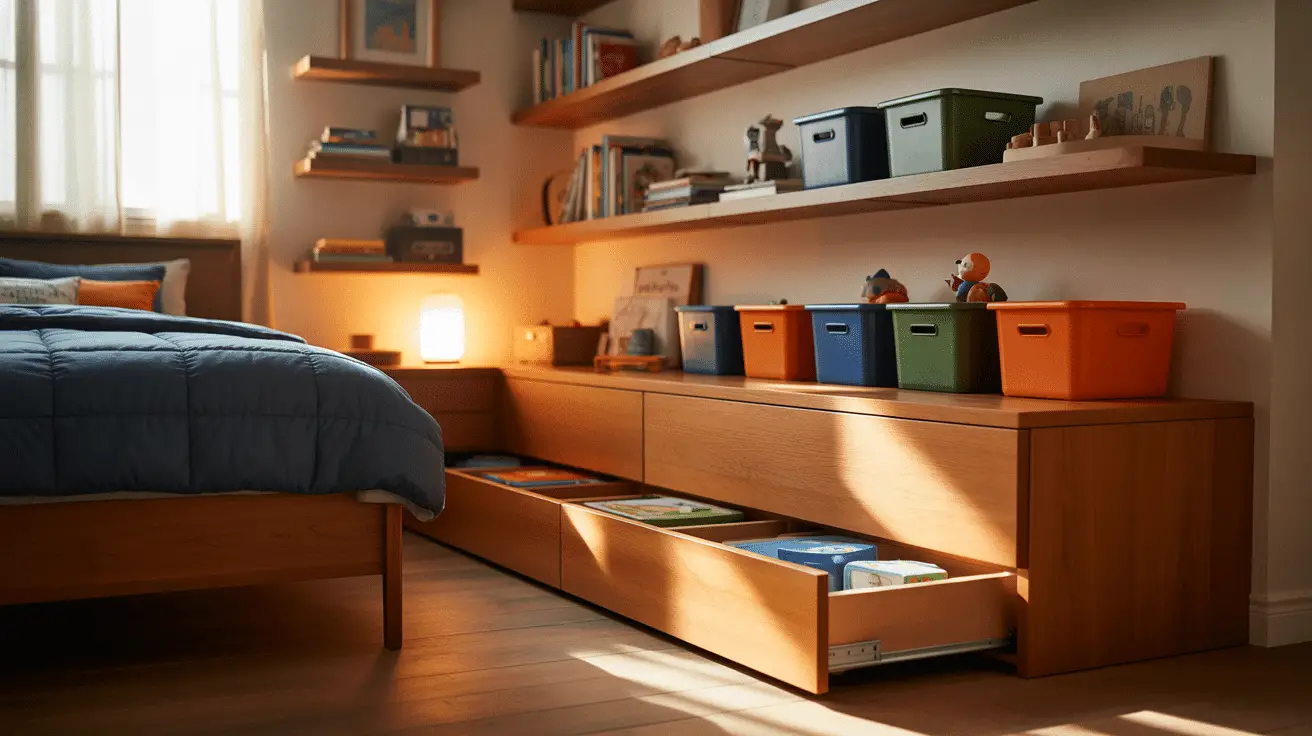
Storage is the backbone of any small bedroom design. For little boys who seem to collect more toys, books, and gadgets by the day, creating dedicated storage zones helps maintain order without sacrificing charm.
Think beyond traditional dressers and shelves. Under-bed drawers, wall-mounted cubbies, and storage benches offer versatile options that can evolve as your child grows. Choose bins with labels for easy clean-up and use color-coded systems to help your child stay organized. For shared rooms, divide shelves or drawers by name or color so each child has their own personal space.
Here’s a quick visual breakdown of storage options that work best in compact rooms:
| Storage Type | Ideal For | Space Benefit |
| Under-bed drawers | Clothes, toys | Utilizes wasted floor space |
| Wall-mounted shelves | Books, decor | Keeps floor clear |
| Storage benches | Blankets, games | Dual-purpose furniture |
| Pegboards | Small items, hats | Customizable and vertical |
Smart storage isn’t just about tidiness—it teaches responsibility and independence. Encourage your child to participate in maintaining their space by making storage fun and accessible.
Loft and Bunk Beds to Free Up Floor Space
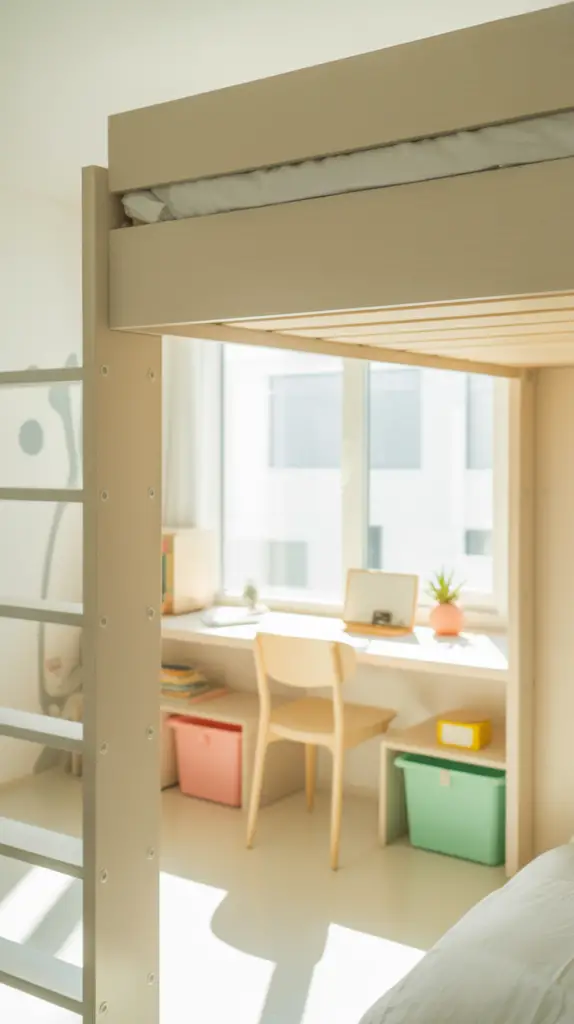
Bunk and loft beds are lifesavers for small bedrooms. Not only do they make bedtime exciting, but they also unlock valuable floor space for play or study. A loft bed, for instance, can double the usable area by creating room underneath for a desk, reading nook, or play zone.
When choosing bunk or loft beds, prioritize safety and structure. Opt for designs with sturdy guardrails, non-slip ladders, and durable wood or metal frames. You can also personalize these beds with curtains or fairy lights to give your little one a private “fort” feel.
To help you decide which setup fits best, here’s a comparison of options:
| Bed Type | Best For | Space Advantage | Bonus Tip |
| Loft Bed | Single child | Frees floor space below | Great for homework nook |
| Bunk Bed | Shared room | Doubles sleeping area | Choose L-shape for extra storage |
| Trundle Bed | Sleepovers | Hidden spare bed | Pulls out easily for guests |
Consider the layout of your room before choosing. Corner placement often works best to open up central floor space and allow easy movement.
Multipurpose Furniture that Adapts as They Grow
Children grow fast, and so do their needs. Investing in multipurpose furniture ensures that your design adapts without constant overhauls. Look for pieces that serve more than one function—beds with drawers, desks that can extend, or ottomans with hidden compartments.
A foldable study desk, for example, provides space for homework without taking up valuable floor space. Modular shelving can be rearranged as your little boy’s interests evolve—from toy cars to science kits. Furniture that “grows up” with your child saves both space and money in the long run.
Here’s how to combine function and flexibility in one space:
| Furniture Item | Dual Purpose | Lifespan |
| Convertible crib-to-bed | Bed transition | 5+ years |
| Desk with drawers | Study + storage | 3–8 years |
| Storage ottoman | Seating + toy chest | Ongoing |
| Foldaway table | Craft station + floor space | Flexible |
This approach not only keeps your space efficient but also encourages a minimalist, clutter-free environment. Every piece should earn its place by being practical, safe, and timeless.
Play Zones That Don’t Take Over the Room
Every little boy’s room should have a spot for creativity and fun—but in small spaces, it’s about smart zoning rather than large play areas. Use rugs, curtains, or even color-blocked walls to subtly define the play zone from the rest of the room.
Instead of bulky toy chests, consider vertical play setups like wall-mounted Lego boards, foldable tents, or collapsible play tables. Keep play materials easy to reach but contained—use baskets or bins that can slide under furniture when playtime’s over.
A simple breakdown can help you plan your layout efficiently:
| Play Feature | Space Used | Clean-Up Ease |
| Foldable tent | Minimal | Quick fold-down |
| Wall activity board | None (vertical) | Wipe clean |
| Rolling toy cart | Flexible | Roll into corner |
Designing a multifunctional play zone nurtures imagination while keeping the room looking clean and calm.
Color and Lighting Tricks to Open Up the Room
Color and lighting can visually transform even the tiniest spaces. Light, neutral hues like sky blue, sage green, or soft gray make walls feel farther apart. You can add pops of personality through bedding, rugs, or wall art without overwhelming the space.
Good lighting is equally essential. Layered lighting—overhead fixtures, task lamps, and warm nightlights—creates depth and ambiance. Avoid harsh fluorescents and opt for warm LEDs or natural light sources to create a comforting atmosphere.
A quick color and lighting guide:
| Design Element | Effect on Space | Recommended Choice |
| Wall color | Enlarges space | Light neutrals or pastels |
| Lighting | Adds depth | Layered, warm-toned |
| Mirrors | Reflect light | Opposite windows |
Using reflective elements like mirrors or glossy finishes helps bounce light and expand the room visually. Remember, the goal is to create balance—bright enough for play, soft enough for sleep.
Personalized Decor That Grows With Your Child
While themes like dinosaurs or superheroes can be fun, they can quickly feel outdated. Instead, choose decor that evolves. Wall decals, removable wallpaper, and framed art prints let you refresh the room easily as interests change.
Consider integrating your child’s personality through subtle touches—a custom name sign, favorite color palette, or display shelf for his latest Lego creation. Floating frames can hold artwork that rotates with each new masterpiece.
| Decor Element | Longevity | Adaptability |
| Removable wall decals | High | Easy to update |
| Themed bedding | Moderate | Quick swap |
| Framed art | Long-term | Changeable inserts |
By combining timeless design with personal flair, you create a space that feels truly his—without locking yourself into a theme he’ll outgrow in a year.
Thoughtful Room Layout Planning
Before buying furniture or decor, planning your layout makes a huge difference. Start by measuring the room carefully and noting windows, outlets, and doors. Sketch your layout or use free online design tools to test different arrangements.
Keep pathways open to prevent clutter and ensure safety. Place the bed where it won’t block natural light, and use corners for storage or reading nooks. Try to balance aesthetics and flow—functionality always comes first.
| Planning Step | Key Goal | Example |
| Measure and map | Avoid overcrowding | Floor plan sketch |
| Choose focal point | Visual anchor | Bed or window |
| Balance height | Visual symmetry | Shelves, art, lighting |
A well-planned layout maximizes both form and function, making even small spaces feel intentional and comfortable.
Conclusion
Designing a little boy’s bedroom that maximizes space is all about creativity, strategy, and a touch of heart. From clever storage systems and space-saving beds to adaptable furniture and calming colors, every choice contributes to a balanced and joyful environment. The key is flexibility—choosing elements that grow, move, and evolve alongside your child.
By combining practicality with imagination, you’ll create a bedroom that not only fits your little boy’s needs today but will continue to inspire him for years to come—a cozy, clutter-free haven where play, rest, and dreams can thrive.