
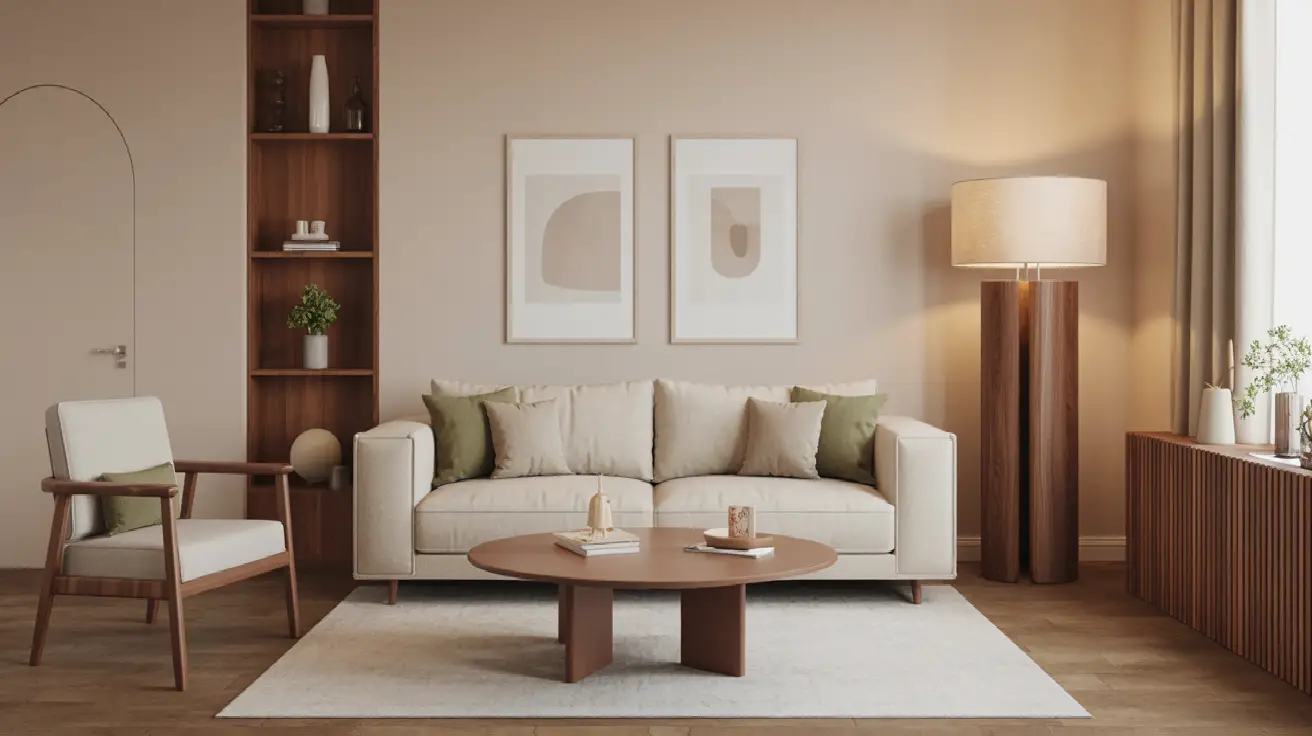
Modern Hygge Living Room: How to Blend Minimalist Warmth with a Scandinavian Twist
Table of Contents
Introduction
In a world of fast-paced living and digital overload, the concept of hygge has found its way into modern design as both a philosophy and an aesthetic. Originating from Denmark, hygge (pronounced “hoo-gah”) describes a mood of coziness, contentment, and well-being through simple pleasures. It’s less about things and more about feelings—a sense of calm comfort in your surroundings.
With the rise of minimalist living and Scandinavian design, the modern hygge living room has become a timeless favorite among homeowners seeking balance. This look merges minimalism’s clean lines with hygge’s warmth, creating a space that feels both stylish and soul-soothing.
A recent interior design trend report from Pinterest and Architectural Digest revealed that “Scandinavian coziness” and “minimalist warmth” are among the most searched home design keywords of 2025. The reason is simple: people crave homes that look good and feel good.
In this article, we’ll explore how to create a modern hygge living room that balances simplicity with comfort. From choosing the right color palette and textures to integrating natural elements, lighting, and layout, you’ll learn how to design a space that feels inviting, grounded, and effortlessly Scandinavian.
Embracing the Hygge Philosophy in Modern Design
At its core, hygge is about slowing down and appreciating the beauty of everyday life. In a modern context, this translates to creating living spaces that prioritize comfort, intentionality, and connection.
Incorporating hygge into your living room doesn’t require clutter or excessive décor—it’s about curating what truly matters. Minimalism sets the foundation with simplicity and functionality, while hygge adds the emotional warmth through soft textures, natural materials, and gentle light.
One way to approach this is by focusing on emotional design. Every object in your living room should serve a purpose—either functional, aesthetic, or sentimental. Handmade ceramics, heirloom furniture, or even a cozy blanket draped over the sofa can bring personal connection to the space.
Harmony is key. The room should feel lived-in yet uncluttered, where every corner offers visual and sensory comfort.
| Hygge Principle | Modern Translation | Example |
| Simplicity | Clean lines, uncluttered layout | Neutral furniture arrangement |
| Comfort | Cozy materials | Wool blankets, plush rugs |
| Connection | Spaces that invite gathering | Shared seating areas |
| Nature | Organic elements | Wood, plants, natural light |
Choosing the Perfect Hygge-Inspired Color Palette
Color is the foundation of mood, and in a modern hygge living room, the palette should evoke calm and harmony. Scandinavian-inspired interiors lean toward soft, neutral tones that reflect natural light and foster serenity.
Start with a base of whites, creams, or soft grays to keep the space airy. Then, introduce earthy tones such as beige, sand, taupe, or muted green for warmth and grounding. A hint of charcoal or matte black adds contrast without breaking the calm.
The beauty of this palette lies in its versatility. Whether you prefer a modern minimalist apartment or a rustic Nordic cottage vibe, these hues adapt effortlessly. The key is layering—each shade should flow naturally into the next, creating depth without overpowering the senses.
Adding natural materials enhances the color harmony. Light oak floors, stone accents, or woven jute rugs bring organic texture that complements the palette beautifully.
| Color Tone | Purpose | Example Application |
| White & Cream | Brightness, simplicity | Walls, ceilings |
| Beige & Sand | Warmth, balance | Upholstery, rugs |
| Soft Gray | Depth, sophistication | Accent wall or sofa |
| Muted Green | Earthy tranquility | Cushions, art pieces |
1
Layering Textures for Cozy Minimalism
Minimalist design doesn’t have to feel cold. In fact, texture is the secret ingredient that brings hygge warmth into modern simplicity. When layered thoughtfully, textures create depth, comfort, and a tactile richness that invites you to stay a while.
Start with soft furnishings—think linen curtains, wool throws, and cotton cushions. A chunky knit blanket draped over the sofa instantly adds coziness without clutter. Rugs made from jute, sisal, or wool help define areas while adding softness underfoot.
Mixing materials is essential. Combine sleek surfaces like glass or metal with organic textures like rattan, leather, or unfinished wood. This balance between smooth and rough, hard and soft, encapsulates Scandinavian design’s harmony.
Even small details matter: a ceramic mug, a knitted pouf, or a woven lampshade can subtly elevate the hygge feel. Remember, every layer should contribute to comfort—visual and physical alike.
| Material | Texture | Where to Use |
| Linen | Light and airy | Curtains, pillow covers |
| Wool | Soft and warm | Blankets, rugs |
| Wood | Natural grain | Furniture, shelving |
| Rattan | Woven | Chairs, baskets |
| Ceramic | Smooth matte | Vases, decor accents |

Integrating Nature into the Living Room
Nature is at the heart of Scandinavian and hygge design. The goal is to create an organic connection between your indoor environment and the natural world.
Begin with natural materials—wood is the hero here. Light woods like birch or oak create warmth and reflect light, while darker stains add contrast. Use them in flooring, coffee tables, or shelving for a cohesive foundation.
Plants are another essential element. Greenery introduces life, texture, and color contrast within a neutral setting. Opt for easy-care plants like snake plants, ferns, or olive trees for effortless elegance.
Incorporate natural elements in subtle ways: stone vases, clay pottery, and woven baskets all enhance the sensory experience. Even scent can play a role—candles with cedarwood or sandalwood notes bring a grounding aroma that deepens the hygge atmosphere.
| Natural Element | Use | Sensory Effect |
| Wood | Furniture, beams | Warm and grounding |
| Greenery | Potted plants | Fresh and lively |
| Stone | Decor accents | Earthy stability |
| Linen & Cotton | Textiles | Soft and organic |
| Natural Light | Large windows | Inviting and bright |
The Art of Hygge Lighting
Lighting plays perhaps the most vital role in creating a hygge atmosphere. In Scandinavian countries, where daylight is limited for much of the year, light design has become an art form.
Avoid harsh, bright overhead lighting. Instead, layer your light sources to build a warm, diffused glow. Use multiple lamps—floor, table, and wall—to create soft pools of light throughout the space.
Warm white bulbs (around 2700K) mimic the cozy hue of natural firelight. Candles are another hygge essential; their flickering warmth adds instant intimacy. Arrange them on trays, shelves, or coffee tables in varying heights for visual interest.
If your living room has a fireplace, let it be the focal point. The gentle glow reinforces the sense of calm and relaxation. For modern settings without one, a cluster of candles or a faux electric fireplace can recreate that same effect.
| Lighting Type | Placement | Purpose |
| Ambient | Ceiling, sconces | Overall warmth |
| Task | Reading lamps | Focused illumination |
| Accent | Candles, string lights | Atmosphere and texture |
| Natural | Windows, skylights | Daytime brightness |
Curating Furniture with Scandinavian Functionality
In a modern hygge living room, every furniture piece serves both function and form. Scandinavian design values craftsmanship, clean lines, and comfort over ornamentation.
Start with a sofa that embodies simplicity and coziness—a low-profile silhouette in neutral fabric works best. Pair it with a natural wood coffee table or sideboard featuring clean geometry. Avoid overly ornate or bulky furniture; instead, opt for open designs that allow light and air to flow freely.
Storage should be subtle yet effective. Floating shelves or built-in cabinetry can maintain order while preserving minimalist charm.
Textural accents like a sheepskin throw on a wooden chair or a linen slipcover on a loveseat add softness to clean lines. Every piece should feel intentional and inviting—a place where you’d want to curl up with a book or share conversation with friends.
| Furniture Type | Design Style | Function |
| Sofa | Neutral linen or wool | Comfort and centerpiece |
| Coffee Table | Oak, pine, or birch wood | Natural balance |
| Shelving | Floating or modular | Storage and simplicity |
| Chair | Woven or upholstered | Cozy seating |
| Sideboard | Minimalist wood grain | Utility with style |
Creating Atmosphere Through Scent and Sound
Hygge extends beyond what you see—it’s also what you feel. Scent and sound enhance the mood, adding layers of relaxation to the space.
Start with scent. Natural fragrances like pine, vanilla, or sandalwood evoke comfort and familiarity. Essential oil diffusers, soy candles, or incense can fill the air with warmth without overwhelming the senses.
Sound plays an equally important role. Soft instrumental playlists, ambient nature sounds, or gentle rain simulations can help reduce stress and create a tranquil environment.
Even the subtle sounds of your home—crackling candles, creaking wood floors, or the hum of a distant fireplace—add to the sensory experience. Together, these cues transform your living room from a visual design into a living, breathing retreat.
| Sense | Element | Example |
| Scent | Candles, essential oils | Cedarwood, bergamot |
| Sound | Background music | Acoustic, ambient nature |
| Touch | Textures | Wool, linen, rattan |
| Sight | Lighting | Warm, layered glow |
Conclusion
A modern hygge living room is a delicate balance between simplicity and warmth—a minimalist retreat that celebrates life’s small comforts. It’s about creating a space where form meets feeling, where clean lines coexist with soft textures, and where every moment feels intentional.
By blending Scandinavian minimalism with the coziness of hygge, you craft a home that invites you to slow down, breathe deeply, and connect with what truly matters. From natural materials to gentle lighting and thoughtful design, each element contributes to an environment that nourishes your senses and your soul.
In a world that often moves too fast, your living room can become your sanctuary—a place of minimalist warmth, Scandinavian charm, and timeless comfort.