Neutral Kitchen Hood Design with Soft Earthy Accents: Elegant Ways to Create a Warm and Timeless Look
Table of Contents
Introduction
There’s something undeniably calming about a kitchen wrapped in neutral tones and gentle earthy accents. In recent years, kitchen design has shifted from high-gloss finishes and bold color statements to natural, serene spaces inspired by organic materials and muted palettes. According to a 2024 interior design trend report, more than 60% of homeowners now prefer neutral kitchens for their timeless beauty and ability to adapt to changing styles.
Among the many design details that define a kitchen, the hood stands out as both a functional and decorative focal point. A thoughtfully designed kitchen hood not only improves ventilation but also sets the tone for the entire room’s aesthetic. When paired with soft, earthy elements—like warm stone textures, subtle wooden finishes, and muted paint tones—it becomes a centerpiece that ties everything together.
In this guide, you’ll explore inspiring ideas and design strategies to achieve a neutral kitchen hood design that feels luxurious, cozy, and enduring. From material selection and texture layering to accent styling and lighting tips, each section offers practical advice and creative insights to help you bring warmth and refinement into your kitchen—without overwhelming the space.
The Beauty of a Neutral Kitchen Hood
A neutral kitchen hood design is the perfect marriage of sophistication and simplicity. Neutral tones—ranging from ivory, cream, and taupe to soft gray—create a clean backdrop that highlights natural materials and fine craftsmanship. These hues are not only visually soothing but also incredibly versatile, complementing nearly every kitchen style, from rustic farmhouse to sleek modern minimalism.
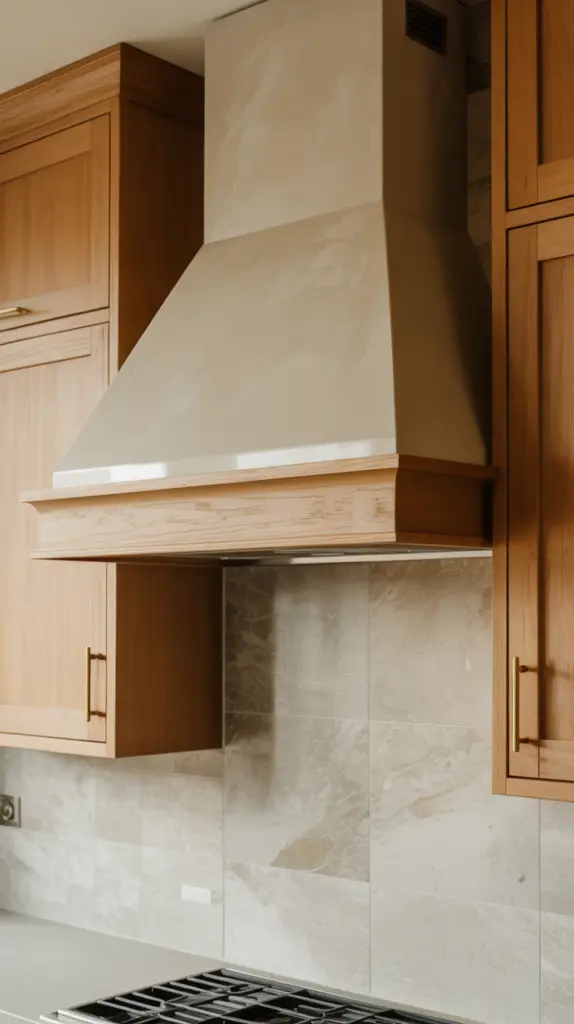
The secret to making a neutral kitchen hood stand out lies in balance. The hood should feel integrated into the kitchen’s overall palette while maintaining its presence as a focal point. For instance, pairing a plaster hood in warm white with stone countertops and oak cabinets creates a seamless, organic aesthetic.
To keep the design interesting, introduce tonal variation. Layer different shades of beige, ivory, or sand, and pair them with natural materials like wood, limestone, or terracotta. This creates depth and texture without disrupting the calm, neutral atmosphere.
Neutral Hood Color Palette Breakdown
| Base Tone | Undertone | Suggested Material | Mood |
| Ivory White | Warm | Plaster or matte paint | Soft and timeless |
| Greige | Beige-gray | Stone veneer | Balanced and earthy |
| Clay Beige | Muted terracotta | Stucco or limewash | Cozy and grounded |
| Light Taupe | Neutral | Wood veneer | Elegant and natural |
Choosing Materials that Add Texture and Warmth
When designing a neutral kitchen hood, materials play a vital role in achieving depth and dimension. Neutral doesn’t mean flat—it’s all about subtle contrast through texture and finish. Plaster, limestone, wood, and painted metal are popular choices that blend form and function beautifully.
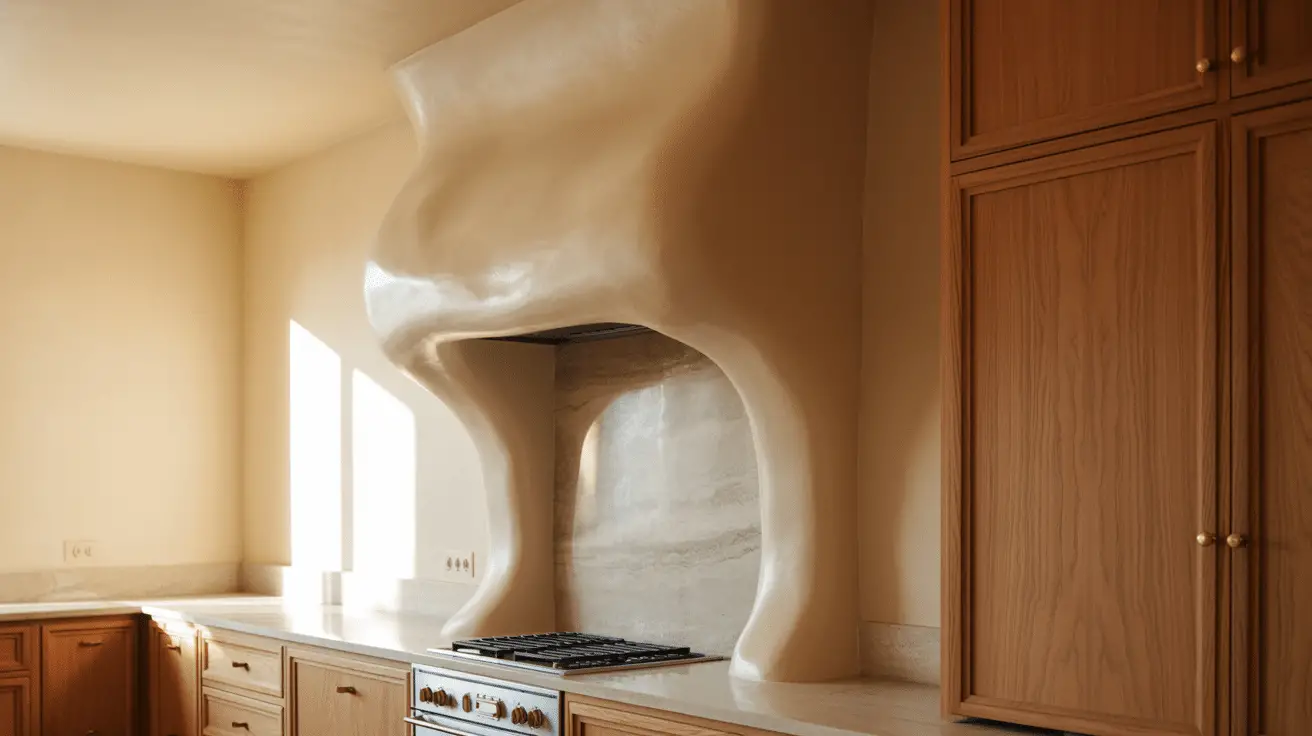
A plaster hood brings artisanal charm with its smooth, hand-troweled finish. Its slightly imperfect surface catches light softly, creating an organic, timeless look. For something more rustic, consider stone or tile cladding, which adds a tactile quality and a sense of durability.
Wooden hoods, often seen in oak or walnut, introduce natural warmth. Pair them with a matte finish for understated sophistication. Metal hoods—especially in brushed brass, bronze, or pewter—can also complement neutral palettes when used subtly, adding a touch of modern luxury without overpowering the space.
Material Inspiration Table
| Material | Texture | Ideal Pairing | Best For |
| Plaster | Smooth matte | Natural stone counters | Classic, timeless look |
| Wood | Textured grain | Marble or quartzite | Warm and organic style |
| Metal | Brushed finish | Neutral paint tones | Modern minimalism |
| Stone | Subtle veining | Clay tiles or linen fabrics | Earthy and natural kitchens |
Pairing Soft Earthy Accents for Depth
Earthy accents are what transform a neutral kitchen from plain to soulful. These accents—drawn from nature’s palette—add warmth, contrast, and authenticity to the space. Think soft clay tones, muted greens, sandy beiges, and caramel woods.
The easiest way to weave these accents into your kitchen hood design is through the surrounding elements. Open shelves with terracotta dishes, a rustic wooden cutting board, or clay vases add organic texture. Even the smallest details, like a beige linen runner or stone utensil holder, can enhance the earthy theme.
Consider layering materials with different finishes: smooth ceramic tiles, rough plaster, matte metals, and natural woods. Together, they create a tactile, lived-in charm. Earthy accents should feel effortless, not forced—like a collection that evolved over time.
Accent Coordination Guide
| Accent Element | Material | Color Family | Placement |
| Backsplash | Natural stone | Beige, tan | Behind range or sink |
| Décor | Terracotta, ceramic | Clay, sand | Open shelves or counters |
| Lighting | Bronze, rattan | Warm neutrals | Above island or hood |
| Textiles | Linen or cotton | Ecru, taupe | Curtains, runners |
Layering Lighting for a Cozy Ambiance
Lighting has a transformative effect in a neutral kitchen. With soft tones and earthy materials, the right lighting enhances texture, warmth, and visual depth. Instead of relying on a single source, layer multiple light types to achieve a balanced glow.
Begin with ambient lighting—recessed fixtures or flush mounts that evenly illuminate the space. Then, incorporate task lighting under cabinets or above the stove for practicality. Finally, add accent lighting, like wall sconces flanking the hood or pendant lights above the island, to highlight specific details.
Warm white bulbs (between 2700K and 3000K) are best for neutral kitchens, as they maintain a cozy, inviting atmosphere. If your hood has a smooth finish, lighting can accentuate its curves subtly, while textured surfaces like plaster benefit from soft shadows that reveal their artisanal beauty.
Lighting Design Breakdown
| Light Type | Placement | Purpose |
| Ambient | Ceiling or recessed | General illumination |
| Task | Under cabinets or stove | Focused lighting for cooking |
| Accent | Above hood or island | Adds visual depth and warmth |
Mixing Metals and Finishes for Subtle Contrast
A neutral kitchen hood design thrives on harmony, but subtle contrast is what brings it to life. Mixing metals and finishes strategically can add interest without disrupting the calm aesthetic. Brushed brass, aged bronze, and matte black hardware blend seamlessly with soft, earthy palettes.
Start small—drawer pulls, faucets, and light fixtures are ideal for introducing metallic warmth. Pair brass handles with beige cabinetry or bronze sconces near the hood for a layered, lived-in look. Avoid using too many finishes in one space; two or three that share undertones (warm or cool) are sufficient to keep the design cohesive.
Matte and brushed finishes tend to complement neutral materials best. They diffuse light softly and feel organic rather than polished or harsh.
Finish Pairing Chart
| Finish Type | Complementary Material | Visual Effect |
| Brushed brass | Warm wood or stone | Elegant, soft glow |
| Aged bronze | Taupe or gray tones | Rustic, grounded charm |
| Matte black | White plaster | Modern contrast |
| Pewter | Light oak | Subtle sophistication |
Balancing Modern Simplicity with Organic Warmth
The most successful neutral kitchens balance modern simplicity with organic warmth. Too much minimalism can feel cold; too many rustic elements can feel heavy. The key lies in proportion—using natural textures to soften clean lines and muted tones to ground contemporary materials.
A plaster hood over sleek quartz countertops creates harmony between old-world charm and modern refinement. If your cabinetry is streamlined, introduce earthy details through woven bar stools or linen curtains. On the other hand, if your kitchen features rustic wood beams or vintage fixtures, keep the hood minimal and refined to prevent visual clutter.
This interplay of textures and finishes creates visual depth while keeping the palette calm and timeless. The result is a kitchen that feels welcoming, luxurious, and effortlessly balanced.
Design Harmony Guide
| Style Element | Modern Touch | Organic Balance |
| Countertops | Quartz or marble | Wood accessories |
| Hood Finish | Smooth plaster | Textured walls |
| Fixtures | Minimal hardware | Woven or rattan décor |
| Color Palette | Warm neutrals | Earthy undertones |
Accentuating the Hood with Thoughtful Details
The finishing touches surrounding your kitchen hood can elevate it from functional to artful. Trimwork, framing, or subtle crown molding can give structure and sophistication. A ledge shelf integrated into the hood design adds a place for small decorative items like pottery or herbs, enhancing the warmth of the kitchen.
If your hood is plaster or stucco, a gently curved silhouette adds softness and movement. Alternatively, a geometric hood with sharp lines suits contemporary spaces, especially when paired with smooth stone or metallic accents.
Your hood should feel like a natural extension of the kitchen’s architecture, not an afterthought. Every detail—from the angle of its slope to the texture of its surface—should reflect the harmony of the overall design.
Hood Detailing Reference
| Detail Type | Design Feature | Effect |
| Molding | Subtle trim | Adds sophistication |
| Ledge shelf | Small display area | Introduces personality |
| Curved silhouette | Soft edges | Creates gentle flow |
| Textured finish | Plaster or limewash | Adds depth and warmth |
Conclusion
A neutral kitchen hood design with soft earthy accents embodies the perfect blend of elegance, comfort, and timelessness. By embracing natural materials, balanced lighting, and thoughtful textures, you can create a space that feels both refined and inviting. The gentle warmth of earthy tones and organic finishes transforms your kitchen into more than just a functional area—it becomes a serene gathering space filled with light, character, and calm.
Whether your style leans rustic, modern, or somewhere in between, the power of neutrals lies in their adaptability. With the right combination of tone, texture, and detail, your kitchen hood can stand as the heart of a design that feels effortlessly beautiful for years to come.