
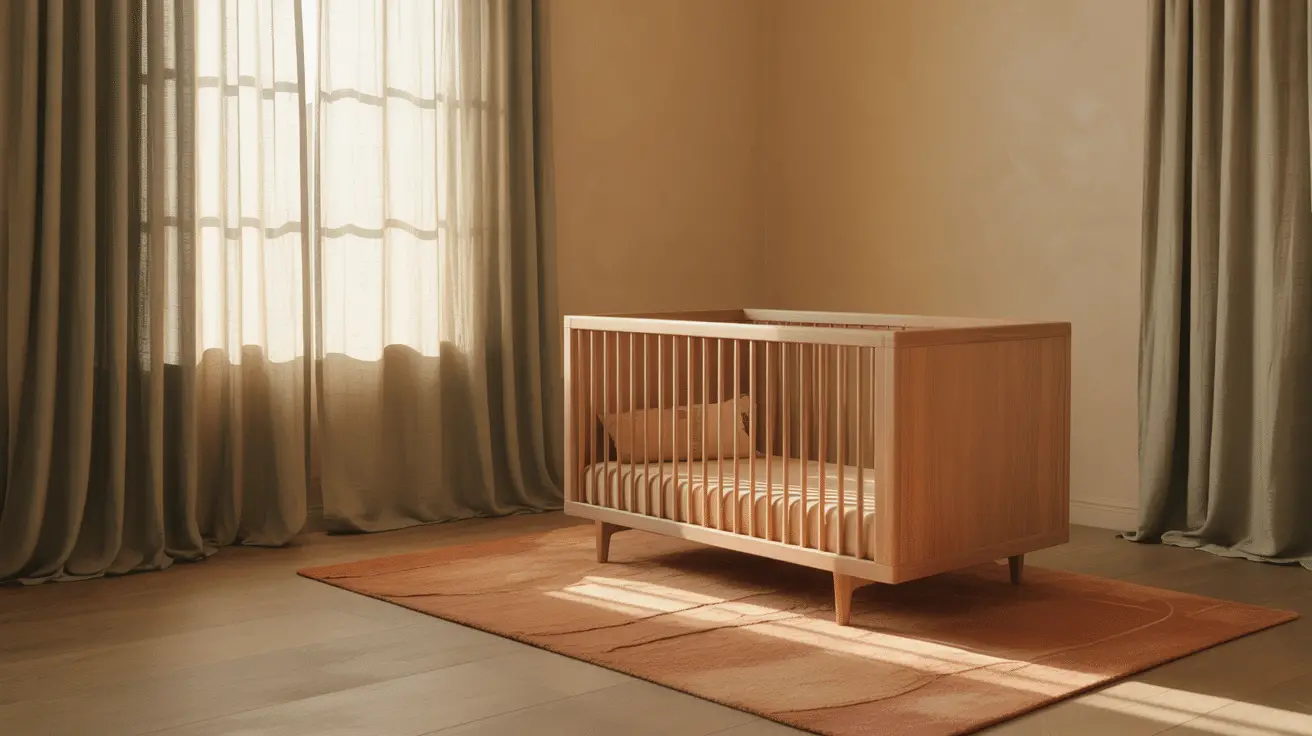
Earth Tone Gender Neutral Nursery Ideas for Calm, Stylish, and Timeless Spaces
Table of Contents
Introduction
Designing a nursery is one of the most exciting parts of preparing for a new arrival. But for many parents today, the goal has shifted from choosing “boy” or “girl” themes to creating a peaceful, gender-neutral space that grows with their child. And one of the most beautiful, versatile ways to achieve that? Earth tones.
Earth-tone nurseries have become a leading trend in modern interior design for good reason. They combine the serenity of nature with timeless style—think warm beiges, soft terracottas, sage greens, and muted browns. These tones create an environment that feels cozy yet sophisticated, making it perfect for both baby and parent. According to design experts, neutral, organic palettes help reduce visual overstimulation and foster calmness—ideal for little ones who need soothing surroundings.
This guide explores earth tone gender neutral nursery ideas for calm spaces, offering practical inspiration for color palettes, furniture, textures, lighting, and decor. Whether your style leans modern minimalist, boho chic, or rustic cozy, these ideas will help you design a nursery that feels naturally peaceful and effortlessly stylish—one that both you and your baby will love spending time in.
Choosing the Perfect Earth Tone Color Palette
The foundation of any nursery design begins with the color palette. Earth tones provide warmth and harmony, creating a soothing backdrop that feels connected to nature.
Start with a neutral base—warm whites, taupe, beige, or light greige—to keep the room open and airy. Then, add depth with earthy accents like clay, olive green, terracotta, or muted mustard. These tones blend seamlessly and adapt easily as your child grows.
For an elevated, timeless look, use three to four complementary shades throughout the space. For example, beige walls paired with sage curtains and rust-toned accents can bring balance and warmth. If you prefer a modern twist, add charcoal gray or black details for contrast without losing the earthy aesthetic.
| Color Category | Examples | Mood Created |
| Neutrals | Cream, beige, taupe | Soft and calming |
| Warm Earths | Terracotta, clay, rust | Cozy and grounding |
| Greens & Browns | Sage, olive, chestnut | Natural and serene |
Using natural materials—wood, jute, linen—helps enhance the warmth of the color scheme, creating a cozy cocoon for your baby.
Furniture That Blends Function and Style
The furniture in an earth tone nursery should be as functional as it is beautiful. Choose pieces that will grow with your child and complement the organic tones of the space.
Start with the crib—it’s the centerpiece of the room. A natural wood or rattan crib pairs perfectly with neutral surroundings, offering warmth and texture. Avoid overly ornate designs; simple, clean lines create a timeless look.
A convertible crib that transforms into a toddler bed ensures longevity. Pair it with a coordinating dresser and a comfortable rocking or glider chair. For storage, use woven baskets or wooden shelves that match your palette.
| Furniture Piece | Material | Benefit |
| Crib | Natural wood, rattan | Durable and warm aesthetic |
| Dresser | Solid oak or pine | Adds structure and longevity |
| Chair | Linen or cotton fabric | Comfortable and breathable |
| Storage | Wicker baskets | Keeps items organized stylishly |
Accent your furniture with minimalist metal details in bronze or matte black for modern appeal. The key is to strike a balance between practicality and design—everything should have a purpose while maintaining visual harmony.
Textures That Create Comfort and Depth
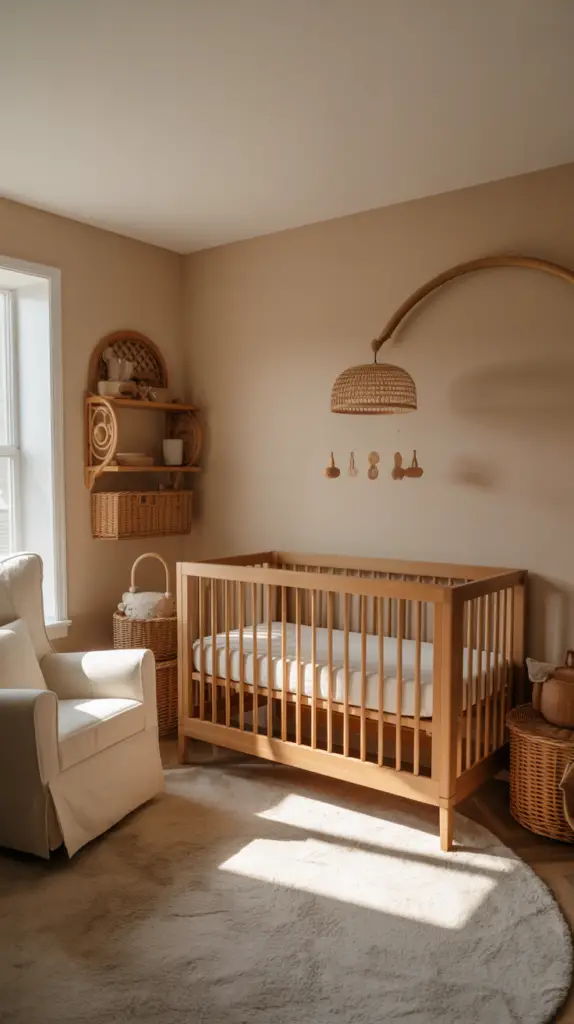
A calm nursery isn’t just about color—it’s about touch and texture. Earth tones shine brightest when paired with layered materials that invite warmth and comfort.
Start from the ground up with a plush area rug or jute weave to anchor the space. Add cozy blankets, linen curtains, and soft pillows to make the room feel inviting. Textures should vary: smooth finishes (like cotton) balance the rougher feel of wood or rattan, creating contrast without chaos.
Layering is key. For example, a knitted throw draped over a linen chair or a sheepskin rug under the crib adds a tactile richness. Mix natural fibers like cotton, wool, and bamboo for breathability and eco-friendliness.
| Material | Placement | Effect |
| Linen | Curtains, bedding | Light and airy feel |
| Wool | Rug or blanket | Warmth and coziness |
| Rattan | Chair or decor | Natural texture |
| Cotton | Pillows or bedding | Soft comfort |
Textures not only add depth but also help your baby’s sensory development by introducing a variety of tactile experiences in a soothing, natural way.
Lighting for a Peaceful and Gentle Glow
Lighting plays a major role in shaping the atmosphere of your nursery. Harsh or overly bright lighting can feel sterile, while warm, layered lighting enhances comfort and tranquility.
Begin with a central overhead fixture that offers soft diffusion—fabric or paper shades work beautifully for this. Then, layer with smaller light sources: a table lamp for reading, a dimmable floor lamp, or even string lights for a touch of whimsy.
Warm white or amber bulbs (between 2700–3000K) are ideal for an earthy, calming glow. Natural light should also be maximized—use light, airy curtains to let sunlight filter softly through.
| Lighting Type | Example | Mood |
| Ambient | Overhead light with diffuser | Gentle overall brightness |
| Task | Table or wall lamp | Focused, cozy light for reading |
| Accent | Fairy or string lights | Adds warmth and charm |
Avoid overly bright LEDs or cool-toned bulbs—they can disrupt your baby’s circadian rhythm and disturb the serene ambiance. Instead, use dimmers to adjust light levels for nighttime feeding or bedtime routines.
Minimalist Decor for a Balanced, Calm Feel
When it comes to decor, less truly is more. A gender-neutral earth tone nursery should feel uncluttered, intentional, and calming.
Choose art and accents that align with your natural theme—think landscape prints, minimalist animal sketches, or abstract patterns in muted colors. Handmade wall hangings or woven tapestries bring character without visual clutter.
Add personality through small details: a wooden mobile above the crib, ceramic planters with greenery, or a soft woven pouf. Keep decor cohesive by repeating similar tones and materials throughout the room.
| Decor Type | Example | Purpose |
| Wall Art | Nature prints, simple frames | Adds character |
| Greenery | Potted plants or faux foliage | Brings life and freshness |
| Handmade Items | Macramé, woven baskets | Adds organic texture |
Remember to leave space for air and movement—crowding the room with too many decorative elements can disrupt the peaceful feel you’re trying to achieve.
Incorporating Nature-Inspired Elements
One of the hallmarks of earth tone nurseries is their connection to nature. Bringing the outdoors inside reinforces the sense of calm and balance that makes these spaces so appealing.
Incorporate natural elements through materials, patterns, and small touches. Wooden furniture, bamboo blinds, and stone-inspired accessories create organic flow. For fabrics, consider leaf or botanical prints in subtle tones—these add visual interest without overwhelming the room.
Live plants, such as snake plants or pothos, introduce greenery that purifies the air and adds vitality. If live plants aren’t practical, dried pampas grass or eucalyptus in vases offer a low-maintenance alternative that fits the theme perfectly.
| Nature Element | Example | Benefit |
| Wood | Crib, shelves, floor | Warmth and grounding |
| Plants | Pothos, dried flowers | Adds life and freshness |
| Natural Patterns | Botanical prints | Softens visual space |
The key is subtlety—nature-inspired doesn’t mean overly themed. Keep it modern and elegant with organic materials and gentle, flowing shapes.
Creating a Space That Grows With Your Child
A well-designed earth tone nursery should be timeless enough to evolve as your baby grows. Instead of committing to overly “babyish” elements, focus on adaptable design choices that remain stylish for years.
Opt for convertible furniture, like cribs that turn into toddler beds or dressers that double as changing tables. Neutral wall colors ensure that as your child’s personality develops, the space can be updated easily with new textiles or art.
| Adaptable Element | Example | Long-Term Benefit |
| Convertible Crib | Crib-to-bed design | Extends usability |
| Neutral Walls | Beige, greige, cream | Easy to refresh decor |
| Modular Storage | Open shelves, baskets | Grows with needs |
Adding personalized decor—like framed art or a name banner—keeps the nursery special while maintaining flexibility. The result is a room that matures gracefully, reflecting both functionality and warmth.
Conclusion
Designing an earth tone gender neutral nursery is all about creating harmony—between colors, textures, and emotions. Earthy shades connect your space to nature, fostering calmness and balance that both you and your baby will appreciate.
From natural materials to thoughtful lighting and minimalist decor, every design element works together to create a nurturing sanctuary. Best of all, this timeless approach ensures your nursery grows beautifully alongside your child, offering lasting comfort and style.
A warm, grounded nursery isn’t just about aesthetics—it’s about building a space that feels like love, calm, and belonging. And that’s the true essence of home.