
Minimalist Bloxburg Dining Room Ideas for Clean, Elegant Interiors
Table of Contents
Introduction
In Bloxburg, where creativity meets architectural expression, designing your dining room goes far beyond picking a table and chairs—it’s about curating an atmosphere. Minimalism has taken over the world of interior design, and for good reason. A clean, clutter-free dining room doesn’t just look stylish; it feels peaceful, purposeful, and effortlessly modern.
The minimalist approach emphasizes balance, simplicity, and intentional design. By focusing on space, light, and function, your Bloxburg dining room can exude elegance without excess. Even in the virtual world, less truly becomes more. Whether you’re building a cozy suburban home, a high-end modern villa, or a Japanese-inspired minimalist mansion, your dining area can become the heart of your build—calm, refined, and timeless.
This guide explores minimalist Bloxburg dining room ideas for clean interiors—from layout and color palette inspiration to lighting, decor, and furniture selection. You’ll learn how to design a space that’s simple yet stunning, where every element feels deliberate. By the end, you’ll have a clear roadmap for transforming your dining area into a minimalist masterpiece that feels both welcoming and artfully composed.
Defining the Minimalist Dining Room Aesthetic
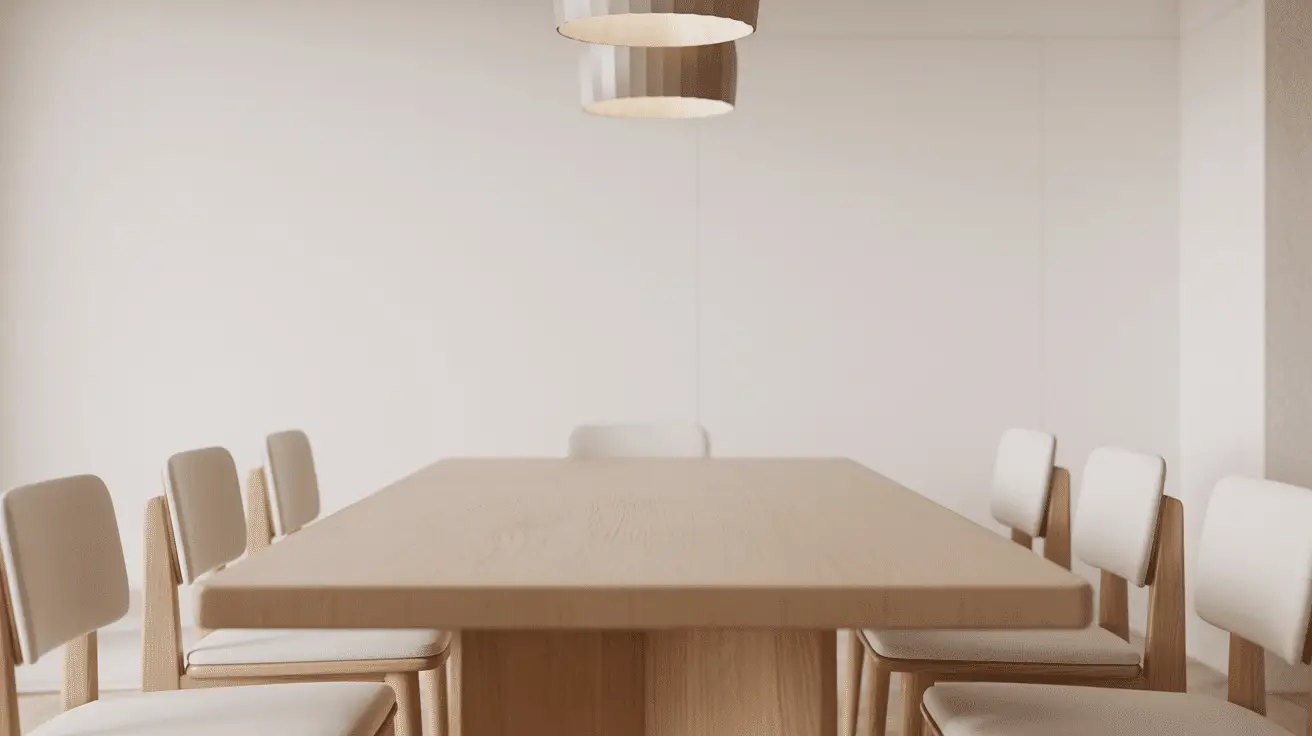
A minimalist dining room is all about clarity and calm. It’s a space that allows every design element to breathe while maintaining warmth and function. In Bloxburg builds, this means focusing on sleek lines, neutral tones, and purposeful furniture placement that avoids visual clutter.
Start by setting a visual anchor—a dining table that reflects your style. Whether it’s a smooth oak slab, a glass rectangle, or a simple matte black surface, the table becomes the centerpiece around which your entire design flows. Then, simplify the space around it. Use storage built-ins, streamlined chairs, and minimal wall decor to keep the area open and airy.
| Key Element | Description | Example in Bloxburg |
| Table | Central design piece | Long wooden or marble dining table |
| Color Palette | Neutral and balanced | White, beige, gray, soft brown |
| Furniture | Simple and purposeful | Armless chairs, clean shapes |
| Lighting | Subtle yet striking | Pendant lamps, hidden LEDs |
Minimalism doesn’t mean sterile or cold—it’s about harmony. You can still express warmth and personality through texture, lighting, and subtle decor that complements rather than competes.
Choosing the Perfect Color Palette for Clean Interiors
Color is the foundation of minimalism. In a Bloxburg dining room, sticking to a consistent palette creates flow and balance throughout your build. Neutral shades like white, beige, and soft gray remain timeless, while deeper tones—like charcoal, taupe, or olive—add sophistication and depth.
The trick is layering tones rather than contrasting them. For example, pairing off-white walls with sandy beige floors and light wooden furniture achieves a soothing, cohesive effect. If you want to add visual interest, introduce a single accent tone—perhaps a muted sage or matte black—through light fixtures or tableware.
| Palette Type | Color Examples | Mood Created |
| Warm Minimalism | Cream, tan, honey oak | Cozy and organic |
| Cool Minimalism | Gray, white, charcoal | Sleek and modern |
| Earthy Modern | Taupe, terracotta, sand | Calm and grounded |
Textures can enhance your color scheme. Linen curtains, stone surfaces, or rattan chairs can add a tactile element that keeps the space from feeling flat. The goal is to evoke calm through visual and material consistency.
Furniture and Layout for Function and Flow
In large Bloxburg builds, spacious dining rooms can easily become overwhelming if not carefully designed. A minimalist approach keeps the flow smooth and intentional, making the room feel open and balanced.
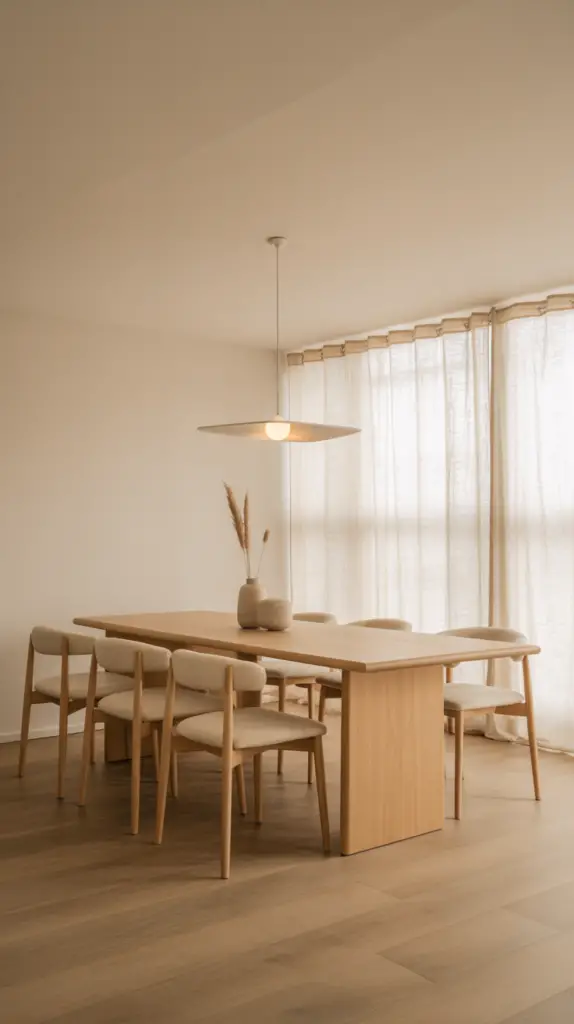
Begin by determining the central focus—the dining table. Rectangular tables are classic choices, but round or oval options can make the space feel softer and more intimate. For large builds, consider proportion: a grand table in the center with equal spacing between chairs ensures visual symmetry.
Next, define the layout. Align the table parallel to architectural lines—like windows, beams, or flooring patterns. This subtle alignment enhances order. Leave plenty of open space around the dining set for comfortable movement and visual breathing room.
| Furniture Type | Design Tip | Ideal Placement |
| Dining Table | Keep proportional to room size | Center of the room |
| Chairs | Limit to simple silhouettes | Even spacing, consistent design |
| Storage | Use built-in or sideboard | Along one main wall |
| Rug | Optional grounding element | Under the table, slightly oversized |
Remember, clutter is the enemy of minimalism. Keep the tabletop clear except for a single vase, centerpiece, or textured placemat arrangement.
Lighting That Elevates Minimalist Elegance
Lighting is one of the most defining features of a minimalist Bloxburg dining room. The right fixtures can transform simplicity into sophistication.
Pendant lights are ideal—they provide a striking visual element while maintaining clean lines. Choose fixtures with geometric shapes, matte finishes, or natural materials like glass, rattan, or metal. Hang them directly above the table to create focus and intimacy.
Soft ambient lighting enhances mood. Layer it with wall sconces, under-shelf LED strips, or a nearby floor lamp to create depth and warmth. The goal is to complement the room’s simplicity, not overpower it.
| Lighting Type | Purpose | Recommended Style |
| Pendant Light | Centerpiece | Linear or dome-shaped, neutral tones |
| Ambient Light | Soft illumination | Warm LED or diffused light panels |
| Accent Light | Depth and texture | Wall sconces or candles |
Natural light also plays a big role in minimalist interiors. Keep windows uncluttered—opt for sheer curtains or none at all to let sunlight flood the space, enhancing every texture and tone.
Textures and Materials that Define Modern Minimalism
Minimalist interiors thrive on subtlety, and texture is the secret ingredient that brings life to simplicity. Without it, your space may feel flat. In Bloxburg, mix materials like wood, stone, linen, and matte finishes to add quiet luxury.
Wood introduces warmth and natural beauty. Light oak tables, walnut cabinets, or bamboo decor can soften a stark white palette. Stone—especially in gray or beige tones—grounds the design with stability. Finally, textiles like linen napkins, wool rugs, or cotton upholstery lend coziness.
| Material | Effect | Ideal Use |
| Wood | Warm and organic | Furniture and wall panels |
| Stone | Sleek and grounding | Flooring or accent walls |
| Linen | Airy and soft | Curtains or tablecloths |
| Metal | Modern edge | Lighting and chair legs |
Balance is crucial—don’t mix too many materials. Stick to two or three primary textures for consistency, and repeat them throughout your build for visual unity.
Subtle Decor for a Balanced, Clean Look
Decor in minimalist spaces should feel intentional, not decorative for decoration’s sake. Every object must serve a purpose—whether it adds warmth, contrast, or personality.
Consider functional decor first: simple ceramic vases, sleek candle holders, or a low-profile centerpiece that complements the table’s form. Avoid cluttered walls—one large abstract painting or a minimalist framed print is more effective than multiple small pieces.
For greenery, choose structured plants like fiddle leaf figs, olive trees, or succulents in neutral pots. They introduce life without disrupting balance.
| Decor Element | Ideal Material | Visual Impact |
| Centerpiece | Ceramic, glass | Adds softness and interest |
| Wall Art | Abstract or line art | Focal point without clutter |
| Greenery | Potted plant | Organic accent |
Ultimately, the best minimalist decor feels effortless. Your space should breathe—empty areas are part of the design, not a flaw.
Creating a Seamless Flow with Connected Spaces
Minimalist design works best when your dining room connects harmoniously with other rooms. In Bloxburg, open-plan layouts allow dining spaces to blend with kitchens and living areas, creating a sense of spacious continuity.
Use consistent flooring and color palettes across connected spaces. This visual flow makes your home feel larger and more cohesive. For instance, matching wood tones or repeating an accent color—like black light fixtures or beige seating—creates subtle unity.
Furniture placement should promote movement and sightlines. Keep pathways clear between the kitchen and dining area. Avoid large furniture blocking the view; instead, use low-profile storage or benches to maintain openness.
| Connection Type | Design Tip | Benefit |
| Open Layout | Shared color palette | Cohesive design |
| Visual Flow | Aligned materials | Spacious, clean feel |
| Functional Access | Clear pathways | Smooth navigation |
A minimalist dining room doesn’t exist in isolation—it complements the entire home’s mood and rhythm.
Conclusion
A minimalist Bloxburg dining room represents more than a design choice—it’s a philosophy of intentional simplicity. It’s about curating beauty through restraint and creating calm through balance.
By focusing on clean lines, harmonious colors, thoughtful lighting, and layered textures, you can build a dining space that radiates timeless elegance. Every element—table, chair, or decor—should serve a purpose, contributing to the room’s sense of clarity and warmth.
In the end, minimalism isn’t about removing—it’s about refining. And in Bloxburg, that’s what turns a dining room into a work of art: a place that feels serene, purposeful, and beautifully alive.