
Elegant Winter Color Palette for Minimalist Spaces: Serene Design Ideas for Modern Homes
Table of Contents
Introduction
Winter brings with it a natural sense of stillness and sophistication—a time when interiors shift from vibrant summer hues to calmer, more refined tones. For lovers of minimalist design, this season offers the perfect opportunity to embrace subtle color palettes that balance tranquility and warmth. The right combination of winter shades can turn a simple room into an elegant sanctuary, blending cozy textures with clean, modern lines.
Color is a powerful design tool. It can change how we perceive space, influence mood, and set the tone for a room’s overall atmosphere. In minimalist spaces—where every element is intentional—choosing the perfect winter color palette becomes even more important. From serene whites and soft grays to earthy browns and muted blues, winter colors can create interiors that feel both sophisticated and soothing.
In this guide, we’ll explore an elegant winter color palette for minimalist spaces, uncovering how each hue works in harmony to create visual calm. You’ll learn how to layer neutrals, incorporate subtle contrasts, and add warmth through natural materials and lighting. Whether you’re designing a living room, bedroom, or workspace, these ideas will help you craft a winter-inspired minimalist haven that feels timeless and effortlessly elegant.
The Essence of Winter Minimalism
Minimalism in winter design is all about balance—between cool simplicity and comforting warmth. It’s not about stripping your space bare, but about choosing quality over quantity and letting every detail contribute to the whole.
A winter minimalist aesthetic draws from the serenity of the season itself. Think snow-dusted landscapes, foggy mornings, and candlelit evenings. These visuals translate beautifully into interiors through muted colors, soft textures, and refined materials.
The color palette typically centers around light neutrals—off-whites, taupes, and soft grays—but depth is introduced through darker accent tones like charcoal, mocha, or navy. Layering these tones creates visual interest without cluttering the space.
| Key Element | Minimalist Winter Interpretation | Example |
| Base Color | Light neutrals (white, beige) | Snowy white walls |
| Accent Color | Deep, muted tones | Charcoal or olive green |
| Texture | Natural materials | Wool, linen, or wood |
| Lighting | Warm and diffused | Soft lamps or candles |
This style thrives on intention. Each item, color, and line should have a purpose—whether that’s visual calm or tactile comfort. The result? A space that feels pure yet inviting, echoing the peaceful stillness of a winter morning.
Soft Neutrals as the Foundation
In minimalist interiors, neutrals form the backbone of design. During winter, these tones become especially powerful because they mirror the muted landscapes outside while providing a warm and calming interior atmosphere.
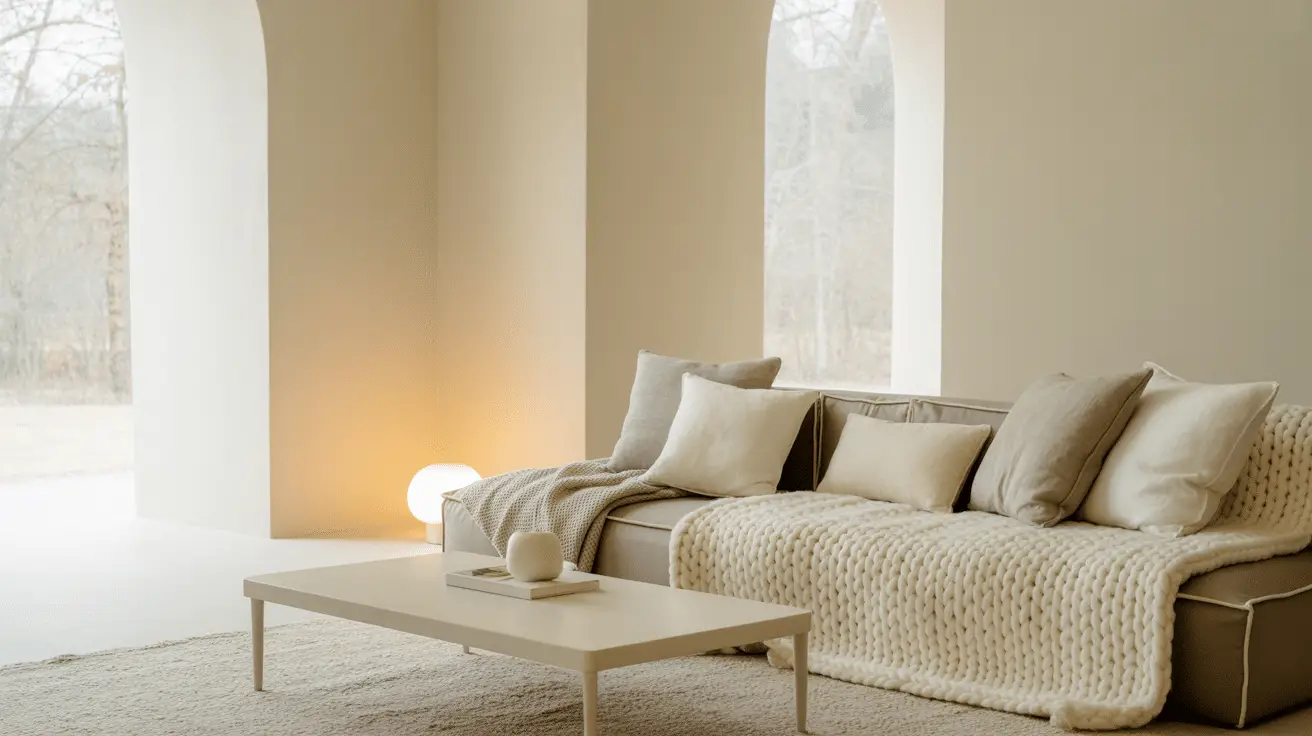
Whites and off-whites reflect natural light, making smaller spaces appear larger and airier even on short winter days. Beige, cream, and light gray can soften the visual impact of stark white, adding subtle warmth. These shades work beautifully as wall colors, upholstery, or area rugs.
To prevent an all-neutral space from feeling cold or lifeless, layer different tones within the same color family. For instance, pair ivory walls with oatmeal textiles, or combine pale gray furniture with stone-colored drapes. This tonal variation adds depth while maintaining harmony.
| Neutral Tone | Undertone | Best Use |
| Ivory White | Warm | Walls, bedding |
| Greige (Gray + Beige) | Balanced | Sofas, rugs |
| Pale Taupe | Soft | Curtains, throw blankets |
| Light Stone | Cool | Flooring, accent walls |
The beauty of neutrals lies in their versatility. They create a serene base that allows accent materials—like wood, glass, or linen—to shine naturally.
Introducing Depth with Earthy Tones
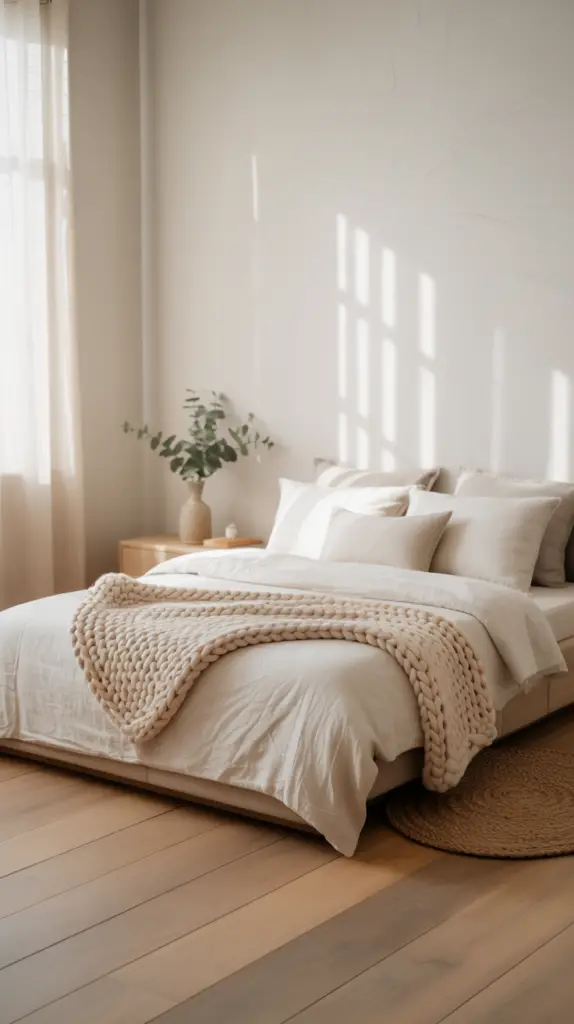
Minimalist winter spaces can sometimes feel too pale or sterile. That’s where earthy tones step in, grounding the room and bringing warmth to cooler neutrals.
Earthy shades—such as mocha, terracotta, olive, or sand—connect the indoors with nature, creating a sense of calm and stability. These colors pair beautifully with beige and white, offering gentle contrast while maintaining an understated look.
For example, a deep brown accent chair against a cream wall or a terracotta vase on a marble countertop adds sophistication without overpowering the minimalist vibe. Natural materials like wood and clay complement these hues effortlessly.
| Earthy Shade | Effect | Application |
| Mocha Brown | Adds depth | Furniture, flooring |
| Olive Green | Natural balance | Textiles, cushions |
| Terracotta | Warmth and contrast | Decor accents |
| Sand Beige | Soft transition | Walls, ceramics |
The key is moderation. Use earthy tones sparingly, allowing them to highlight rather than dominate the space. These hues act as visual anchors, grounding lighter colors and making the room feel layered and cozy.
Incorporating Cool Winter Shades
While earthy hues bring warmth, cool winter shades create harmony and sophistication. Shades like slate gray, muted navy, and frost blue can add contrast and calm to minimalist interiors without breaking the serenity.
Cool colors are ideal for accent walls, textiles, or artwork. They evoke the essence of winter landscapes—icy skies, misty mornings, and peaceful snowfall. Paired with neutrals, they add elegance while maintaining minimal visual noise.
A soft blue-gray throw blanket on a beige sofa or a charcoal vase on a white shelf can subtly elevate the aesthetic. You don’t need bold statements; it’s about thoughtful placement and balance.
| Cool Shade | Mood | Placement |
| Frost Blue | Tranquil | Textiles, accent walls |
| Slate Gray | Modern | Furniture, flooring |
| Muted Navy | Sophisticated | Artwork, decor |
| Cool White | Clean | Ceilings, bedding |
These colors introduce freshness, breaking up the monotony of warm neutrals. They work especially well in minimalist spaces because of their understated, calming quality.
Texture and Contrast for Warm Minimalism
Texture is the heart of minimalism, especially in winter when warmth is key. Without it, even the best color palette can feel flat. Layering textures introduces depth, tactility, and subtle contrast while maintaining a clean aesthetic.
Start by combining natural materials: soft wool throws, linen cushions, and jute rugs add organic warmth. Balance smooth surfaces—like marble or glass—with textured ones such as rough ceramics or woven fabrics. This interplay between tactile elements creates richness without clutter.
Color and texture should complement one another. For instance, pair cool tones with smooth, reflective materials for a sleek look, or combine warm earthy colors with matte, organic textures for coziness.
| Texture Type | Material | Visual Impact |
| Soft Textiles | Wool, linen | Adds warmth |
| Natural Surfaces | Wood, clay | Brings grounding feel |
| Smooth Finishes | Marble, glass | Adds sophistication |
| Woven Details | Jute, cotton | Enhances comfort |
Lighting further enhances texture by casting gentle shadows. Position lamps to highlight textured walls or surfaces, adding depth and visual interest.
Layering Light and Shadow
Light is a crucial component of minimalist winter design. With shorter daylight hours, the way you use light defines the atmosphere of your space. The goal is soft illumination that enhances warmth and texture rather than harsh brightness.
Use layered lighting: combine ambient, task, and accent lights to create flexibility and mood. Warm LED lights mimic natural daylight while keeping energy use low.
Natural light should be maximized during the day—keep window treatments light and airy. In the evening, diffuse lamps or candlelight can add intimacy.
| Lighting Layer | Purpose | Example |
| Ambient | General illumination | Ceiling lights, soft LEDs |
| Task | Focused use | Desk or reading lamp |
| Accent | Highlight design | Wall sconces, candles |
The interplay between light and shadow emphasizes your minimalist design, making textures pop and tones feel richer. Instead of overpowering the decor, lighting should complement it—quietly setting the stage for an elegant winter atmosphere.
Accents That Elevate Minimalist Winter Design
Minimalist spaces thrive on subtlety, so accents should be deliberate and refined. Instead of bright pops of color, opt for muted metallics or organic details.
Brushed gold, copper, or matte black accents add quiet luxury when used sparingly—like hardware, light fixtures, or decor frames. Natural elements, such as dried branches, pinecones, or ceramic vases, bring a hint of the outdoors in, maintaining the seasonal theme.
| Accent Type | Material | Effect |
| Metallic | Gold, black, copper | Adds sophistication |
| Organic | Dried botanicals, wood | Enhances warmth |
| Minimal Decor | Ceramic or stone | Creates balance |
Accents in minimalist spaces should feel effortless. Choose pieces with clean lines, subtle tones, and textures that harmonize with the existing palette. When done right, even the simplest vase or sculpture becomes a statement piece.
Conclusion
Designing an elegant winter color palette for minimalist spaces is about more than color—it’s about emotion, harmony, and purpose. By focusing on soft neutrals, earthy depth, and cool seasonal tones, you create a space that feels balanced and timeless. Layering textures, natural materials, and gentle lighting enhances the sense of warmth while preserving simplicity.
Winter minimalism isn’t stark—it’s serene. It invites calm and contemplation, turning your home into a sanctuary where elegance meets comfort. The key lies in restraint: allowing each element, from the color on the wall to the flicker of a candle, to contribute to the quiet beauty of the whole.
When done thoughtfully, these winter-inspired palettes prove that simplicity can be the most luxurious form of sophistication.