
5 Creative Old Money Living Room Designs for a Polished, Timeless Look
Table of Contents
Introduction
The phrase “old money aesthetic” has recently taken the world of interior design by storm, yet its roots run deep in history. This refined look—characterized by understated luxury, timeless materials, and classical details—embodies a sense of sophistication that feels inherited rather than newly acquired. Unlike fleeting trends, old money living room designs rely on longevity, craftsmanship, and authenticity.
In an era of minimalism and mass production, the old money aesthetic offers a refreshing return to intentional living. It prioritizes elegance over extravagance and subtlety over showiness. The charm lies in the details: antique furniture with stories to tell, heirloom-quality fabrics, curated art collections, and lighting that glows softly rather than shines too bright.
In this article, we’ll explore five creative old money living room designs for a polished look, blending traditional grandeur with modern livability. You’ll learn how to layer textures, choose the right furniture, select color palettes that radiate quiet luxury, and introduce heritage-inspired accents without overdoing it. Whether you live in a city apartment or a countryside estate, these ideas will help you create a living room that whispers sophistication and feels effortlessly timeless.
Classic Heritage Charm with a Modern Twist
The foundation of an old money living room often starts with classic design principles—but that doesn’t mean it should feel outdated. The key lies in combining traditional elements with modern sensibility.
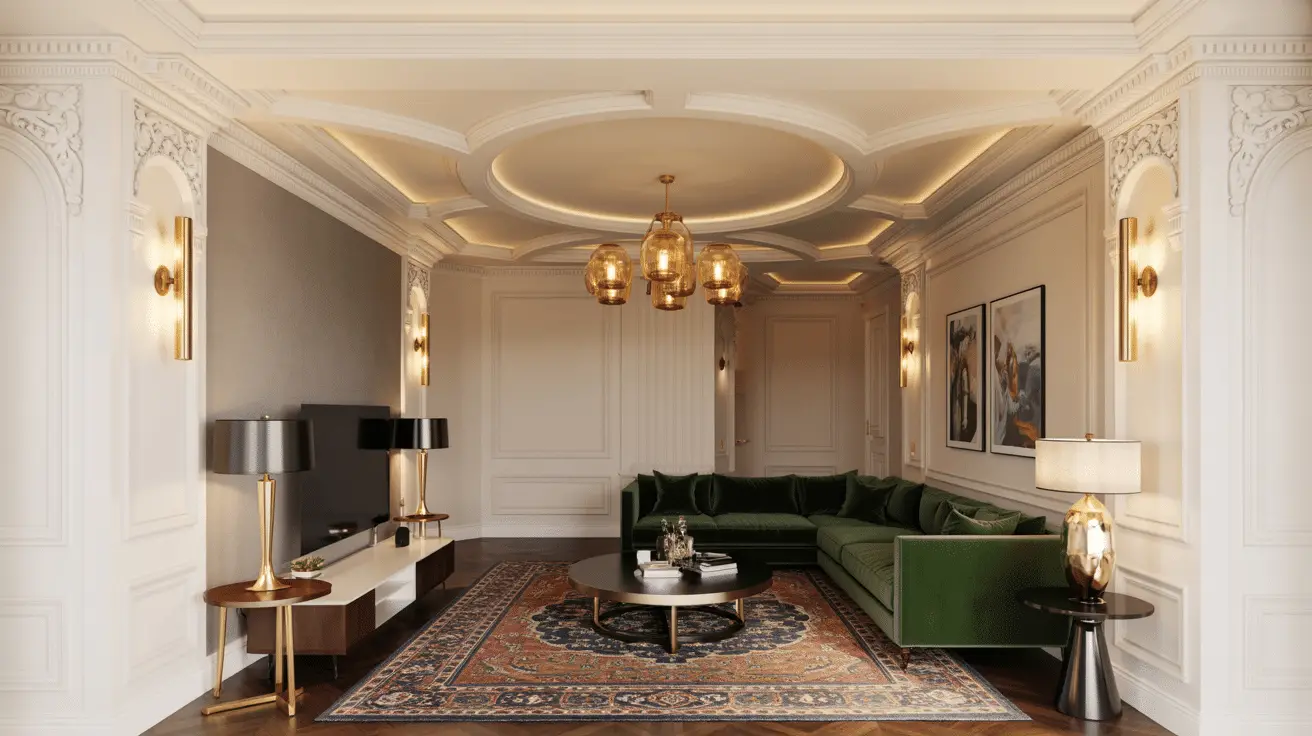
Begin with architectural details that signal heritage—wainscoting, crown molding, coffered ceilings, or marble fireplaces. These features instantly elevate the space, adding historical depth. To keep it feeling fresh, balance these ornate details with contemporary furniture silhouettes. For instance, pair an antique Persian rug with a sleek velvet sofa or set a modern glass coffee table atop a classic parquet floor.
| Element | Traditional Component | Modern Balance |
| Flooring | Herringbone hardwood | Neutral wool rug |
| Furniture | Tufted Chesterfield sofa | Clean-lined armchairs |
| Lighting | Brass sconces | Sculptural modern floor lamp |
Use a color palette of rich neutrals—cream, olive, and navy accented by mahogany or walnut. The goal is not to recreate an old manor, but to reinterpret its essence with modern ease. Add personal touches through framed art, leather-bound books, or a vintage bar cart for a touch of cosmopolitan refinement.
Layered Textures and Luxurious Materials
The “old money” aesthetic thrives on tactile richness. It’s less about bold colors and more about how different materials interact—linen against leather, silk beside velvet, polished wood next to cool marble.
Begin by selecting a few key textures that harmonize. Velvet sofas add instant opulence, while wool rugs and linen drapes introduce softness. Leather accents—especially in deep cognac or chestnut tones—bring warmth and durability. For a balanced look, avoid overmatching textures; instead, aim for contrast and layering.
| Material | Function | Effect |
| Velvet | Upholstery, pillows | Plush, elegant |
| Linen | Curtains, cushions | Airy and organic |
| Leather | Armchairs, ottomans | Timeless, masculine |
| Wood | Tables, trim | Structural warmth |
For a sophisticated yet cozy result, keep metallic finishes subtle—aged brass or antique gold rather than shiny chrome. A mix of matte and gloss finishes enhances the sense of age and refinement. The interplay of these materials evokes the feeling of a space built up over generations rather than styled overnight.
Refined Color Palettes for Subtle Sophistication
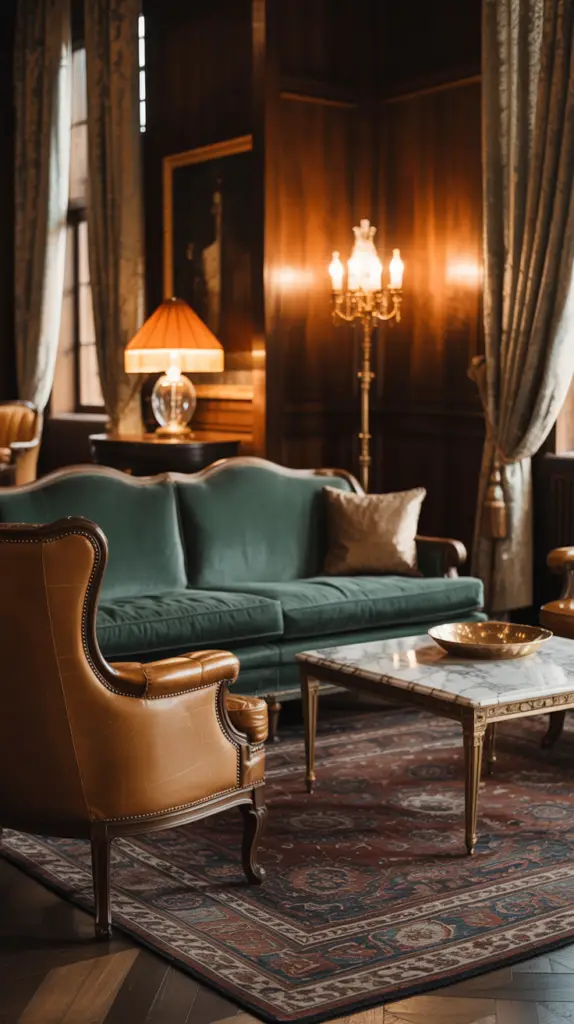
Old money design avoids loud or flashy colors. Instead, it embraces nuanced palettes inspired by natural and historical influences. Think of deep greens reminiscent of English gardens, warm taupes that mimic aged plaster, and muted blues echoing antique porcelain.
The secret is to layer these tones thoughtfully. Use darker shades on larger surfaces like walls or rugs to create depth, and lighter tones on furniture or fabrics to keep the room from feeling heavy.
| Palette Name | Key Colors | Mood Created |
| Aristocratic Neutrals | Cream, beige, taupe | Understated luxury |
| Estate Green | Olive, moss, ivory | Calm and grounded |
| Regal Blue | Navy, slate, pale gray | Classic and composed |
| Warm Heritage | Terracotta, chestnut, sand | Inviting and rich |
To elevate the palette, include small accents in metallic or jewel tones—perhaps a gold picture frame or a sapphire velvet cushion. These details subtly nod to affluence without overwhelming the room. Wall paint finishes should lean toward matte or eggshell for a soft, timeless effect.
Curated Antiques and Statement Art
True old money style is not about filling a room with expensive items—it’s about curation. Each piece tells a story. Incorporate antiques and artwork thoughtfully to create a sense of continuity and character.
Start with one or two statement pieces, such as an heirloom armoire, a vintage oil painting, or an antique console table. Pair these with simpler contemporary items to prevent the space from feeling cluttered or museum-like.
| Decor Type | Example | Impact |
| Furniture | Vintage sideboard | Adds craftsmanship and age |
| Art | Classical oil portrait | Creates focal point |
| Accessories | Brass candlesticks, books | Infuses warmth and culture |
Frame your art in traditional styles—gilt, mahogany, or black lacquer frames—and display them in clusters for a collected look. If you don’t own true antiques, visit estate sales or vintage markets for unique finds. Even a slightly worn piece adds authenticity that new furniture cannot replicate.
Statement Lighting for Character and Warmth
Lighting is a hallmark of old money interiors—it’s designed to flatter, not dominate. A well-lit room glows softly, evoking warmth and intimacy rather than stark brightness.
The key is to layer multiple light sources: chandeliers, sconces, table lamps, and floor lamps. Choose designs that blend ornate craftsmanship with subtle elegance. A brass chandelier with pleated shades or a crystal fixture with a patina finish can be a beautiful centerpiece.
| Lighting Type | Ideal Placement | Style Tip |
| Chandelier | Center of room | Classic focal point |
| Table Lamp | Beside sofa or console | Creates intimate corners |
| Wall Sconce | Near artwork or mirror | Adds depth and shadow |
Use warm, low-wattage bulbs for a golden glow that complements the muted palette. Avoid recessed lighting where possible—it feels too modern and clinical. Instead, opt for lamp lighting that casts soft pools of light, enhancing the textures and finishes throughout the room.
Rich Fabrics and Layered Drapery
Fabrics bring softness, color, and movement into a space. In an old money living room, they also convey luxury and craftsmanship. From tailored drapery to embroidered cushions, textiles are an opportunity to express personality within tradition.
Start with your window treatments—opt for heavy drapes in linen or velvet, often layered over sheer curtains for dimension. Drapery that grazes the floor looks more refined than shorter lengths. On furniture, use high-quality upholstery fabrics like herringbone, jacquard, or damask for depth and visual texture.
| Fabric Type | Best Use | Effect |
| Velvet | Sofas, curtains | Opulent and soft |
| Linen | Throws, cushions | Airy and timeless |
| Wool | Rugs, upholstery | Warm and structured |
| Silk | Accents, pillows | Luxurious and luminous |
Even in smaller spaces, layering fabrics helps create warmth. Try mixing patterns subtly—like pairing a floral cushion with a plaid throw in complementary tones. The key is restraint: think harmony, not competition.
Finishing Touches: Accessories That Tell a Story
Accessories in old money living rooms are purposeful, not decorative filler. Each piece should reflect a sense of history, travel, or personal passion.
Arrange coffee table books on art, culture, or architecture in neat stacks. Display a small crystal decanter set or porcelain figurines on shelves. Add fresh greenery—like hydrangeas or olive branches—for a lived-in elegance.
| Accessory Type | Example | Purpose |
| Books | Vintage hardcovers | Adds intellect and warmth |
| Decor | Crystal or porcelain | Reflects refinement |
| Greenery | Fresh flowers, potted plant | Adds vibrancy |
Maintain balance—too many trinkets can break the calm. Instead, curate small vignettes that look effortlessly styled, such as a brass tray with candles and matches, or a bowl of collected seashells. These finishing touches make the room uniquely yours while keeping the overall look cohesive and timeless.
Conclusion
Creating an old money living room is about evoking refinement without ostentation. It’s a study in quiet confidence—where every detail, from the choice of color to the craftsmanship of furniture, contributes to an atmosphere of enduring sophistication.
By layering textures, investing in quality materials, curating meaningful decor, and embracing subtle lighting, you can design a space that feels as though it has evolved gracefully over decades. The result is a polished living room that not only reflects classic taste but also tells a story of elegance, comfort, and timeless charm.