
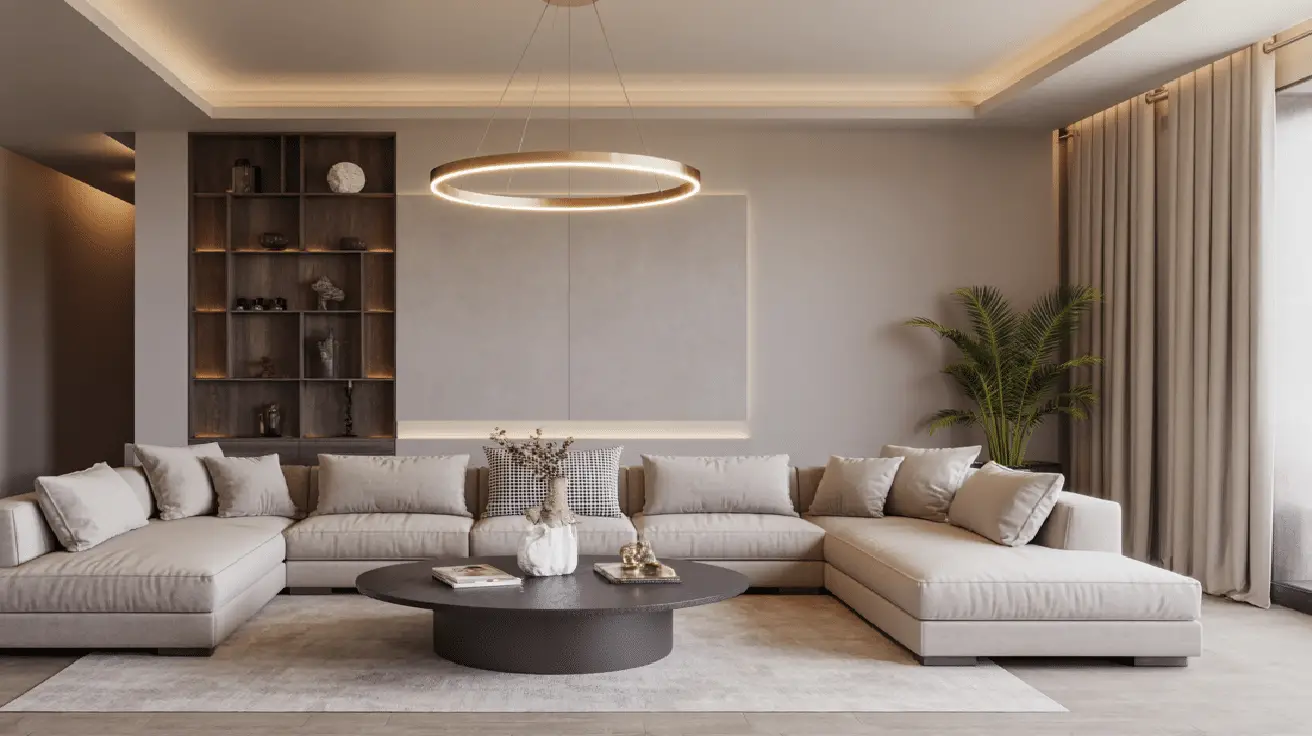
Comfortable Living Room Seating Layouts for Gatherings: Smart, Stylish Arrangements for Hosting with Ease
Table of Contents
Introduction
The living room often becomes the heart of every gathering—whether it’s a lively game night, a family celebration, or a casual evening with friends. Despite this, many people struggle to design a seating layout that truly supports comfort, conversation, and flow. Recent home design surveys show that nearly 60% of homeowners feel their living room layout doesn’t maximize seating or accommodate groups well. This highlights how essential it is to create layouts intentionally, rather than relying on default furniture placement.
Comfortable living room seating layouts for gatherings require a balance of style and functionality. It’s not just about having enough seats—it’s about the right arrangement, spacing, angles, and combinations that encourage interaction while maintaining visual harmony. Whether your living room is spacious and open or compact and cozy, thoughtful planning can transform it into a welcoming environment for guests.
This guide explores a curated selection of seating strategies designed to elevate your hosting experience. You’ll learn how to use sectional arrangements, circular layouts, conversational clusters, multifunctional seating, and more. Each section is packed with practical tips, visual tables . The goal is simple: to help you create a living room where gatherings feel effortless, comfortable, and beautifully arranged.
The Power of the Sectional: Maximizing Comfort and Seating Capacity
Sectional sofas are one of the most effective seating solutions for gatherings because they maximize comfort and accommodate multiple people without sacrificing style. Their wraparound shape creates an inviting environment that naturally pulls guests toward conversation. Sectionals come in a variety of configurations—L-shaped, U-shaped, curved, and modular—making them adaptable to almost any living room size.
L-shaped sectionals help define a seating zone in open-concept spaces, offering plenty of seating while keeping the layout open. U-shaped sectionals, on the other hand, offer a “hug-like” arrangement that pulls everyone inward, fostering intimacy during gatherings. Modular sectionals are especially helpful for hosts who enjoy rearranging furniture; they allow you to reconfigure pieces based on the type of event.
Comfort is key here. Deep seats, soft cushions, and performance fabrics provide durability and relaxation for long gatherings. Sectionals also pair beautifully with flexible companion pieces like ottomans and accent chairs, allowing you to expand seating when needed.
Sectional Layout Comparison
| Sectional Style | Best For | Seating Benefit |
| L-Shaped | Medium–large rooms | Balanced, open seating |
| U-Shaped | Large rooms | Maximum seating + intimacy |
| Modular | Any room | Adjustable layouts |
| Curved Sectional | Conversation-focused rooms | Smooth visual flow |
A well-positioned sectional becomes the anchor of comfortable living room seating layouts for gatherings.
Creating Circular Seating Arrangements for Better Conversation
Circular seating layouts are ideal when your goal is to promote conversation, interaction, and inclusivity. Unlike linear seating that forces guests to turn or lean awkwardly, circular arrangements allow effortless eye contact and natural dialogue. This setup works beautifully for intimate gatherings, game nights, or living rooms where hosting is a frequent activity.
You can create circular layouts using a combination of sofas, armchairs, swivel chairs, and ottomans. A round or oval coffee table enhances this shape, tying the layout together visually. This arrangement also improves the flow of movement because guests can enter or exit the circle from multiple angles.
Spacing is important. Chairs should be close enough to maintain connection but far enough to avoid feeling cramped. Textures and varied seating types add dynamism while keeping comfort front and center.
Circular Layout Breakdown
| Seating Piece | Placement | Purpose |
| Sofa | Base of the circle | Anchors arrangement |
| Swivel Chairs | Side areas | Flexible conversation angles |
| Ottomans | Fill gaps | Added comfort + movable seating |
| Round Coffee Table | Center | Enhances cohesion |
Circular seating layouts create a warm, inviting zone ideal for meaningful connections.

Sofa and Accent Chair Combinations for Balanced Seating
Pairing sofas with accent chairs offers versatile seating arrangements that work well in both small and large living rooms. This layout provides balance and flexibility—ideal for gatherings that involve a mix of activities, ages, and needs. Sofas serve as the primary seating, while accent chairs introduce additional style and maneuverability.
Place accent chairs at angles toward the sofa to encourage conversation. This setup naturally creates a semi-circle or U-shaped formation without requiring a full sectional. Swivel chairs are especially valuable because they allow guests to shift between conversation zones effortlessly. Oversized chairs offer comfort for lounging, while more structured chairs support upright seating for chats or wine nights.
This arrangement is ideal for living rooms with focal features like a fireplace or TV. You can frame the room by positioning the sofa across from the feature and arranging chairs on either side, creating a harmonious and welcoming space.
Sofa + Chair Layout Guide
| Seating Component | Best Use | Benefit |
| Main Sofa | Anchor the room | Comfort + capacity |
| Swivel Chairs | Flexibility | Transitional seating |
| Lounge Chairs | Relaxed gatherings | Deep comfort |
| Side Tables | Beside chairs | Practical surfaces |
This combination strikes a beautiful balance between style, comfort, and flow.
Smart Furniture Placement for Hosting Larger Groups
Hosting larger groups requires thoughtful planning to ensure your seating layout remains comfortable while maximizing capacity. Start by identifying the room’s focal point—whether it’s a fireplace, large window, or TV—and arrange seating in a way that maintains clear visibility without creating bottlenecks in traffic flow.
Floating furniture can be incredibly effective in larger gatherings. Pull sofas and chairs slightly away from the walls to create natural conversation zones and make the room feel more dynamic. Add ottomans or poufs that can easily be moved as needed—this gives you flexible seating without committing to permanent arrangements.
Zoned seating also becomes important. In bigger living rooms, creating two separate conversation areas allows guests to mingle in smaller groups. Use area rugs to visually define each zone and keep the room from feeling scattered.
Large Group Layout Table
| Strategy | Description | Ideal For |
| Floating Furniture | Seats pulled from walls | Open flow |
| Zoned Seating | Two conversation clusters | Large rooms |
| Movable Ottomans | Add-on seating | Parties or mixed-age groups |
| Clear Pathways | Maintain 3–4 ft walk space | Smooth movement |
Smart placement ensures gatherings feel effortless, even with many guests.
Designing Intimate Gathering Spaces in Small Living Rooms
Small living rooms can be just as inviting and functional for gatherings when designed thoughtfully. The key is working with furniture that maximizes function while minimizing bulk. Armless chairs, loveseats, and compact sectionals are excellent options because they offer ample seating without overwhelming the room.
One effective approach is to use a loveseat as the anchor piece and pair it with one or two slim armchairs. A round coffee table softens the layout and improves circulation. Consider using nesting side tables that can expand when needed but remain compact day-to-day. Wall-mounted shelves and lighting prevent clutter and free up valuable floor space.
Opt for pieces with visible legs or open frames to make the room feel larger. Furniture with storage—like ottomans, benches, or multifunctional stools—keeps essentials tucked away and helps maintain a clean, welcoming environment.
Small Living Room Layout Guide
| Furniture Type | Best Feature | Benefit |
| Loveseat | Compact yet cozy | Space-saving comfort |
| Slim Chairs | Narrow profiles | Fits tight areas |
| Round Tables | Soft edges | Improves flow |
| Storage Ottomans | Hidden storage | Reduces clutter |
A well-planned layout makes even the smallest living rooms perfect for hosting.
Adding Multifunctional Seating for Flexible Gatherings
Multifunctional seating elevates comfort and flexibility, allowing you to adapt the living room layout based on the type of gathering. Benches, poufs, floor cushions, and nesting stools are excellent additions because they can be arranged quickly and stored compactly when not needed.
A storage bench along a wall provides extra seating and a place to store blankets or entertainment items. Poufs can be pulled into the center during game nights or placed beside chairs for leg rests. Floor cushions create a laid-back, cozy vibe that appeals to kids and casual guests.
Modular seating systems are another powerful solution for dynamic living rooms. These pieces can be rearranged into different shapes depending on the size and mood of the gathering. The key is investing in elements that support versatility without sacrificing style.
Multifunctional Seating Table
| Seating Type | Use Case | Benefit |
| Bench Seating | Extra guests | Space-efficient |
| Poufs | Casual hangouts | Lightweight + flexible |
| Floor Cushions | Relaxed gatherings | Cozy atmosphere |
| Modular Sets | Reconfigurable layouts | Ultimate flexibility |
These additions ensure you’re always prepared, no matter how many people you’re hosting.
Balancing Comfort and Style with Layered Seating
Layered seating creates dimension and comfort by mixing different types of chairs and sofas. This design technique works beautifully for gatherings because it offers varied seating experiences—some loungy, some upright, some flexible—all within one cohesive layout.
Start with your main seating anchors: a sofa, sectional, or loveseat. Add secondary seating like accent chairs, swivels, or chaise lounges to deepen visual interest. Then incorporate tertiary seating—poufs, stools, or ottomans—that guests can pull into the conversation zone as needed.
The key is balance. Vary seat heights to create harmonious stacking of silhouettes, and blend soft and structured pieces for visual rhythm. Layering also means paying attention to textures: a leather chair next to a plush fabric sofa, or a woven pouf beside a velvet ottoman, creates tactile appeal.
Layered Seating Table
| Layer Type | Example | Benefit |
| Anchor Seating | Sofa/sectional | Main comfort zone |
| Secondary Seating | Accent chairs | Added style + structure |
| Tertiary Seating | Poufs/ottomans | Flexible, movable seats |
| Surfaces | Coffee tables | Function + cohesion |
Layering ensures every guest finds a comfortable place to sit.
Conclusion
Comfortable living room seating layouts for gatherings require thoughtful planning, balanced furniture selection, and an understanding of how people naturally interact within a space. Whether you rely on sectionals for maximum comfort, circular arrangements for engaging conversations, sofa-and-chair combinations for balance, or multifunctional pieces for adaptability, each choice influences the flow and feel of your living room.
By blending style with function, and structure with comfort, you create a space where guests feel welcomed, relaxed, and connected. A well-designed seating layout becomes the backdrop for unforgettable gatherings—whether small, intimate evenings or lively celebrations. With the right layout, your living room transforms into a warm, inviting environment built for conversation, comfort, and shared moments.