
Easy DIY Couch Cover Ideas for Home Decor Lovers: Simple, Stylish, and Budget-Friendly Solutions
Table of Contents
Introduction
Couches experience some of the heaviest wear in any home—spills, pet hair, daily lounging, and shifting décor trends can make them look tired long before their structure wears out. Yet according to recent home renovation surveys, more than half of homeowners say they prefer refreshing their furniture rather than replacing it. This shift toward creative, budget-conscious design has sparked a surge of interest in DIY couch cover ideas that offer both style and practicality.
This topic matters because couch covers can dramatically transform the look and feel of a living room without requiring expensive new furniture. For home decor lovers who enjoy hands-on projects, DIY couch covers present an opportunity to explore fabrics, textures, colors, and custom fits that store-bought options often cannot match. From no-sew solutions to tailored slipcovers, these ideas allow for personal expression while protecting furniture and extending its lifespan.
In this article, you’ll explore easy DIY couch cover ideas designed to suit every style and skill level. You’ll learn how to use affordable materials, apply creative sewing or no-sew techniques, incorporate layered textiles, craft custom patterns, and choose durable fabrics. Each section includes detailed insights, visual breakdowns, examples. Whether you’re updating a well-loved sofa or experimenting with decor trends, these DIY ideas will help you create a fresh, polished look with ease.
No-Sew DIY Couch Covers for Fast and Stylish Makeovers
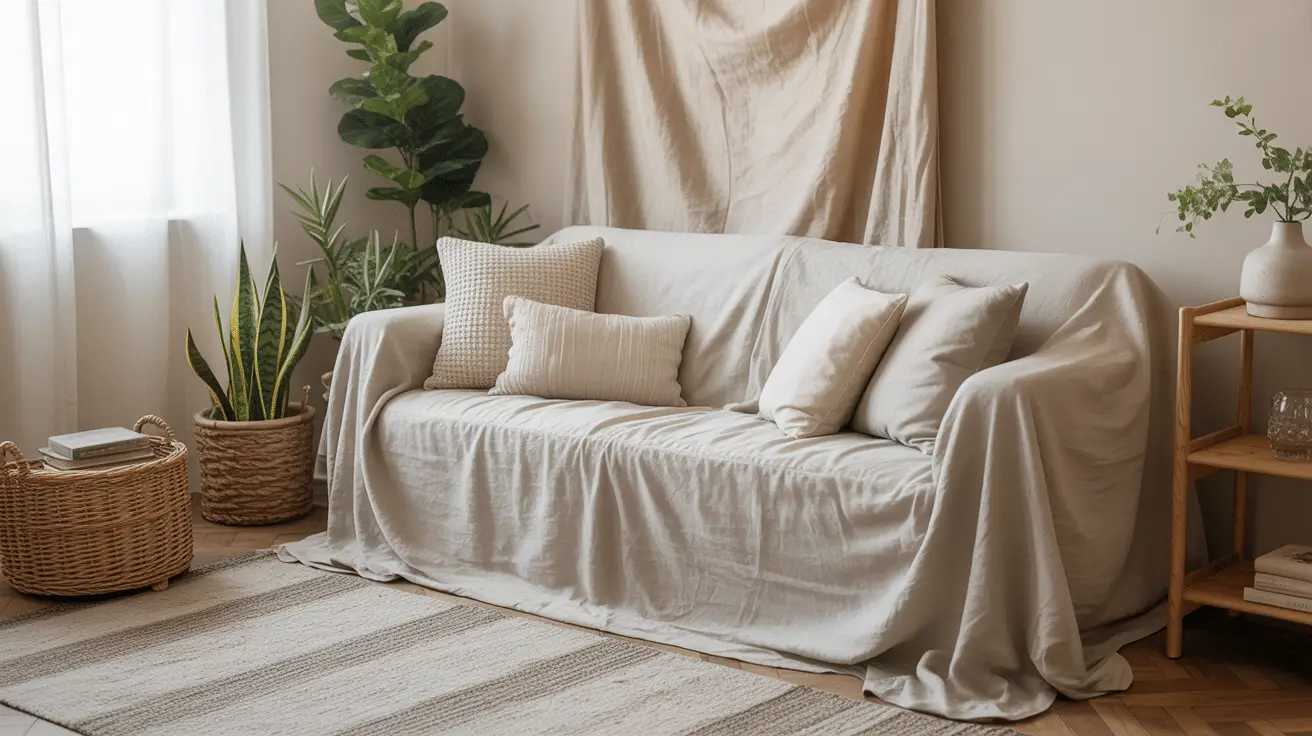
For home decor lovers who want immediate transformation without sewing experience, no-sew couch covers offer an ideal starting point. These projects rely on creative folding, draping, tucking, and securing fabric to give your couch a fresh, tailored appearance. The best part is the flexibility—no permanent changes required. You can switch fabrics, colors, and styles easily depending on the season or aesthetic.
The most popular no-sew technique involves using large fabric cuts such as drop cloths, cotton quilts, or stretchy jersey fabric. These materials naturally drape, making them perfect for covering cushions, arms, and backs with minimal effort. To achieve a more refined look, use upholstery pins or sofa tuckers to ensure clean lines and prevent slipping. Another approach involves layering multiple blankets or throws, allowing you to build dimension and texture while concealing worn upholstery.
No-sew covers also allow experimentation with patterns and colors. Neutral tones create a calming minimalistic effect, while bold prints refresh outdated furniture instantly. This method is budget-friendly, renter-friendly, and ideal for anyone wanting to try new decor styles without commitment.
Breakdown: No-Sew Couch Cover Techniques
| Technique | Benefit |
| Drop cloth draping | Affordable and easy to style |
| Blanket layering | Adds texture and warmth |
| Fabric tucking tools | Helps secure and smooth lines |
| Stretch fabric covers | Creates fitted, seamless look |
| Upholstery pins | Prevents movement and wrinkling |
Custom-Fit Slipcovers for a Tailored, High-End DIY Look
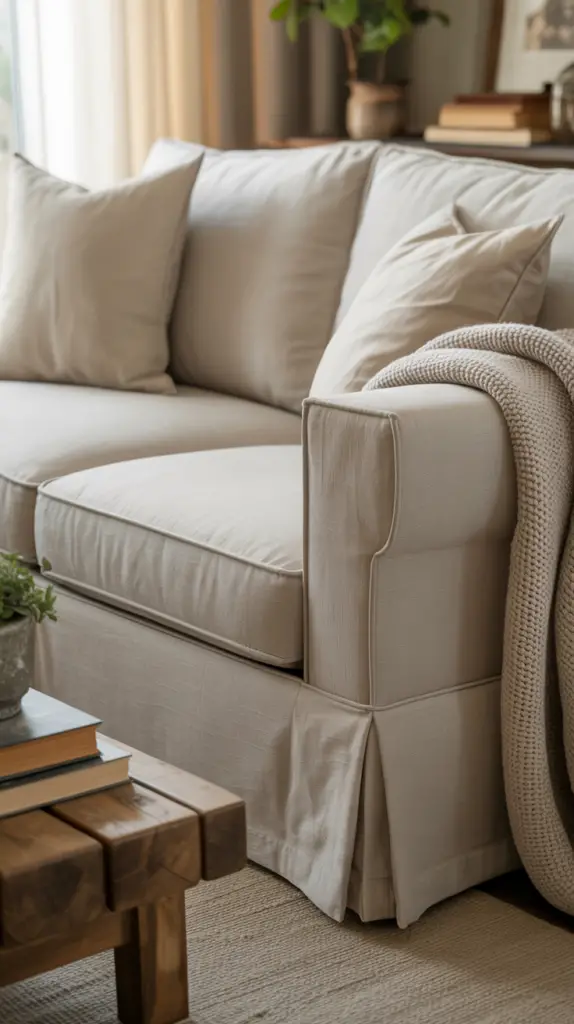
For those seeking a more polished finish, custom-fit slipcovers offer a tailored solution that provides both beauty and practicality. Crafting a fitted cover gives your couch the appearance of professionally upholstered furniture without the associated cost. This approach involves measuring, cutting, and shaping fabric to hug the couch’s frame, creating sharp lines and a structured silhouette.
To begin, choose a durable upholstery fabric such as canvas, twill, linen blend, or even denim for casual charm. Drape the fabric over your couch and pin it into the desired shape, marking seam lines carefully. This technique allows you to customize fit around armrests, cushions, and curves. Sewing the pieces together creates a cohesive slipcover that can be removed and washed.
A tailored slipcover is especially useful for homes with children or pets, as it offers a protective barrier while maintaining aesthetic appeal. Selecting patterned fabrics—like subtle stripes or checks—adds visual interest while hiding everyday wear. Solid colors create timeless elegance and allow for versatile decor styling.
Breakdown: Tailored Slipcover Essentials
| Step | Purpose |
| Measure and drape | Establishes accurate fit |
| Pin and mark seams | Creates structure and shape |
| Choose durable fabric | Ensures longevity |
| Sew sections together | Forms cohesive cover |
| Test fit and adjust | Achieves professional appearance |
Creative Fabric Layering Techniques to Refresh Any Couch
Fabric layering is one of the easiest ways to give your sofa a fresh, cozy aesthetic while also offering flexibility in design. This approach works exceptionally well for home decor lovers who enjoy updating their space frequently. By combining quilts, throws, shawls, and textured blankets, you can craft a unique couch cover solution that feels curated and intentional.
Begin with a base layer—usually a soft blanket or quilt that covers the majority of the couch. Next, add accent layers such as knitted throws, woven textiles, or patterned fabrics draped across armrests or back cushions. This creates depth, warmth, and visual richness. Layering not only enhances the aesthetic but also allows you to target worn or stained areas without needing a full cover.
Seasonal layering is another benefit. Lightweight cottons and linens are perfect for summer, while faux fur, sherpa, and chunky knits add cozy comfort for winter. Mixing complementary colors—such as earthy tones or monochromatic palettes—keeps the look cohesive. This method is especially useful for small spaces, where texture and color can serve as focal points without overwhelming the room.
Breakdown: Fabric Layering Strategy
| Layer | Role |
| Base quilt | Provides main coverage |
| Accent throw | Adds color or texture |
| Knitted blanket | Creates cozy dimension |
| Patterned textile | Enhances visual interest |
| Seasonal rotation | Keeps decor fresh |
Repurposed Materials and Upcycled Fabrics for Sustainable Couch Covers
Upcycling and repurposing materials offer budget-friendly and eco-friendly ways to refresh your couch. Home decor lovers often find unexpected gems in fabric remnants, old linens, curtains, bed sheets, or even vintage tablecloths. The key is recognizing the potential of materials that already exist in your home.
Repurposed fabrics bring sentimental and aesthetic value. For example, turning a beloved quilt into a couch cover adds personal charm while reducing waste. Vintage tablecloths can introduce intricate patterns unavailable in modern textiles. Linen curtains, known for their breathable texture, can be transformed into elegant slipcovers with minimal adjustments.
Upcycling materials is also perfect for creating patchwork-style covers, where different fabrics are sewn together to form a unique piece. This technique blends creativity with practicality and allows you to showcase your personal style. Choosing durable repurposed materials ensures your DIY cover can withstand everyday use while maintaining visual appeal.
Breakdown: Upcycled Fabric Ideas
| Material | Benefit |
| Old quilts | Soft, nostalgic, durable |
| Linen curtains | Elegant drape and texture |
| Vintage sheets | Unique patterns |
| Tablecloths | Easy to size and drape |
| Fabric remnants | Perfect for patchwork creativity |
Patterned and Textured DIY Couch Covers for Bold Home Decor Lovers
Patterned and textured couch covers offer an opportunity to introduce style, depth, and personality to your living space. Whether you prefer subtle woven details or bold prints, patterns help conceal wear and add visual excitement. Textured fabrics like chenille, waffle weave, boucle, or corduroy create tactile comfort while elevating the sofa’s appearance.
Choosing the right pattern requires considering the room’s existing decor. For minimalist homes, soft geometrics or monochrome stripes bring interest without overwhelming the space. For eclectic interiors, florals, bohemian motifs, or abstract prints add artistic flair. Texture enhances comfort, especially in reading nooks or cozy entertainment spaces.
Patterns also offer practical benefits—they disguise stains, pet hair, and everyday smudges far better than solid fabrics. A large patterned throw can be draped strategically, or you can sew a custom cover using fabric that complements your overall decor theme. Mixing subtle textures with bold prints creates a layered, designer-inspired look.
Breakdown: Pattern and Texture Options
| Style | Best Use |
| Geometric prints | Modern, structured look |
| Florals | Soft, feminine decor |
| Boucle or chenille | Textural warmth |
| Abstract designs | Artistic expression |
| Subtle stripes | Classic and versatile |
Step-by-Step Guide to Measuring, Cutting, and Fitting DIY Couch Covers
Accurate measurement and cutting are the foundation of any successful DIY couch cover project. Whether you’re sewing a slipcover or using a no-sew method, precise dimensions ensure the fabric fits smoothly and stays in place. Start by clearing your couch of pillows and accessories. Use a flexible measuring tape to record the width, depth, and height of each section—backrest, seat cushions, arms, and base.
Once measurements are complete, add a few extra inches to allow for folding, hemming, or tucking. This ensures the final cover fits comfortably without pulling tight or exposing upholstery. Lay your fabric on a flat surface and mark your measurements using tailor’s chalk or washable markers. Cutting slowly and carefully maintains clean lines and prevents fraying.
Next, position the fabric onto the couch, adjusting as needed. For slipcovers, pin sections together directly on the furniture to capture the shape accurately before sewing. For no-sew methods, use elastic straps, upholstery pins, or tucking tools to hold fabric securely in place.
A well-fitted couch cover looks intentional, elegant, and professionally crafted. With proper measuring and cutting, even beginners can achieve impressive results.
Breakdown: Measurement and Fitting Steps
| Step | Purpose |
| Measure all sections | Ensures accuracy |
| Add extra inches | Allows flexibility |
| Mark and cut fabric | Creates clean shapes |
| Fit and adjust | Forms smooth lines |
| Secure with pins or stitching | Finalizes cover |
Choosing the Best Fabrics for DIY Couch Covers
Selecting the right fabric is crucial for achieving durability, comfort, and visual appeal. DIY couch covers endure daily wear, so choosing materials that hold shape and resist pilling or fading is key. Popular options include cotton duck, canvas, linen blends, twill, denim, microfiber, and stretch jersey. Each offers distinct benefits depending on your style and needs.
Cotton duck and canvas are ideal for a crisp, structured look. They are tightly woven, highly durable, and easy to clean. Linen blends provide breathable elegance, perfect for airy or coastal-inspired homes. Twill offers strength with a smoother finish, while denim adds casual charm. For couch covers requiring stretch, jersey and polyester blends deliver flexibility that conforms to the sofa’s shape.
When selecting fabric, consider color fastness and washability. Sofas in bright rooms may require fabrics resistant to UV fading. Homes with pets or children benefit from stain-resistant finishes. Thick textiles add insulation and softness, while lightweight materials create breezy visuals suitable for warm climates.
Breakdown: Fabric Comparison
| Fabric | Ideal Use |
| Canvas | Structured, durable covers |
| Linen blend | Elegant, breathable style |
| Twill | Smooth, long-lasting option |
| Denim | Casual, sturdy covers |
| Jersey knit | Soft, stretchy fit |
Conclusion
DIY couch covers are a powerful, affordable way to refresh your home, allowing decor lovers to exercise creativity while protecting and elevating their furniture. From no-sew drapes and custom-fit slipcovers to layered textiles and sustainable upcycling, each method offers unique benefits and endless styling options. With the right measurements, fabrics, and techniques, you can transform your sofa into a polished focal point that reflects your personal taste. Thoughtful choices in textures, patterns, and colors ensure the final result feels cohesive, inviting, and beautifully integrated into your home.