
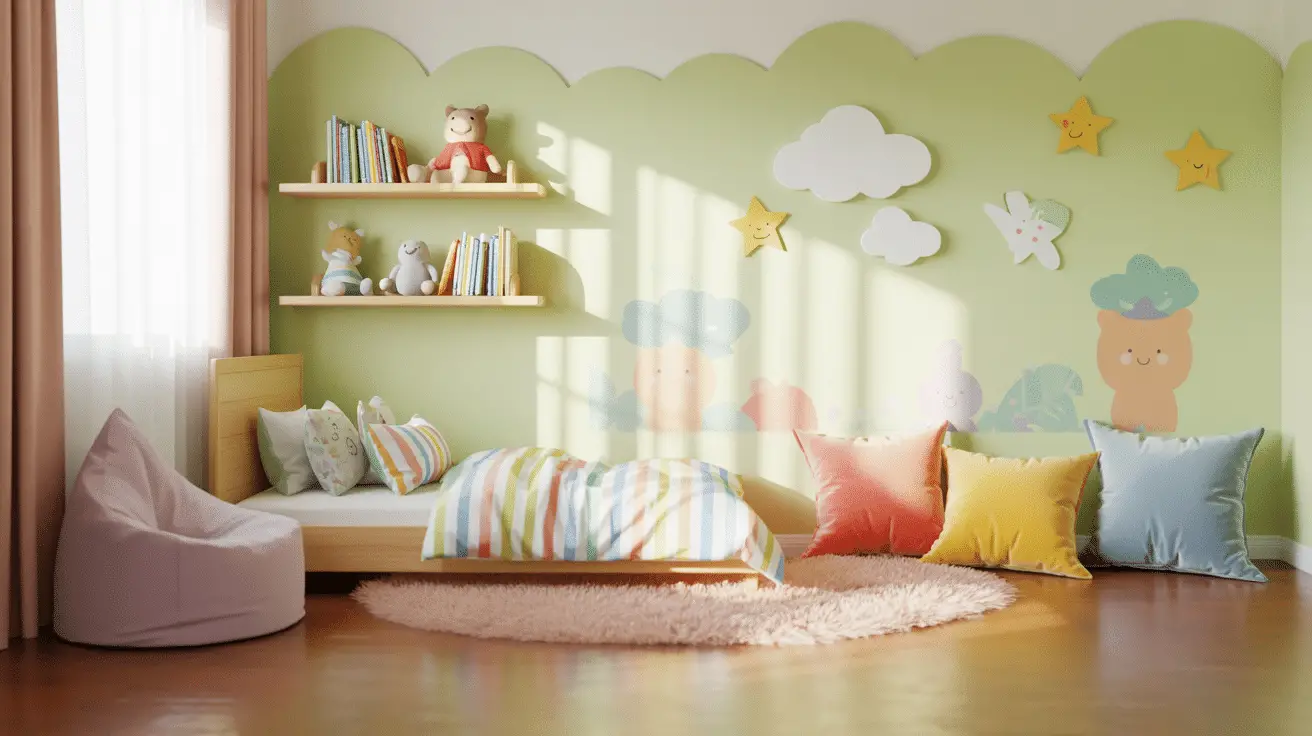
Colorful Toddler Room Ideas That Spark Joy and Inspire Creativity
Table of Contents
Introduction
Children naturally respond to color—bright hues energize them, soft tones soothe them, and bold contrasts spark curiosity. Studies show that colorful environments can enhance early cognitive development, support emotional expression, and encourage imaginative play. So when designing a toddler’s room, color isn’t just decoration—it’s a tool that shapes the way children explore and understand their world. Yet many parents struggle to strike the perfect balance between a joyful, colorful aesthetic and a space that feels cohesive rather than overwhelming.
The goal of creating a colorful toddler room is to blend playfulness with practicality. Color must be thoughtfully used to support your child’s needs: rest, play, creativity, and comfort. This guide explores vibrant, budget-friendly, and design-forward ideas that help you craft a joyful toddler room without clutter or chaos. You’ll discover strategic color palettes, playful wall accents, smart furniture choices, and clever organization methods that keep the space lively while maintaining harmony. Whether you’re starting from scratch or refreshing an existing room, this article will give you the inspiration and tools to create a joyful environment your toddler will truly love.
Choosing the Perfect Color Palette for a Joyful Toddler Room
Selecting a color palette is the first major step in designing a joyful toddler room. A well-chosen palette shapes the mood and guides all other design choices, from furniture to décor. Instead of randomly mixing bright colors, focus on a thoughtful combination of hues that balance stimulation and calm. Start by choosing one dominant color—perhaps a cheerful yellow, soft teal, or warm coral. Then select two or three supporting colors that complement it without competing for attention.
Toddlers thrive in spaces that feel lively but not chaotic. Choosing mid-tone shades creates excitement while avoiding overstimulation. Pastels offer a soothing effect and blend beautifully with natural materials, while jewel tones introduce richness and depth in a playful manner. Neutrals shouldn’t be overlooked either; they act as an anchor that allows bright accents to shine without visual clutter. Whites, creams, and light woods create a breathable backdrop that enhances color impact.
Inserting pops of color through accessories like bedding, artwork, rugs, or curtains allows flexibility. As your toddler grows, these accents can be updated without repainting the entire room. This approach ensures the room adapts naturally to changing tastes and developmental stages.
Toddler Room Color Palette Guide
| Palette Type | Main Colors | Mood Created | Best For |
| Soft pastels | Mint, blush, butter yellow | Calm & playful | Sleep-focused rooms |
| Bold brights | Red, cobalt, sunshine yellow | Energetic & fun | Play-centric spaces |
| Nature-inspired | Sage, sky blue, tan | Balanced & serene | Multi-purpose rooms |
| Jewel tones | Emerald, plum, gold | Creative & cozy | Story-themed rooms |
Adding Playful Wall Art and Murals for Instant Personality
Walls offer the largest visual surface in your toddler’s room, making them the perfect canvas for creativity. Playful wall art, murals, and decals instantly add personality and dimension to the space. The beauty of using wall décor is its versatility—it can transform the room dramatically while still remaining affordable and easy to change as your child grows.
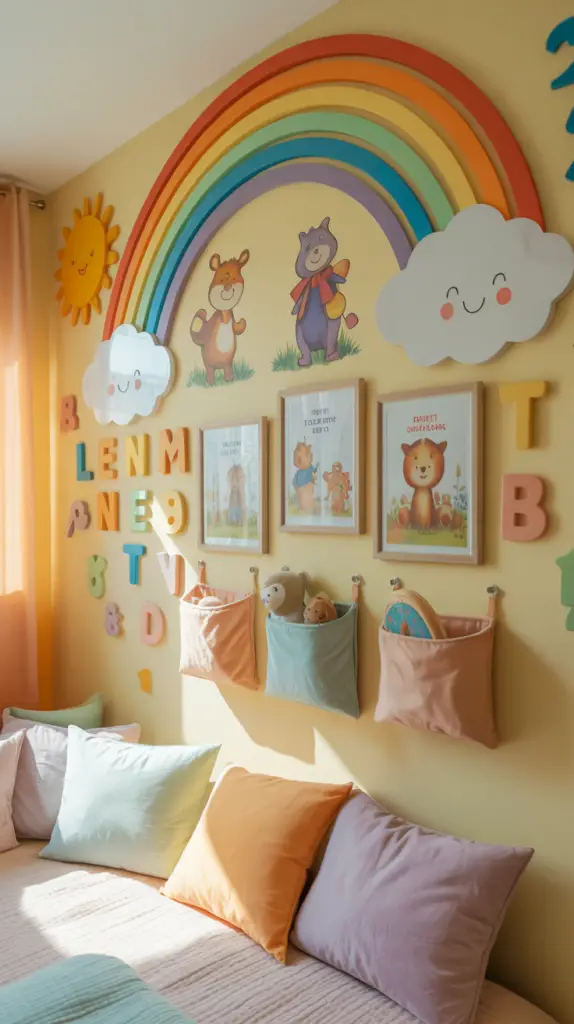
Murals featuring nature scenes, rainbows, geometric shapes, or whimsical characters bring storytelling into the room and stimulate imagination. If painting a full mural feels daunting, peel-and-stick decals offer a low-commitment solution. They come in countless designs, from animals to planets to abstract shapes. Decals are renter-friendly and can be rearranged to reflect your toddler’s evolving interests.
Framed prints add sophistication while maintaining fun. Grouping several small prints creates a gallery wall that becomes a focal point. You can include alphabet posters, watercolor animals, inspirational phrases, or custom artworks. Chalkboard or magnetic paint creates interactive zones where toddlers can draw, learn letters, or practice creative play.
When decorating walls, aim for balance. Choose one or two focal areas rather than covering every surface. Too much detail can overwhelm a small room, while intentional placement enhances playfulness without sacrificing harmony.
Wall Décor Options Breakdown
| Wall Feature | Effect | Cost Level | Longevity |
| Painted murals | Immersive storytelling | Moderate | Long-term |
| Peel-and-stick decals | Flexible design | Low | Temporary |
| Gallery wall prints | Stylish and playful | Low–Moderate | Long-term |
| Chalkboard/magnetic zone | Interactive & educational | Low | Multi-year use |
Designing Functional and Colorful Furniture for Toddlers
Furniture in a toddler’s room must balance safety, durability, and style. Colorful furniture adds energy and personality to the space while supporting daily routines like play, rest, and learning. Start with foundational pieces such as a toddler bed, dresser, and storage units. These can be neutral or colorful depending on the overall palette. For a bold approach, choose a statement bed frame in a bright color like aqua or sunshine yellow. For a calmer tone, select warm wood furniture and bring color through accessories.
Toddler-sized tables and chairs encourage creativity and independence. Many families choose lightweight plastic or wooden sets in cheerful shades—easy to clean, move, and repurpose. Bookshelves shaped like houses or rainbows add whimsical charm while doubling as functional storage. Avoid overcrowding the room; instead, choose multi-functional pieces that serve more than one purpose.
Color can be incorporated through painted drawer fronts, colorful knobs, or upholstery. For example, adding a coral cushion to a reading chair instantly enhances comfort and visual appeal. Storage benches painted in playful colors help keep toys contained while providing additional seating.
Colorful Furniture Planning Table
| Furniture Item | Function | Color Strategy | Kid-Friendly Feature |
| Toddler bed | Rest | Bright frame or pastel bedding | Low height |
| Play table | Activities & crafts | Bold tabletop | Easy-clean surface |
| Bookshelf | Organization | Rainbow or themed | Accessible shelves |
| Storage bench | Toy management | Painted fronts | Soft-close lids |
Creating Colorful Play Zones That Encourage Imagination
Designing designated play zones within your toddler’s room encourages creativity, exploration, and independent play. Color plays an important role in defining these zones and reinforcing their purpose. A reading nook decorated with soft pastels creates a calming retreat, while a block-building or craft zone might feature vibrant hues to energize activity.
Start by identifying areas of the room that can be sectioned off without impacting circulation. Use colorful rugs to visually define play spaces—round rugs for reading corners, rectangular rugs for craft zones, or themed rugs for imaginative play. Low shelving allows toddlers easy access to toys, books, and supplies, promoting independence.
Interactive elements can transform the play zone into a stimulating learning space. For example, color-coded bins encourage organizational skills and help toddlers identify categories. Small tents or fabric canopies create magical hideaway spaces where children can read or daydream. Bold wall accents behind the play zone—such as geometric patterns or color-blocking—reinforce the playful mood.
Rotate toys to keep the area fresh and engaging. By displaying only a few items at a time, the play zone remains uncluttered and inviting.
Play Zone Planning Table
| Play Zone Type | Key Elements | Color Approach | Benefits |
| Reading nook | Cushions, books | Soft, warm colors | Calm focus |
| Craft station | Table, art supplies | Bright accents | Creativity boost |
| Imaginative play | Tents, themed toys | Themed hues | Storytelling |
| Building zone | Open floor space | Bold rugs | Motor skill development |
Balancing Bright Colors with Cozy Textures
Color alone doesn’t create comfort—texture is the element that makes a toddler’s room feel cozy and nurturing. Pairing bright hues with soft, tactile materials ensures the room sparks joy while remaining grounded and comforting. Plush rugs, chunky knit blankets, cloud-soft cushions, and upholstered seating all help create warmth in visually vibrant rooms.
Start with a soft rug that complements the room’s color palette. For bold rooms, choose a neutral rug to create balance; for pastel rooms, a patterned rug can add playful detail. Layering blankets and pillows introduces texture without overwhelming the space.
Fabric bins in fun colors add texture while helping organize toys. Curtains made of linen, cotton, or blackout material add practical comfort for naptime. Wall hangings like fabric tapestries or felt garlands soften the room’s acoustics while reinforcing the playful aesthetic.
Combining textures helps avoid flatness in colorful spaces. The key is mixing thick and thin, smooth and fluffy, patterned and solid components. This layering brings depth, dimension, and coziness.
Texture Balance Table
| Texture Element | Best Use | Effect on Room | Color Coordination |
| Plush rug | Floor comfort | Softens brightness | Neutral or patterned |
| Knit blankets | Bed/chair | Warm & tactile | Bold or pastel |
| Fabric bins | Storage | Adds texture | Coordinated with palette |
| Felt décor | Wall/container | Soft and playful | Child-friendly shades |
Organizing a Colorful Toddler Room with Simple Storage Strategies
A colorful toddler room must also be easy to maintain. Without organization, bright rooms can quickly look chaotic. Color-coded storage is one of the most effective strategies for toddlers, helping them understand exactly where items belong.
Clear bins offer visibility, while colored baskets add charm. Open shelving makes it easy for toddlers to put away toys independently. Low storage units promote accessibility and reduce clutter. Labeling bins with pictures instead of words helps young children navigate their belongings effortlessly.
Consider creating themed storage zones—one for books, one for art supplies, one for stuffed animals, and one for building toys. Rotating toys seasonally reduces visual overload and keeps the room engaging.
Furniture with built-in storage, such as beds with drawers or benches with compartments, ensures everything has a designated place. The visual harmony of organized storage enhances the joyful atmosphere without dulling the colorful design.
Storage Solutions Table
| Storage Type | Best For | Visual Benefit | Kid-Friendly Feature |
| Color-coded bins | Toys | Bright & organized | Easy to sort |
| Open shelves | Books | Clean display | Toddler height |
| Under-bed drawers | Extra items | Hidden storage | Smooth gliding |
| Decorative baskets | Misc. objects | Adds texture | Flexible placement |
Conclusion
Designing a colorful toddler room is a joyful process that blends creativity with practicality. By choosing thoughtful color palettes, playful wall décor, functional furniture, and cozy textures, you create a space that supports your child’s growth, imagination, and sense of comfort. Play zones and smart storage solutions ensure the room stays organized and inviting, allowing color to shine without creating clutter. With the right balance of vibrancy and warmth, your toddler’s room becomes a cheerful haven that inspires learning and happiness every day.