
Stylish Home Gym Setup for Minimalist Homes: Design Tips for a Calm, Clutter-Free Workout Space
Table of Contents
Introduction
Minimalist home design has surged in popularity, with nearly 75% of homeowners seeking calmer, clutter-free spaces that reduce stress and improve daily routines. Yet when it comes to building a workout area, minimalism can feel challenging. Fitness equipment is bulky, visual clutter piles up quickly, and many homes simply don’t have the spare square footage for a designated gym. The result? Many people end up sacrificing either style or motivation—neither of which supports long-term wellness.
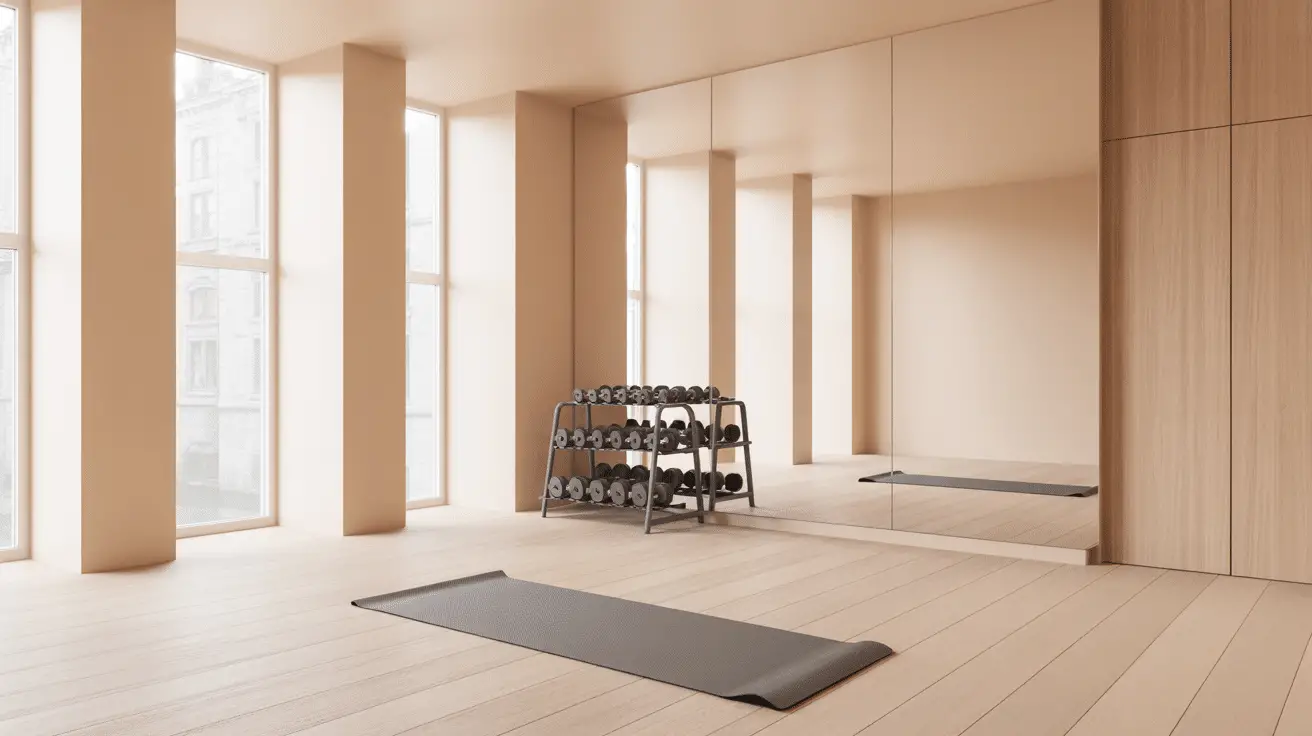
A stylish home gym setup for minimalist homes bridges this gap beautifully. By blending thoughtful design with functional fitness essentials, you can create a serene workout space that feels intentional, visually light, and deeply motivating. Whether you’re working with a corner of your living room, an unused hallway niche, or a dedicated small room, minimalist principles help transform even the tightest spaces into a chic, inspiring gym environment.
This guide explores how to design a minimalist home gym that aligns with your aesthetic and lifestyle. You’ll learn how to choose compact, visually cohesive equipment, make smart layout decisions, integrate calming décor, and maximize storage solutions. You’ll also find practical examples, room-layout breakdowns, and tips that help you curate a space where wellness and simplicity coexist effortlessly.
Choosing the Right Minimalist Fitness Equipment
Minimalist homes thrive on clarity, intentionality, and reduced visual noise, making equipment selection one of the most essential steps in creating a stylish workout space. In a compact or open-concept home, every object needs a purpose and a clean aesthetic. This means prioritizing well-designed, multi-use gear that blends seamlessly with your interior style. Sleek adjustable dumbbells, foldable benches, and resistance bands are excellent examples of functional pieces that don’t overwhelm the room.
When choosing equipment, consider not only the workouts you enjoy but the visual cohesion of your space. Look for neutral tones, matte finishes, and compact silhouettes that align with your minimalist décor. Many modern brands now design fitness tools that resemble interior design pieces—think wooden-framed yoga blocks, leather-wrapped kettlebells, or sculptural racks that double as décor when not in use. These pieces allow your home gym to feel polished rather than cluttered.
It’s also helpful to select equipment that stores vertically or folds flat, especially in smaller homes. A wall-mounted rack or slim cabinet can house weights, mats, and accessories without intruding on the living area. The goal is to integrate movement seamlessly into your environment so your gym feels like a natural extension of your home rather than a separate, chaotic zone.
Equipment Selection Breakdown
| Equipment Type | Why It Works for Minimalists | Notes |
| Adjustable dumbbells | Replace multiple sets; visually clean | Choose matte black or neutral tones |
| Foldable bench | Saves space when stored upright | Ideal for multifunctional rooms |
| Resistance bands | Lightweight, versatile, low-clutter | Store in drawers or baskets |
| Compact treadmill | Smaller footprint; sleek design | Consider under-desk models |
| Yoga gear | Naturally minimalist | Select natural materials like cork |
Designing a Calm and Functional Layout
A stylish home gym setup for minimalist homes relies heavily on intentional layout choices. Unlike large gym rooms, minimalist spaces often occupy multi-purpose areas such as bedrooms, offices, or living rooms. The challenge is creating a layout that feels harmonious while supporting dynamic movement. Begin by identifying the natural flow of the room: where you stretch, lift, or practice yoga determines how equipment should be arranged.
Many homeowners find success with zone-based layouts. A stretching or yoga zone might feature a soft rug, open floor space, and hidden mat storage. A strength zone could include a compact rack and tucked-away weights. Keeping each zone visually distinct without adding physical barriers reinforces the minimalist aesthetic while supporting functional movement patterns.
Lighting plays a major role in shaping the atmosphere. Soft, diffused lighting can instantly transform a corner into a peaceful workout space, while mirrors help expand the room visually and improve form during workouts. The layout should encourage calm and focus, with breathing room around every object. This open feel not only enhances your workout but aligns with the minimalist philosophy of intentional spaciousness.
Layout Planning Table
| Zone | Key Features | Best Location |
| Yoga/Stretch | Open space, mat, soft lighting | Near windows or quiet corners |
| Strength Training | Compact rack, mirror | Along a wall to maximize space |
| Cardio Area | Slim treadmill or bike | Against a sturdy wall; away from main pathways |
| Recovery Zone | Cushion, foam roller storage | Adjacent to stretching zone |
Storage Solutions That Preserve Minimalist Aesthetics
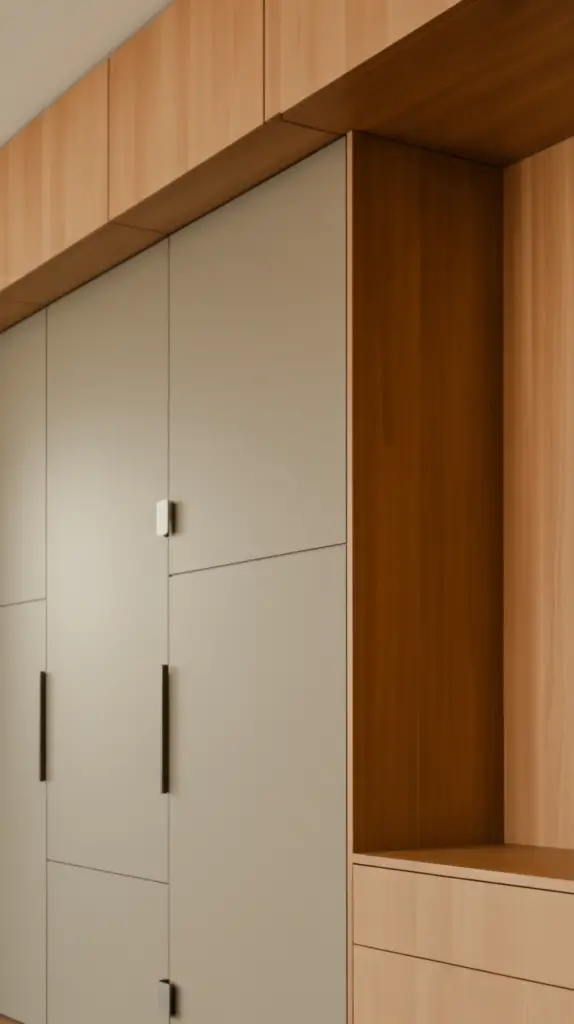
Minimalism thrives on simplicity, and clutter management is essential when creating a stylish home gym. Even a few pieces of fitness equipment can disrupt visual harmony if not thoughtfully stored. The key is to make storage functional, beautiful, and nearly invisible. Vertical storage is particularly effective—wall hooks for resistance bands, floating shelves for smaller accessories, and slim cabinets that blend into the room’s color palette.
Closed storage works wonderfully in minimalist homes because it conceals equipment and maintains a clean aesthetic. Opt for cabinetry that echoes your home’s materials, whether wood, matte laminate, or smooth lacquer. The exterior should feel like part of the room, not an obvious gym fixture. Inside, compartmentalized sections help keep smaller items organized so your gear doesn’t spill out.
For exceptionally small spaces, dual-purpose furniture can serve as discreet storage. A minimalist bench with hidden compartments or a sideboard that houses rolled mats, hand weights, and towels ensures the gym stays out of sight when not in use. These solutions allow you to transition seamlessly from workout mode to relaxation mode without disrupting the overall calm of the household.
Minimalist Storage Ideas
| Storage Type | Ideal Use | Aesthetic Benefit |
| Hidden cabinets | Dumbbells, mats, accessories | Maintains a clean, uninterrupted look |
| Wall hooks | Resistance bands, jump ropes | Vertical storage reduces floor clutter |
| Floating shelves | Light accessories, décor | Adds visual balance |
| Storage bench | Mats, towels | Doubles as seating |
| Slim rolling cart | Multi-purpose gear | Easily tucked into closets |
Creating a Motivating Minimalist Atmosphere
Design isn’t just about aesthetics—it affects energy, focus, and emotional connection. A motivating atmosphere is crucial in a stylish home gym setup for minimalist homes because the environment shapes consistency. A minimalist gym should feel calm yet energizing, inviting you to return daily without feeling visually overwhelmed. This balance comes from thoughtful layering of natural elements, controlled color palettes, and sensory cues.
Start with color. Muted tones—warm whites, greys, soft taupes, or charcoal accents—create visual peace. Natural materials such as wood, stone, and organic fibers add grounding warmth. Sound also contributes to motivation; soft background music or a compact speaker integrated into the décor can elevate the experience without cluttering surfaces.
Scent is another powerful motivator. Essential oil diffusers with eucalyptus or lavender can shift your mental state instantly, making the gym feel like a wellness sanctuary. Art, when used sparingly, can also be a profound motivator. Abstract prints or typography pieces with subtle tones maintain minimalism while infusing inspiration.
Atmosphere-Enhancing Elements
| Sensory Element | Implementation | Effect |
| Color palette | Neutral base with subtle contrast | Creates calm, cohesive space |
| Natural textures | Wood, cork, stone, linen | Adds warmth to minimalist design |
| Lighting | Soft, diffused, warm LEDs | Enhances focus and serenity |
| Scent | Essential oils or candles | Improves motivation and mood |
| Sound | Hidden speakers or minimal devices | Supports consistency and flow |
Incorporating Smart Technology for Efficiency
Smart technology can elevate a home gym from functional to transformative, particularly in minimalist environments where efficiency and space-saving solutions are essential. Modern fitness tech offers sleek, unobtrusive designs that provide powerful features without overwhelming the senses. This makes it easy to maintain the minimalist aesthetic while benefiting from advanced workout tools.
Begin by considering smart mirrors and compact digital training systems. These devices combine guided workouts, performance tracking, and sleek design in a single unit. When mounted on a wall, they occupy no floor space, blending seamlessly into the room. Their reflective surfaces double as standard mirrors, contributing to the visual spaciousness typical of minimalist rooms.
Wearable technology also integrates effortlessly into minimalist workouts. Slim fitness trackers and smartwatches help you monitor metrics like heart rate, sleep quality, and calorie burn without adding visible clutter to your gym environment. Since these devices remain on your wrist, they contribute nothing to the physical footprint of your workout space.
Smart speakers or voice-controlled assistants offer additional convenience. They allow hands-free control of music, timers, and workout programs, eliminating the need for physical remotes or visible screens around the room. Even lighting can be automated—dimmable smart bulbs help shift the room from energizing brightness to calm post-workout ambience with a single command.
To maintain minimalist cohesion, choose devices in neutral tones, matte finishes, or integrated designs that disappear when not active. Hide charging cables inside drawers or cable channels to maintain the sleek, clutter-free aesthetic your home gym relies on. The goal is effortless functionality, where technology enhances your workout but never becomes a focal point.
Smart Tech Selection Guide
| Device Type | Benefits | Minimalist Advantage |
| Smart mirror | Guided workouts, form check | Wall-mounted; sleek appearance |
| Smartwatch | Track metrics; syncs with apps | No added visible equipment |
| Smart lighting | Adjustable ambience | Reduces physical switches |
| Voice assistant | Hands-free commands | Eliminates cluttered controls |
| Compact fitness devices | Digital routines; foldable | Space-saving designs |
Blending Your Home Gym with Existing Interior Design
One of the defining traits of minimalist homes is the seamless flow from one space to the next. When integrating a gym into this environment, the challenge lies in ensuring it feels cohesive rather than intrusive. The key is to treat the gym as part of the interior design rather than a functional afterthought. This begins with aligning color palettes, textures, and materials so the gym blends naturally into adjacent spaces.
Start by matching your gym’s foundational elements—storage units, shelves, and equipment finishes—to the tones already present in the room. If your home features warm woods, choose gym accessories with similar hues. If your space leans toward cool neutrals, opt for matte black or grey equipment. This approach ensures the gym feels intentionally designed rather than temporarily placed.
Furniture placement also matters. In multi-purpose rooms like living areas or offices, consider furniture that doubles as camouflaged gym storage. Lift-top coffee tables, sideboards with deep compartments, and ottomans with hidden storage allow equipment to disappear instantly without disrupting the room’s visual balance. These dual-purpose solutions support spontaneous workouts without leaving traces afterward.
Texture blending is an underappreciated technique that enhances cohesion. For example, a cork yoga mat complements natural wood floors beautifully, while a linen-covered storage bench ties into neutral upholstery. Subtle details like these unify the gym with the rest of the home, making the transition between spaces feel harmonious.
Lighting is another powerful tool. Using the same lighting temperature throughout the home creates visual consistency. If your main living area features soft warm lighting, extend that into your workout space to maintain flow. Accent lights, such as wall sconces or discreet LED strips, can highlight equipment areas while still blending with the décor.
Ultimately, blending your gym with your existing interior design ensures the space feels welcoming rather than utilitarian. The gym becomes an organic extension of your home—a place where wellness meets design seamlessly.
Design Integration Table
| Design Element | Action | Result |
| Color palette | Match equipment and storage to home décor | Creates seamless visual flow |
| Materials | Use wood, stone, and fabric similar to existing rooms | Enhances cohesion |
| Dual-purpose furniture | Conceal equipment effectively | Maintains minimalist aesthetic |
| Lighting | Consistent temperature and tone | Smooth transitions between spaces |
| Textures | Coordinate mats, benches, and décor | Adds subtle harmony |
Conclusion
A stylish home gym setup for minimalist homes balances function and beauty in a way that supports both fitness and wellbeing. By choosing thoughtfully designed equipment, planning an intentional layout, incorporating smart storage, and shaping the atmosphere with sensory details, your workout space becomes more than a corner for exercise—it becomes a sanctuary. Integrating smart technology and blending the gym with your existing interior design further enhances this harmony, letting you enjoy a clean, calming environment that motivates you daily. With intentional choices and a focus on simplicity, any home can host a minimalist gym that feels both elegant and deeply personal.