
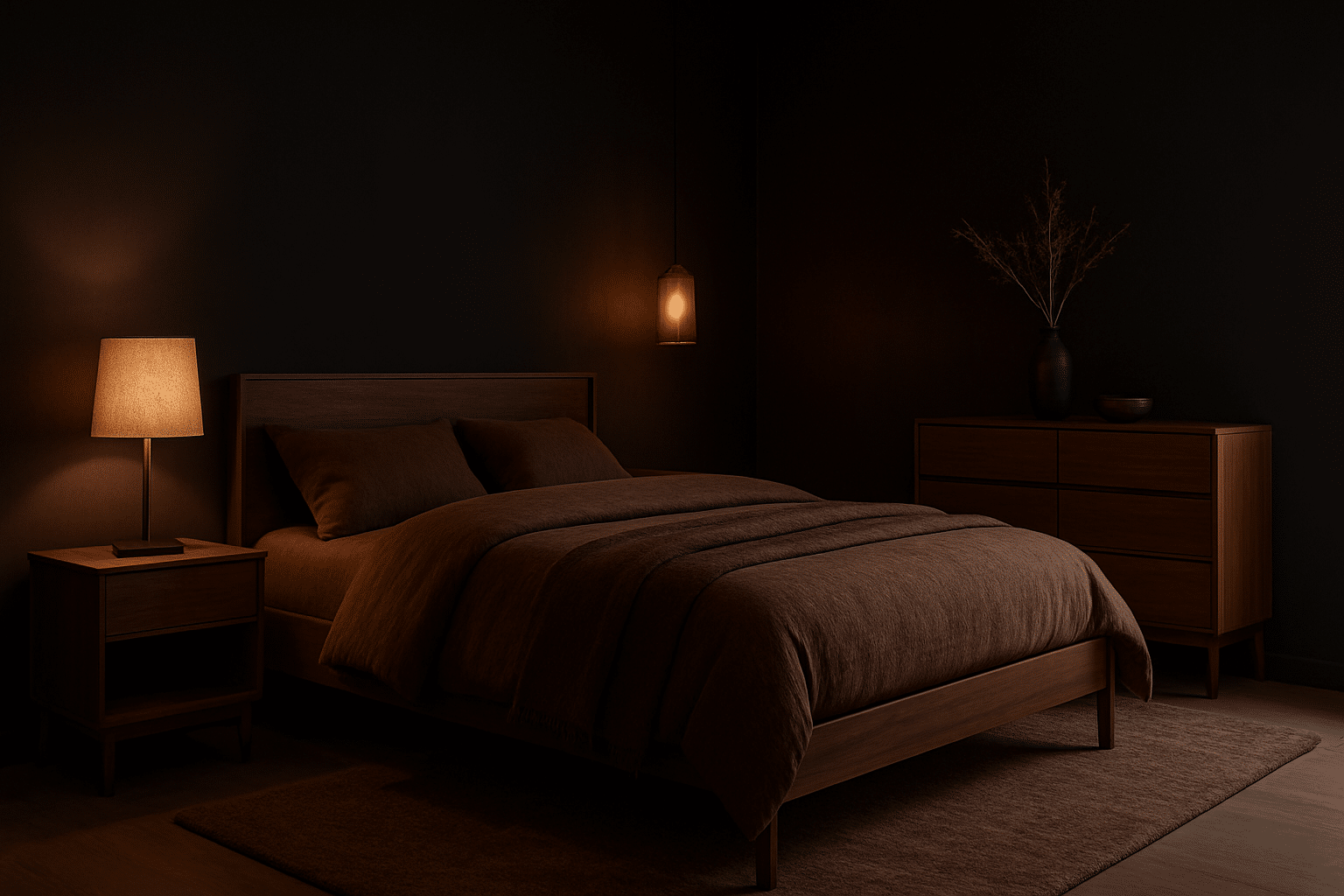
Dark and Moody Black and Brown Bedroom Styles: Sophisticated Design Ideas for a Rich, Cozy Retreat
Table of Contents
Introduction
There’s something irresistibly inviting about a bedroom wrapped in deep, indulgent tones. Recent interior design insights highlight a growing shift toward darker palettes as people seek spaces that feel grounded, intimate, and emotionally restorative. Black and brown, once considered daring choices for the bedroom, are now associated with contemporary elegance, timeless warmth, and a curated designer aesthetic. The marriage of these tones creates a cocoon-like environment full of depth and character—perfect for those who crave a retreat that feels both dramatic and serene.
A black and brown bedroom style offers flexibility for modern, rustic, minimalist, or luxury-inspired themes. The richness of espresso woods, the shadowy presence of matte black walls, and the softness of caramel or sable-toned textiles work together to create a layered and visually compelling atmosphere. These hues invite touch, slow down the senses, and give the bedroom a sense of peaceful enclosure.
In this article, you’ll explore how to build a beautifully moody space through thoughtful color choices, lighting strategies, textural layering, furniture selection, and accent styling. Each section provides deep insights, practical examples, visual guides, and helpful breakdowns to support your creative process. By the end, you’ll have a complete understanding of how to design a bedroom that exudes warmth, sophistication, and contemporary charm—without sacrificing comfort.
Building the Foundation: Choosing the Right Black and Brown Palette
Creating a dark and moody bedroom begins with selecting the right tones of black and brown. These two colors may appear simple at first glance, but each contains a wide range of undertones that influence the room’s final mood. Soft charcoal blacks, ashy browns, deep espresso shades, and warm walnut tones all contribute differently to the overall aesthetic. The most successful black and brown bedrooms combine hues that complement each other rather than compete, forming a harmonious base for the rest of the design.
To build your palette, start with the dominant shade—typically a matte black or very deep charcoal. This acts as an anchor, grounding the room and giving it a strong visual presence. From there, layer in brown tones that add warmth, such as nutmeg, chestnut, or cognac. These shades soften the dramatic intensity of black and help create balance. When paired thoughtfully, the result is a room with both depth and coziness.
You can also enhance the palette with subtle variations like graphite, sable, taupe, or soft bronze. These transitional hues help bridge the gap between black and brown, making the blend feel intentional and cohesive.
Palette Planning Breakdown
| Design Element | Black Tone Suggestions | Brown Tone Suggestions |
| Walls | Matte charcoal, soot black | Mocha, deep taupe |
| Furniture | Ebony wood, black metal | Walnut, espresso wood |
| Textiles | Black linen, onyx velvet | Chestnut cotton, cognac leather |
| Accents | Iron, matte black stone | Bronze, woodgrain finishes |
Mastering Lighting for Depth and Warmth
Lighting is the defining factor in whether a black and brown bedroom feels sophisticated or gloomy. Dark tones absorb light, which means intentional lighting choices are essential. A successful moody bedroom uses lighting to sculpt the space, highlight texture, and create pockets of glow that feel intimate and inviting. Instead of relying on one overhead fixture, the best approach is layered lighting that includes ambient, accent, and task lights.
Begin with ambient lighting that casts a soft wash across the room—warm LED strips behind a headboard or dimmable ceiling lights can instantly soften the darkness. Accent lighting, such as wall sconces or small table lamps, adds dimension by illuminating specific areas like nightstands or artwork. These points of subtle brightness help the darker elements feel rich rather than flat. Task lighting, such as bedside reading lamps, ensures functionality without overpowering the room.
Warm bulbs are essential. Cooler lighting tints black and brown tones toward gray or dullness, while warm lighting deepens their richness. Consider bulbs within the 2200K–3000K range for a natural glow.
Lighting Layer Breakdown
| Lighting Type | Purpose | Recommended Style |
| Ambient | Overall glow | Dimmable ceiling lights, LED strips |
| Accent | Highlighting features | Sconces, table lamps |
| Task | Functional brightness | Adjustable bedside lamps |
Choosing Furniture That Enhances the Moody Aesthetic
Furniture has a profound impact on how a black and brown bedroom feels. These tones naturally evoke a sense of luxury and groundedness, and the right furniture choices amplify those qualities. When designing a dark and moody bedroom, aim for pieces that emphasize weight, craftsmanship, and tactile richness. Heavy wood frames, upholstered headboards, and matte-black finishes all contribute to a cohesive and intentional look.
A black bed frame, for instance, becomes a striking focal point in a room filled with brown textiles and wooden elements. Pairing a walnut dresser with matte-black nightstands creates balance through contrast. Upholstered furniture—like a charcoal linen bench or a chocolate-brown velvet chair—adds softness and helps break up the visual heaviness.
Material selection is equally important. Natural woods bring warmth and organic texture, while metals such as blackened steel or brushed bronze introduce an industrial or modern edge. Leather is an ideal complement, especially in warm cognac tones that stand out beautifully against darker backgrounds.
You can shape the overall mood of the room by choosing furniture silhouettes. Sleek, minimalist lines create a contemporary, moody atmosphere, while rustic or vintage-inspired pieces lend a more eclectic and grounded feel. Mixing styles works as long as the color palette remains cohesive.
Furniture Style Breakdown
| Furniture Piece | Recommended Material | Visual Impact |
| Bed Frame | Black metal or ebony wood | Strong focal point |
| Nightstands | Walnut or black oak | Texture and balance |
| Seating | Linen, leather, velvet | Softens the aesthetic |
| Dressers | Espresso or dark walnut | Depth and warmth |
Layering Textures for a Rich, Sensory Experience
Texture is the soul of any moody bedroom. In dark spaces, texture becomes even more essential because it prevents the room from appearing flat or monochromatic. The interplay between matte and glossy, smooth and rough, soft and structured creates an atmosphere that feels deeply inviting. When working with black and brown, texture allows each shade to express its character more fully.
Start with foundational textiles—large area rugs, bedding, and curtains. A thick woven rug in chocolate or taupe grounds the room with warmth. For bedding, mix materials such as velvet, linen, and cotton to create visual rhythm. Throw blankets and accent pillows help break up the solid blocks of color, introducing softness and depth.
Furniture textures should contrast with textiles. Leather instantly warms a dark room, while stone or metal adds structure and modernity. Wood grain introduces organic patterns that echo natural landscapes, keeping the room from feeling too polished.
Decor accents play a quiet yet impactful role. Items like ceramic vases, matte-black planters, bronze trays, and textured bowls add layers of tactile interest. These small touches support the overall palette while giving the eye resting points throughout the room.
Texture Layer Breakdown
| Texture Type | Best Materials | Mood Contribution |
| Soft Textiles | Velvet, linen, wool | Warmth and comfort |
| Natural Elements | Wood grain, leather | Organic richness |
| Hard Textures | Metal, stone | Structure and contrast |
| Decorative Accents | Ceramics, matte finishes | Depth and detail |
Incorporating Brown Accents to Soften Dark Spaces
Brown plays an important role in making a dark, moody bedroom feel livable rather than overly dramatic. While black anchors the design, brown brings warmth, softness, and organic balance. Even small brown elements can shift the energy of the room, turning it from stark to cozy.
Start with wooden accents—walnut picture frames, dark oak shelves, or a reclaimed wood headboard. These introduce natural character and break up the uniformity of darker shades. Leather accents, such as a cognac ottoman or a brown woven throw, add luxurious warmth. Textiles like brown knit blankets or taupe velvet curtains enhance comfort while keeping the palette cohesive.
For decorative accents, consider incorporating pieces that highlight natural textures. Terracotta vases, bronze sculptures, or wooden bowls add subtle layers of interest. These touches prevent the room from feeling too monochromatic by creating gentle visual movement.
Brown Accent Breakdown
| Accent Type | Example | Effect |
| Wood | Walnut shelves | Organic warmth |
| Leather | Cognac ottoman | Luxury contrast |
| Textiles | Taupe curtains | Softens depth |
| Decor | Bronze bowls | Adds richness |
Balancing Black as a Dominant Design Feature
Black is the backbone of a moody bedroom, but using it effectively requires balance. Too much black can overwhelm a space, while too little weakens the desired dramatic effect. The goal is to let black define the structure of the design while ensuring the room still feels inviting.
Using black on one or two major surfaces—such as an accent wall or a bed frame—creates strong visual anchors. Pair these with lighter brown elements to introduce movement and contrast. Black decor items, like frames, lamps, or side tables, help distribute the tone throughout the room, making the palette feel consistent.
Black Balance Breakdown
| Black Element | Placement | Benefit |
| Accent Wall | Behind bed | Strong focal point |
| Furniture | Bed frame/nightstands | Structure and depth |
| Accessories | Lamps, vases | Visual continuity |
Conclusion
Dark and moody black and brown bedroom styles offer a unique blend of sophistication, warmth, and modern character. These design choices invite depth, texture, and emotional richness into a personal retreat, creating a bedroom that feels both grounding and expressive. Through carefully layered tones, strategic lighting, thoughtful furniture selection, and tactile accents, you can craft a space that balances dramatic design with everyday comfort. This palette encourages slower moments, deeper relaxation, and a sense of intimate elegance that transforms the bedroom into a truly restorative sanctuary.