
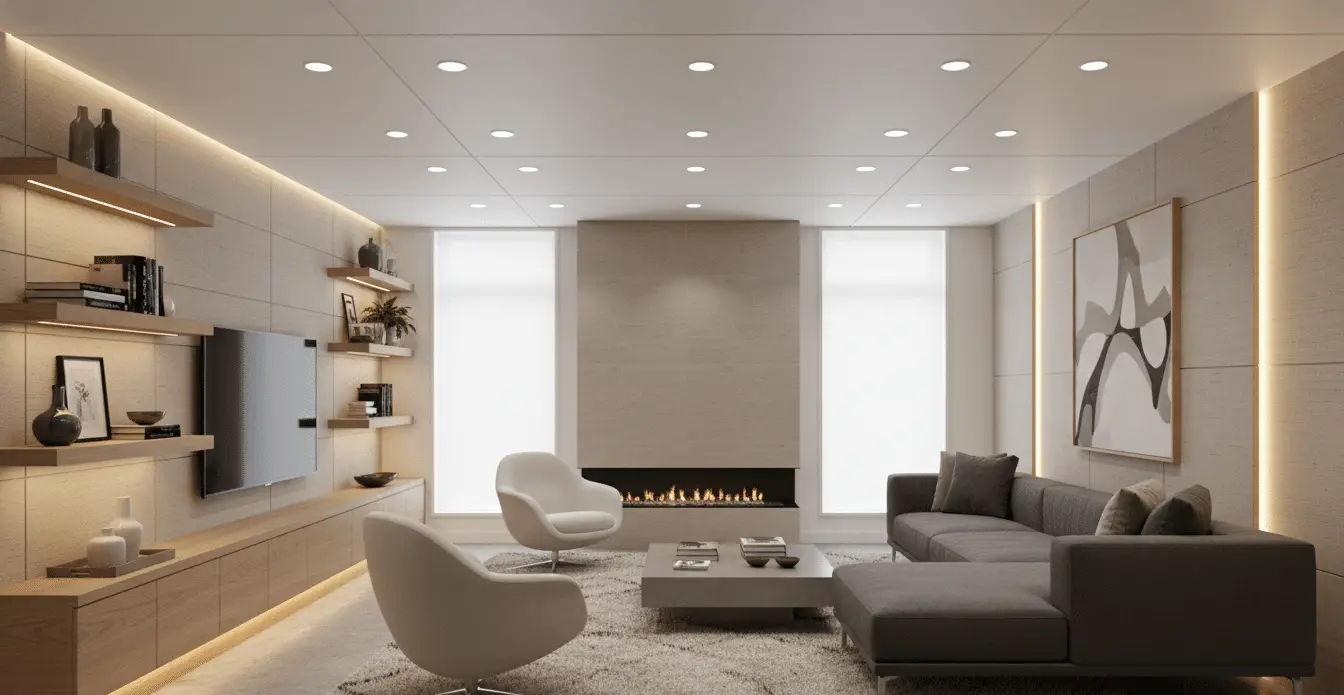
Trendy Home Decor Ideas for a Contemporary Basement Remodel That Transform Your Space
Table of Contents
Introduction
A contemporary basement remodel is one of the most rewarding home improvement projects, offering the chance to turn an overlooked part of the house into a stylish, functional, and inviting extension of your living space. Many basements begin as dim, unfinished storage areas, yet they hold immense potential to become media rooms, guest suites, lounges, home offices, or wellness retreats. With modern design trends continuing to rise, homeowners are increasingly seeking ways to make their basements feel just as polished and curated as the main levels of their homes.
Designing a basement with contemporary decor in mind requires an understanding of light, materials, flow, and function. It’s about blending clean lines with warmth, integrating natural elements with innovative finishes, and creating a balanced atmosphere that feels both modern and comfortable. This guide breaks down the most effective and trendy decor ideas that can elevate your basement from an underused area to a truly transformative part of your home.
You’ll learn how to use layout planning, lighting strategies, color theory, furniture selection, and decorative accents to shape an inspiring, cohesive space. Whether your goal is dramatic or minimalistic, sophisticated or cozy, these design ideas will help you craft a basement remodel that feels contemporary, purposeful, and beautifully aligned with your lifestyle.
Brightening the Space With Contemporary Lighting Design
Lighting is the foundation of every successful basement remodel, especially in contemporary design where clarity, openness, and ambiance play central roles. Basements naturally lack sunlight, making it essential to layer various light sources to create dimension and warmth. A well-designed lighting plan can shift the space from feeling enclosed to feeling expansive and inviting.
Recessed lighting serves as the primary fixture in many modern basements because it disperses consistent illumination without cluttering ceiling space. But avoiding monotony is key; pairing recessed lights with contemporary fixtures—such as linear pendants, sculptural sconces, LED cove lighting, or floating shelf lighting—adds character and visual rhythm. Modern lighting also emphasizes color temperature, with soft white or daylight bulbs enhancing clarity while maintaining comfort. Integrating dimmers and smart controls allows seamless mood adjustments for entertainment, work, or relaxation.
Lighting also shapes how materials and textures appear. For instance, matte finishes thrive under soft diffused light, while glossy surfaces reflect brightness beautifully, making the basement feel more open. Accent lighting can spotlight artwork, architectural features, or design elements, giving the room curated depth.
Lighting Design Breakdown
| Lighting Type | Purpose | Best Contemporary Application |
| Recessed Lights | General illumination | Clean ceilings, even lighting |
| LED Strips | Accent & ambient | Under cabinets, stairs, shelves |
| Wall Sconces | Soft mood lighting | Hallways, lounge corners |
| Statement Fixtures | Visual interest | Over bar areas or seating zones |
Creating Functional Zones With a Smart Contemporary Layout
A contemporary basement remodel thrives on intentionality. Instead of viewing the basement as one large room, think of it as a collection of purposeful zones. These may include entertainment areas, reading nooks, workout corners, home offices, play areas, guest suites, or wet bars. Zoning helps maximize square footage and brings clarity to the overall design.
Open-concept layouts remain popular in modern interior design, but openness doesn’t mean lack of structure. Strategic furniture placement, contrasting materials, rugs, or partial walls naturally divide spaces without closing them off. For example, a sectional sofa can define the media area, while a sleek console marks the transition to a game or bar section. Contemporary design favors subtle separation methods that maintain visual continuity while supporting functional living.
Color differentiation is another powerful zoning technique. Softer tones may suit relaxation areas, while deeper hues enhance entertainment sections. Lighting zoning is equally important; pendant lights might illuminate a kitchenette, while recessed lighting keeps the lounging area cohesive and bright.
Storage solutions should blend seamlessly within each zone. Contemporary remodels often incorporate built-ins that double as architectural features. Floating cabinetry, minimalist shelving, and storage walls help maintain clean lines while keeping clutter hidden—one of the key principles of modern design.
Layout Planning Table
| Zone | Features | Ideal Design Elements |
| Media Area | TV wall, comfy seating | Sectionals, acoustic panels |
| Bar/Kitchenette | Counter space, mini fridge | Sleek cabinetry, pendant lights |
| Office Nook | Desk area, storage | Floating shelves, task lighting |
| Lounge/Reading | Cozy seating | Warm tones, soft textures |
Modern lifestyles call for adaptable spaces. A well-zoned basement can shift and evolve with your needs without requiring another remodel. This flexible yet polished approach embodies the heart of contemporary design—functional beauty with room to grow.
Choosing a Contemporary Color Palette That Transforms Depth and Dimension
Color has the ability to completely redefine a basement’s atmosphere. Because basements often lack natural light, selecting the right palette ensures the space feels balanced, modern, and visually cohesive. Contemporary design typically embraces a blend of neutrals, muted tones, and selective bold accents to create depth and sophistication.
Soft neutrals—such as warm grays, taupe, off-white, sand, and greige—provide the ideal base. These colors brighten the space by reflecting available light, while still maintaining a grounded contemporary feel. Incorporating deep accent colors like charcoal, navy, forest green, or espresso adds refinement and depth, especially when applied to feature walls or built-in units.
Finishes matter as much as color choice. Matte and eggshell paints absorb light softly, creating a smooth, modern appearance. High-gloss finishes, used sparingly, can highlight trim or architectural details.
Color palettes also help unify the basement’s zones. When each area includes tones from the same family, the entire floor feels harmonious even if the functionalities differ.
Color Palette Breakdown
| Color Type | Examples | Best Use |
| Base Neutrals | Greige, warm gray, soft white | Walls, ceilings, large surfaces |
| Deep Accents | Charcoal, navy, olive | Feature walls, cabinetry |
| Texture Colors | Natural wood, concrete, metal | Floors, furniture, shelving |
| Bright Accents | Gold, black, matte brass | Fixtures, décor details |
Incorporating Modern Materials and Textures for a Polished Finish
Materials and textures define the tactile and visual identity of a contemporary basement remodel. They bring character, warmth, and modernity to a space that may otherwise feel structural or cold. Contemporary design emphasizes contrast—pairing soft with hard, matte with glossy, and natural with engineered—to achieve a refined, layered aesthetic.
Engineered wood flooring or luxury vinyl planks offer the warmth of natural wood with durability suited for lower-level environments. Concrete accents—whether in the form of polished floors, accent walls, or countertops—add industrial sophistication, grounding the space in modern minimalism. Metal elements such as matte black fixtures or brushed brass handles introduce sleek contrast and subtle elegance.
Textiles play a vital role as well. Plush rugs, woven throws, velvet cushions, and linen drapery contribute softness to balance the structural lines of contemporary design. Layered textures—such as combining wood with stone or pairing leather with metal—create visual intrigue without overwhelming the room. This balance helps the basement feel more like a curated living space rather than a retrofitted extension.
Built-ins and custom cabinetry elevate the aesthetic further. Smooth, handle-less cabinet fronts convey modern simplicity, while wood-grain finishes or ribbed textures introduce dimension. The key is consistency—selecting a palette of materials that complement each other and repeating them throughout the basement to build cohesion.
Material & Texture Guide
| Material/Texture | Benefits | Best Applications |
| Wood (engineered) | Warmth, durability | Flooring, shelving, cabinetry |
| Concrete | Modern edge, neutral | Accent walls, counters |
| Metals | Sleek contrast | Fixtures, hardware |
| Textiles | Comfort, softness | Rugs, seating, drapery |
Stylish Furniture Selection for a Contemporary Basement
Furniture selection often determines the overall flow and livability of a remodeled basement. In contemporary design, furniture tends to be sleek, purposeful, and comfortable—never overly ornate or bulky. Because basements vary in layout and dimensions, choosing adaptable pieces ensures the space remains functional and visually appealing.
Sectional sofas work particularly well because they define zones while offering substantial seating for gatherings. Low-profile silhouettes help ceilings appear higher, which is especially useful in basements. Modular furniture pieces, such as movable ottomans or modular shelving, bring flexibility and suit evolving lifestyles.
Accent chairs with clean lines or sculptural shapes provide visual interest without overwhelming the space. Storage benches and coffee tables with hidden compartments reinforce the minimalist, clutter-free aesthetic contemporary design celebrates.
Tables, consoles, and storage pieces benefit from mixed materials—wood, metal, stone, or glass—to create balance and texture. Choosing neutral or muted upholstery keeps the design cohesive, while bold accent pieces or throw pillows can introduce personality when desired.
Furniture Planning Table
| Furniture Type | Contemporary Features | Best Use in Basement |
| Sectional Sofa | Low-profile, modular | Media or lounge areas |
| Accent Chairs | Sculptural shapes | Reading corners |
| Multi-use Tables | Storage inside | Small or multifunction rooms |
| Shelving Units | Floating or minimal | Office nooks, bars |
Decorative Accents That Bring Contemporary Style to Life
Trendy decor accents complete the basement remodel by adding personality, warmth, and an artistic touch. In contemporary design, accents should be purposeful and curated rather than excessive. Each piece contributes to the room’s balance, contrast, or focal point.
Large-scale artwork, geometric wall decor, or minimalist framed pieces bring sophistication without overcrowding the walls. Mirrors are especially effective in basements, reflecting light and making the space feel larger. Decorative shelves offer stylish display opportunities while supporting functional organization.
Natural elements like plants, stone vases, ceramic sculptures, and wood bowls soften the contemporary lines and introduce a grounding organic feel. Area rugs define zones while adding texture and warmth. Sculptural lighting fixtures—when used sparingly—act as decor pieces themselves.
Decor Accent Guide
| Accent Type | Purpose | Contemporary Usage |
| Wall Art | Adds personality | Oversized or minimal styles |
| Mirrors | Expands visual space | Behind sofas or in hallways |
| Plants | Adds life & texture | Low-light varieties |
| Sculptural Pieces | Modern focal points | Mantels, shelves |
Conclusion
A contemporary basement remodel is an opportunity to transform an underused space into one of the most inviting and functional areas of your home. By embracing modern lighting strategies, purposeful zoning, balanced color palettes, and a thoughtful mix of materials and textures, you create a basement that feels polished and harmonious. Furniture and decorative accents add personality and reinforce the modern aesthetic, ensuring the space reflects your lifestyle and design preferences.
Whether the basement serves as a relaxation retreat, entertainment hub, or multifunctional living area, the key lies in intentional design choices that balance beauty and practicality. These contemporary home decor ideas offer a framework for creating a cohesive and inspiring environment that elevates the entire home, turning the basement into a standout feature rather than an afterthought.