
Rustic Dreamy Backyard Spaces with Natural Elements: Inspiring Designs for a Serene Outdoor Retreat
Table of Contents
Introduction
Backyards have rapidly evolved into some of the most cherished places in modern homes. According to recent outdoor-living design trends, homeowners now invest more time and creativity in transforming outdoor spaces than ever before. What was once a simple patch of lawn has become a canvas for peaceful escapes, intimate gatherings, and dreamy natural sanctuaries. Among the most beloved styles is the rustic, nature-inspired backyard—a design approach that blends organic materials, earthy textures, and quiet charm to create a space that feels both grounding and atmospheric.
This topic matters because many homeowners crave an outdoor setting that doesn’t feel overly curated or artificial. Rustic design, by its very nature, invites authenticity and warmth. It celebrates imperfections, natural beauty, and timeless materials that age gracefully. Whether you have a sprawling yard or a compact patio, incorporating natural elements can transform your space into a tranquil retreat where relaxation comes effortlessly.
In this article, you’ll explore beautiful, rustic backyard ideas featuring wood accents, stone pathways, cozy fire features, lush greenery, organic textures, and purposeful design layouts. You’ll learn how to combine these elements harmoniously, how to create cozy zones, and how to use nature as your guiding inspiration. By the end, you’ll be equipped with thoughtful, practical ideas to design a dreamy rustic backyard that brings peace, comfort, and connection to the outdoors.
Incorporating Natural Wood Elements for Rustic Warmth
Wood is one of the most defining features of rustic backyard design. Its warmth, organic texture, and naturally weathered appearance create instant charm. When incorporated thoughtfully, wood transforms a backyard into a comforting retreat that feels deeply connected to nature. Whether through fences, pergolas, benches, or garden structures, natural wood brings character and softness unmatched by synthetic materials.
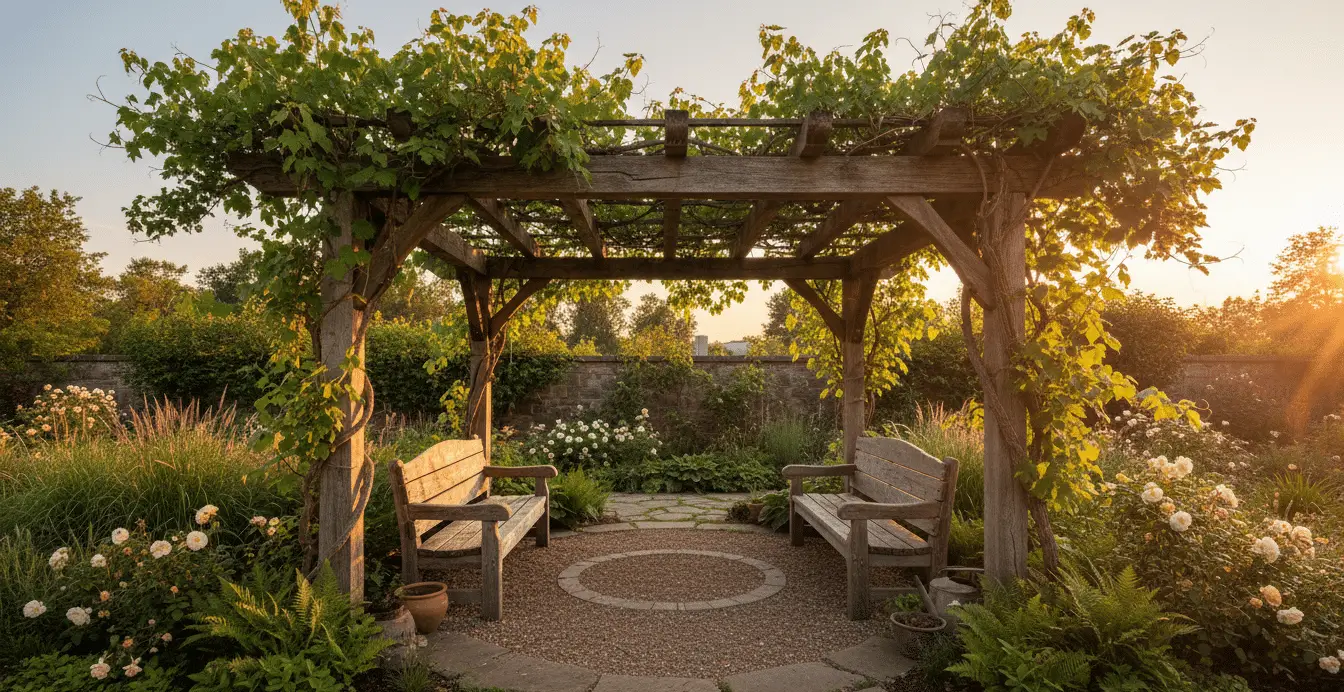
One of the most effective ways to incorporate wood is through overhead structures like pergolas or arbors. These elements frame the space, introduce shade, and provide a sense of enclosure without feeling heavy. Their exposed beams create beautiful shadows, especially during golden hour, giving the yard a dreamy outdoor-living-room ambiance. Weathered or reclaimed woods enhance rustic charm even further by showcasing unique grain patterns and knots.
Wooden garden furniture also enriches backyard spaces. A simple bench crafted from cedar, teak, or oak can become a focal point surrounded by lush greenery. Rustic dining tables create warm areas for gathering, while built-in wooden planters introduce natural elevation and structure. For pathways, stepping “slices” of reclaimed logs offer whimsical, earthy appeal and blend seamlessly into surrounding foliage.
Table: Different Wood Features and Their Rustic Impact
| Wood Feature | Rustic Effect | Best Placement |
| Pergola or arbor | Creates structure and shade | Patio or garden entrance |
| Wooden bench | Adds warmth and seating | Quiet garden corners |
| Reclaimed wood planters | Enhances organic charm | Along pathways or patios |
| Log stepping stones | Adds whimsy and natural texture | Garden walkways |
Stone Pathways and Hardscapes to Ground the Backyard
Stone is another essential natural element in rustic backyard design. It grounds the space, provides structure, and creates a sense of permanence. Unlike concrete or modern pavers, natural stone adds texture, variation, and aged beauty. Its irregular shapes, earthy hues, and tactile surface make outdoor areas feel authentic and rooted in nature.
A well-designed stone pathway can transform how you experience your backyard. Winding paths invite exploration, connecting different zones like seating areas, fire pits, gardens, or water features. Using stones such as slate, flagstone, or river rock keeps the aesthetic rugged yet refined. Incorporating moss or creeping groundcovers between stones softens edges and enhances the dreamy, time-worn feel.
Stone walls and edging can be just as impactful. Low stacked-stone borders define planting beds while adding rustic character. For sloped yards, terracing with natural stone creates dimension and prevents erosion while offering terrace-style planting opportunities. Stone steps or boulders act as sculptural elements, blending seamlessly into landscape architecture.
Fire features made from natural stone elevate a backyard’s ambiance with warmth, glow, and an inviting gathering point. Paired with wooden seating or built-in benches, stone fire pits create a cozy focal area perfect for evenings under the stars.
Table: Types of Stone and Their Backyard Uses
| Stone Type | Best Use | Visual Quality |
| Flagstone | Pathways, patios | Organic, irregular shapes |
| River rock | Borders, accents | Smooth and natural |
| Slate | Walkways, steps | Dark, dramatic tones |
| Fieldstone | Walls, fire pits | Rustic, rugged charm |
Designing Cozy Seating Areas with Rustic Materials
Cozy seating areas form the heart of rustic backyard spaces. They encourage lingering conversations, intimate gatherings, and quiet moments of solitude. Rustic design embraces softness and natural textures, making a well-appointed seating zone feel like an outdoor living room surrounded by nature.
Wood and woven materials are ideal for these environments. Adirondack chairs made from cedar or teak offer timeless comfort and rustic charm. Wicker furniture, particularly in natural or weathered tones, adds texture and airiness. For a beautifully organic setting, consider a circular seating layout around a fire pit, crafted with log stools or wooden benches adorned with neutral cushions.
Layering is key to making rustic seating areas feel dreamy. Soft throws, weather-resistant pillows, and woven rugs create warmth and anchor the space. Stone hearths or trimmed garden edges add grounding structure. Overhead lighting—such as string lights, lanterns, or hanging pendants—brings a magical glow during evening hours, making the backyard feel enchanted.
Plant-filled containers surrounding seating areas offer privacy and softness. Using terracotta pots, reclaimed wooden troughs, or stone planters enhances the rustic aesthetic. Native grasses and wildflowers contribute movement and color, blending the seating area seamlessly into the surrounding landscape.
Visual Breakdown: Elements of Cozy Rustic Seating
| Element | Purpose |
| Wood or wicker chairs | Comfortable natural seating |
| Layered textiles | Adds warmth and softness |
| Fire feature | Creates gathering focal point |
| Potted plants | Softens and frames the area |
Water Features that Bring Calm and Movement to Rustic Backyards
Water elements have an extraordinary ability to bring tranquility, sound, and natural beauty to a rustic backyard. Even the smallest water feature—like a bubbling fountain or gently trickling stream—creates an emotional response, helping you unwind and reconnect with nature. These features enhance the dreamy atmosphere of a rustic yard by introducing motion and sensory depth.
Natural-looking water features blend best with rustic aesthetics. Stone waterfalls, small koi ponds, and birdbaths crafted from aged materials all contribute to a serene environment. A pond bordered with river rocks and native plants feels especially organic, encouraging wildlife like dragonflies and birds to visit. Meanwhile, a simple cascading fountain made of clay or carved stone brings rhythmic sound that masks neighborhood noise.
Streams or water channels woven through pathways create a dreamy, storybook-like setting. Incorporating stepping stones over shallow water enhances the magical feel. For smaller backyards, wall-mounted water features or rustic trough fountains add ambiance without requiring much space.
Lighting dramatically amplifies the beauty of water at night. Soft underwater LEDs or spotlighting create shimmering reflections that transform the backyard into an enchanting nighttime oasis.
Water Feature Inspiration Table
| Feature | Effect | Best Setting |
| Stone waterfall | Natural, soothing sound | Garden corner or slope |
| Rustic fountain | Gentle ambiance | Patio or seating area |
| Koi pond | Wildlife and movement | Larger yards |
| Water channel | Magical and whimsical | Near pathways |
Using Native Plants and Wild Greenery for a Natural Dreamy Landscape
Native plants are essential to creating rustic backyard spaces that feel effortless, lush, and deeply connected to the environment. Unlike heavily manicured gardens, naturalistic plantings embrace organic shapes, loose arrangements, and seasonal changes. This approach not only supports local ecosystems but also creates a dreamier, more authentic outdoor experience.
Native grasses, wildflowers, and shrubs thrive with minimal maintenance. Their adaptive qualities mean they require less watering and fertilizing, allowing your backyard to flourish naturally. Mixing textures—such as tall ornamental grasses, flowering perennials, and groundcovers—establishes movement and visual variety. As the wind passes through, grasses sway gently, contributing a calming sense of rhythm.
Strategically layering plants creates depth. Taller plants at the back, medium-height in the middle, and low-growing varieties at the front mimic natural landscapes. Wildflower meadows or pollinator gardens enhance rustic charm by inviting bees, butterflies, and birds to the yard. Instead of structured flower beds, organic clusters and drifts appear more in tune with rustic design.
Integrating plants around wood and stone elements increases cohesion. For example, creeping thyme between stones softens hard surfaces, while climbing vines on pergolas introduce vertical lushness. Rounded shrubs or native hedges can create natural borders that feel more organic than fences.
Native Plant Landscape Table
| Plant Type | Benefit |
| Native grasses | Adds movement and height |
| Wildflowers | Seasonal color and pollinators |
| Groundcovers | Softens pathways |
| Shrubs | Natural structure and privacy |
Natural Lighting and Ambient Glow for Dreamy Evenings
Lighting is one of the most transformative elements in rustic backyard design. During evening hours, soft illumination enhances textures, highlights pathways, and creates an enchanting environment perfect for unwinding. Rustic lighting is warm, inviting, and often inspired by vintage or nature-based aesthetics.
Lanterns—whether hanging from pergolas or perched on tabletops—add old-world charm and glow. Edison-bulb string lights draped above seating areas create a romantic, dreamy mood. Solar pathway lights embedded near stones or plants guide movement while remaining subtle. Firelight, whether from a fire pit or outdoor candles, offers flickering warmth that deepens the sense of intimacy.
Layering different types of lighting helps create a dynamic, atmospheric outdoor space. Instead of relying on a single source, combining overhead lights with ground lights, lanterns, and candles creates a multidimensional glow. This is especially effective in highlighting key natural elements such as trees, water features, or stone walls.
For a sustainable option, solar-powered lanterns and LED bulbs reduce energy use while delivering beautiful warm light. Rustic backyard lighting should feel gentle yet purposeful, enhancing the natural environment rather than overpowering it.
Ambient Lighting Breakdown
| Lighting Type | Mood it Creates |
| Lanterns | Warm, old-world charm |
| String lights | Dreamy and romantic |
| Pathway lights | Soft guidance and safety |
| Firelight | Intimate and cozy |
Creating Multi-Zone Layouts for Function and Flow
A rustic dreamy backyard doesn’t just depend on materials—it thrives on intentional layout. Designing multiple zones allows you to enjoy different experiences within the same space. For example, you might have a seating zone, a garden zone, a dining area, and a quiet corner dedicated to reading or meditation. Thoughtful zoning improves flow and ensures the yard feels cohesive yet dynamic.
Natural elements help define these zones subtly. Wooden pergolas distinguish dining or lounging spaces. Stone pathways guide movement from one area to another. Plant clusters create visual boundaries without needing physical walls. By balancing openness with intimacy, zoning allows the yard to feel expansive while maintaining cozy nooks.
Selecting the right materials for each zone is important. Softer materials like wood and textiles suit seating areas, while stone is ideal for pathways and dining zones. Water features or wildflower gardens make excellent transitions between areas.
Multi-Zone Layout Guide
| Zone Type | Ideal Features |
| Seating area | Cushions, fire pit, wood furniture |
| Dining space | Pergola, rustic table, lanterns |
| Garden zone | Wildflowers, native plants |
| Quiet nook | Bench, vines, shade trees |
Conclusion
Rustic dreamy backyard spaces offer a serene escape from the pace of everyday life. By integrating natural elements—wood, stone, water, native plants, and warm lighting—you create an environment that feels grounding, welcoming, and deeply connected to nature. Thoughtful design encourages flow, comfort, and visual harmony, whether the space is large and sprawling or intimate and compact. A rustic backyard is more than a design style; it’s a lifestyle that values authenticity, peacefulness, and the timeless beauty of natural materials. With intentional elements and creative touches, any backyard can be transformed into a dreamy retreat that enriches both home and spirit.