
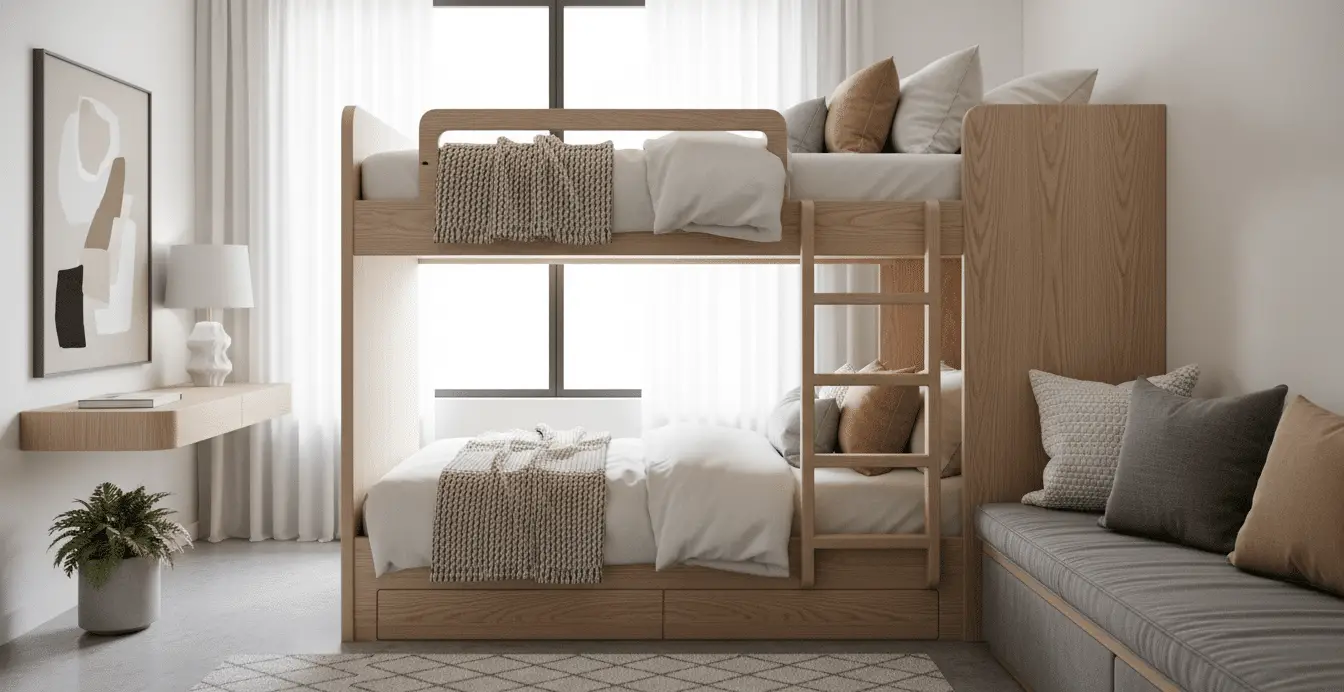
How to Style Bunk Bedroom Ideas Like a Pro: Smart, Stylish, and Functional Design Tips
Table of Contents
Introduction
Bunk bedrooms have long been a favorite solution for shared kids’ rooms, vacation homes, and guest spaces—but today, they’re more stylish and functional than ever. Families are discovering that bunk beds can offer far more than extra sleeping spots; they can completely transform a room, add personality, and maximize square footage in ways traditional beds simply can’t. Whether you’re designing a room for siblings, crafting a cozy sleepover space, or creating a bunk room that feels like a boutique retreat, mastering the styling makes all the difference.
Yet knowing how to style bunk bedroom ideas like a pro can feel overwhelming. How do designers make bunk rooms look so cohesive? What’s the secret to balancing aesthetics and practicality? And how can you make even a small room feel open, inviting, and beautifully organized?
This guide breaks down the expert strategies that interior designers use to elevate bunk bedrooms—from space planning and layered bedding to creative storage, lighting, and décor. Each section offers detailed techniques, real-world examples, and easy-to-follow visuals so you can design a bunk room that feels polished, intentional, and undeniably stylish. Whether you’re working with built-ins or freestanding bunks, you’ll learn exactly how to take your space to the next level.
Start With a Thoughtful Layout That Maximizes Every Inch
A well-designed bunk bedroom starts with a strategic layout. Before you think about décor, bedding, or paint colors, it’s crucial to understand how the bunk beds will influence movement, comfort, and functionality. Bunks have a larger footprint than many people realize, and their placement directly impacts how the rest of the room flows.
For small rooms, placing bunk beds against a single long wall keeps the walkway open and avoids crowding the center of the space. This creates symmetry and allows for additional furnishings like dressers or reading chairs. In larger rooms, you may have more freedom to angle bunks or choose corner placements, creating cozy sleeping zones that feel tucked away and intentional.
Consider ceiling height as well. Taller ceilings allow for loft-style bunks or the addition of built-in shelves above lower beds. Lower ceilings may require compact designs that prioritize comfort and safety. Either way, ensure adequate clearance for the top bunk so the sleeper can sit up without hitting the ceiling.
Traffic flow matters too. Kids should be able to climb in and out safely, navigate the room easily, and access storage without squeezing around furniture.
Layout Consideration Breakdown
| Layout Factor | Designer Recommendation | Why It Matters |
| Wall placement | Long wall or corner | Opens floor space |
| Ceiling height | Match bunk height to room | Improves comfort & safety |
| Traffic flow | Clear walkway around bunks | Prevents clutter and accidents |
| Room shape | Use vertical height smartly | Optimizes small or narrow rooms |
Choose the Right Style of Bunk Bed to Anchor the Room
The bunk bed you select will define the entire aesthetic of the bedroom. Designers treat the bunk bed as the main architectural moment of the space—meaning the style, material, and silhouette should align with the mood you want to create. Fortunately, there are many options, ranging from minimalist and modern to rustic, coastal, or playful.
Built-in bunks are the designer’s favorite choice. They create a custom, high-end look and can incorporate step drawers, shelves, lighting, and paneling for a seamless appearance. Built-ins maximize space because they’re crafted to fit the room’s exact dimensions. Even in small rooms, they create a polished feel that makes the bunk room look professionally styled.
Freestanding bunks are more budget-friendly and easier to swap out later. Today’s models offer sleek metal frames, curved wood designs, Scandinavian silhouettes, and traditional cottage-inspired looks. The key is choosing a style that complements the room’s theme—not competing with it.
Consider the functionality needs too. Does the room require a trundle bed for extra sleepers? Does one child need a desk beneath a loft-style bunk? Do you prefer stairs for safety or a compact ladder for space-saving? These decisions influence how livable the space will feel in daily use.
Bunk Bed Style Guide
| Bunk Type | Best For | Benefits |
| Built-in bunks | High-end, custom rooms | Seamless, efficient, cohesive |
| Freestanding bunks | Flexible layouts | Budget-friendly and movable |
| Loft bunks | Teen or single-kid rooms | Creates workspace underneath |
| Triple bunks | Large families, vacation homes | Maximizes sleeping capacity |
Choosing the perfect bunk bed sets the foundation for every styling decision that follows. It acts as both a functional centerpiece and a design statement, making your room instantly feel more intentional and cohesive.
Use Color and Texture to Create a Cohesive, Designer Look
Color and texture play essential roles in elevating bunk bedroom ideas from ordinary to professionally styled. Because bunk beds naturally introduce height and structure, using the right palette helps unify the room while preventing visual clutter.
For a calming, timeless look, choose a neutral base—think warm whites, soft taupes, smoky grays, or natural wood tones. These colors allow layered bedding and décor to shine without overwhelming the room. If you’re designing a more playful space, consider two-tone walls, bold accent colors, or wallpaper behind the beds to create depth and character.
Texture is equally critical. Bunk rooms can appear boxy due to the linear structure of the beds, so adding softness helps balance the architecture. Quilted bedding, plush pillows, woven throws, boucle furniture, and textured rugs all contribute to a more inviting atmosphere. Wallpaper with subtle texture—grasscloth, linen-look, or raised patterns—adds sophistication without competing visually.
To avoid a disjointed look, repeat key colors and materials throughout the room: if the bunk bed has natural wood elements, echo it through matching shelves, frames, or furniture finishes.
Color & Texture Coordination Table
| Element | Recommended Approach | Designer Benefit |
| Wall color | Neutrals or soft hues | Enhances spacious feeling |
| Accent colors | Repeated in bedding | Creates harmony |
| Textures | Mixed fabrics & rugs | Adds depth and warmth |
| Wallpaper | Single statement wall | Defines style without clutter |
Layer Bedding Like a Designer for a Luxurious Feel
Bedding is one of the most impactful ways to style bunk bedrooms like a pro. Even the simplest bunk beds can look high-end with the right layering. Designers approach bedding as both a functional necessity and a major styling opportunity.
Start with a fitted sheet and a lightweight coverlet or quilt. These lay flat and help maintain a tidy look—important for bunks since they are harder to make than standard beds. On top, add a duvet or blanket folded neatly at the foot of the bed to create dimension. Consider keeping the bedding palette cohesive while mixing patterns lightly—thin stripes, small checks, and subtle prints work beautifully together.
Pillows add personality but should remain practical. For the bottom bunk, use two sleeping pillows and one or two decorative ones. For the top bunk, limit the pillow count to avoid overcrowding and safety concerns. Euro shams on the bottom bunk add a hotel-like polish.
Texture choices matter here too. Linen bedding creates a relaxed look, cotton sateen feels crisp and polished, and heavier knits add warmth for colder seasons. Seasonal swaps give you flexibility to refresh the room without changing major décor pieces.
Designer Bedding Layering Table
| Bedding Layer | Purpose | Styling Tip |
| Fitted sheet | Base comfort | Use breathable materials |
| Quilt/coverlet | Everyday look | Choose soft, washable textures |
| Duvet | Warmth + depth | Fold neatly for designer style |
| Pillows | Comfort + décor | Mix patterns subtly for cohesion |
Layered bedding makes each bunk feel personal and inviting—an important touch when multiple kids or guests share a room.
Add Creative Storage Solutions to Keep the Room Organized
Shared rooms require thoughtful storage, especially when bunk beds are involved. Without smart storage, clutter builds quickly and disrupts the polished look you’re trying to achieve. Designers integrate storage subtly so that the room feels both beautiful and functional.
Under-bed drawers are ideal for storing bedding, seasonal clothes, or toys. Many built-in bunks feature cubbies or shelves at the head or foot of the bed, offering convenient spots for personal items, books, or nightlights. Adding hooks on the wall or the side of the bunk can keep backpacks, robes, or headphones off the floor.
For rooms shared by multiple kids, consider giving each child their own bin, drawer, or shelf. This fosters independence and reduces arguments over misplaced belongings. If space allows, adding a narrow dresser or tall shelving unit keeps clothing organized without taking up too much room.
Storage Strategy Table
| Storage Type | Best Use | Benefit |
| Under-bed drawers | Bedding & clothes | Hidden, spacious storage |
| Wall hooks | Bags & accessories | Minimizes floor clutter |
| Built-in cubbies | Books or décor | Adds function to bunks |
| Tall shelves | Clothes or toys | Saves floor space |
Use Lighting to Elevate Mood and Functionality
Good lighting transforms a bunk room from ordinary to irresistible. Because bunk beds block some natural light, designers rely on layered lighting to brighten the room and create cozy nighttime ambiance.
Individual reading lights for each bunk are both practical and stylish. Choose wall-mounted sconces, clip-on lamps, or battery-operated lights to avoid unsafe wiring. Soft-glow bulbs prevent glare and help kids wind down.
Ambient lighting—such as ceiling fixtures, pendant lights, or flush mounts—sets the overall tone. For a playful but polished look, consider rattan pendants, globe lights, or simple drum shades. String lights can enhance a whimsical theme but should be placed safely out of reach.
Nightlights are essential for younger kids or guests unfamiliar with the room. Place them strategically along pathways or near ladders or stairs for safety.
Lighting Techniques Breakdown
| Lighting Type | Room Placement | Impact |
| Reading lights | Each bunk | Personalized comfort |
| Overhead fixture | Center of room | Even illumination |
| Accent lights | Shelves, corners | Adds warmth & style |
| Nightlights | Floor or pathway | Enhances safety |
Add Finishing Touches and Personalized Décor
The final step in styling bunk bedroom ideas like a pro is adding décor that reflects personality while maintaining cohesion. Artwork, rugs, wall décor, and small accents bring warmth and character without overpowering the room.
Start with rugs—they anchor the space and soften the floor. Choose natural woven textures for a warm modern look or plush rugs for kid-friendly comfort. Coordinate stripes, dots, or subtle patterns with your bedding palette.
Artwork should complement the room’s theme. Framed prints, fabric banners, wood signs, or even a simple gallery wall help bring visual interest. For bunk rooms, place décor slightly higher to account for the vertical structure of the beds.
Plants—real or faux—add freshness and warmth. Use small ones on shelves or larger ones in corners to fill empty spaces. Personalized touches like name plaques, color-coded baskets, or individual shelves help each child feel ownership over their bunk.
Décor Ideas Table
| Item | Ideal Placement | Designer Effect |
| Rug | Center of room | Adds warmth & structure |
| Wall art | Above bunks or dresser | Creates focal point |
| Plants | Corner or shelves | Brings life to the space |
| Personal touches | Each bunk area | Enhances individuality |
Conclusion
Styling a bunk bedroom like a pro requires thoughtful planning, creative layering, and a balance of function and beauty. From selecting the right bunk bed style to choosing textures, lighting, and décor that elevate the entire space, every detail contributes to a room that feels cohesive and well-designed. Bunk bedrooms have the potential to be some of the most charming and memorable rooms in a home—spaces that support rest, play, imagination, and connection. With intentional choices and designer-inspired strategies, you can create a bunk room that feels timeless, functional, and effortlessly stylish.