
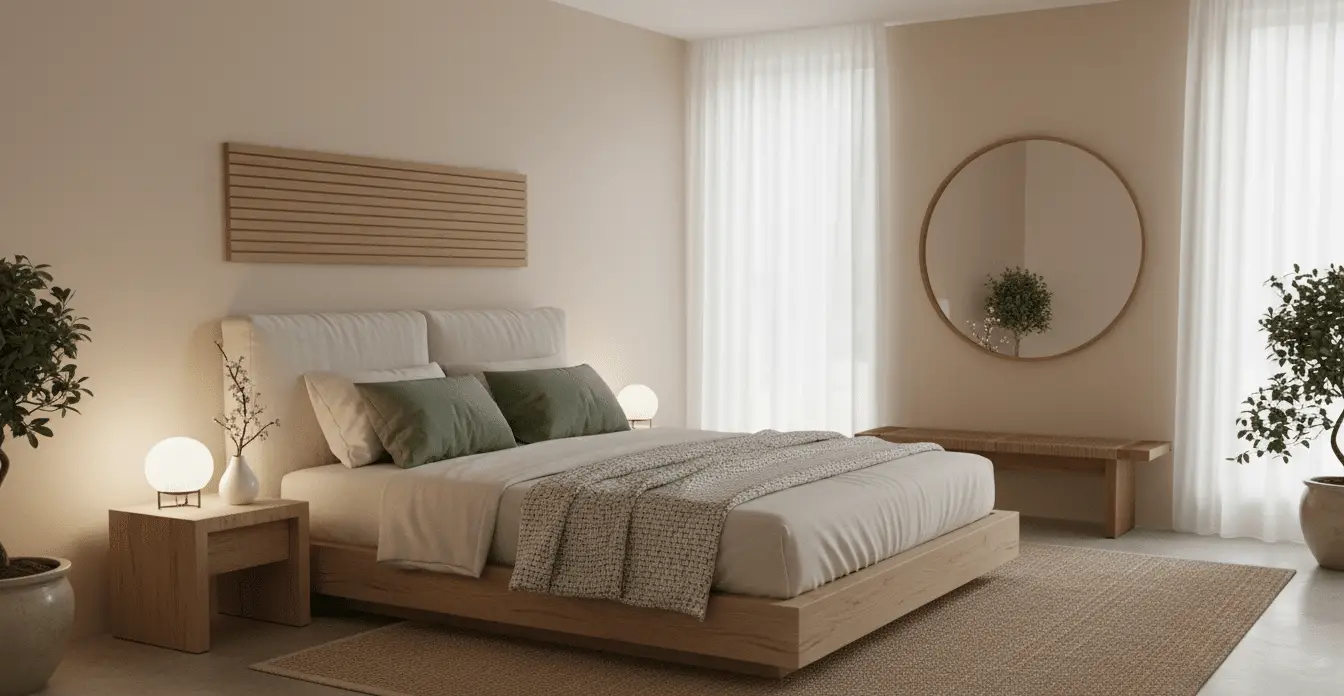
How to Design a Zen Bedroom Retreat at Home: Calm, Minimalist, and Mindful Interior Tips
Table of Contents
Introduction
In a world where nearly 60% of adults report feeling stressed or overwhelmed daily, the bedroom has become more than a place to sleep—it’s a sanctuary. The concept of Zen-inspired décor has grown rapidly in popularity for this very reason. Homeowners seek a calm, grounding space that promotes peace, relaxation, and emotional clarity. A Zen bedroom retreat balances minimalism with warmth, simplicity with intention, and beauty with mindfulness, making every design choice feel purposeful.
Creating a Zen bedroom isn’t about adopting a trend; it’s about cultivating an environment that nurtures your well-being. The colors you choose, the furniture you select, the lighting, the texture, and even how you arrange the room all influence your emotional state. Designing a Zen retreat at home brings the serenity of nature indoors and supports a healthier, more mindful lifestyle.
In this article, we will explore how to build a Zen bedroom retreat step-by-step. You’ll learn how to incorporate calming color palettes, natural materials, minimalist furniture layouts, mindful décor choices, soft lighting solutions, and grounding sensory elements. Each section includes detailed guidance and visual breakdowns crafted to help you transform your bedroom into a peaceful refuge where rest comes naturally.
Choosing a Calming Zen Color Palette for Your Bedroom
A Zen bedroom begins with its color palette. Color has a profound effect on mood and energy, and Zen-inspired design draws from nature’s most comforting tones. Soft neutrals, earthy hues, and muted warm shades create an atmosphere that encourages stillness and relaxation. These tones mimic natural landscapes—sand, stone, mist, earth—making the space feel grounded and harmonious.
When selecting colors, consider how you want to feel in your bedroom. Shades like soft beige, warm taupe, gentle greys, and pale greens evoke tranquility and openness. These hues pair effortlessly with natural wood, woven textures, and organic materials often used in Zen styling. A monochromatic or tonal approach works best because it minimizes visual clutter and keeps the room cohesive.
You can introduce color subtly through textured bedding, throw pillows, pottery, or wall art, but restraint is key. Zen design emphasizes calm simplicity, so avoid overly saturated or contrasting colors that might break the peaceful flow. Whether you prefer a warm or cool palette, aim for colors that create visual softness and promote relaxation.
Visual Breakdown: Zen Color Palette Inspirations
| Color Category | Effect | Best Use |
| Soft Neutrals | Calm + grounding | Walls, bedding, curtains |
| Earthy Tones | Warm + cozy | Rugs, décor accents |
| Muted Greens | Refreshing + natural | Plants, pillows |
| Warm Greys | Minimalist + modern | Furniture, blankets |
Incorporating Natural Materials for an Authentic Zen Retreat
Natural materials play a significant role in bringing a Zen bedroom retreat to life. They introduce texture, grounding energy, and organic warmth that synthetic materials often lack. Zen design emphasizes harmony with nature, so incorporating wood, stone, bamboo, linen, and wool creates an environment that feels peaceful and restorative.
One of the most impactful materials is natural wood. Whether in bed frames, nightstands, or shelving, wood brings depth and softness through its grain and organic tones. Light woods like oak, birch, and bamboo reinforce the airy, uncluttered look of Zen design. Stone elements—such as river stones in décor bowls or slate accents—connect the space to earthiness and create subtle texture that enriches the room without overwhelming it.
Linen bedding, cotton blankets, and wool rugs help soften the sharp lines of furniture. These textiles feel comforting to the touch and visually relaxing, making them ideal for a Zen atmosphere. Bamboo accents—such as blinds, lamps, or trays—add lightness and complement both warm and cool palettes.
Incorporating plants is another way to use natural elements meaningfully. Greenery enhances air quality and symbolizes life, growth, and tranquility. Even one or two potted plants can bring vitality while maintaining simplicity.
The goal is to allow natural textures and materials to shine without competing with one another. Rather than cluttering the space with too many items, choose a few well-made pieces that reflect craftsmanship and intentional design. Simplicity transforms the bedroom from a functional space into a personal retreat where the mind can rest and the body can recharge.
Visual Breakdown: Natural Materials and Their Uses
| Material | Benefits | Ideal Placement |
| Wood | Warm + grounding | Furniture, shelving |
| Linen | Soft + breathable | Bedding, curtains |
| Stone | Textural + grounding | Décor bowls, accents |
| Bamboo | Light + organic | Blinds, trays, lamps |
Creating a Minimalist Layout for a Zen Bedroom
A Zen retreat is rooted in simplicity, and that starts with the layout. Minimalism in Zen design isn’t about empty space—it’s about intentional space. Each item in the room should serve a purpose, contributing to comfort, clarity, or beauty. A clutter-free layout encourages the mind to slow down and helps create an environment conducive to restorative rest.
Start by removing unnecessary items. Zen spaces thrive on openness, so eliminate visual noise such as excess décor, busy patterns, or bulky furniture. Next, arrange your bed as the focal point. Ideally, the bed should be positioned so that you can see the entrance but remain shielded from direct foot traffic, reflecting principles of balance and protection inspired by Feng Shui.
Furniture should be low-profile and simple, mirroring the calm flow of the room. Avoid overfilling the space; instead, choose furniture pieces that fit comfortably and leave generous breathing room. Nightstands, if used, should be streamlined and uncluttered. Hidden storage solutions such as under-bed drawers or minimalist benches help maintain order without disrupting aesthetics.
Lighting placement also influences layout. Soft, diffused lighting positioned around the room creates a soothing glow that supports the minimalist aesthetic. Lamps with warm tones near seating areas or beside the bed reinforce the sense of calm.
Visual Breakdown: Minimalist Layout Principles
| Principle | Purpose | Example |
| Clear Pathways | Reduces stress | Open walking areas |
| Bed Placement | Enhances balance | Centered or facing entrance |
| Low Furniture | Calming + grounded | Platform bed |
| Hidden Storage | Maintains minimalism | Under-bed drawers |
Using Soft Lighting to Set a Peaceful Mood in a Zen Bedroom
Lighting plays a transformative role in the atmosphere of a Zen bedroom retreat. Harsh overhead lighting disrupts relaxation, while soft, diffused illumination promotes calm and mindfulness. Zen-inspired lighting should mimic nature—warm, gentle, and soothing.
Start by replacing bright white bulbs with warm-toned LED or soft Edison-style bulbs. These create ambient light that feels comforting rather than clinical. Table lamps with paper, linen, or frosted glass shades soften glare and cast beautiful shadows around the room. Lantern-style lamps inspired by Japanese and Scandinavian design also complement Zen décor with their delicate glow.
Layering lighting sources enhances versatility. Ambient lighting forms the base, task lighting supports reading or meditation, and accent lighting highlights natural materials or art. Salt lamps, candle-style LED lights, and low-profile sconces introduce subtle radiance without overpowering the senses. If your bedroom has large windows, maximize natural light during the day—sunlight is one of the most grounding and energizing elements of Zen design.
Visual Breakdown: Lighting Types for Zen Bedrooms
| Lighting Style | Mood | Best Use |
| Warm Ambient | Soft + calming | Table lamps, floor lamps |
| Accent Lighting | Highlighting | Wall sconces, shelf lights |
| Natural Light | Energizing + grounding | Windows, sheer curtains |
| LED Candles | Gentle + peaceful | Meditation corners |
Curating Zen-Inspired Décor and Art for a Tranquil Space
Décor in a Zen bedroom should evoke peace, purpose, and mindfulness. Unlike maximalist styles that celebrate abundance, Zen décor focuses on simplicity—each object has meaning and contributes to the overall serenity of the space. Choosing décor intentionally ensures that your room remains uncluttered yet visually rich.
Start with nature-inspired artwork such as minimalist prints of trees, mountains, or abstract water elements. These images evoke grounding emotions and connect the bedroom to the natural world. Choose frames in natural wood or soft black to maintain a harmonious palette. Sculptural décor made of stone or ceramic can add tactile appeal without overwhelming visual simplicity.
Textiles also function as décor in a Zen retreat. A soft throw blanket in muted tones or a meditation cushion placed thoughtfully adds comfort and personality. Plants work as natural décor elements, bringing life and balance. Choose species that thrive in low light if your bedroom lacks sunlight; their presence supports the Zen idea of harmonious energy flow.
Avoid overcrowding. A single statement vase, an art piece, or a woven basket can suffice. The goal is to curate, not decorate excessively. The most beautiful Zen bedrooms feel intentional and uncluttered, reflecting the essence of mindfulness and calm.
Visual Breakdown: Key Décor Elements for Zen Bedrooms
| Décor Type | Purpose | Suggested Materials |
| Artwork | Calming focus | Minimalist prints, nature themes |
| Sculptural Pieces | Texture + grounding | Stone, ceramic |
| Plants | Life + tranquility | Green foliage |
| Baskets | Soft organization | Woven fibers |
Incorporating Sensory Elements to Deepen the Zen Retreat Experience
While décor and layout shape how your Zen bedroom looks, sensory elements influence how it feels. Zen design embraces multi-sensory balance—sight, sound, touch, and smell—all working together to create an immersive retreat.
Soft textures such as linen, cotton, wool, and bamboo enhance tactile comfort. A plush rug underfoot or breathable linen sheets can make everyday routines feel like acts of self-care. Aroma plays a powerful role as well. Essential oils like lavender, sandalwood, and eucalyptus evoke tranquility. Using a diffuser or natural soy candles adds subtle fragrance without overwhelming the space.
Sound also contributes to the Zen experience. Consider adding a small tabletop fountain or playing gentle nature sounds to promote relaxation. Even silence can feel restorative when the room is intentionally designed to support mindfulness.
Temperature control matters too—keeping the room cool, between 65 and 70 degrees, aids relaxation and sleep quality. Weighted blankets, light drapes, and blackout curtains can help tune the sensory experience to your needs.
Visual Breakdown: Sensory Elements for Zen Bedrooms
| Sensory Type | Benefit | Examples |
| Scent | Calming | Lavender diffuser |
| Sound | Grounding | Water fountain |
| Texture | Comfort | Linen bedding |
| Temperature | Restorative | Cool room environment |
Conclusion
Designing a Zen bedroom retreat at home is a beautiful way to cultivate peace, clarity, and well-being in your daily life. Through calming color palettes, natural materials, minimalist layouts, soft lighting, mindful décor, and soothing sensory elements, you can turn your bedroom into a sanctuary that supports deep rest and emotional balance. Each choice you make—whether a linen throw, a wooden bedframe, or a softly glowing lamp—contributes to a harmonious space where your mind and body can truly unwind. A Zen bedroom isn’t about perfection; it’s about intention, presence, and creating a home environment that nurtures your inner calm.