
Minimalist Front Entryway Ideas for Clean Design: Stylish Ways to Transform Your Home’s First Impression
Table of Contents
Introduction
A home’s entryway is one of the most significant yet often overlooked areas in interior design. It’s the first glimpse visitors have into your space and the first environment you step into after a long day. When clutter builds up—shoes scattered, bags tossed aside, mail piling high—the entryway can quickly become a source of stress rather than serenity. Minimalist design offers a refreshing antidote by stripping away unnecessary visual noise and emphasizing intention, simplicity, and function.
A minimalist front entryway focuses on creating an environment that feels clean, calm, and purposeful. Every item has a clear role, every design choice contributes to a sense of ease, and every detail supports your daily routines. This approach is especially effective for small spaces but beautifully elevates entryways of all sizes.
In this guide, you’ll discover practical and inspiring minimalist front entryway ideas grounded in clean design principles. From furniture choices that maximize space to clever storage strategies, soft color palettes, and thoughtful décor, each section will walk you through transforming your entrance into a stylish yet understated gateway to your home. Whether starting from scratch or refreshing your current setup, these ideas will help you create an entryway that welcomes you home with clarity and intention.
Creating a Purposeful and Clutter-Free Entryway
A minimalist front entryway begins by removing anything that isn’t essential. Clutter builds quickly in this transitional space, so establishing clear zones for belongings creates both visual and functional order. Start by evaluating the items that tend to accumulate by your door—shoes, jackets, purses, mail—and determine which truly need to live there. Often, a significant portion can be relocated, leaving space only for daily essentials.
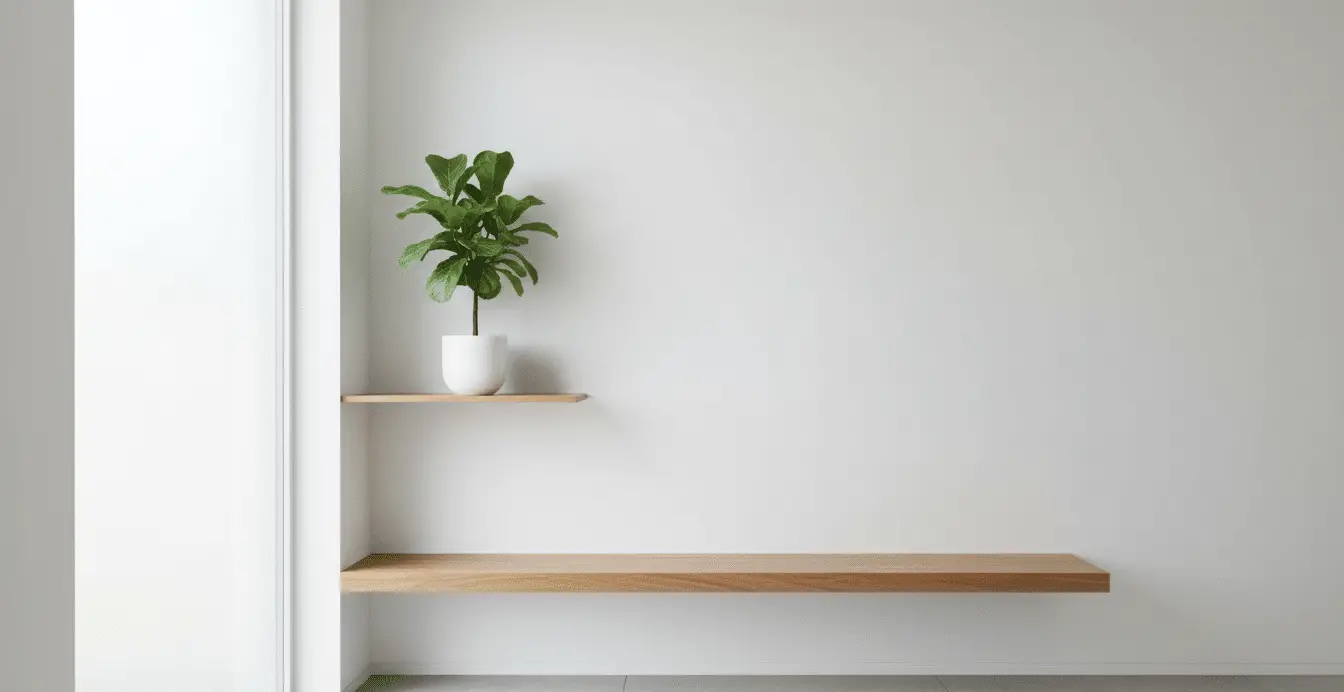
Once excess items are cleared, select furnishings that support a seamless arrival and departure routine. A slim bench offers a place to sit while removing shoes, while a wall-mounted shelf or floating console creates a spot for keys and mail without adding bulk. The key is simplicity: clean lines, smooth textures, and understated shapes bring calm into the space and prevent visual overload.
For color and décor, choose neutrality. Soft whites, beige tones, warm woods, and matte black accents work beautifully in a minimalist entryway. These hues bring quiet sophistication while remaining adaptable to seasonal or occasional décor changes. Well-chosen accents—such as a ceramic bowl, a single plant, or a soft rug—add personality without cluttering the environment.
Visual Breakdown: Essentials for a Clutter-Free Entryway
| Essential Item | Purpose | Minimalist Benefit |
| Slim bench | Seating + shoe organization | Keeps floor visible and tidy |
| Floating shelf | Daily drop zone | Maintains open visual lines |
| Wall hooks | Bags, jackets, hats | Reduces bulky furniture needs |
| Single décor piece | Style accent | Avoids visual overcrowding |
Choosing the Right Minimalist Furniture
The furniture you choose for a minimalist entryway plays a crucial role in the overall look and functionality of the space. Minimalist furniture should make movement easy and preserve negative space, which enhances the feeling of openness. Select pieces with slim profiles, clean silhouettes, and light or neutral finishes. These elements prevent the entryway from feeling cramped and create a cohesive design foundation.
Open-frame console tables are excellent for minimalist spaces because they visually “float” and allow light to move freely around them. Narrow benches with hidden compartments or cubbies offer a blend of style and practicality. Natural wood finishes pair beautifully with modern metal accents, creating a balanced and expressive look without adding clutter.
Mirrors also serve as valuable furniture elements in a minimalist entryway. A tall mirror elongates the space, reflects light, and adds dimension without contributing physical bulk. Select a frameless or thin-framed design for the cleanest aesthetic.
Avoid overfilling the area. In a minimalist layout, fewer pieces chosen intentionally will always outperform multiple pieces chosen simply to fill space. Prioritize quality, purpose, and timeless style over trend-driven items. This approach supports longevity while keeping your entryway uncluttered and striking in its simplicity.
Furniture Selection Breakdown
| Furniture Type | Best Features | Why It Works in Minimalism |
| Narrow console table | Slim silhouette, open frame | Preserves visual airflow |
| Storage bench | Concealed compartments | Reduces visible clutter |
| Wall-mounted shelf | Floating look | Adds function without bulk |
| Minimalist mirror | Reflective, simple frame | Expands and brightens space |
Maximizing Storage without Sacrificing Style
Storage is at the heart of any functional front entryway, but in minimalist design, storage must disappear into the environment rather than dominate it. The challenge is balancing everyday convenience with clean visual lines, creating systems that hold essential items without drawing attention to themselves.
Start by introducing vertical storage solutions. Wall hooks, floating shelves, and narrow cabinets use height effectively while keeping the floor open. Choose hardware that complements the minimalist aesthetic—matte black, brushed nickel, or subtle wooden pegs. These small details ensure your storage solutions blend seamlessly with the rest of the space.
Consider multifunctional furniture as an essential part of your minimalist clean design strategy. Benches with lift-up seats, consoles with hidden drawers, or woven baskets tucked neatly beneath shelves can store shoes, scarves, umbrellas, and other necessities. This type of storage keeps the environment tidy while preserving a sense of openness.
Consistent materials and colors play a vital role as well. When storage containers match or complement the existing palette, the entire area feels cohesive and polished. Opt for natural fibers, simple wooden boxes, or matte-finished bins.
Storage Strategy Breakdown
| Storage Type | Ideal Use | Design Impact |
| Closed baskets | Shoes, accessories | Hides clutter instantly |
| Wall hooks | Daily-wear jackets, bags | Keeps floor space clear |
| Floating cabinets | Mail, small items | Adds structure subtly |
| Under-bench storage | Shoes, pet gear | Maximizes small spaces |
Using Light, Color, and Texture to Enhance Clean Design
A minimalist front entryway thrives on a strategic interplay of light, color, and texture. These three elements work together to create depth, warmth, and visual clarity without relying on excess décor. The right combination turns even a small or narrow entryway into an airy, welcoming space.
Natural light is one of the most powerful design tools in minimalism. If your entryway lacks windows, consider using mirrors, translucent materials, or lighter wall colors to reflect and enhance brightness. A single pendant or wall sconce with a simple shape can also distribute soft illumination that complements the clean aesthetic.
Neutral color palettes—creamy whites, muted grays, warm beiges, or soft taupes—create a serene backdrop for minimalist design. These tones provide visual continuity and allow your furniture and décor to remain understated yet impactful. Accent colors should be minimal and used sparingly, often through natural elements like plants, ceramics, or unpolished stone.
Texture adds dimension without clutter. Consider pairing a smooth console surface with a woven basket, a wool rug, or a matte-finished mirror frame. Combining subtle textures enhances the tactile experience of the entryway while staying true to minimalist principles.
Color & Texture Guide
| Element | Recommended Choice | Minimalist Effect |
| Wall color | Soft neutrals | Creates airy, calm atmosphere |
| Lighting | Warm white, simple fixtures | Enhances clarity and flow |
| Rug texture | Wool or flatweave | Adds depth without bulk |
| Décor materials | Ceramic, wood, stone | Brings natural elegance |
PERSONAL TOUCHES THAT COMPLEMENT MINIMALIST DESIGN
Minimalism does not mean removing all personality. Instead, it encourages thoughtful choices that highlight your style without creating clutter. A personal touch in a minimalist front entryway should be subtle, meaningful, and consistent with the space’s clean design.
Consider adding a single sculptural piece, such as a ceramic vase or modern bowl. Artwork can also work beautifully when chosen with restraint—think monochrome prints, abstract line drawings, or natural photography. These elements bring soul to the space without overwhelming it.
Plants offer another organic way to personalize a minimalist entryway. A small potted plant on a console or a taller floor plant in a simple vessel can introduce life, color, and texture. The key is simplicity; choose plant varieties with clean shapes and avoid overcrowding surfaces.
Another personal touch involves scent. Natural diffusers, subtle room sprays, or essential oil blends can create an inviting olfactory experience that sets a calming tone the moment you step inside.
Minimalist Personalization Table
| Personal Element | Purpose | Best Use in Minimalism |
| Sculptural décor | Adds artistic interest | Use as a singular focal point |
| Minimalist artwork | Visual personality | Keep frames simple and neutral |
| Plants | Organic warmth | Select a few intentional pieces |
| Home scents | Sensory atmosphere | Stick to subtle, natural fragrances |
Conclusion
A minimalist front entryway is more than a design choice—it is an intentional way of shaping how you experience your home. By focusing on simplicity, purposeful décor, thoughtful storage, and harmonious furniture, you can transform your entryway into a space that welcomes you with clarity and calm. Minimalism doesn’t require removing all personality; rather, it invites you to choose each element with care. When executed well, your entryway becomes not just a passage but a peaceful introduction to your living environment. The beauty of clean design is timeless, functional, and deeply supportive of everyday living.