
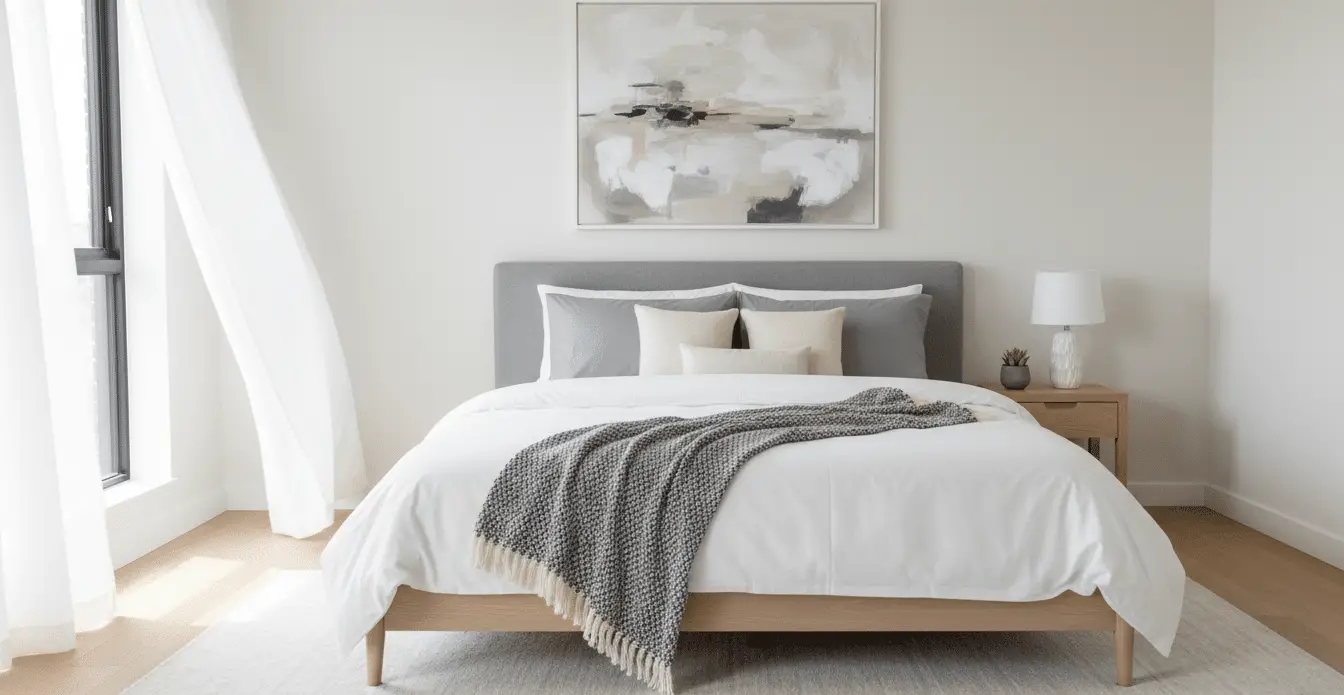
Minimalist Bed Styling Ideas for Clean and Calm Bedrooms That Inspire Rest
Table of Contents
Introduction
In a world filled with constant noise, visual clutter, and overflowing to-do lists, it’s no surprise that minimalist bedroom design has become a growing trend. Studies show that reducing clutter in the bedroom can significantly improve sleep quality, mental clarity, and overall emotional well-being. The bed—the heart of any bedroom—plays the most influential role in setting the tone of the space. When styled with intention, it becomes more than a place to rest; it becomes a sanctuary of calm.
Minimalist bed styling focuses on simplicity, function, and serenity, but it doesn’t mean the look should feel bare or cold. Instead, it’s about choosing thoughtful pieces, harmonious color palettes, and subtle textures that work together to create balance. Whether you’re drawn to Scandinavian influences, Japanese Zen aesthetics, or modern minimalism, the principles remain the same: less clutter, more purpose, and elevated comfort.
This guide explores beautiful yet practical minimalist bed styling ideas to help you create a clean and calming retreat. You’ll learn how to build the perfect bedding layers, choose the right tones, incorporate natural materials, and apply intentional décor. Each section provides expert insights, step-by-step tips, and thoughtful examples so you can transform your bedroom into a space that feels effortlessly peaceful and visually refined.
Choosing the Right Color Palette for Minimalist Bed Styling
A minimalist color palette is the foundation of a calm bedroom. Neutral shades like white, cream, taupe, charcoal, and warm greys create a sense of balance and openness, allowing the bed to feel clean and uncluttered. Selecting the right palette is essential because colors influence mood, light reflection, and overall harmony within the space.
Cool neutrals create an airy, serene environment ideal for those who prefer a crisp and modern look. Warm neutrals, on the other hand, bring softness and comfort—perfect for bedrooms that aim for a cozy, organic feel. Monochrome palettes also work beautifully, offering a sophisticated, tonal approach to minimalism. Regardless of which palette resonates with your style, consistency is key. Using too many contrasting colors can disrupt the calm atmosphere.
Your palette should also consider natural light. Bright rooms can support deeper neutrals, while dimmer spaces benefit from lighter shades that enhance brightness. Layering subtle color variations prevents the room from feeling flat while maintaining the minimalist essence. For example, pairing a white duvet with oatmeal-toned pillows and a soft grey throw adds visual interest without introducing overwhelm.
Color Palette Breakdown
| Color Category | Mood Created | Best For |
| Cool Neutrals | Clean & airy | Modern minimalist rooms |
| Warm Neutrals | Soft & inviting | Cozy minimalist styles |
| Monochrome | Sophisticated & sleek | Contemporary spaces |
Layering Minimalist Bedding with Purpose and Simplicity
Minimalist bedding is all about intentional layering—each piece serves both comfort and visual clarity. Instead of piling on unnecessary textures or patterns, minimalist bed styling focuses on selecting a few high-quality items that create depth without clutter. Begin with crisp foundational pieces like a fitted sheet and duvet cover in soft neutral tones. These set the visual base and ensure the bed looks fresh and pulled together even with minimal accessories.
Next, introduce subtle layers through pillows and lightweight throws. Decorative pillows should be kept to a minimum—usually two standard pillows and one lumbar or accent pillow. By using high-quality fabrics such as linen, cotton, or bamboo, you elevate the bedding’s tactile experience while keeping the aesthetic clean. Throws should be draped with intention, ideally in soft folds or a neat placement at the foot of the bed.
The minimalist approach doesn’t eliminate comfort—it enhances it by removing distractions. Natural fabrics support breathability, temperature balance, and relaxation. The bedding should feel effortlessly stylish rather than overloaded. Avoid overly bold prints; instead, choose light patterns like subtle stripes or tone-on-tone textures that maintain simplicity while adding soft dimension.
Minimalist Bedding Breakdown
| Bedding Layer | Material Recommendation | Styling Purpose |
| Sheets & Duvet | Cotton, linen, bamboo | Clean foundation |
| Pillows | Neutral, minimal sets | Soft texture |
| Throw Blanket | Waffle knit, light wool | Subtle layering |
Incorporating Natural Materials for a Calm Bedroom Environment
Natural materials enhance the calming essence of a minimalist bedroom by grounding the space with organic warmth and subtle texture. Elements such as wood, stone, cotton, linen, clay, and woven fibers introduce a sense of earthiness that balances the simplicity of minimalist styling. These materials help establish emotional comfort and visual softness—key characteristics of peaceful bedroom design.
Wood is one of the most versatile materials to incorporate. A wooden bed frame, bedside table, or bench adds warm undertones that counterbalance cooler bedding tones. Whether you prefer light oak for a Scandinavian feel or walnut for a deeper aesthetic, natural wood enriches the room’s tactile elements. Stone accessories—like minimalist vases or ceramic lamps—bring structure and grounding to the design without overwhelming the space.
Linen and cotton textiles complement natural materials effortlessly. Their organic fibers create breathable comfort and understated texture that aligns with minimalist philosophy. Woven baskets placed near the bed offer functional storage while maintaining the clean, calm atmosphere. Even small choices, like a clay pot on the nightstand or a jute rug under the bed, contribute to the overall serenity.
Natural Material Breakdown
| Material | Benefit | Ideal Use |
| Wood | Warmth & grounding | Bed frame, furniture |
| Linen | Breathability & texture | Bedding & pillows |
| Clay/Stone | Structure & simplicity | Lamps, vases |
Streamlining Bedside Decor for a Clean Aesthetic
Bedside décor often becomes a clutter zone, but in minimalist bed styling, it transforms into a purposeful extension of the room’s calm energy. Streamlining bedside décor means choosing only a few meaningful pieces that serve both function and beauty. The goal is to maintain an open, breathable space while still ensuring that your bedside area feels personalized and practical.
Begin by selecting a simple, clean-lined nightstand—either floating or standing—that complements your bed frame. Choose one or two essential items, such as a sculptural lamp, a ceramic dish for small objects, or a minimalist alarm clock. Adding a small vase with a single branch or flower introduces nature in the most refined way. Limit additional décor to avoid crowding the surface.
Hidden storage plays a vital role in maintaining simplicity. Consider drawers, baskets, or even under-bed organizers to keep bedside clutter out of sight. Charging stations should be streamlined, with concealed or minimal cords to preserve visual calm. A single stack of books or a neatly placed journal can be included, provided the arrangement feels intentional.
Bedside Décor Breakdown
| Item | Purpose | Styling Notes |
| Lamp | Ambient lighting | Sculptural or simple |
| Small Dish | Functional catchall | Ceramic or stone |
| Vase/Branch | Natural element | Minimal arrangement |
Using Texture to Add Warmth Without Visual Clutter
Texture is one of the most powerful tools in minimalist bedroom design because it adds depth and warmth without introducing clutter or overwhelming the eye. When styled thoughtfully, texture creates visual and tactile richness that elevates the entire room. In minimalist bed styling, texture replaces patterns and heavy décor as the main source of interest, maintaining simplicity while preventing the space from feeling cold or flat.
Begin by introducing layered textiles—linen bedding, cotton sheets, and soft wool throw blankets. These materials subtly contrast with each other while remaining consistent in tone. Linen wrinkles naturally, adding organic charm that complements minimalist aesthetics. Waffle-knit blankets or lightly textured throws introduce dimension without becoming the focal point.
Texture can extend beyond bedding as well. A woven headboard, wooden nightstand, or boucle accent cushion adds a tactile experience that enhances coziness. Incorporating textured rugs, such as jute or low-pile wool rugs, softens the hard surface of the floor, visually warming the room. Keeping the textures within a neutral color palette ensures cohesiveness.
Texture also influences the room’s sensory impact. Soft materials promote relaxation, while natural textures connect your bedroom to the outdoors. Instead of relying on ornamentation, texture creates a quiet sophistication that aligns perfectly with minimalist principles.
Texture Integration Breakdown
| Texture Type | Material | Benefit |
| Soft Textiles | Linen, cotton, wool | Comfort & layering |
| Structured Textures | Woven fibers | Earthy warmth |
| Natural Hard Textures | Wood, clay | Grounding presence |
Balancing Negative Space for a Clean and Calm Look
Negative space—intentional emptiness—plays an essential role in minimalist bed styling. It allows the eyes to rest and helps the room feel open, uncluttered, and peaceful. Many people mistakenly try to fill every inch of space, but true minimalist design embraces spaciousness as part of the beauty.
In bed styling, negative space appears through clean headboard walls, limited décor, and sleek bedding layers. A bed with fewer pillows, for example, draws attention to the simplicity of the design. Leaving space above the bed—rather than filling it with multiple frames—can enhance calmness. A single large artwork or no artwork at all preserves visual clarity.
Negative space also influences furniture placement. Keeping a clear pathway around the bed and avoiding excessive furniture prevents the room from feeling crowded. Nightstands should have space around them, and accessories should not compete with each other. Even between textiles, allowing areas of smooth fabric or open surfaces creates a balanced, airy feel.
The goal is not emptiness but intention. You’re choosing what belongs in the room, not removing items arbitrarily. Thoughtful spacing enhances the room’s functionality and elevates each design element by giving it room to breathe.
Negative Space Breakdown
| Area of Use | Impact | Styling Strategy |
| Wall Space | Visual calm | Minimal art |
| Bed Surface | Clean aesthetic | Fewer pillows |
| Floor Area | Openness | Avoid bulky furniture |
Adding Subtle Decorative Accents to Enhance Minimalism
Even minimalist bed styling benefits from a few decorative accents—used mindfully. The key is selecting items that enhance rather than distract. Subtle accents might include a single ceramic vase, a sculptural object, or a delicate wall sconce. Each piece should complement the overall palette and echo the room’s textures.
Choose décor that aligns with your room’s energy. Organic shapes soften the linear quality of minimalist design, while geometric pieces emphasize structure. Scented candles, neutral-toned artwork, or a small stack of elegant books can add personalization with restraint. The goal is harmony, not maximalism.
Accent Styling Breakdown
| Accent Type | Benefit | Best Use |
| Ceramic Vases | Soft visual detail | Nightstands |
| Sculptures | Artistic interest | Shelves |
| Candles | Sensory calm | Bedside |
Conclusion
Minimalist bed styling transforms the bedroom into a serene refuge where simplicity and intention guide every design choice. By selecting calm color palettes, layering bedding with purpose, incorporating natural materials, and balancing texture and negative space, you create a bedroom that supports rest, clarity, and emotional well-being. Minimalism is not about removing personality but elevating it through thoughtful design. With each element working harmoniously, your bedroom becomes a peaceful sanctuary that feels both timeless and deeply comforting.