
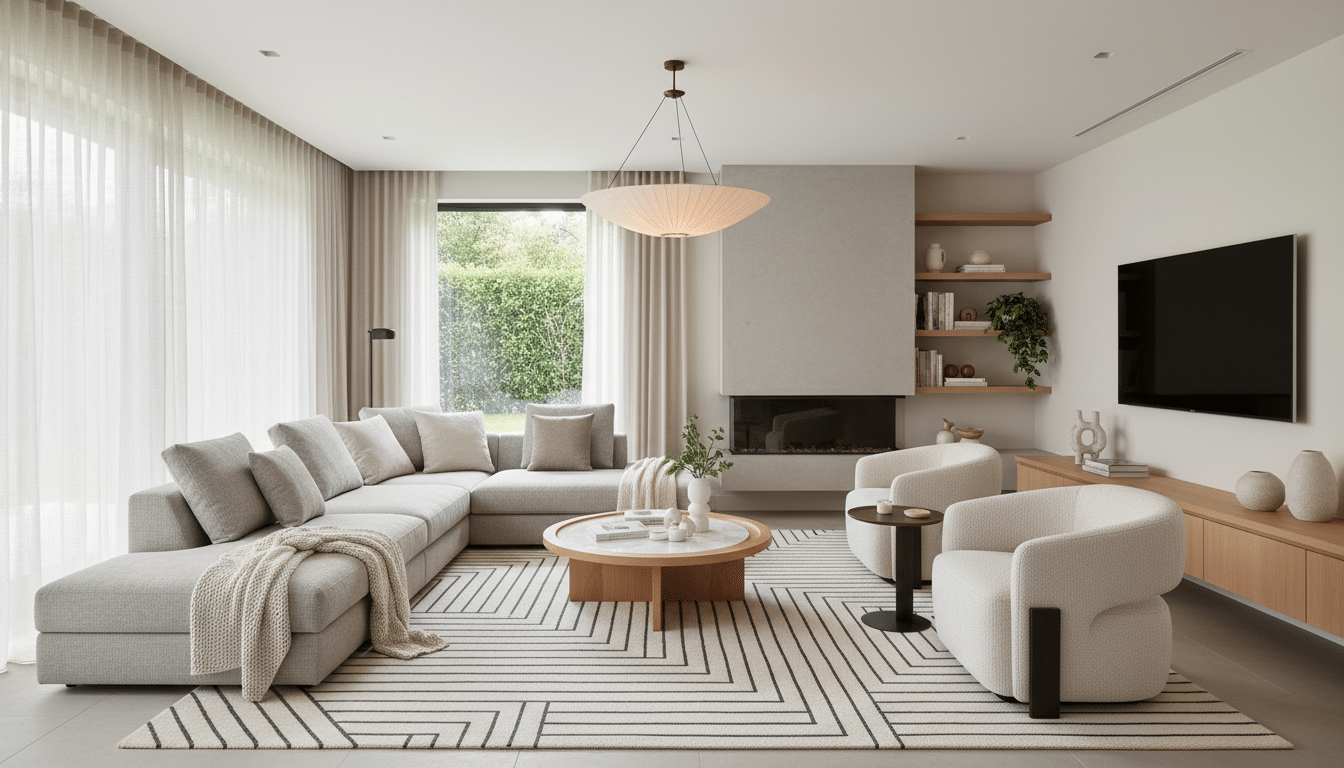
Genius Living Room Decor Ideas for a Stunning Makeover: Transform Your Space with Style and Function
Table of Contents
Your living room is more than just a place to sit—it’s the heart of your home. It’s where conversations unfold, guests gather, and everyday moments turn into memories. Yet, many living rooms fall into a common trap: they become cluttered, outdated, or simply uninspiring over time.
Have you ever walked into your space and felt like something was missing? Maybe it lacks personality, warmth, or that “wow” factor you see in beautifully styled interiors. The good news is, you don’t need a full renovation to create a stunning transformation. Sometimes, all it takes is a few genius living room decor ideas to completely change the look and feel of your space.
A well-designed living room can improve not only your home’s aesthetics but also your comfort and mood. Thoughtful decor choices can make a room feel more spacious, inviting, and functional—all at the same time.
In this guide, you’ll explore creative, practical, and stylish ways to upgrade your living room. From layout strategies and color palettes to lighting, textures, and decor accents, these ideas will help you achieve a stunning makeover that feels both modern and timeless.
Creating a Strong Foundation with Smart Layout Planning
Before diving into decor, the layout of your living room sets the tone for everything else. A well-planned arrangement ensures your space feels balanced, functional, and visually appealing.
Start by identifying the focal point of the room. This could be a fireplace, a large window, or a media unit. Arrange your furniture around this focal point to create a natural flow. Avoid pushing all furniture against the walls—this can make the room feel disconnected rather than open.
Think about conversation areas. Seating should be positioned to encourage interaction, not isolation. Even in smaller spaces, a simple arrangement like a sofa paired with chairs can create a welcoming environment.
Traffic flow is another essential factor. Ensure there’s enough space to move comfortably between furniture pieces. This prevents the room from feeling cramped or cluttered.
Rugs can help define zones, especially in open-plan living areas. A well-sized rug anchors the furniture and ties the layout together.
Table: Living Room Layout Essentials
| Element | Key Tip | Result |
| Focal Point | Center furniture around it | Balanced design |
| Seating | Face inward | Encourages conversation |
| Spacing | Allow movement paths | Comfortable flow |
| Rug Placement | Under main furniture | Defines space |
| Zones | Separate areas visually | Organized layout |
Choosing a Cohesive Color Palette for Visual Impact
Color has the power to completely transform your living room. A cohesive palette creates harmony, while mismatched tones can make the space feel chaotic.
Start with a base color—usually a neutral like white, beige, or soft gray. This forms the backdrop for your design. From there, introduce one or two accent colors to add personality.
The 60-30-10 rule is a helpful guideline. Sixty percent of the room should be your dominant color, thirty percent your secondary tone, and ten percent your accent color. This balance keeps the design visually pleasing.
Warm tones create a cozy, inviting atmosphere, while cooler tones feel fresh and calming. The choice depends on the mood you want to achieve.
Textures and finishes also influence how colors appear. Matte surfaces feel soft and understated, while glossy finishes reflect light and add vibrancy.
Table: Color Palette Guide
| Color Role | Percentage | Example Use |
| Dominant | 60% | Walls, large furniture |
| Secondary | 30% | Curtains, rugs |
| Accent | 10% | Cushions, decor pieces |
| Warm Tones | — | Adds coziness |
| Cool Tones | — | Creates freshness |
Layering Lighting for Depth and Atmosphere
Lighting is one of the most overlooked yet transformative elements in living room design. A single overhead light simply isn’t enough to create a dynamic and inviting space.
Layered lighting involves combining different types of light to achieve balance and depth. Start with ambient lighting, which provides overall illumination. Ceiling fixtures or recessed lights are common choices.
Task lighting is essential for specific activities like reading or working. Floor lamps and table lamps placed near seating areas serve this purpose effectively.
Accent lighting adds character. Wall sconces, LED strips, or decorative lamps highlight architectural features or decor elements.
Natural light should also be maximized. Keep window treatments light and airy to allow sunlight to flow freely into the room.
Table: Lighting Layers Breakdown
| Lighting Type | Purpose | Placement |
| Ambient | Overall brightness | Ceiling fixtures |
| Task | Focused lighting | Near seating areas |
| Accent | Decorative lighting | Walls, shelves |
| Natural Light | Daytime illumination | Windows |
| LED Lighting | Subtle highlights | Under shelves |
Using Textures and Fabrics to Add Warmth and Depth
A stunning living room makeover isn’t just about color and furniture—it’s about how the space feels. Texture plays a vital role in creating a rich, inviting atmosphere that feels layered and complete.
Start with your largest elements. Sofas and rugs provide the base for texture. A plush sofa paired with a woven rug instantly adds depth. Mixing materials like velvet, linen, and wool creates contrast while maintaining harmony.
Cushions and throws are small details with a big impact. By combining different fabrics, you can introduce variety without overwhelming the space. Stick to a consistent color palette to keep everything cohesive.
Curtains also contribute to texture. Lightweight fabrics create an airy feel, while heavier materials add drama and warmth.
Don’t forget about hard textures. Wood, metal, glass, and stone elements balance softer materials and add structure to the room.
Table: Texture Layering Guide
| Texture Type | Example Material | Effect |
| Soft | Cushions, throws | Cozy and inviting |
| Natural | Wood, jute | Warm and organic |
| Smooth | Glass, metal | Modern and clean |
| Fabric | Linen, velvet | Adds depth |
| Mixed Layers | Combination | Rich visual interest |
Incorporating Statement Pieces That Elevate the Space
Every stunning living room needs a focal element that captures attention and defines the space. Statement pieces are those standout items that instantly elevate the overall design without overwhelming it.
A statement sofa is one of the most impactful choices. Whether it’s a bold color, unique shape, or luxurious fabric, it sets the tone for the entire room. If you prefer a more neutral sofa, consider a striking coffee table or an oversized piece of artwork to draw the eye.
Artwork is particularly powerful. Large-scale pieces can transform blank walls into visual anchors. Abstract designs, nature-inspired prints, or textured wall art can add depth and personality.
Lighting fixtures can also act as statement elements. A sculptural chandelier or a modern floor lamp adds both function and artistic appeal.
Balance is key when working with statement pieces. Instead of filling the room with multiple bold items, choose one or two standout features and let them shine. Surround them with more understated decor to maintain harmony.
Scale matters just as much as style. A large room can handle oversized pieces, while smaller spaces benefit from carefully chosen statement items that don’t overpower the layout.
Table: Statement Piece Ideas
| Statement Item | Style Impact | Best Placement |
| Sofa | Dominant focal point | Center of seating area |
| Artwork | Visual anchor | Main wall |
| Coffee Table | Functional centerpiece | Middle of layout |
| Lighting Fixture | Sculptural element | Ceiling or corner |
| Accent Chair | Bold detail | Complementary seating area |
Smart Storage Solutions to Keep Your Living Room Clutter-Free
A beautiful living room can quickly lose its charm if clutter takes over. Smart storage solutions are essential for maintaining a clean, organized, and visually appealing space.
Start by assessing what needs to be stored. Books, electronics, blankets, and everyday items should all have designated places. This prevents unnecessary buildup and keeps the room functional.
Built-in storage units are ideal for maximizing space. They blend seamlessly into the design while offering ample storage capacity. If built-ins aren’t an option, modular shelving systems can provide a similar effect.
Multi-functional furniture is a game changer. Ottomans with hidden storage, coffee tables with compartments, and media consoles with drawers help keep items out of sight without sacrificing style.
Open shelving can work beautifully when styled intentionally. Limit the number of items and arrange them thoughtfully to avoid a cluttered look.
Consistency in storage containers also makes a difference. Matching baskets, boxes, or bins create a cohesive appearance while keeping everything organized.
Table: Storage Solutions Guide
| Storage Type | Ideal Use | Benefit |
| Built-In Units | Large storage needs | Seamless design |
| Ottomans | Hidden storage | Dual functionality |
| Shelving | Display and storage | Easy access |
| Baskets | Small items | Organized grouping |
| Media Consoles | Electronics storage | Clean and tidy setup |
Styling Decor Accents for a Polished Finish
The final layer of any living room makeover lies in the details. Decor accents are what bring personality and cohesion to the space, turning a well-designed room into a truly stunning one.
Start with grouping. Instead of scattering decor items randomly, arrange them in clusters. This creates visual impact and prevents the room from feeling disorganized.
Varying heights and shapes adds interest. Combining tall vases, medium-sized objects, and smaller accents creates a balanced composition.
Greenery is one of the simplest ways to enhance a living room. Plants add life, color, and freshness. Even a single well-placed plant can make a noticeable difference.
Books and decorative trays can also be styled to create a curated look. Layering these elements on coffee tables or shelves adds depth and character.
Less is more when it comes to styling. Leaving some areas empty allows the eye to rest and keeps the overall design clean and elegant.
Table: Decor Styling Guide
| Decor Element | Styling Tip | Result |
| Vases | Group in odd numbers | Balanced arrangement |
| Plants | Use varying sizes | Adds life |
| Books | Stack or layer | Creates depth |
| Trays | Organize small items | Clean presentation |
| Negative Space | Leave areas empty | Enhances elegance |
Conclusion
Transforming your living room doesn’t require a complete overhaul—just thoughtful design choices and a clear vision. By applying these genius living room decor ideas for a stunning makeover, you can create a space that feels both stylish and functional.
From smart layout planning and cohesive color palettes to layered lighting and textured elements, each detail contributes to a harmonious design. Statement pieces add personality, while smart storage ensures the space remains clean and organized.
The beauty of a well-designed living room lies in its balance. It should feel inviting yet refined, comfortable yet visually striking. With the right approach, your living room can become a true reflection of your style—a space that feels effortlessly stunning every day.