
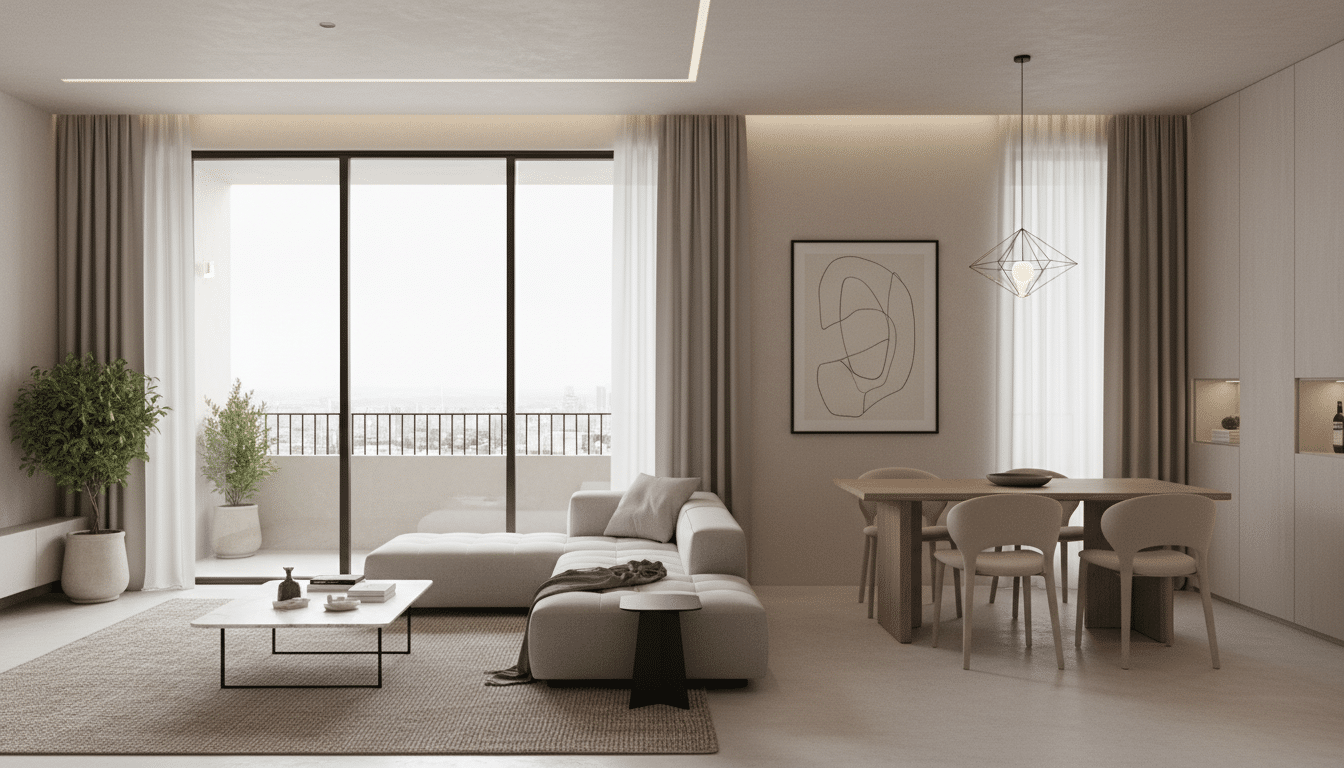
Chic Interior Design Featuring Space Saving Doors: Stylish Solutions for Modern Small Spaces
Table of Contents
Introduction
Have you ever noticed how traditional doors can quietly steal valuable space in your home? In compact apartments and modern living environments, every square meter matters—and even something as simple as a swinging door can limit layout possibilities.
That’s where space saving doors come in. These clever design solutions are redefining how we think about interiors, blending functionality with aesthetics. From sliding barn doors to pocket doors and bi-fold systems, they offer a seamless way to maximize space without sacrificing style.
Chic interior design today is no longer just about how a room looks—it’s about how it works. Space saving doors are a perfect example of this balance. They allow you to open up your space, improve flow, and create a modern, clutter-free environment that feels both spacious and elegant.
In this article, you’ll discover how to incorporate space saving doors into your home with style. We’ll explore different types, materials, placement strategies, and design ideas that elevate your interiors while making them more practical. Whether you’re redesigning a small apartment or upgrading a single room, these insights will help you transform your space with confidence and creativity.
Understanding Space Saving Doors in Chic Interior Design
Space saving doors are more than just a functional upgrade—they are a key element in modern chic interior design. Unlike traditional hinged doors that require clearance to open, these innovative options are designed to minimize spatial intrusion while enhancing visual appeal.
In smaller homes, where layout flexibility is essential, space saving doors provide an immediate advantage. They allow furniture placement closer to entryways and create smoother transitions between rooms. This is particularly beneficial in open-plan layouts where maintaining flow is crucial.
From an aesthetic perspective, these doors often become design features themselves. Sleek sliding panels, minimalist glass doors, or rustic barn-style options can complement various interior styles—from contemporary to industrial chic.
Another important aspect is versatility. Space saving doors can be used in bedrooms, bathrooms, closets, and even as room dividers. This adaptability makes them a practical investment for homeowners seeking both style and efficiency.
Table: Types of Space Saving Doors and Their Benefits
| Door Type | Best Use Area | Key Benefit |
| Sliding door | Bedrooms, living rooms | Saves wall clearance space |
| Pocket door | Bathrooms, offices | Disappears into the wall |
| Bi-fold door | Closets, laundry areas | Compact folding mechanism |
| Barn door | Decorative spaces | Adds rustic or modern charm |
Choosing the Right Space Saving Door for Your Layout
Selecting the right space saving door requires careful consideration of your room’s layout and functionality. Not all doors serve the same purpose, and choosing wisely can significantly enhance both usability and design.
Start by evaluating how the space is used daily. For example, in high-traffic areas, sliding doors are ideal because they allow smooth movement without obstruction. In contrast, pocket doors are perfect for areas where complete openness is desired when the door is not in use.
Room size and wall structure also play a role. Pocket doors require sufficient wall space to slide into, while barn doors need an external track. Bi-fold doors are better suited for tighter spaces like closets where full-width access is needed without taking up much room.
Material choice is equally important. Glass doors can make a room feel larger and brighter, while wood adds warmth and texture. For a chic interior design, combining materials—like frosted glass with metal frames—can create a sophisticated look.
Table: Door Selection Guide
| Factor | Consideration | Recommendation |
| Room size | Small vs. medium | Use sliding or pocket doors |
| Privacy needs | High or low | Choose solid or frosted glass |
| Wall structure | Available space | Pocket vs. external sliding |
| Style preference | Modern, rustic, minimal | Match materials accordingly |
How Space Saving Doors Transform Small Spaces
In small homes, every design decision has a noticeable impact—and space saving doors can completely transform how a room feels and functions. They do more than just save space; they redefine it.
Traditional doors often create dead zones—areas where furniture cannot be placed due to door swing. By eliminating this limitation, space saving doors free up valuable square footage. This allows for more flexible layouts, whether it’s adding a desk in a bedroom or optimizing storage in a hallway.
Another transformation comes from visual continuity. Sliding or glass doors create a seamless flow between rooms, making spaces appear larger than they actually are. This is especially effective in studio apartments or open-plan designs.
Light distribution also improves. Doors with glass panels allow natural light to travel through spaces, reducing the need for artificial lighting and creating a brighter, more inviting environment.
Table: Space Transformation Benefits
| Feature | Traditional Doors | Space Saving Doors |
| Space efficiency | Limited | Maximized |
| Furniture placement | Restricted | Flexible |
| Light flow | Blocked | Enhanced |
| Visual openness | Segmented | Seamless |
Stylish Materials and Finishes for a Chic Look
Material selection plays a defining role in achieving chic interior design with space saving doors. The right finish can elevate the entire room while maintaining harmony with the overall aesthetic.
Wood remains a timeless choice. Light oak or walnut finishes add warmth and sophistication, making them ideal for cozy yet elegant interiors. For a more modern approach, painted finishes in neutral tones like white, gray, or matte black create a sleek, minimalist look.
Glass is another popular option, especially in smaller spaces. Frosted or textured glass provides privacy while allowing light to pass through. This combination enhances both functionality and visual appeal.
Metal accents can add a contemporary edge. Black steel frames or brushed brass handles introduce subtle luxury and contrast beautifully with softer materials.
Table: Material Comparison
| Material | Style Impact | Best Use Case |
| Wood | Warm and classic | Bedrooms, living spaces |
| Glass | Light and airy | Offices, small rooms |
| Metal accents | Modern and sleek | Contemporary interiors |
| Mixed materials | Balanced and dynamic | High-end chic designs |
Integrating Space Saving Doors into Different Rooms
Space saving doors are not limited to one area—they can enhance nearly every room in your home. Their adaptability makes them a powerful tool in achieving cohesive and functional interior design.
In bedrooms, sliding doors create a calm, uncluttered look while saving space for additional furniture. They are particularly useful in compact rooms where every inch counts.
Bathrooms benefit from pocket doors, which provide privacy without interfering with tight layouts. This is especially valuable in smaller apartments where bathroom space is limited.
Closets are another ideal application. Bi-fold or sliding doors allow easy access without requiring extra room to open, making them perfect for narrow spaces.
Living areas can also benefit from these doors, especially when used as dividers. They allow you to create flexible spaces that can be opened or closed as needed.
Table: Room-by-Room Application
| Room Type | Recommended Door Type | Benefit |
| Bedroom | Sliding | Saves space, adds style |
| Bathroom | Maximizes compact layouts | |
| Closet | Bi-fold | Easy access, minimal footprint |
| Living room | Sliding divider | Flexible open/closed spaces |
Maximizing Functionality with Smart Design Details
Beyond choosing the right type of space saving door, the finer design details are what truly elevate functionality and style. Thoughtful integration ensures that these doors not only save space but also enhance daily living.
Hardware selection is a key detail. Sleek handles, hidden tracks, or soft-close mechanisms add both convenience and sophistication. These small features contribute to a seamless user experience.
Acoustic considerations are also important. While some space saving doors may not provide the same sound insulation as traditional doors, choosing thicker materials or adding seals can improve privacy.
Customization offers another layer of functionality. Doors can be designed to match wall colors, incorporate mirrors, or include built-in storage elements. This transforms them into multi-purpose features rather than just entry points.
Table: Functional Design Enhancements
| Feature | Benefit | Design Tip |
| Soft-close system | Smooth operation | Ideal for bedrooms |
| Hidden tracks | Clean aesthetic | Use in modern interiors |
| Acoustic seals | Improved privacy | Great for offices |
| Custom finishes | Personalized design | Match with wall tones |
Common Mistakes to Avoid When Using Space Saving Doors
While space saving doors offer many advantages, improper use can reduce their effectiveness. Avoiding common mistakes ensures that your design remains both functional and stylish.
One frequent issue is choosing the wrong door type for the space. For example, installing a barn door in a room that requires full privacy may not be practical due to gaps.
Another mistake is ignoring proportions. Oversized doors in small rooms can overwhelm the space, while undersized doors may look out of place. Proper measurements are essential.
Poor installation can also impact performance. Misaligned tracks or low-quality hardware can lead to operational issues over time. Investing in professional installation often pays off in durability and ease of use.
Lastly, neglecting style cohesion can disrupt the overall design. Space saving doors should complement the room’s aesthetic rather than stand out awkwardly.
Table: Common Mistakes and Solutions
| Mistake | Problem Created | Solution |
| Wrong door type | Reduced functionality | Match door to room needs |
| Poor sizing | Imbalanced design | Measure accurately |
| Cheap hardware | Operational issues | Invest in quality materials |
| Style mismatch | Visual inconsistency | Align with overall decor |
Conclusion
Chic interior design is about more than aesthetics—it’s about creating spaces that work beautifully in everyday life. Space saving doors embody this philosophy by combining style, efficiency, and innovation.
From improving layout flexibility to enhancing light flow and visual openness, these doors offer practical solutions for modern living. Whether used in bedrooms, bathrooms, or living areas, they help transform even the smallest spaces into functional and elegant environments.
By carefully selecting the right type, material, and design details, you can seamlessly integrate space saving doors into your home. The result is a refined interior that feels spacious, cohesive, and thoughtfully designed.
Ultimately, space saving doors are not just a trend—they are a smart, stylish response to the evolving needs of contemporary living.