
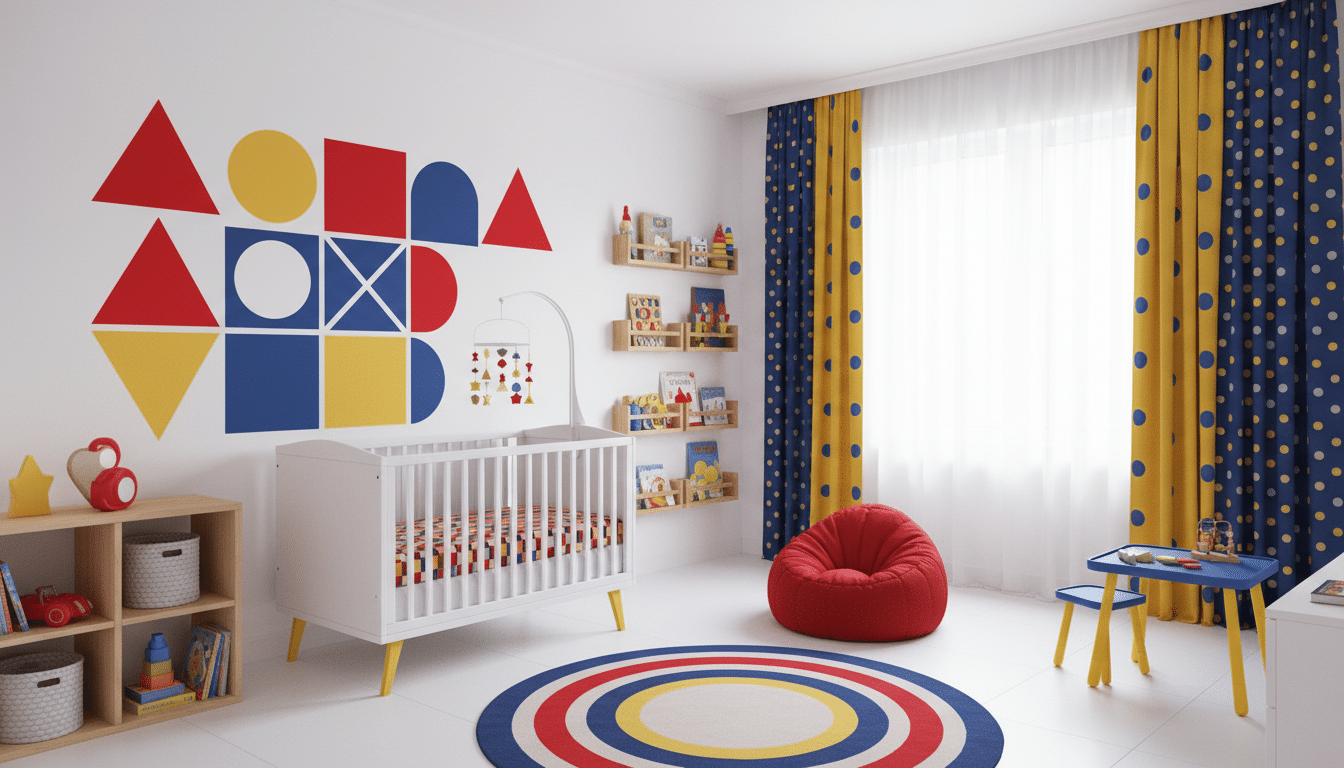
Creative Kids Room Setup with a Primary Color Nursery Style: Bright, Playful, and Functional Design Ideas
Table of Contents
Introduction
Did you know that colors can directly influence a child’s mood, creativity, and cognitive development? From the moment a baby begins to recognize shapes and shades, their environment plays a powerful role in how they learn and grow. That’s why designing a thoughtful and engaging space is more important than ever.
A creative kids room setup with a primary color nursery style offers the perfect balance between stimulation and structure. Primary colors—red, blue, and yellow—are bold, clear, and easy for young minds to recognize. When used correctly, they create a vibrant yet organized environment that encourages play, learning, and comfort.
However, designing with such strong colors can feel overwhelming. Too much brightness can lead to visual clutter, while too little can miss the opportunity to inspire creativity. The key lies in balance—blending color with function, and creativity with calm.
In this guide, you’ll explore how to design a kids’ room that is both playful and practical. From color planning and furniture selection to storage solutions and sensory-friendly design, each section will provide actionable ideas. Whether you’re creating a nursery or updating a toddler’s room, this article will help you build a space that feels joyful, safe, and beautifully cohesive.
Understanding the Primary Color Nursery Style
A primary color nursery style is rooted in simplicity and clarity. Using red, blue, and yellow as the foundation, this design approach creates a visually stimulating environment that supports early learning and development.
Unlike pastel-heavy nurseries, primary colors offer stronger contrast, which helps babies and young children distinguish objects more easily. This can support visual development and encourage engagement with their surroundings.
However, the goal isn’t to overwhelm the room with bold shades. Instead, primary colors should be used strategically. A white or neutral base allows these colors to stand out without dominating the space. For example, a bright yellow chair or a blue rug can add personality without making the room feel chaotic.
Patterns also play a role. Simple geometric shapes—like stripes, dots, or blocks—enhance the playful aesthetic while maintaining visual structure.
Table: Core Elements of Primary Color Nursery Style
| Element | Purpose | Design Tip |
| Primary colors | Stimulate learning | Use in accents |
| Neutral base | Balance bold tones | Keep walls light |
| Simple patterns | Add visual interest | Use geometric designs |
| Functional decor | Combine play and practicality | Choose dual-purpose items |
Creating a Balanced Color Palette for Kids’ Rooms
Designing a creative kids room setup with a primary color nursery style requires thoughtful color balance. While primary colors are vibrant and engaging, using them without structure can overwhelm the space.
Start with a neutral foundation. White, soft gray, or light beige walls provide a calm backdrop that allows primary colors to pop without becoming overpowering. This approach keeps the room visually open and adaptable as the child grows.
Next, introduce primary colors in layers. Instead of covering large surfaces, incorporate them through smaller elements like cushions, toys, rugs, and artwork. This creates a dynamic yet controlled environment.
Color zoning is another effective strategy. Assign each primary color to a specific area—for example, blue in the sleeping zone, yellow in the play area, and red in activity corners. This subtle organization helps create visual structure.
Table: Color Balance Strategy
| Area | Color Focus | Purpose |
| Walls | Neutral tones | Keeps room calm |
| Bedding | Soft primary mix | Adds gentle color |
| Play zone | Bright accents | Encourages activity |
| Decor elements | Mixed colors | Creates visual interest |
Choosing Functional and Playful Furniture
Furniture in a kids’ room must balance safety, functionality, and creativity. In a primary color nursery style, furniture can also serve as a key design element.
Start with essential pieces like a crib or bed, storage units, and seating. Opt for furniture with rounded edges and durable materials to ensure safety. Light wood or white finishes work well as a base, allowing colorful accents to stand out.
Multi-functional furniture is especially valuable. A storage bench can double as seating, while modular shelves can adapt as the child grows. This flexibility ensures the room remains practical over time.
Incorporating color into furniture should be done selectively. A red chair, a blue bookshelf, or a yellow table can act as focal points without overwhelming the design.
Table: Furniture Selection Guide
| Furniture Type | Ideal Feature | Benefit |
| Bed/crib | Safe and sturdy | Ensures comfort and security |
| Storage unit | Modular or stackable | Adapts to growing needs |
| Seating | Soft and colorful | Adds comfort and style |
| Play table | Compact and durable | Encourages creativity |
Designing Creative Play Zones for Learning and Fun
A well-designed play zone is at the heart of a creative kids room setup with a primary color nursery style. This area is where imagination thrives, skills develop, and daily routines become enjoyable experiences.
Start by defining a dedicated play area within the room. Even in smaller spaces, a simple rug or mat can visually separate the play zone from the sleeping area. This distinction helps children understand different functions within the room, encouraging both active play and restful sleep.
Incorporate interactive elements that stimulate creativity. Low shelves filled with colorful toys, books, and building blocks make it easy for children to access and engage with their environment. Open storage encourages independence, allowing kids to choose activities freely.
Sensory-friendly design is another important factor. Soft rugs, textured cushions, and tactile toys create a multi-sensory experience that supports development. Primary colors can be used in these elements to maintain consistency while enhancing visual appeal.
Wall features can also transform the play zone. Chalkboard paint, magnetic boards, or simple wall decals in geometric shapes add an interactive dimension without taking up floor space.
Table: Play Zone Design Elements
| Element | Purpose | Design Tip |
| Floor mat/rug | Defines play area | Use soft, colorful textures |
| Open shelving | Easy access to toys | Keep items organized |
| Wall features | Interactive learning | Use removable designs |
| Sensory items | Enhances development | Mix textures and colors |
Smart Storage Solutions for a Clean and Organized Space
Keeping a kids’ room organized can be a challenge, especially when toys, books, and clothes quickly accumulate. In a creative kids room setup with a primary color nursery style, storage should be both functional and visually appealing.
Start with accessible storage. Low bins, baskets, and open shelves allow children to easily reach their belongings. This encourages independence and helps establish early organizational habits.
Color-coded storage is a practical and fun solution. Assigning colors to different categories—such as blue bins for books or yellow baskets for toys—adds a playful element while maintaining order.
Hidden storage options are also valuable. Under-bed drawers or storage benches keep less frequently used items out of sight, reducing visual clutter.
Vertical storage maximizes space without overcrowding the room. Wall-mounted shelves or hanging organizers free up floor space while keeping essentials within reach.
Table: Storage Organization Guide
| Storage Type | Best Use | Benefit |
| Open bins | Toys and daily items | Easy access |
| Color-coded bins | Organized categories | Visual clarity |
| Hidden storage | Seasonal or extra items | Reduces clutter |
| Wall shelves | Books and decor | Saves floor space |
Lighting and Atmosphere for a Comfortable Nursery
Lighting plays a vital role in shaping the mood of a child’s room. In a primary color nursery style, lighting should balance brightness with comfort to create a soothing yet engaging environment.
Natural light is ideal. Large windows or sheer curtains allow sunlight to fill the room, enhancing the vibrancy of primary colors without making them feel harsh.
Layered lighting ensures flexibility throughout the day. A combination of ceiling lights, bedside lamps, and soft night lights allows you to adjust the ambiance as needed. For example, bright lighting can support playtime, while dim lighting creates a calming bedtime atmosphere.
Warm-toned lighting is particularly effective in balancing bold colors. It softens the intensity of red, blue, and yellow, making the room feel more inviting.
Table: Lighting Setup Guide
| Lighting Type | Example | Purpose |
| Natural light | Windows, sheer curtains | Brightens the room |
| Ambient light | Ceiling fixture | General illumination |
| Task lighting | Bedside lamp | Reading or quiet activities |
| Night light | Soft glow lamp | Comfort during sleep |
Adding Personal Touches Without Overstimulating the Space
Personalization is essential in creating a meaningful and joyful kids’ room. However, in a primary color nursery style, it’s important to avoid overstimulation while adding character.
Start with curated decor. Instead of filling every surface, select a few meaningful items such as framed artwork, personalized name signs, or favorite toys. This keeps the room visually balanced.
Artwork can incorporate primary colors in a controlled way. Simple prints, abstract shapes, or playful illustrations add charm without overwhelming the design.
Soft elements like cushions, blankets, and wall hangings can introduce subtle variations of primary colors. This creates depth while maintaining harmony.
Rotating decor is another effective strategy. Swapping out items occasionally keeps the room fresh and engaging without adding clutter.
Table: Personalization Tips
| Element | Idea | Benefit |
| Artwork | Simple colorful prints | Adds personality |
| Textiles | Cushions, blankets | Enhances comfort |
| Decorative items | Toys, keepsakes | Creates emotional connection |
| Rotating decor | Seasonal changes | Keeps space dynamic |
Conclusion
Designing a creative kids room setup with a primary color nursery style is about more than aesthetics—it’s about creating an environment that supports growth, creativity, and comfort. By thoughtfully balancing bold colors with neutral elements, you can achieve a space that feels both vibrant and calming.
From choosing functional furniture and organizing smart storage to designing engaging play zones and using layered lighting, every detail contributes to a harmonious and practical room. The key is to keep the design intentional, ensuring that each element serves both a visual and functional purpose.
Ultimately, a well-designed kids’ room should evolve with your child while maintaining a sense of joy and inspiration. With the right approach, a primary color nursery can become a space where imagination flourishes and everyday moments feel a little more magical.