
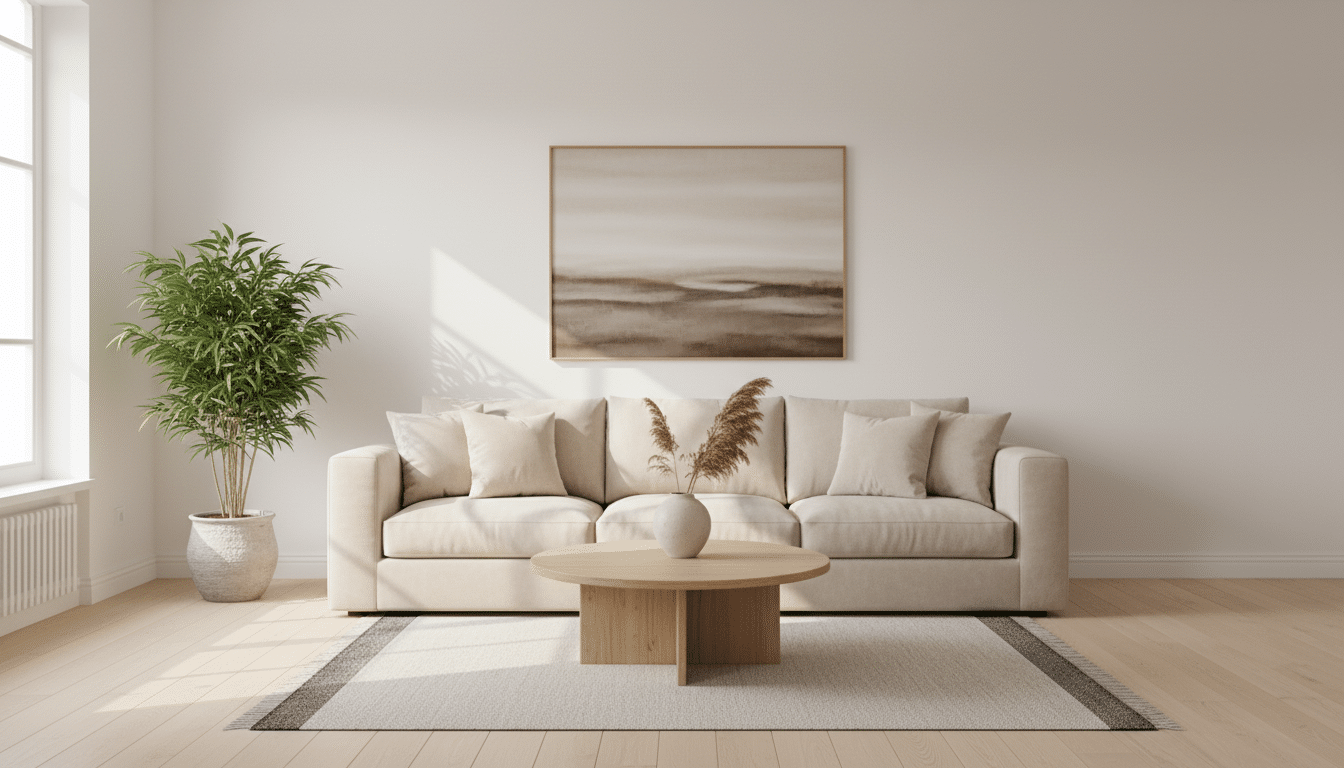
Living Room Apartment Color Ideas to Brighten Your Space and Make It Feel Bigger
Table of Contents
Introduction
Have you ever walked into a small apartment living room and felt like the walls were closing in? You’re not imagining it—color plays a powerful role in how we perceive space. In fact, interior design studies show that lighter and strategically chosen colors can make a room feel up to 30% larger and significantly more inviting.
For apartment living, where space is often limited and natural light may not always be abundant, choosing the right color palette becomes essential. The right hues can transform a dull, cramped living room into a bright, open, and welcoming environment. This is why exploring living room apartment color ideas to brighten your space is more than just a design decision—it’s a way to improve how your home feels every day.
In this guide, you’ll discover practical and stylish ways to use color effectively in your apartment living room. From selecting the perfect base tones to layering accents, enhancing lighting, and balancing textures, each section is designed to help you create a space that feels brighter, bigger, and more cohesive—without overwhelming your layout or budget.
Choosing Light and Neutral Base Colors for a Bright Foundation
The foundation of any bright living room begins with your base colors. These are the shades that dominate your walls, large furniture, and overall atmosphere. In small apartment spaces, lighter tones are key to creating openness and airiness.
Why neutral tones work best
Colors like white, cream, soft beige, and light gray reflect natural and artificial light, making the room feel more spacious. Unlike darker shades, which absorb light, these hues bounce it around the room, creating a brighter effect.
Avoiding a flat or boring look
A common misconception is that neutral spaces feel dull. In reality, layering different shades and textures within the same color family adds depth and sophistication. For example, pairing off-white walls with a cream sofa and light wood accents creates subtle variation without clutter.
Creating a cohesive base palette
Limiting your palette to two or three main neutral tones helps maintain visual harmony. This makes it easier to add accent colors later without overwhelming the space.
Neutral color guide
| Base Color | Effect on Space | Best Pairings | Style Outcome |
| White | Expands space | Light wood, pastels | Clean and modern |
| Beige | Warm and inviting | Soft greens, gold accents | Cozy elegance |
| Light Gray | Contemporary | Navy, black accents | Modern minimal |
| Cream | Soft brightness | Earth tones | Relaxed and airy |
Adding Accent Colors to Energize Your Living Room
Once you’ve established a neutral base, accent colors bring life and personality into your apartment living room. The key is to use them strategically so they enhance brightness rather than overpower the space.
Choosing uplifting accent shades
Soft blues, muted greens, blush pinks, and warm yellows are excellent choices for brightening a room. These colors add energy without feeling too bold or heavy.
Using accents in small doses
Instead of painting entire walls, incorporate accent colors through pillows, throws, artwork, or small furniture pieces. This keeps the room flexible and easy to update.
Balancing color distribution
Spread accent colors evenly throughout the space to avoid visual imbalance. For example, if you have blue cushions on the sofa, consider adding a similar tone in a rug or wall art.
Accent color breakdown
| Accent Color | Mood Created | Best Use | Brightness Impact |
| Soft Blue | Calm | Cushions, curtains | High |
| Blush Pink | Warm | Throws, decor | Medium |
| Sage Green | Fresh | Plants, accents | High |
| Mustard Yellow | Energetic | Pillows, art | Medium |
Using Wall Colors and Feature Walls to Expand Space
Wall color is one of the most powerful tools in shaping how your living room feels. When used correctly, it can visually stretch your space and create depth.
Choosing the right wall color
Light shades like pale blue, soft gray, or warm white make walls recede visually, giving the illusion of more space. These tones also reflect light effectively.
Creating a subtle feature wall
Instead of bold, dark accent walls, opt for a slightly deeper shade within the same color family. This adds interest without shrinking the room.
Using paint techniques for visual tricks
Vertical stripes can make ceilings appear higher, while horizontal patterns can widen the room. These subtle techniques can enhance spatial perception.
Wall styling guide
| Technique | Effect | Difficulty | Best For |
| Light Paint | Expands space | Easy | Small rooms |
| Accent Wall | Adds depth | Medium | Focal areas |
| Vertical Stripes | Higher ceiling | Medium | Low ceilings |
| Horizontal Lines | Wider space | Medium | Narrow rooms |
Incorporating Furniture Colors That Reflect Light
Furniture plays a significant role in how light interacts within your living room. Choosing the right colors and finishes can dramatically enhance brightness and openness.
Selecting light-colored furniture
Sofas and chairs in shades like cream, light gray, or pastel tones help maintain a bright and cohesive look. These colors reflect light rather than absorbing it.
Avoiding bulky dark pieces
Large, dark furniture can make a room feel smaller and heavier. If you prefer darker tones, balance them with lighter surroundings.
Mixing finishes for visual interest
Combining matte and glossy finishes adds depth without overwhelming the space. For example, a matte sofa paired with a glass coffee table creates contrast while keeping the room airy.
Furniture color guide
| Furniture Type | Recommended Color | Effect | Style Tip |
| Sofa | Light gray/cream | Brightens | Add textured pillows |
| Coffee Table | Glass/wood | Opens space | Keep minimal |
| Chairs | Pastel tones | Softens look | Match accents |
| Shelving | White/light wood | Clean feel | Avoid clutter |
Enhancing Natural and Artificial Lighting with Color Choices
Lighting and color work hand in hand when it comes to transforming your living room. Even the best color palette can fall flat without proper lighting, while the right lighting can amplify the brightness of your chosen colors dramatically.
Maximizing natural light with color
If your apartment has windows, your color choices should enhance—not block—the incoming light. Light-colored walls, reflective surfaces, and sheer curtains allow sunlight to bounce throughout the room. Avoid heavy, dark drapes that absorb light and create shadows. Instead, opt for light fabrics in neutral or pastel tones to maintain brightness.
Using reflective surfaces strategically
Mirrors, glossy finishes, and metallic accents can significantly increase the perceived brightness of your living room. Placing a mirror opposite a window reflects natural light deeper into the space. Similarly, glass tables or metallic decor pieces add subtle shine that enhances illumination.
Layering artificial lighting
Relying on a single overhead light can make the room feel flat and uninviting. Layered lighting—combining floor lamps, table lamps, and wall sconces—creates depth and warmth. Choosing bulbs with warm white tones ensures the space feels cozy while still bright.
Choosing the right lamp colors and materials
Light-colored lamp shades diffuse light more effectively than darker ones. Materials like linen or cotton allow light to pass through gently, creating a soft glow that complements your color palette.
Lighting and color synergy table
| Element | Purpose | Effect on Brightness | Placement |
| Mirrors | Reflect light | High | Opposite windows |
| Sheer Curtains | Filter light | Medium | Windows |
| Floor Lamps | Add layers | High | Corners |
| Light Shades | Diffuse light | Medium | Tables |
Adding Textures and Patterns to Enhance Color Depth
While color is essential, texture and pattern are what bring a living room to life. Without them, even the most well-chosen palette can feel flat and uninspired. The key is to layer textures thoughtfully so they enhance brightness rather than create visual clutter.
Understanding the role of texture in small spaces
Textures add dimension by interacting with light differently. For example, a smooth leather surface reflects light, while a woven fabric absorbs it softly. Combining these elements creates balance and visual interest.
Mixing patterns without overwhelming the room
Patterns should complement your color scheme rather than compete with it. Subtle geometric prints, soft stripes, or delicate florals in light tones can add personality without making the space feel busy.
Layering textiles for a cozy yet bright look
Incorporate a mix of materials such as cotton, linen, wool, and velvet. For example, a linen sofa with a knit throw and velvet cushions creates depth while maintaining a cohesive color palette.
Using rugs to anchor the space
A light-colored rug with subtle patterns can define your living area while adding warmth. Rugs also help tie together different elements of your color scheme.
Texture and pattern guide
| Element | Texture Type | Effect | Styling Tip |
| Cushions | Soft/Velvet | Adds depth | Mix tones |
| Rugs | Woven/Plush | Grounds space | Choose light patterns |
| Curtains | Linen | Airy feel | Keep neutral |
| Throws | Knit | Cozy layer | Add contrast |
Creating a Balanced Color Scheme That Feels Cohesive
Achieving a bright and inviting living room isn’t just about choosing the right colors—it’s about how those colors work together. A balanced color scheme ensures that your space feels harmonious rather than chaotic.
Understanding the 60-30-10 rule
A common interior design principle is the 60-30-10 rule. This means 60% of your room is your dominant color (usually walls), 30% is a secondary color (furniture), and 10% is an accent color (decor). This structure creates balance and prevents any single color from overwhelming the space.
Coordinating colors across elements
Consistency is key. If you introduce a specific accent color, repeat it in different parts of the room—such as cushions, artwork, or decorative objects—to create a cohesive look.
Avoiding too many competing tones
Using too many colors can make a small apartment feel cluttered. Limiting your palette to a few complementary shades keeps the design clean and visually appealing.
Color balance breakdown
| Color Role | Percentage | Example Use | Effect |
| Dominant | 60% | Walls | Sets tone |
| Secondary | 30% | Furniture | Adds depth |
| Accent | 10% | Decor | Adds personality |
Conclusion
Designing a bright and inviting apartment living room starts with thoughtful color choices. By focusing on light, neutral base tones and layering in carefully selected accents, you can create a space that feels open, airy, and full of life. The right combination of wall colors, furniture, lighting, and textures works together to enhance both the visual and emotional experience of your home.
Living room apartment color ideas to brighten your space are not about following strict rules but about understanding balance and intention. When colors are used strategically, even the smallest living room can feel spacious and welcoming.
Ultimately, the goal is to create a space that reflects light, supports comfort, and feels cohesive. With the right approach, your apartment living room can become a place that feels brighter, calmer, and more enjoyable every day.