
Affordable Backyard Tiny Guest House Design Inspiration for Stylish and Functional Living
Table of Contents
Introduction
Backyard tiny guest houses are one of the fastest-growing trends in home design, offering a smart way to add extra living space without committing to a full renovation or home addition. Recent reports show that accessory dwelling units (ADUs) have surged in popularity, especially among homeowners seeking cost-effective ways to host guests, care for family members, or create private work retreats. The appeal lies in their efficiency—small footprints, flexible layouts, and impressive functionality at a fraction of the cost of traditional construction.
Designing an affordable backyard tiny guest house gives you the opportunity to curate a welcoming retreat while staying mindful of your budget. For many homeowners, the challenge isn’t the idea itself but knowing how to design small spaces in ways that maximize comfort, natural light, privacy, and storage. With thoughtful planning, even the smallest structures can feel luxurious, cozy, and beautifully designed.
In this guide, you’ll find practical and stylish inspiration for building or designing a tiny backyard guest house. From layout ideas and cost-saving building materials to interior design concepts and outdoor enhancements, this article provides a comprehensive roadmap to creating a retreat that blends affordability with creativity. Whether you’re designing for occasional visitors, long-term stays, or multifunctional use, the insights here will help you achieve a clean, modern, and inviting result.
Planning the Perfect Layout for a Tiny Guest House
When designing an affordable backyard tiny guest house, the layout is the foundation of both comfort and functionality. Because small spaces require thoughtful spatial planning, every square foot must serve a purpose. Begin by identifying the core features your guest house must include—typically a sleeping area, small living space, compact kitchen setup, and bathroom. With this list, you can plan an efficient layout that supports effortless movement while still feeling open and airy.
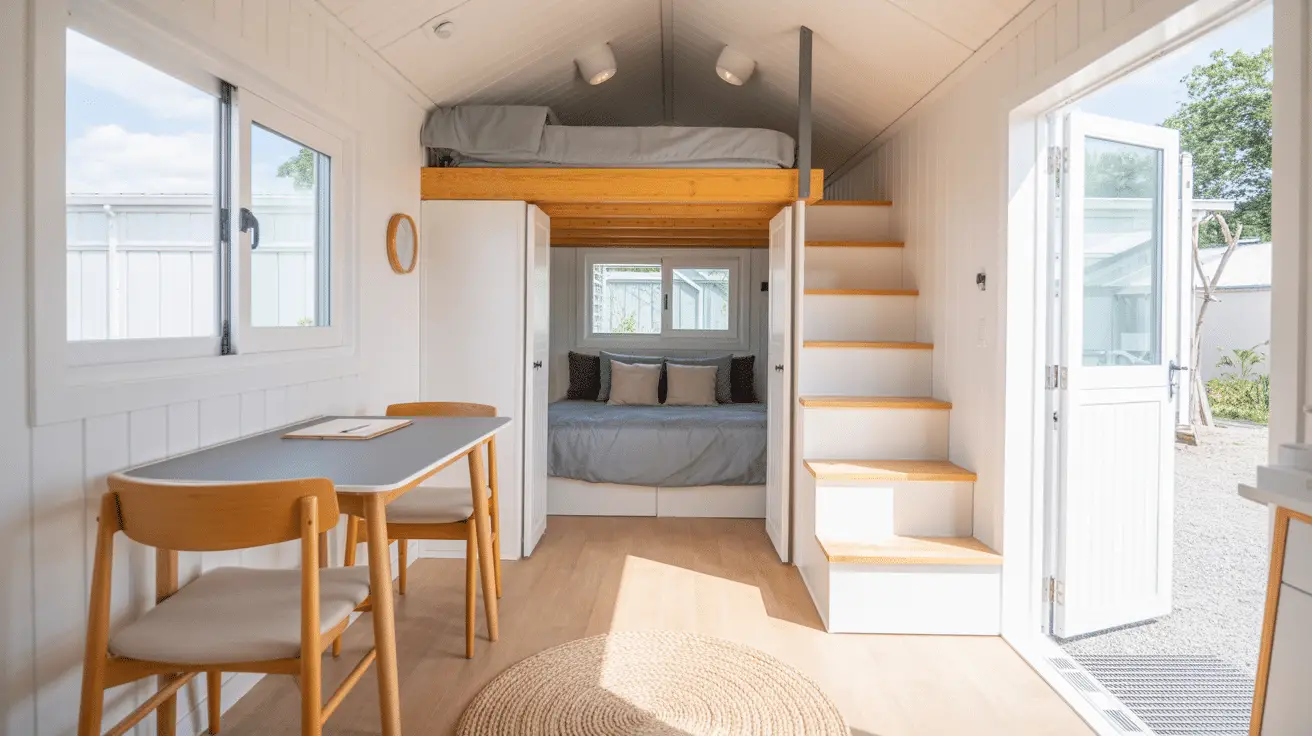
Open-concept layouts are often ideal for tiny guest houses because they eliminate unnecessary walls and allow the space to breathe. Combining the living, dining, and sleeping zones into a single flexible space keeps construction simple and reduces costs. Lofted sleeping areas are also popular, as they create vertical separation while preserving floor space for daily activities. Partition walls, if used, should be lightweight or partial to maintain a sense of openness.
Windows and doors play a critical role in layout planning. Placing windows opposite each other promotes airflow and helps make the space feel larger. Sliding or folding doors minimize clearance needs and extend the interior seamlessly into the backyard.
Tiny Layout Planning Table
| Layout Feature | Purpose | Benefit | Best For |
| Open concept | Multi-use flow | Feels larger, affordable | Small spaces |
| Lofted bed | Adds vertical room | Maximizes usable floor space | Very small homes |
| Sliding doors | Saves space | Smooth indoor–outdoor feel | Modern homes |
| Multi-zone layout | Organized living | Clear separation | Longer stays |
Selecting Budget-Friendly Building Materials That Don’t Sacrifice Style
Creating an affordable backyard tiny guest house relies heavily on choosing cost-effective yet durable building materials. Fortunately, modern construction offers many options that are both stylish and wallet-friendly. The goal is to strike a balance between appearance, longevity, and overall construction cost. Wood, engineered panels, metal siding, and prefab components all provide excellent value.
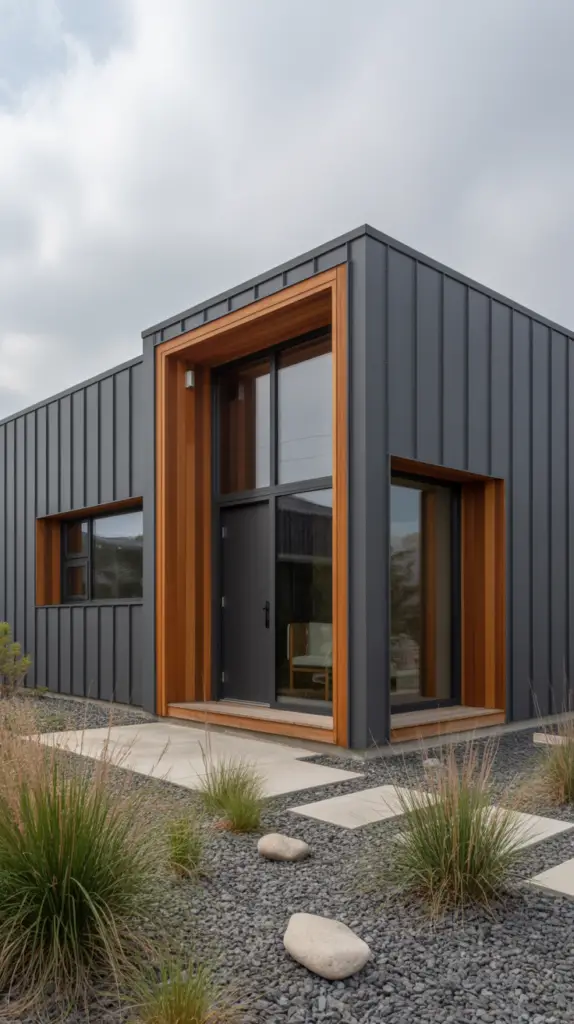
Plywood and MDF panels are excellent choices for interior walls or built-in furniture. They offer a sleek, modern look and can be painted or stained to match any aesthetic. Exterior siding choices like corrugated metal or fiber cement panels provide a contemporary look with minimal maintenance needs. Prefabricated structural components significantly reduce labor time and overall expenses while maintaining high structural integrity.
Reclaimed or recycled materials add character while saving money. Upcycled barn wood, surplus tiles, repurposed doors, or salvaged fixtures introduce personality and sustainability. When used intentionally, these materials create a warm, lived-in charm that enhances the guest house’s coziness.
For flooring, consider vinyl planks or polished plywood for a modern yet affordable finish. These options are lightweight, easy to clean, and resistant to moisture—perfect for compact living spaces.
Material Options Table
| Material | Cost Level | Best Use | Key Advantage |
| Plywood/MDF | Low | Walls, furniture | Customizable & modern |
| Corrugated metal | Low–Moderate | Exterior siding | Durable & stylish |
| Fiber cement | Moderate | Exterior cladding | Low maintenance |
| Vinyl flooring | Low | Interior floors | Easy and long-lasting |
Creating a Cozy Interior Through Smart Minimalist Design
The interior of a tiny guest house should feel welcoming, calm, and spacious—even within a limited footprint. Minimalist design principles are particularly powerful in compact spaces because they reduce visual clutter and emphasize clean lines. Start by choosing a neutral color palette that enhances softness and brightness. Shades such as warm white, beige, sand, or muted gray create a serene foundation.
Furniture selection plays a major role in shaping the guest house’s mood. Opt for slim-profile pieces with simple silhouettes, avoiding bulky items that consume precious space. Multipurpose furniture—such as fold-out sofas, wall-mounted desks, or nesting tables—keeps the interior flexible. Natural materials such as wood, cotton, linen, and stone bring warmth and texture to the minimalist design while maintaining a clean appearance.
Storage should be thoughtfully integrated into the design to preserve the uncluttered aesthetic. Under-bed drawers, built-in shelving, and discreet wall cabinets help hide daily essentials while maintaining flow. To add personality, incorporate a curated collection of decorative accents—like plant pots, ceramic vases, or a single statement art piece—while avoiding anything excessive.
Interior Design Breakdown
| Element | Purpose | Design Benefit | Suggested Style |
| Neutral palette | Enhances brightness | Makes space look larger | Minimalist, Scandinavian |
| Multipurpose furniture | Saves space | Increases functionality | Compact modern |
| Natural materials | Adds warmth | Softens minimalism | Japandi |
| Built-in storage | Reduces clutter | Clean visual lines | Contemporary |
Designing an Efficient Micro-Kitchen That Fits Any Budget
A well-designed micro-kitchen transforms your tiny guest house into a fully functional living space. While the kitchen footprint may be small, smart planning ensures it supports daily convenience without overwhelming the interior. Choosing compact appliances—such as mini-fridges, single-burner cooktops, or combination microwave ovens—helps maximize counter space and reduces installation costs.
Cabinetry should prioritize vertical storage. Upper cabinets, open shelving, and slim pull-out drawers make the most of tight areas. Keep the palette consistent with the rest of the interior, using soft colors or light wood to maintain an open feel. Consider using a single, continuous countertop to create a unified look and simplify cleaning.
A small prep station can double as a dining nook or workspace. Folding or wall-mounted tables are particularly helpful in tiny homes, as they offer versatility without occupying permanent space. Using durable, budget-friendly materials—such as butcher block, laminate, or stone-look surfaces—helps keep the kitchen affordable while retaining visual appeal.
Lighting enhances functionality. Spotlights under cabinets or warm pendant lamps brighten the workspace and create a welcoming ambiance. Even in small kitchens, thoughtful lighting choices can dramatically elevate the experience.
Micro-Kitchen Planning Table
| Feature | Best Use | Benefit | Cost Level |
| Compact appliances | Cooking essentials | Saves space | Low–Moderate |
| Vertical cabinets | Storage | Maximizes height | Moderate |
| Folding table | Dining/work | Flexible use | Low |
| Durable countertops | Prep area | Practical & stylish | Low–Moderate |
Optimizing Sleep and Relaxation Areas for Comfort
Creating a restful sleeping and relaxation area is essential in any guest house, especially in small spaces. The design should feel peaceful and inviting, with an atmosphere that supports restorative rest. The choice of bed or sleeping setup depends on the footprint—loft beds, Murphy beds, or sofa beds are excellent solutions for compact layouts. Each allows the space to serve multiple functions without compromising comfort.
Soft textiles such as breathable bedding, layered blankets, and gentle-toned cushions enhance comfort while maintaining a minimalist style. Positioning the bed near a window maximizes natural light and outdoor views, creating a soothing morning experience for guests. Privacy can be maintained using lightweight curtains or room dividers that preserve openness while offering separation.
Storage is particularly important around the sleeping area. Under-bed compartments or integrated bed frames ensure the space remains tidy. Small nightstands, narrow wall shelves, or floating bedside tables create convenient surfaces without clutter.
Sleep Area Design Table
| Sleeping Solution | Best For | Benefit | Comfort Level |
| Loft bed | Very small homes | Preserves floor space | High |
| Murphy bed | Multi-functional rooms | Hidden when not in use | High |
| Sofa bed | Casual stays | Flexible dual-purpose | Moderate |
| Platform bed | Medium spaces | Built-in storage capability | High |
Enhancing the Exterior with Landscaping and Outdoor Living Touches
The outdoor area surrounding your tiny guest house plays a major role in shaping its overall appeal. When well-designed, the exterior landscape extends the living space, adds charm, and increases comfort for guests. Begin by defining pathways—stone pavers, gravel trails, or wooden boardwalks create a clean and inviting route from the main house to the guest space.
Affordable landscaping options include drought-resistant plants, container gardens, and layered greenery that complement the architecture. Using native plants reduces maintenance costs while creating a cohesive, natural aesthetic. Lighting enhances safety and ambiance; solar lanterns, string lights, or low garden lights guide pathways and illuminate gathering spots.
Outdoor seating areas expand the usable living space. A small bistro set, fire pit corner, or wooden deck encourages relaxation and creates a welcoming environment. Adding pergolas or shade sails offers comfort on sunny days without major structural expenses.
Exterior Enhancement Table
| Element | Purpose | Benefit | Cost Level |
| Pathways | Direct movement | Clear and clean entry | Low |
| Native plants | Landscaping | Low maintenance | Low |
| Outdoor seating | Extra living space | Comfort & appeal | Low–Moderate |
| Lighting | Safety & ambiance | Evening usability | Low |
Designing for Multi-Purpose Use to Maximize Value
One of the greatest advantages of a backyard tiny guest house is the ability to use it for more than hosting visitors. With thoughtful planning, the space can serve as a home office, art studio, workout area, rental unit, or private retreat—greatly increasing overall value. Multi-purpose design begins with flexible furnishings and adaptable zones.
Modular furniture—such as expandable tables, convertible sofas, and movable storage units—makes it easy to reconfigure the space as needed. If you intend to use the structure as an office, consider integrating a fold-down desk or a built-in workspace near natural light. For creative uses like crafting or painting, open shelving and durable surfaces become essential.
Soundproofing can enhance multi-purpose function, especially if the space doubles as a studio or workspace. Meanwhile, incorporating extra outlets, USB ports, and adjustable lighting supports both leisure and productivity. The key is designing with future changes in mind, ensuring that your tiny guest house evolves with your lifestyle.
Multi-Purpose Use Table
| Use Type | Design Feature | Benefit | Adaptability |
| Home office | Fold-down desk | Saves space | High |
| Rental studio | Kitchenette + bath | Independent living | High |
| Art/craft space | Open shelving | Organized creativity | Medium |
| Fitness/yoga room | Open floor area | Versatile movement | High |
Conclusion
Creating an affordable backyard tiny guest house is both an exciting and rewarding design journey. By focusing on smart layouts, budget-friendly materials, minimalist interiors, and versatile functionality, you can craft a space that feels inviting, efficient, and uniquely yours. Thoughtful enhancements—inside and out—help elevate the experience for guests while maximizing long-term value. With the right combination of creativity and practicality, even a modest backyard structure can become a charming retreat that enhances your home and enriches daily living.