

Beautiful Bedroom Design Ideas for Relaxing Spaces: Inspiration for a Calm, Stylish Retreat
Table of Contents
Introduction
In a world where daily routines often feel rushed and overwhelming, the bedroom has become more than a place to sleep—it is a sanctuary. According to recent home design surveys, nearly 70% of homeowners consider their bedroom the most important room for emotional well-being, yet many feel their space doesn’t reflect the tranquility they desire. This gap between intention and reality highlights how essential thoughtful bedroom design truly is.
Beautiful bedrooms are not defined by luxury alone. They embody a balance of comfort, style, and restorative energy. A well-designed bedroom supports better sleep, reduces stress, and enhances your overall quality of life. Whether you love minimalist calm, cozy textures, romantic tones, or modern elegance, learning how to curate your bedroom with purpose can transform the way you begin and end each day.
This guide explores a collection of design ideas that bring relaxation to the forefront. You will discover how to use calming color palettes, choose the right furniture, incorporate layered textures, optimize lighting, personalize accents, and create layouts that feel both beautiful and deeply restful. Each section includes practical insights and visual breakdowns to help you confidently design a bedroom that feels like a peaceful retreat.
Calming Color Palettes That Set the Mood
Color plays one of the most essential roles in creating beautiful bedroom design ideas for relaxing spaces. The hues you choose influence how you feel the moment you walk into the room. Soft neutrals like warm beige, creamy ivory, and gentle greige are timeless choices that create a serene foundation. These colors act as a calming backdrop that quietly supports layering of textures, patterns, and accents. Cool tones such as misty blue, sage green, and pale lavender inspire relaxation by mimicking nature’s most soothing landscapes—calm seas, gentle breezes, and blooming lavender fields.
When choosing a palette, consider the natural light in your room. Bright spaces benefit from cool or neutral tones that balance the warmth of the sun, while darker bedrooms glow beautifully with creamy or warm neutrals that bring depth. Accent colors should be subtle and purposeful. A soft blush pillow, a muted olive throw, or a misty-gray headboard introduces dimension without overwhelming the restful aesthetic.
Layering color is equally vital. Paint your walls a soothing neutral, add complementary hues through bedding, and introduce slightly deeper tones using decor or artwork. This creates a cohesive and emotionally comforting environment.
Color Mood Guide
| Color Family | Emotional Impact | Best For |
| Soft neutrals | Warm, grounding | Any bedroom needing calm |
| Cool blues | Refreshing, peaceful | Bright or coastal-inspired spaces |
| Sage & greens | Restorative, natural | Nature-inspired decor |
| Muted purples | Gentle, dreamy | Romantic or elegant themes |
A carefully chosen palette becomes the foundation of a restful bedroom, shaping mood effortlessly and beautifully.
Furniture Choices That Support Comfort and Functionality
Furniture is the backbone of any well-designed bedroom, shaping both its comfort level and visual harmony. Choosing pieces that blend aesthetics with functionality is key to creating a relaxing space. Start with the bed—the true centerpiece of the room. A padded headboard in linen, velvet, or soft upholstery adds comfort and sophistication. Wooden frames offer natural warmth, while upholstered beds introduce softness and help absorb sound for improved rest.
Nightstands provide structure and practicality. Consider the height relative to your mattress so they’re comfortable to reach. Whether you prefer modern floating shelves or classic wooden tables with drawers, choose options that reduce clutter. A serene bedroom thrives on visual simplicity.
Dressers, benches, and accent chairs bring additional layers of usability and charm. A bench at the end of the bed softens the room and adds seating. If space allows, a reading nook with a cozy chair brings extra comfort and personality. When selecting furniture finishes, balance light and dark tones for a harmonious look. For example, a soft neutral bed pairs beautifully with warm wood nightstands or matte black lamps for subtle contrast.
Furniture Structure Guide
| Furniture Piece | Purpose | Key Consideration |
| Bed frame | Comfort + focal point | Choose padded, wood, or upholstered |
| Nightstands | Storage + balance | Height should align with mattress |
| Dresser | Organization | Blend style with practical layout |
| Bench/Chair | Extra seating | Adds cozy, functional charm |
Thoughtful furniture curation ensures your bedroom feels both beautiful and effortlessly livable.
Textures and Layering for Cozy, Beautiful Bedrooms
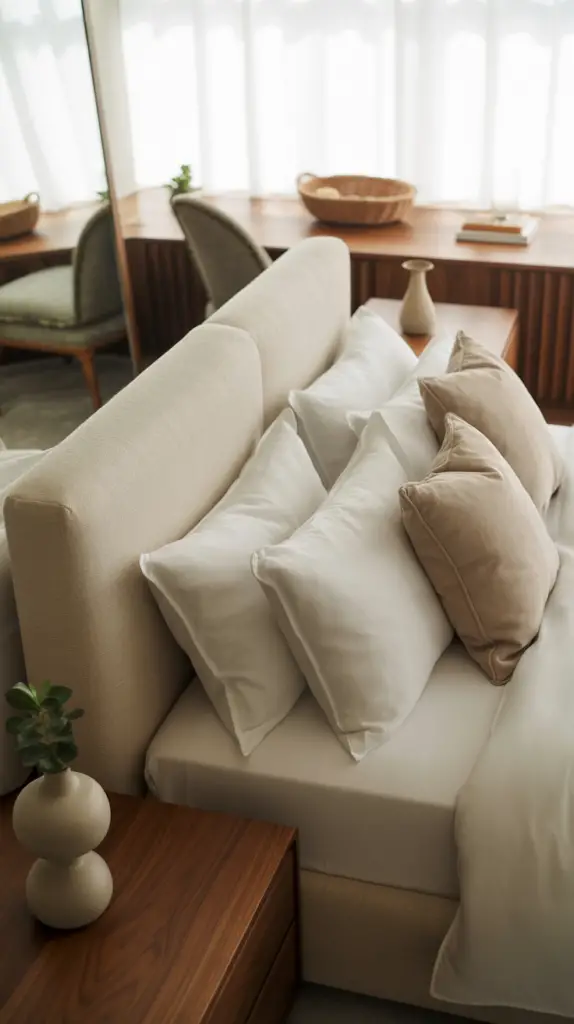
Texture transforms a bedroom from visually pleasing to emotionally soothing. When designing beautiful bedrooms for relaxing spaces, layering textures is a crucial step in building warmth and comfort. Soft textiles—like cotton sheets, chunky knit throws, or down-filled pillows—invite rest with their tactile appeal. A blend of fabrics such as linen, velvet, wool, and boucle adds dimension without needing bold pattern or color.
Start with the bedding. A layered approach—lightweight sheets, a cozy duvet, and an additional quilt or throw—creates a soft, inviting look. Rugs are equally important. Even in carpeted bedrooms, an area rug anchors the bed, adds texture underfoot, and enhances the overall sense of luxury.
Beyond textiles, consider natural materials such as wood, stone, rattan, or raw-edge pieces. These materials bring organic beauty that balances modern elements and introduces grounding energy. Decorative objects like ceramic vases, woven baskets, and textured lampshades also enhance the tactile landscape of your room.
Lighting further amplifies texture. Soft glows from lamps highlight the weaves, folds, and shadows in your bedding and decor, creating a cozy, atmospheric environment.
Texture Layering Overview
| Texture Type | Examples | Benefit |
| Soft fabrics | Linen bedding, knit throws | Comfort + visual depth |
| Natural elements | Wood, rattan, stone | Organic warmth |
| Hard textures | Ceramics, glass | Contrast + elegance |
| Woven accents | Baskets, lampshades | Additional layering |
Texture ensures your bedroom feels like a retreat—soft, soothing, and beautifully balanced.
Lighting Design That Shapes Mood and Relaxation
Lighting plays a transformative role in bedroom design, especially when relaxation is the focus. A well-lit room doesn’t mean bright—it means layered, atmospheric, and adjustable. Think of lighting as the visual heartbeat of the space.
Ambient lighting forms the base layer. This includes overhead fixtures such as soft pendant lights or flush mounts that provide overall illumination. Choose warm-toned bulbs to maintain a restful glow. Overly cool lighting can feel harsh and disrupt the peaceful nature of the bedroom.
Next, incorporate task lighting. Bedside lamps, wall-mounted sconces, or reading lights bring functionality and warmth to specific areas. They offer convenience without overwhelming the room’s softness. Placing lamps at varying heights creates visual interest and makes the space feel more dynamic.
Accent lighting adds depth and romance. LED strips behind headboards, candles on nightstands, or soft lighting within shelving introduces subtle highlights that draw the eye while maintaining tranquility. Mirrors can enhance lighting effects by reflecting soft glows across the room, adding luminosity without additional fixtures.
Lighting Breakdown
| Lighting Type | Purpose | Best Placement |
| Ambient | Overall illumination | Overhead or central fixtures |
| Task | Focused usability | Bedside, reading areas |
| Accent | Mood + texture | Behind headboards, shelves, decor |
| Reflective surfaces | Light enhancement | Opposite windows or lamps |
Layered lighting elevates the bedroom’s atmosphere, making it soothing from sunrise to sunset.
Personalizing Your Bedroom with Meaningful Accents
Personal touches bring soul and story to any bedroom. Even in the most serene spaces, decor elements can reflect personality without compromising the relaxing feel. Artwork plays a key role here. Consider pieces that evoke calm—watercolor landscapes, abstract forms in muted tones, or black-and-white photography. These visuals contribute emotional depth and refine the aesthetic.
Decorative objects should feel intentional. Ceramic bowls, handcrafted vases, woven trays, or sculptural objects in natural tones complement a soothing bedroom palette. Plants are another powerful accent. A single tall plant or a few small potted greens introduce life and a sense of organic harmony.
Books can also enhance personalization. Curate a small stack of your favorites on the nightstand or create a reading nook with a soft throw and accent pillows. Accent pillows and throws allow for subtle color and pattern shifts, letting you refresh the room without major changes.
Accent Layering Guide
| Accent Category | Ideas | Design Impact |
| Artwork | Abstract prints, soft landscapes | Personality + atmosphere |
| Natural elements | Plants, wood decor | Vitality + grounding |
| Decorative objects | Ceramics, woven trays | Texture + style |
| Textiles | Accent pillows, throws | Soft color shifts |
Personal accents complete a beautiful bedroom, making it not only visually relaxing but emotionally comforting.
Creating Layouts That Maximize Comfort and Flow
The layout of a bedroom influences how comfortably and efficiently the space functions. Even the most stunning design can feel overwhelming if the layout doesn’t support relaxation. Begin by positioning the bed in a spot that feels balanced—ideally against a solid wall and facing a view that brings peace, whether a window, a piece of art, or a clean open space.
Consider traffic pathways. A clear flow from the doorway to the bed, dresser, or closet reduces visual clutter and keeps the room feeling open. Position nightstands within easy reach of the bed, ensuring symmetry when possible, which naturally promotes calmness.
If the room allows, incorporate zones for reading, getting dressed, or simply unwinding. A cozy chair in a corner or a cushioned bench near a window creates functional havens that enhance relaxation. Storage solutions are essential in maintaining flow. Under-bed storage, drawer organizers, baskets, and wardrobes help contain clutter, ensuring the room stays serene.
Layout Planning Table
| Layout Element | Consideration | Benefit |
| Bed placement | Solid wall, balanced view | Anchors the room |
| Pathways | Clear movement routes | Reduces visual stress |
| Seating areas | Corners, near windows | Added comfort + function |
| Storage | Hidden or organized | Maintains tranquility |
A thoughtful layout shapes not just how your bedroom looks but how it feels—a true retreat for mind and body.
Furniture and Decor Maintenance to Preserve Relaxing Spaces
To maintain the beauty and tranquility of your bedroom, simple and consistent upkeep makes a significant difference. Bedding should be washed frequently, and rotating sheets between linen, cotton, or bamboo options keeps the room fresh while extending the life of your textiles. Vacuuming rugs regularly and dusting furniture surfaces helps maintain the room’s air quality and visual clarity.
Wooden furniture benefits from occasional polishing to maintain warmth and prevent wear. Upholstered pieces should be spot-cleaned when needed. Keeping nightstands free of clutter contributes to a calmer mental environment. Using organizers, baskets, and trays ensures everyday items have a place.
Maintenance doesn’t need to be time-consuming. Ten minutes each day—a quick tidy, fluffing pillows, folding throws—goes a long way. Weekly resets can include deeper cleaning, reorganizing drawers, and refreshing décor, ensuring your space remains intentional and soothing.
Maintenance Overview
| Area | Care Method | Purpose |
| Bedding | Wash and rotate | Freshness + hygiene |
| Furniture | Dust, polish, spot-clean | Longevity + appearance |
| Floors | Vacuum and mop | Cleanliness + comfort |
| Organization | Declutter weekly | Maintains calm environment |
Maintaining your bedroom ensures that its relaxing energy remains consistent and refreshing.
Conclusion
Designing a beautiful bedroom that nurtures relaxation involves a thoughtful balance of color, texture, furniture, lighting, and personal expression. Each element works together to create a space that feels calm, comforting, and deeply suited to your lifestyle. Whether you’re refreshing your palette, rethinking layout, or adding meaningful decor, the choices you make shape the emotional experience of the room.
A relaxing bedroom doesn’t require extravagant design—it thrives on intention, harmony, and atmosphere. When curated with care, your bedroom becomes more than a place to sleep; it becomes a restorative retreat that supports rest, creativity, and overall well-being. With these ideas and strategies, you now have a guide to create a space that feels truly beautiful and richly relaxing every day.