
Beautiful Tuscan Bathroom Details for Your Home: Timeless Design Ideas & Authentic Styling Tips
Table of Contents
Introduction
There is something undeniably captivating about the effortless charm of Tuscan design—an aesthetic steeped in history, craftsmanship, and earthy beauty. In fact, interior designers report that rustic Mediterranean styles continue to rise in popularity as homeowners seek warm, grounding spaces that feel both luxurious and lived-in. A bathroom, often overlooked in design, becomes the perfect room to showcase these elements, inviting a sense of old-world serenity into everyday routines.
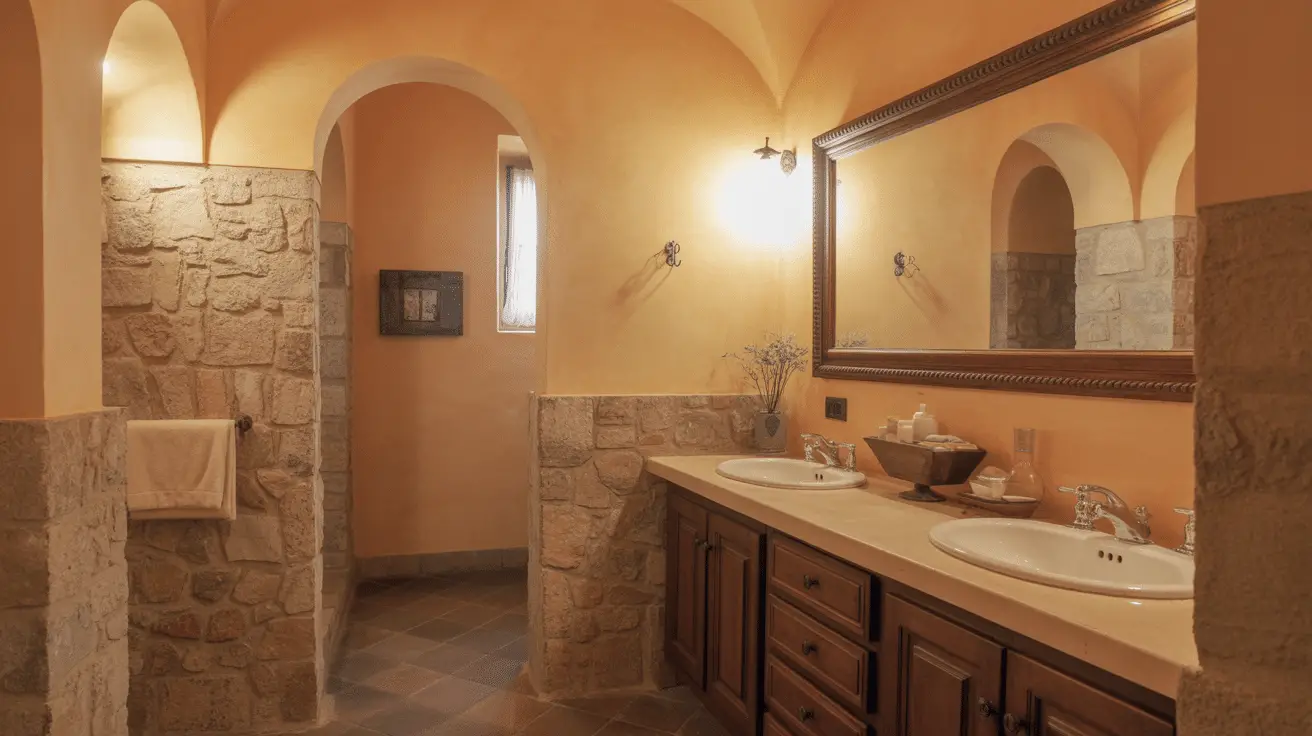
Beautiful Tuscan bathroom details can transform an ordinary space into a retreat reminiscent of a sun-soaked villa in the rolling hills of Italy. With its signature palette, natural materials, and artisan touches, the Tuscan style blends rustic character with refined comfort. Whether you’re renovating from scratch or enhancing your current bathroom with subtle accents, embracing Tuscan-inspired design brings depth, authenticity, and atmosphere.
In this blog, you’ll explore the essential details that define a Tuscan bathroom, from color schemes and flooring to fixtures, stonework, and decorative accessories. You’ll also discover how to balance rustic textures with modern conveniences, incorporate handmade elements, and curate a beautifully layered, harmonious space. By the end, you’ll have a clear understanding of practical design steps, thoughtful styling tips, and the timeless appeal that makes Tuscan bathrooms so enduringly beautiful.
The Warm, Earthy Color Palette That Defines Tuscan Style
A Tuscan bathroom begins with a thoughtfully curated color palette inspired by the natural landscapes of the Italian countryside. These rich, grounding tones create an inviting backdrop that immediately sets the mood. Think of sunbaked terracotta, warm ochre, olive green, aged bronze, and creamy neutrals—colors that feel warm, lived-in, and softly elegant.
Tuscan color schemes lean toward muted, earthy shades rather than bright or saturated tones. This allows the beauty of natural materials—stone, wood, iron, and marble—to shine without overwhelm. The key is layering: walls may feature a textured clay finish while vanities showcase dark woods and accents in oil-rubbed bronze. Together they build a space that feels warm, cohesive, and deeply rooted in Mediterranean character.
Choosing the right finishes is essential. Many Tuscan bathrooms use plaster or faux-plaster wall techniques to mimic the textured look of old Italian villas. When complemented by stone tiles or mosaic borders, the room gains a timeless quality that feels handcrafted and authentic. Accent colors—warm golds, muted blues, or rusty red—can be introduced through towels, pottery, or wall art to add depth without distracting from the overall serene palette.
Color Palette Breakdown
| Color Tone | Description | Best Used For |
| Terracotta | Warm, earthy orange | Tile, accent decor |
| Olive Green | Muted natural green | Towels, ceramic accessories |
| Aged Gold | Soft metallic warmth | Hardware, mirrors |
| Cream & Beige | Soft neutrals | Walls, stone flooring |
| Deep Walnut | Rich wood tone | Vanities, shelving |
Natural Stone and Tilework That Bring Authentic Tuscan Texture
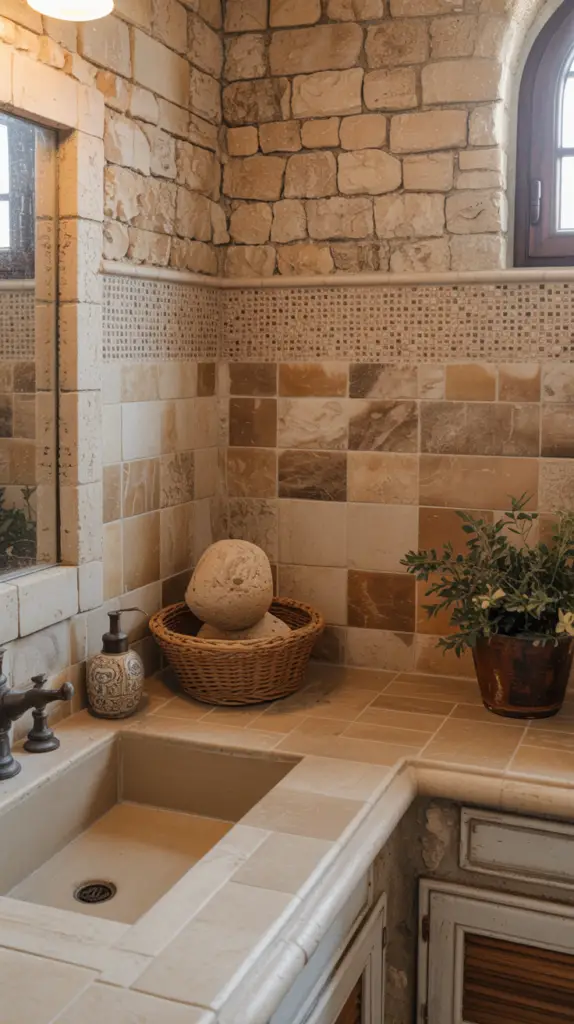
Stone is perhaps the most defining material in Tuscan design, and incorporating it intentionally can instantly elevate a bathroom with Mediterranean elegance. Travertine, limestone, marble, and tumbled stone tiles are particularly popular for their organic movement and soft color variations. These materials connect your interior to centuries-old Italian architecture, where stone was both functional and artistically significant.
A Tuscan bathroom often incorporates a mix of stone applications—flooring, shower surrounds, backsplashes, and decorative mosaics. Travertine, with its warm, creamy tone, is especially fitting for bathroom flooring and shower tile, creating a cohesive foundation. On walls, textured stone or tile borders add sophistication while maintaining a rustic charm. Using matte or honed finishes helps preserve the old-world feel and avoids the ultra-polished, contemporary look.
One compelling design strategy is blending stone sizes and shapes. For example, large-format tiles paired with small mosaic inlays can add visual interest and dimension. Stone countertops continue the natural theme, offering durability as well as timeless character. When paired with bronze fixtures or wrought iron details, the stonework becomes the centerpiece of the bathroom’s Tuscan narrative.
Stone & Tile Style Table
| Material | Characteristics | Ideal Placement |
| Travertine | Warm, porous, classic Tuscan texture | Floors, showers |
| Limestone | Soft, matte finish, natural aging | Wall accents |
| Marble | Elegant veining, luxurious | Countertops, vanity tops |
| Tumbled Stone | Weathered edges, rustic | Borders, decorative inlays |
Rustic Wooden Elements That Add Warmth and Character
Wood plays a central role in Tuscan design, bringing warmth, structure, and handcrafted appeal. The wooden vanity in a Tuscan bathroom is often a focal point, showcasing deep, warm tones and rich grain patterns. Unlike modern glossy cabinetry, Tuscan-style wood is aged, distressed, or matte-finished to emulate the look of antique furniture passed down through generations.
Solid wood shelving, exposed beams, and carved mirrors contribute to the rustic ambiance. Pieces with wrought iron hardware or decorative carvings further evoke the charm of Italian artisanship. The interplay between dark wood and lighter stone surfaces also creates a striking contrast that feels balanced and harmonious.
Complementary wooden accents—stools, ladder-style towel racks, or small display shelves—help tie the room together. Wood should feel intentional and abundant but not overwhelming. Allow its natural character to shine through subtle variations in tone, grain, and finish. Choosing reclaimed or sustainably sourced wood enhances both authenticity and environmental consciousness.
Wood Element Feature Table
| Wood Type | Appearance | Use in Tuscan Bathroom |
| Walnut | Dark, rich grain | Vanities, frames |
| Oak | Medium tone, rustic | Shelving, storage |
| Alder | Warm, uniform | Doors, trim |
| Reclaimed Wood | Weathered, textured | Accent pieces |
Ironwork and Aged Metal Accents That Elevate the Tuscan Atmosphere
Ironwork is essential in Tuscan design, offering contrast, structure, and historical charm. From wrought iron towel bars to ornate light fixtures, metal accents contribute an artisanal touch that complements both stone and wood. The key is selecting finishes that appear aged rather than new—oil-rubbed bronze, antique gold, and dark iron are excellent choices that maintain authenticity.
Lighting is a powerful way to showcase ironwork in a Tuscan bathroom. Wall sconces modeled after lanterns or candle-style fixtures cast a warm glow reminiscent of old Italian farmhouses. Pairing metal with textured glass or alabaster shades enhances the rustic elegance. Even small touches—drawer pulls, faucet handles, or decorative iron grilles—help build depth and visual interest.
Mirrors framed in wrought iron scrollwork add artistic flair while maintaining the cohesive Mediterranean theme. When balanced with soft lighting and warm natural materials, these metal accents enrich the bathroom’s old-world character without overpowering the space.
Ironwork Inspiration Table
| Metal Finish | Style | Best Uses |
| Oil-Rubbed Bronze | Subtle, aged | Faucets, hardware |
| Antique Iron | Rustic, matte | Shelving brackets, towel racks |
| Aged Gold | Warm, soft shimmer | Mirrors, lighting |
| Dark Bronze | Elegant, bold | Fixtures, accent décor |
Curating the Perfect Tuscan Vanity and Sink Area
The vanity area serves as a natural focal point in any bathroom, but in Tuscan design, it becomes a statement of craftsmanship and historic charm. A well-curated vanity blends rustic wood, elegant stone, and artisanal detailing to create a space that is functional yet visually captivating.
Tuscan vanities often resemble vintage furniture pieces. Choosing a dark-stained walnut or distressed oak style adds instant authenticity. Instead of sharp, modern silhouettes, opt for rounded edges, carved details, or paneled doors that feel timeless. Open shelving can display neatly folded towels or ceramic jars, further enhancing the lived-in elegance characteristic of Tuscan design.
Countertops are another crucial component. Travertine, marble, or limestone surfaces provide natural warmth and texture. While marble introduces subtle luxury with its veining, travertine keeps the look more rustic. Pairing these with bronze or iron fixtures completes the ensemble while maintaining harmony with the overall color palette.
Storage should feel intentional, not overly polished. Woven baskets, pottery canisters, and wooden trays are excellent for organizing toiletries without disrupting aesthetic flow. Adding a stone or ceramic vessel sink brings an artisan-crafted feel that aligns with Tuscan authenticity.
Soft lighting around the vanity enhances both beauty and practicality. Sconces mounted at face level reduce shadows and add warm illumination. Opt for golden or amber-toned bulbs to complement the earthy tones throughout the room.
Tuscan Vanity Styling Table
| Element | Characteristic | Styling Tip |
| Vanity Wood | Dark, distressed | Choose furniture-style pieces |
| Countertop | Stone or marble | Keep honed, matte surfaces |
| Fixtures | Bronze or iron | Use curved silhouettes |
| Accessories | Ceramics, baskets | Keep colors muted and warm |
Decorative Details That Complete the Tuscan Bathroom Look
Tuscan design thrives on small, thoughtful details that enrich the atmosphere and make the space feel intentionally curated. In a Tuscan bathroom, decorative accents are not merely additions—they help tell a story of tradition, craftsmanship, and the natural beauty of the Italian countryside.
One of the most impactful elements is pottery. Terracotta vases, ceramic bowls, and handcrafted jars offer both storage and visual warmth. Their earthy tones complement stone and wood textures seamlessly, while their artisan finishes evoke the charm of Italian markets and workshops.
Textiles are equally important. Towels in muted olive, beige, or deep gold tones bring softness while staying aligned with the Tuscan palette. A vintage-style rug with faded patterns can add a layer of comfort underfoot while contributing subtle color and texture.
Wall décor should remain understated and natural. Framed botanical prints, landscape artwork, or wrought iron wall hangings enhance the space without overwhelming it. Mirrors with carved wooden frames or scrollwork iron detailing further enrich the rustic aesthetic.
Plants are another beautiful addition. Choose greenery that thrives in humidity—olive-style plants, rosemary sprigs, or simple leafy greens in terracotta pots. Their presence reinforces the connection to nature that is fundamental in Tuscan design.
Scent also plays a role. Soft fragrances like bergamot, rosemary, or warm amber echo the freshness of Mediterranean landscapes, creating a multi-sensory experience.
Tuscan Décor Guide
| Décor Type | Purpose | Best Style Choice |
| Pottery | Warm, natural accents | Terracotta or hand-glazed |
| Textiles | Softness & warmth | Muted earthy tones |
| Plants | Freshness & life | Mediterranean greenery |
| Wall Art | Visual depth | Landscapes, botanicals |
Conclusion
A Tuscan bathroom is more than a design trend—it’s an invitation to experience warmth, craftsmanship, and timeless beauty. Through its earthy color palette, natural stone textures, rustic wood, and artisanal metalwork, this style brings authenticity and character to one of the most personal spaces in your home. By layering thoughtful details, choosing quality materials, and embracing the charm of handcrafted elements, you can create a sanctuary that feels both elegant and deeply comforting. Whether you incorporate subtle Tuscan touches or invest in a full transformation, the end result is a bathroom that radiates beauty, history, and soulful charm.