
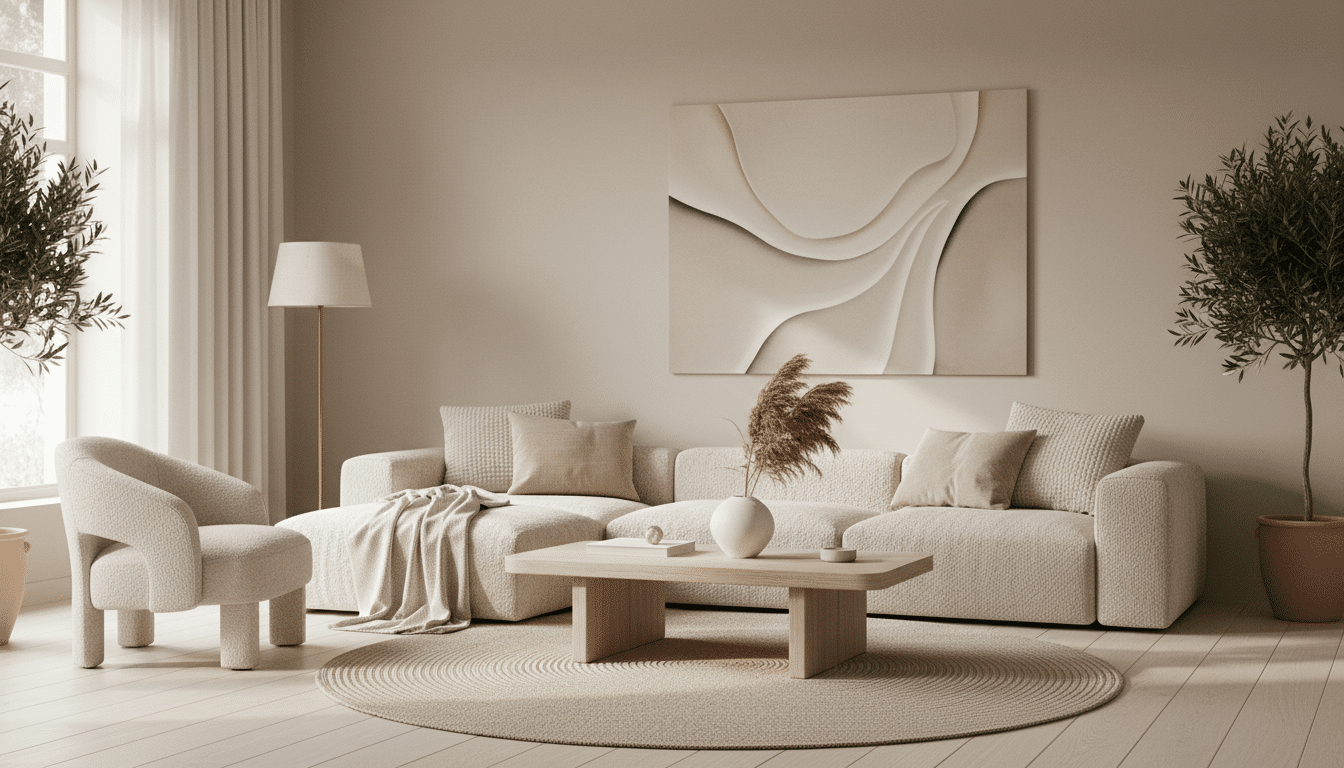
Brighten Your Room Easily with Beige Living Room Ideas for a Warm and Elegant Space
Table of Contents
Introduction
Have you ever walked into a room and instantly felt calm, relaxed, and at ease—without quite knowing why? Often, the secret lies in color. Neutral tones, especially beige, have long been associated with comfort and timeless elegance. In fact, interior designers consistently rank beige as one of the most versatile colors for creating bright, welcoming spaces that never go out of style.
If your living room feels dull, cramped, or visually heavy, you might assume you need bold colors or major renovations. But in reality, the solution can be much simpler. Beige living room ideas offer a subtle yet powerful way to brighten your space while maintaining a sophisticated and modern aesthetic.
Beige is far from boring—it’s a foundation that allows light to reflect, textures to stand out, and accents to shine. When used thoughtfully, it can transform your living room into a warm, airy retreat that feels both cozy and refined.
In this guide, you’ll discover how to brighten your room easily with beige living room ideas. From choosing the right shades and layering textures to incorporating lighting and decor, each section provides practical inspiration to help you create a space that feels effortlessly elegant and inviting.
Choose the Right Shade of Beige for a Bright Living Room
Not all beige tones are created equal, and selecting the right shade is essential when aiming to brighten your living room. Beige can range from warm, golden hues to cooler, gray-based tones, and each variation affects how light interacts with your space.
If your goal is to maximize brightness, opt for lighter beige tones with warm undertones. These shades reflect natural light beautifully and create a soft, glowing effect. Cooler beiges, on the other hand, can feel more muted and are better suited for minimalist or modern interiors.
Consider your room’s lighting conditions. A space with limited natural light benefits from warmer beiges, while rooms with abundant sunlight can handle slightly cooler tones without feeling dim.
It’s also important to test samples before committing. Paint a small section of your wall and observe how it looks throughout the day. Lighting changes can significantly alter how a color appears.
| Beige Shade Type | Undertone | Best For |
| Warm Beige | Yellow, cream | Cozy, bright spaces |
| Cool Beige | Gray, taupe | Modern, minimalist interiors |
| Light Beige | Soft neutral | Small or dark rooms |
| Deep Beige | Brown undertone | Accent walls or large spaces |
Choosing the right beige sets the foundation for a living room that feels open, bright, and inviting.
Layer Textures to Elevate Beige Living Room Ideas
One of the most common misconceptions about beige interiors is that they can feel flat or uninspired. The key to avoiding this is layering textures. When done correctly, texture adds depth, interest, and richness to your living room while maintaining a cohesive color palette.
Start with your largest elements. A beige sofa can serve as the centerpiece, but its texture matters—linen, velvet, or boucle fabrics each create a different mood. Pair this with a textured rug, such as a woven or shag design, to anchor the space.
Next, introduce smaller layers. Cushions, throws, and curtains offer opportunities to mix materials like cotton, wool, or knits. These elements soften the room and make it feel more inviting.
Natural textures are especially effective. Wood, rattan, and stone bring warmth and contrast to beige tones, preventing the space from feeling overly monochromatic.
Balance is important. Avoid using too many similar textures, as this can make the room feel repetitive. Instead, combine smooth and rough surfaces for a dynamic look.
| Texture Element | Material Options | Design Impact |
| Sofa Fabric | Linen, velvet, boucle | Adds character and comfort |
| Rugs | Woven, shag | Grounds the space |
| Throws | Wool, knit | Creates coziness |
| Natural Elements | Wood, rattan | Adds warmth and contrast |
Layering textures transforms beige living room ideas into a visually rich and elegant design.
Use Lighting to Enhance Beige Tones and Brightness
Lighting plays a crucial role in how beige appears in your living room. Since beige reflects light rather than absorbing it, the right lighting strategy can significantly enhance brightness and warmth.
Natural light should always be your starting point. Keep windows unobstructed and use sheer curtains to allow sunlight to filter through. This creates a soft, diffused glow that enhances the beauty of beige tones.
Artificial lighting should be layered. Combine overhead lighting with floor lamps, table lamps, and wall sconces to create depth. Warm white bulbs are ideal, as they complement beige and create a cozy atmosphere.
Placement is just as important as the type of lighting. Position lamps in darker corners to eliminate shadows and maintain a consistent level of brightness throughout the room.
Reflective surfaces can also amplify light. Mirrors, glass decor, and metallic accents bounce light around the room, making it feel more spacious.
| Lighting Type | Placement | Effect on Beige Tones |
| Natural Light | Windows | Enhances warmth and openness |
| Overhead Lights | Ceiling | Provides general brightness |
| Accent Lamps | Corners, side tables | Adds depth and coziness |
| Mirrors | Opposite light sources | Reflects and amplifies light |
A thoughtful lighting plan ensures your beige living room feels bright, warm, and inviting at all times.
Combine Beige with Complementary Colors for Balance
While beige is a versatile and calming base, combining it with complementary colors can elevate your living room from simple to sophisticated. The right color pairings add dimension and prevent the space from feeling overly neutral.
Soft whites and creams are natural companions to beige, creating a layered neutral palette that feels airy and cohesive. For more contrast, consider earthy tones like terracotta, olive green, or muted brown. These colors enhance warmth while maintaining harmony.
Cool accents such as dusty blue or charcoal gray can introduce balance, especially in modern interiors. These tones provide contrast without overwhelming the subtle elegance of beige.
Metallic finishes also play a role. Gold, brass, or matte black accents can add a refined touch and break up the monotony of neutral tones.
The key is moderation. Introduce complementary colors through decor, textiles, or small furniture pieces rather than large surfaces.
| Color Pairing | Example Use | Visual Effect |
| White & Cream | Walls, trims | Bright and cohesive |
| Earthy Tones | Cushions, rugs | Warm and grounded |
| Cool Accents | Decor pieces | Balanced contrast |
| Metallics | Lighting, accessories | Elegant highlights |
This approach ensures your beige living room remains dynamic and visually engaging.
Incorporate Minimalist Furniture for a Modern Beige Living Room
Furniture selection plays a defining role in how your beige living room feels. Minimalist furniture, with its clean lines and uncluttered forms, complements beige tones perfectly and enhances the overall brightness of the space.
Start by choosing pieces with simple silhouettes. Avoid overly ornate designs or bulky furniture, as these can make the room feel heavy. Instead, opt for streamlined sofas, sleek coffee tables, and open-frame chairs that allow light to flow freely.
Material choice is equally important. Light wood finishes, glass surfaces, and metal accents work well in a beige living room. These materials reflect light and contribute to an airy, modern aesthetic.
Spacing should be intentional. Arrange furniture in a way that promotes movement and avoids overcrowding. Leaving gaps between pieces creates a sense of openness and allows the room to breathe.
Multi-functional furniture can also be beneficial. Storage ottomans, nesting tables, and modular seating provide flexibility without adding visual clutter.
| Furniture Type | Recommended Style | Benefit |
| Sofa | Clean lines, neutral fabric | Enhances openness |
| Coffee Table | Glass or light wood | Reflects light |
| Chairs | Slim, open-frame | Maintains airy feel |
| Storage Pieces | Hidden compartments | Reduces clutter |
Minimalist furniture ensures your beige living room feels modern, spacious, and effortlessly elegant.
Add Decorative Accents to Personalize Beige Living Room Ideas
A beige living room provides the perfect canvas for personalization. Decorative accents bring character and individuality while enhancing the overall design. The key is to choose pieces that complement the neutral palette without overwhelming it.
Start with artwork. Wall art in soft tones or abstract designs can add visual interest while maintaining harmony. Large pieces work well as focal points, especially above a sofa or fireplace.
Textiles offer another opportunity for personalization. Cushions, throws, and curtains in subtle patterns or complementary colors can add depth and warmth.
Plants are an excellent addition. Greenery introduces life and freshness, creating a natural contrast against beige tones. Even a few well-placed plants can transform the atmosphere.
Decorative objects such as vases, books, and trays add layers of interest. Choose items with varying shapes and materials to create a curated look.
| Accent Type | Example | Design Benefit |
| Artwork | Abstract or neutral prints | Adds focal point |
| Textiles | Cushions, throws | Enhances comfort |
| Plants | Indoor greenery | Brings freshness |
| Decor Objects | Vases, books | Adds personality |
These accents ensure your living room feels unique, stylish, and inviting.
Keep the Space Open and Clutter-Free for Maximum Brightness
One of the most effective ways to brighten your living room is to keep it open and free of clutter. Beige living room ideas thrive on simplicity, where each element has room to stand out and contribute to the overall design.
Start by decluttering your space. Remove unnecessary items and focus on essentials that serve both functional and aesthetic purposes. This creates a clean foundation that enhances brightness.
Storage solutions are key. Use hidden storage options such as cabinets, baskets, or ottomans to keep items out of sight. This maintains a streamlined appearance while ensuring practicality.
Furniture placement also affects openness. Avoid pushing all pieces against walls; instead, create balanced arrangements that allow for easy movement and visual flow.
Negative space is just as important as filled space. Leaving certain areas empty helps the room feel larger and more breathable.
| Strategy | Approach | Result |
| Decluttering | Remove excess items | Cleaner, brighter space |
| Storage | Hidden solutions | Organized look |
| Layout | Balanced placement | Improved flow |
| Negative Space | Leave open areas | Enhances openness |
A clutter-free environment allows your beige living room to feel bright, calm, and effortlessly elegant.
Conclusion
Brightening your room with beige living room ideas is a simple yet powerful way to create a space that feels warm, inviting, and timeless. By choosing the right shade of beige, layering textures, and incorporating thoughtful lighting, you can transform your living room into a bright and elegant retreat.
The beauty of beige lies in its versatility. It works seamlessly with complementary colors, minimalist furniture, and personalized accents, allowing you to design a space that reflects your style while maintaining a clean and modern aesthetic.
Ultimately, the key is balance—between light and texture, simplicity and detail, function and beauty. When these elements come together, your living room becomes more than just a place to sit—it becomes a space that feels calm, cohesive, and truly welcoming.