
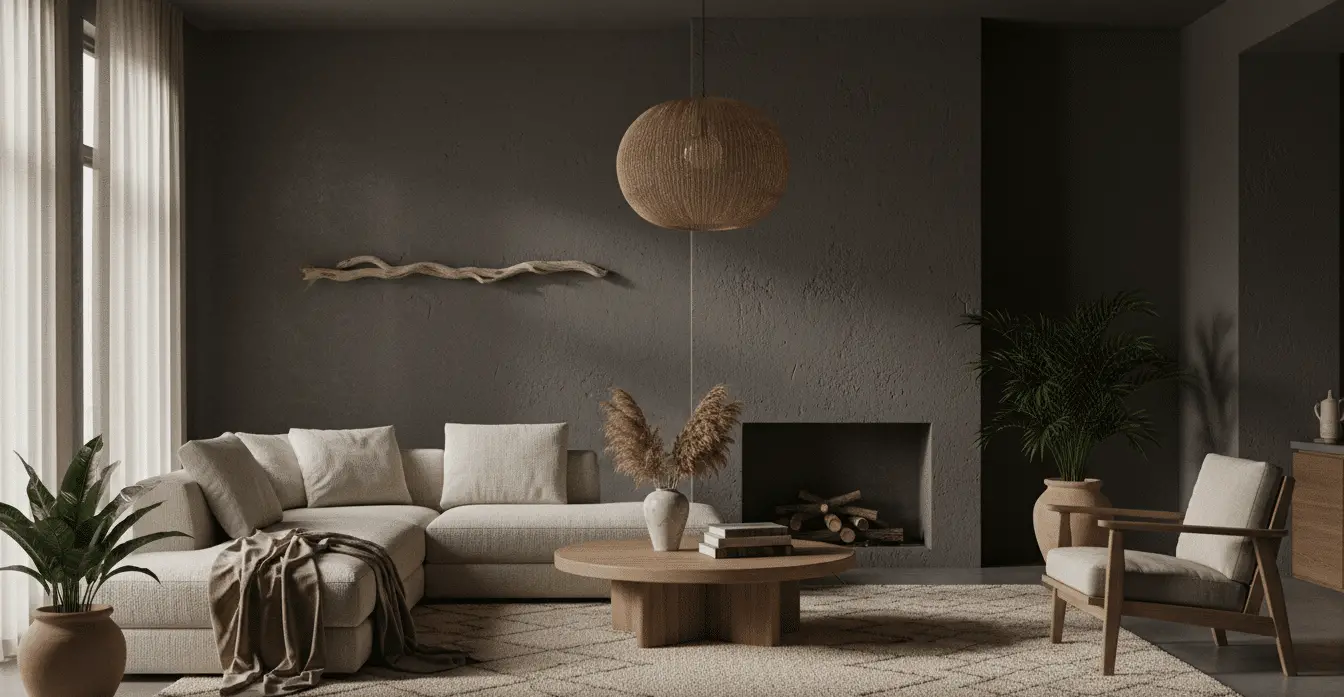
Budget-Friendly Moody Organic Modern Living Room Decor Tips for a Stylish, Elevated Home
Table of Contents
Introduction
When it comes to designing a living room that feels warm, sophisticated, and visually striking, the moody organic modern style has earned a devoted following. This look blends rich tones, natural textures, sculptural lines, and minimalistic elegance—yet many people assume it’s expensive to achieve. In reality, with strategic choices and a thoughtful approach, the moody organic modern aesthetic can be surprisingly budget-friendly. The secret lies in using contrast, layering, and natural materials in ways that maximize impact without requiring high-end purchases.
As more homeowners seek interiors that feel grounding and emotionally calming, this design style has become more than a trend—it’s a lifestyle shift toward intentional living. But figuring out how to balance deep, moody colors with organic textures can feel overwhelming. Where should you start? Which elements matter most? And how can you get a designer look on a realistic budget?
This article uncovers practical, accessible, and highly effective tips to help you create a moody organic modern living room without overspending. You’ll learn how to use lighting, color, natural materials, furniture choices, and styling tricks to bring depth and personality into your home. Each section includes expert-inspired advice, examples, and simple visuals to guide your choices—proving you can build a high-end aesthetic on any budget.
Start With a Rich, Moody Color Palette You Can Build On
Color is the foundation of the moody organic modern aesthetic. Deep tones bring a sense of intimacy and warmth, while muted neutrals prevent the room from feeling heavy. The goal is balance: lush, saturated hues paired with grounding naturals. Thankfully, creating this palette is highly budget-friendly because paint remains one of the most transformative and inexpensive décor updates available.
Interior stylists often begin with a single deep anchor shade—such as charcoal, espresso brown, olive green, or muted navy—to define the atmosphere. Even if you paint only one wall or the entire room, this immediately establishes the moody tone. From there, layering organic neutrals like mushroom beige, soft sand, or warm ivory helps soften the richness and add contrast. Mixing these shades through textiles, rugs, and accent décor is an affordable way to build dimension without splurging.
To maintain cohesion, use one dominant color, one secondary color, and one contrasting accent. This method ensures visual harmony while giving you flexibility to refresh accessories over time.
Color Palette Breakdown
| Color Category | Examples | Why It Works |
| Anchor shade | Charcoal, navy, deep olive | Sets the moody foundation |
| Organic neutral | Taupe, beige, warm white | Softens and balances dark tones |
| Accent tone | Terracotta, brass, walnut | Adds depth and visual interest |
Layer Natural Materials to Bring Warmth and Authenticity
One of the hallmarks of organic modern design is the intentional use of natural elements such as wood, stone, linen, wool, and clay. These materials counterbalance the moody palette, bringing depth, texture, and a sense of comfort. Fortunately, incorporating organic materials doesn’t require a premium budget—there are countless affordable, high-quality alternatives that look stunning.
Wood is the most versatile choice. Even budget-friendly pieces like bamboo shelves, faux wood side tables, or vintage thrifted finds can add instant warmth. Stone elements—like marble-look trays, ceramic vases, or slate coasters—provide refined texture without a luxury price tag. Textiles such as linen throw pillows, chunky knit blankets, and jute rugs reinforce the natural softness of the style.
Creating contrast is key. If your walls are dark, lighter organic elements will stand out beautifully, giving your living room a curated, designer feel. Likewise, darker wood tones look dramatic against soft neutral walls. The interplay of tactile materials is what gives moody organic modern spaces their signature coziness and depth.
Natural Materials Checklist
| Material | Affordable Options | Design Benefit |
| Wood | Bamboo, thrifted wood pieces, walnut-stain finishes | Adds earthy warmth |
| Stone | Faux marble, slate accessories | Creates visual depth |
| Textiles | Linen blends, cotton knits, jute rugs | Softens and grounds the space |
| Clay & ceramic | Handmade-look vases, budget pottery | Enhances organic authenticity |
Use Strategic Lighting to Enhance Mood and Create Depth
Lighting is one of the most transformative components of a moody organic modern living room—and it doesn’t need to be expensive. The key is layering multiple light sources to create softness, atmosphere, and dimension. Overhead lights alone can flatten a room, making it feel stark rather than moody. Instead, designers rely on ambient, accent, and task lighting to create a warm, enveloping glow.
Start with warm temperature bulbs (2700K–3000K). This instantly shifts the room toward a cozy, inviting tone. Then introduce lamps at various heights. A floor lamp adds height and gentle illumination, while a table lamp provides focused, intimate lighting. Wall sconces—especially battery-powered or plug-in versions—offer the designer look without the installation cost. Candlelight and LED flameless candles further enhance the moody ambiance and are particularly budget-friendly.
Diffusers and lampshades made from natural materials like linen, rice paper, or woven fibers add an organic touch while softening harsh glow. Consider lighting placement as well—illuminating corners makes small rooms feel larger, while highlighting textured materials enhances the organic elements in your décor.
Here is a detailed guide to help you plan lighting intentionally:
Lighting Layer Table
| Lighting Type | Affordable Options | Purpose |
| Ambient | Paper lantern, warm LED bulbs | Sets overall mood |
| Task | Desk lamp, reading lamp | Illuminates specific areas |
| Accent | Plug-in sconces, candlelight | Adds drama and highlights textures |
| Decorative | String lights, sculptural lamp bases | Enhances aesthetic personality |
Thoughtful lighting transforms your moody palette and natural materials into a cohesive, atmospheric sanctuary. When done correctly, even the simplest living room feels elevated and expensive.
Curate a Mix of High-Impact, Low-Cost Furniture Pieces
You don’t need designer furniture to create an elevated organic modern living room. The key is choosing pieces with clean lines, warm textures, and sculptural silhouettes. Mixing budget-friendly large items with a few high-impact accent pieces creates a balanced and luxurious look.
Start with a minimalist sofa in a neutral tone—beige, taupe, or charcoal—because it provides a timeless foundation. Affordable retailers and secondhand marketplaces often offer simple, modern pieces that pair beautifully with organic décor. Accent chairs with curved forms or wood frames bring sculptural interest without a high price. Look for mango wood, rattan, and walnut finishes to stay within the organic palette.
Coffee tables and side tables present excellent opportunities to play with materials. Stone-look finishes, reclaimed wood surfaces, or dark-stained tables all contribute to the moody aesthetic. You can also update existing furniture with simple DIY tricks like sanding and re-staining, swapping hardware, or adding textural throws.
Budget Furniture Strategy
| Furniture Type | Budget Tips | Design Outcome |
| Sofa | Neutral tone, durable fabric | Timeless anchor piece |
| Accent chairs | Thrifted frames, curved silhouettes | Adds sculptural style |
| Coffee table | Faux stone or reclaimed-look finishes | Enhances organic mood |
| Shelving | Flat-pack wood units or thrifted finds | Provides affordable storage |
Incorporate Layered Textiles for Comfort and Visual Harmony
Textiles are one of the most affordable ways to add richness, depth, and personality to a moody organic modern living room. They soften the overall space, blur hard lines, and bring in organic textures that make the style feel warm and inviting. Even with a small budget, you can create a luxurious layered look by choosing fabrics intentionally and combining patterns, tones, and textures thoughtfully.
Start with a grounding rug. A jute, wool-blend, or textured flat-weave rug introduces an earthy foundation. If your living room already has darker walls or furniture, a lighter rug provides contrast and prevents the room from feeling dense. Then layer throw pillows in a mix of linen, boucle, and knitted fabrics. Stick to a cohesive palette while varying texture to avoid a monotonous look.
Throws and blankets are small investments with big impact. A chunky knit throw instantly adds visual depth, while a gauzy linen blanket softens the moody palette. Curtains are another important layer—opt for natural fibers or linen-look drapes in warm, earthy tones. They not only diffuse light beautifully but also enhance the organic character of the room.
Below is a textile layering guide to help you style with intention:
Textile Layering Guide
| Textile Type | Recommended Materials | Visual Effect |
| Rug | Jute, wool blend, textured weaves | Grounds and warms the room |
| Pillows | Linen, boucle, knitted textures | Adds depth and character |
| Throws | Chunky knit, cotton gauze | Creates softness and coziness |
| Curtains | Linen or linen-blend | Enhances organic elegance |
The true magic of layered textiles lies in their ability to make a space feel lived-in yet refined. With mindful layering, even the simplest furniture takes on a curated, elevated look.
Style With Minimal Yet Impactful Décor Accessories
Accessories bring personality into a moody organic modern living room, but the key is restraint. This design style embraces intentional minimalism—fewer items, but each one rich in texture, shape, or meaning. Choosing décor with sculptural lines, natural materials, and earthy tones allows you to create a high-end look on a small budget.
Consider ceramic vases with matte finishes, wooden bowls, marble-look trays, or textured candle holders. Group items in threes with varying heights to create visually pleasing arrangements. Books are also effective décor pieces; stack a few aesthetic hardcovers to elevate a vase or display a sculptural object. Incorporating nature—like branches, dried botanicals, or smooth river stones—reinforces the organic vibe without adding cost.
Wall décor should remain understated but impactful. Instead of expensive art, opt for digital prints, thrifted frames, or oversized DIY canvas pieces painted in moody tones. Mirrors also work beautifully—they reflect light and add dimension while staying aligned with a minimalist aesthetic.
Décor Essentials Table
| Accessory Type | Budget Option | Design Purpose |
| Vases | Matte ceramic or clay-look pieces | Adds sculptural element |
| Wall art | DIY canvas or digital prints | Anchors visual interest |
| Books | Thrifted or repurposed | Enhances styling layers |
| Candles | Pillar or textured candles | Softens mood |
Bring Balance With Nature-Inspired Greenery
Greenery is a signature element of organic design, and it’s an inexpensive way to breathe life into a moody living room. Plants introduce color, texture, and movement, softening darker palettes while reinforcing the connection to nature. Even a single, well-chosen plant can shift the entire atmosphere.
Choose varieties with sculptural shapes—such as monstera, snake plants, or olive trees—for maximum visual impact. If you prefer low-maintenance options, dried grasses, preserved stems, or high-quality faux plants offer long-lasting organic beauty. Rustic planters, terracotta pots, or matte black containers add to the moody modern aesthetic.
Plants also work as functional décor pieces. Place tall plants in bare corners to fill empty space, medium plants on side tables, and small plants on shelves to add subtle freshness. For a cohesive design, repeat similar pot colors or materials across the room.
Greenery Placement Guide
| Plant Size | Ideal Placement | Visual Benefit |
| Large | Corners, beside sofa | Adds height and movement |
| Medium | Side tables, coffee table | Introduces organic form |
| Small | Shelves, window sills | Adds freshness and detail |
Conclusion
Creating a moody organic modern living room on a budget is entirely achievable with thoughtful decisions and intentional layering. By starting with a rich color palette, incorporating natural materials, using strategic lighting, curating furniture wisely, layering textiles, and styling with purpose, you can build a space that feels luxurious, atmospheric, and deeply comforting. This design style thrives on contrast, authenticity, and warmth—all elements that can be achieved affordably when you focus on texture, tone, and simplicity. Ultimately, the most beautiful organic modern spaces are those that reflect your personal style while offering a sense of grounded elegance.