
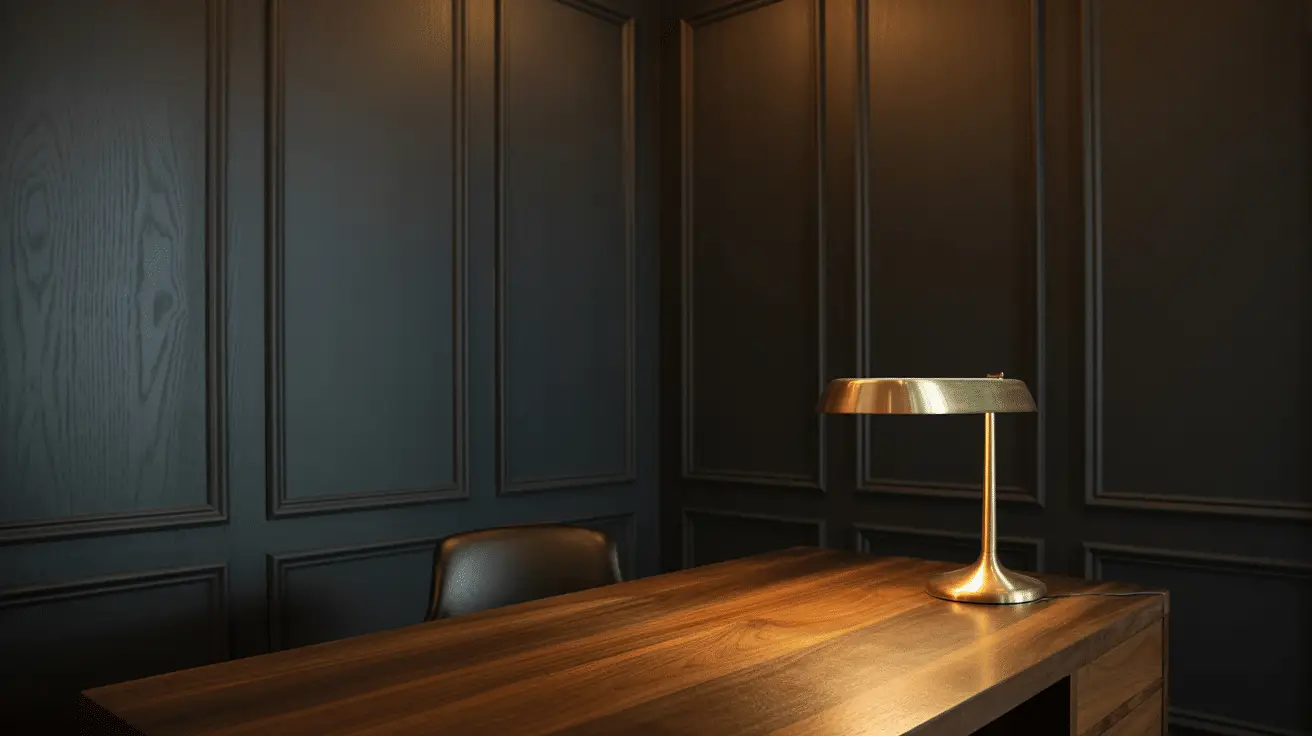
Chic Dark and Moody Office Inspiration for Creative Professionals Seeking Bold Style
Table of Contents
Introduction
A workspace isn’t just where you work—it’s where ideas are born, projects take shape, and creativity flourishes. For many creative professionals, design is not merely aesthetic but emotional. Enter the allure of the dark and moody office, a rising trend that’s redefining what productivity looks and feels like. Gone are the days of sterile white cubicles and harsh overhead lighting; modern creatives are embracing bold palettes, deep tones, and dramatic contrast to inspire focus and individuality.
According to a 2024 design survey by Architectural Digest, over 40% of designers reported a growing preference for darker, more atmospheric interiors in home offices. The reason? These spaces foster calm, creativity, and introspection—qualities essential to artists, writers, designers, and entrepreneurs alike.
This guide dives deep into the world of chic dark and moody office design, offering inspiration that balances elegance with functionality. You’ll discover how to select the right color palette, integrate textures, layer lighting, and curate décor that speaks to your creative soul. Whether your aesthetic is vintage sophistication, modern industrial, or quietly luxurious, these ideas will help you transform your workspace into a sanctuary of style and inspiration.
Embracing the Beauty of Darkness
Dark interiors evoke mystery, depth, and refinement—but they also require intentional design to avoid feeling oppressive. When styled correctly, a dark and moody office becomes a cocoon of creativity—a place where light, shadow, and material contrast converge to inspire.
Start by choosing a base color. Charcoal, midnight blue, forest green, or rich espresso brown create the perfect moody foundation. These hues offer versatility and pair beautifully with metallic accents, natural wood, or stone textures. Matte finishes, rather than glossy ones, enhance the sense of sophistication and intimacy.
Complement your dark palette with natural or diffused lighting to keep the room feeling alive. Adding reflective elements like mirrors, metallic lamp bases, or subtle glass décor introduces dimension and prevents visual heaviness.
| Design Element | Recommended Tone | Purpose |
| Wall Color | Charcoal, navy, forest green | Establish mood and depth |
| Material | Wood, brass, leather | Add texture and warmth |
| Accent | Metallics, mirrors | Reflect light, create balance |
By leaning into darkness intentionally, you craft a workspace that feels grounded, confident, and deeply personal—a backdrop for your most inspired ideas.
Selecting the Perfect Dark Color Palette
The color palette sets the tone—literally—for your entire workspace. In a dark and moody office, the goal is harmony between drama and comfort. Choose colors that speak to your creative energy without overwhelming it.
Black, while timeless, can feel stark if used excessively. Instead, explore complex hues: deep olive, slate blue, cocoa brown, or aubergine. These shades add character and nuance while preserving the desired atmosphere. For walls, a matte or eggshell finish absorbs light gracefully, emphasizing shadow play.
To prevent the space from feeling flat, layer tonal variations. For instance, pair a deep navy wall with lighter blue-gray accents or combine matte charcoal walls with warm walnut furniture. Small pops of muted color—rust, amber, or moss—can act as visual relief.
| Palette Style | Key Colors | Mood Created |
| Industrial Chic | Charcoal, iron gray, black | Urban sophistication |
| Luxe Organic | Olive, bronze, walnut | Earthy elegance |
| Classic Drama | Navy, gold, cream | Timeless luxury |
| Minimal Modern | Slate, graphite, soft white | Calm and balanced |
Choosing your palette is an act of storytelling—your office becomes the visual expression of your brand and mindset.
Layering Lighting for Mood and Focus
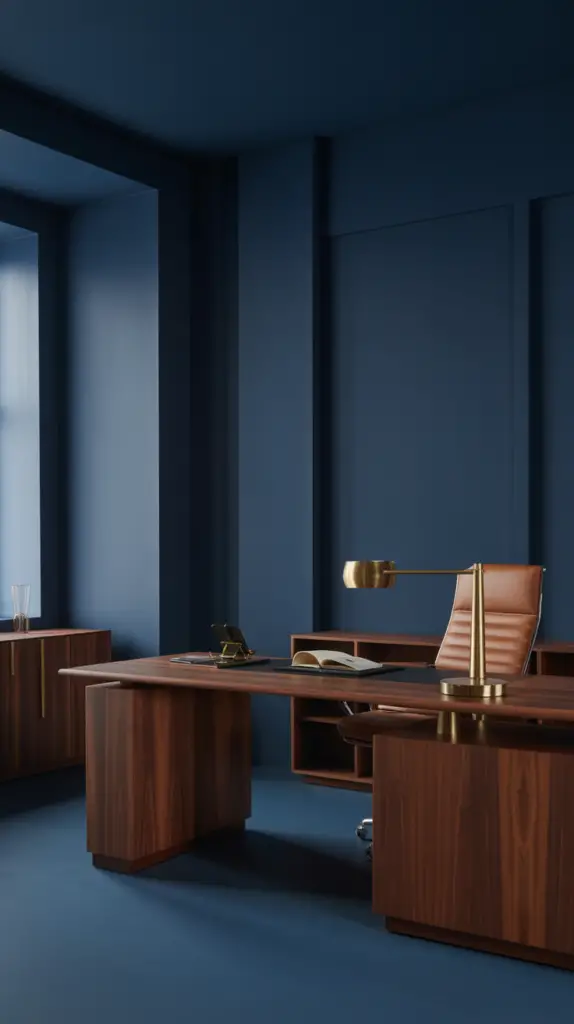
Lighting is the heartbeat of a dark and moody office. It defines atmosphere, highlights textures, and controls how colors are perceived. Unlike bright minimalist spaces, moody offices rely on layered, intentional lighting to achieve both functionality and ambiance.
Start with ambient lighting—a soft, overall glow that sets the room’s tone. Wall sconces, dimmable ceiling fixtures, or LED strips hidden behind molding can create a diffused effect. Next, incorporate task lighting for focus areas such as your desk or reading nook. Adjustable lamps in brass, matte black, or aged bronze add style and practicality.
Finally, add accent lighting to elevate design details. A spotlight on artwork, a backlit shelf, or a candle-like glow can transform ordinary décor into a focal point.
| Lighting Type | Example Fixture | Best Use |
| Ambient | Dimmable ceiling or wall light | Overall illumination |
| Task | Adjustable desk lamp | Focused work area lighting |
| Accent | LED strip, art light | Highlight texture or art |
Avoid harsh white light. Instead, choose warm bulbs (2700–3000K) for an inviting, golden ambiance that enhances dark tones rather than competing with them.
Mixing Textures and Materials for Depth
Texture is what turns a dark office from flat to fascinating. When working with darker colors, the tactile quality of materials becomes essential for creating visual movement and interest.
Combine smooth, rough, matte, and glossy finishes to create balance. For example, pair a sleek black metal desk with a velvet chair or woven rug. The interplay of these surfaces introduces sensory contrast and warmth.
Natural materials such as wood, stone, and leather bring authenticity to the space. A walnut desk, a marble lamp base, or a wool throw over a chair instantly softens the room’s tone. For a hint of luxury, introduce metallics sparingly—aged brass handles, gold frames, or copper accessories add glow without breaking the moody vibe.
| Material Type | Example | Effect on Space |
| Natural | Wood, stone, linen | Adds warmth and balance |
| Luxe | Velvet, brass, leather | Enhances sophistication |
| Industrial | Iron, concrete | Brings edge and contrast |
| Organic | Plants, clay décor | Softens dark palette |
The secret lies in thoughtful juxtaposition—where every material complements the next, building layers that feel both elegant and tactile.
Art, Decor, and Styling for a Creative Edge
Art transforms your workspace from functional to inspiring. In a dark and moody office, artwork and décor act as expressions of identity and imagination.
Choose pieces that resonate with your creative journey. Abstract art, monochrome photography, or vintage oil paintings create sophistication and mood. Large-scale pieces command attention and can offset darker walls beautifully, while smaller artworks can be grouped in gallery-style arrangements for a more personal touch.
Decorative accents should enhance the aesthetic without clutter. Sculptural vases, glass objects, or minimal stationery can serve as quiet design statements. Avoid overly bright items that disrupt the harmony—stick to subdued or metallic tones.
| Decor Element | Material | Placement Idea |
| Artwork | Canvas, framed prints | Above desk or sofa |
| Accessories | Brass, ceramic, marble | Shelves or console tables |
| Books | Neutral or dark spines | Layered horizontally |
| Greenery | Monstera, snake plant | Corners or window sills |
Remember that creativity thrives in spaces that feel intentional. Each piece in your office should contribute to the atmosphere you’re cultivating—elegant, thoughtful, and deeply personal.
Furniture That Marries Function and Style
In a dark and moody workspace, furniture should be both practical and sculptural. The right pieces define the space’s flow while reinforcing its aesthetic.
Opt for a statement desk—solid wood or blackened metal designs exude confidence and permanence. Pair it with a comfortable, high-quality chair upholstered in leather or velvet. These anchor pieces set the tone for luxury and professionalism.
Storage should blend seamlessly into the room. Dark built-in shelving, minimal drawers, or vintage credenzas maintain the moody look while concealing clutter. Floating shelves in rich wood tones are ideal for showcasing curated décor and creative tools.
| Furniture Piece | Recommended Material | Functionality |
| Desk | Walnut, black metal | Central workspace |
| Chair | Leather, velvet | Comfort and style |
| Shelving | Dark wood, iron | Storage and display |
| Accent table | Marble, brass | Adds luxury and depth |
Scale is critical—avoid oversized furniture that crowds your space. Instead, let negative space breathe, giving your design visual rhythm and balance.
Incorporating Personal Touches and Creativity
Your workspace should reflect who you are as a creative professional. Personalization doesn’t mean clutter—it means adding elements that inspire and motivate you.
Display meaningful objects: vintage finds, family heirlooms, or tools of your craft. A designer might showcase architectural models, while a writer could display classic books or framed quotes. Music lovers could include a small record player or art featuring favorite album covers.
Scent and sound can also influence mood. A diffuser with cedarwood or amber oil, paired with soft instrumental music, can turn your office into a sensory retreat that fuels creativity.
| Personal Element | Example | Emotional Effect |
| Artifacts | Collectibles, keepsakes | Inspiration and identity |
| Sound | Soft playlist, vinyl setup | Enhances focus |
| Scent | Candles, essential oils | Creates calm atmosphere |
| Memorabilia | Photographs, awards | Adds motivation |
Every creative professional deserves a workspace that feels like a sanctuary—one that sparks innovation and reminds you why you love what you do.
Conclusion
A chic dark and moody office isn’t just a design choice—it’s an experience. It embodies sophistication, calm, and creative confidence. By combining deep colors, layered lighting, tactile materials, and meaningful decor, you create more than a workspace; you create an environment that nurtures focus and imagination.
For creative professionals, this aesthetic mirrors the artistic process itself—layered, nuanced, and deeply personal. A well-designed moody office encourages you to slow down, think deeply, and produce work that feels inspired. The result is not just a room that looks beautiful, but one that feels like the perfect extension of your creative identity.