
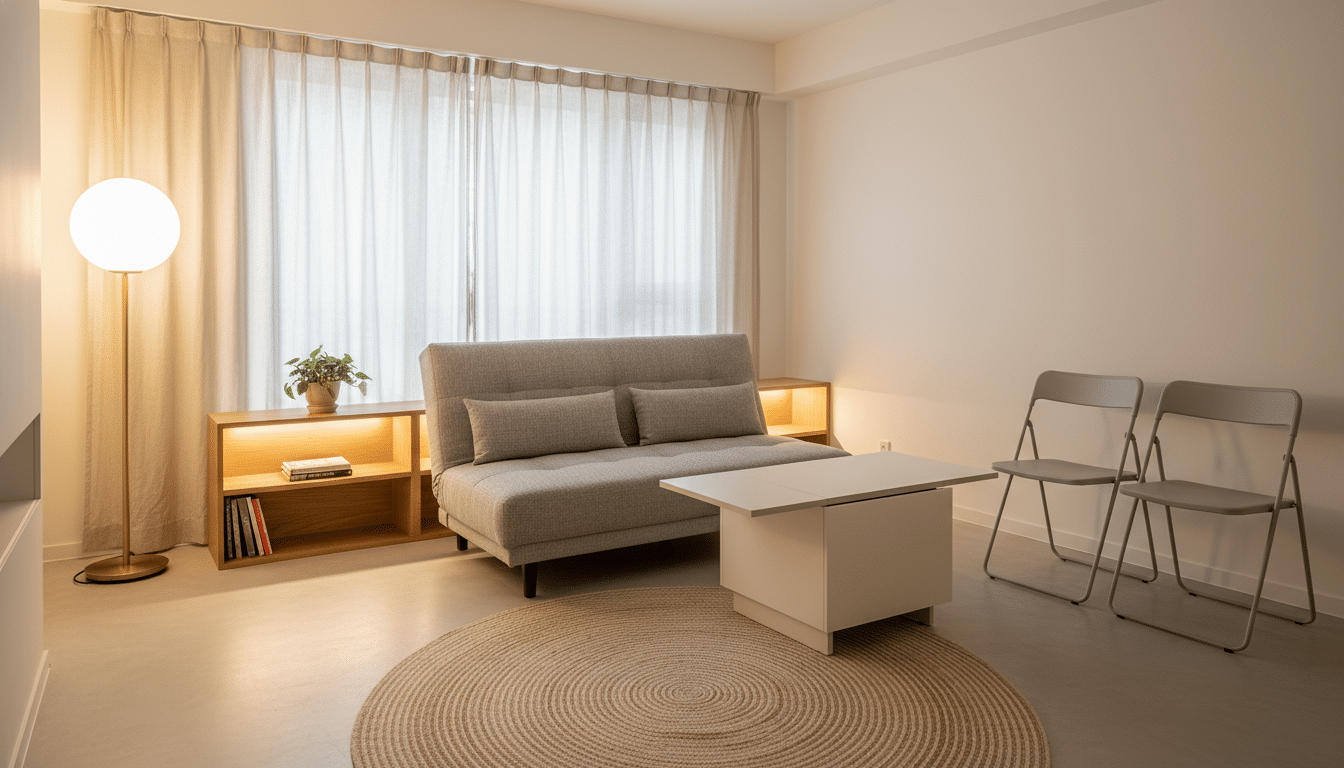
Compact Living Ideas with a Comfortable Futon Couch: Smart, Stylish Solutions for Small Spaces
Table of Contents
Introduction
What if one piece of furniture could completely transform how you live in a small space? In today’s world, where apartments are getting smaller and functionality matters more than ever, smart design choices are essential. According to modern interior trends, multi-functional furniture is no longer optional—it’s the key to comfortable compact living.
A comfortable futon couch is one of the most versatile pieces you can introduce into your home. It effortlessly combines seating and sleeping functions, making it ideal for studio apartments, guest rooms, or minimalist lifestyles. But beyond practicality, a well-styled futon can also enhance your interior aesthetic, creating a cozy and modern environment.
Compact living ideas with a comfortable futon couch focus on maximizing space without sacrificing comfort or style. It’s about thoughtful design, efficient layouts, and choosing pieces that serve multiple purposes while still looking elegant.
In this guide, you’ll explore how to integrate a futon couch into your living space seamlessly. From layout planning and styling tips to storage solutions and decor ideas, each section will help you create a home that feels open, functional, and inviting—even in the smallest of spaces.
Why a Comfortable Futon Couch Is Perfect for Compact Living
A comfortable futon couch is one of the most practical solutions for compact living. It offers flexibility, efficiency, and style—all in one piece of furniture.
The primary advantage is its dual functionality. During the day, it serves as a sofa for relaxing or entertaining guests. At night, it transforms into a bed, eliminating the need for a separate sleeping area. This is especially valuable in studio apartments where space is limited.
Futons are also typically more compact than traditional sofas or beds. Their streamlined design allows them to fit easily into smaller rooms without overwhelming the layout. Many models feature lightweight frames, making them easy to move and reposition.
Another benefit is affordability. Compared to buying both a couch and a bed, a futon is a cost-effective alternative that doesn’t compromise on comfort when chosen wisely.
Table: Benefits of a Futon Couch
| Feature | Advantage | Ideal For |
| Dual function | Sofa and bed in one | Studio apartments |
| Compact size | Saves space | Small living rooms |
| Lightweight | Easy to move | Flexible layouts |
| Budget-friendly | Cost-effective solution | Minimalist living |
Choosing the Right Futon Couch for Your Space
Selecting the perfect futon couch is crucial to achieving both comfort and functionality. Not all futons are created equal, and choosing the right one depends on your lifestyle and available space.
Start by considering size. Measure your room carefully and ensure there’s enough space for the futon to fully extend into a bed. A compact futon works best in tight spaces, while a larger model may suit a slightly bigger room.
Comfort should be a top priority. Look for high-quality mattresses made of memory foam or layered cotton for better support. Since the futon will likely serve as both a sofa and a bed, durability is essential.
Frame design also matters. Wooden frames offer a warm, natural look, while metal frames provide a sleek, modern aesthetic. Choose a style that complements your overall interior design.
Table: Futon Selection Guide
| Factor | Options | Recommendation |
| Size | Twin, full, queen | Match room dimensions |
| Mattress type | Foam, cotton, hybrid | Prioritize comfort |
| Frame material | Wood, metal | Align with interior style |
| Mechanism | Fold, click-clack | Choose ease of use |
Smart Layout Ideas for Compact Living with a Futon Couch
Designing a small space around a futon couch requires thoughtful planning. The goal is to create a layout that supports both daytime and nighttime functionality without feeling cramped.
Start by positioning the futon against a wall or in a corner. This maximizes open floor space and allows for easier conversion into a bed. Avoid placing it in the center of the room unless it serves as a divider.
Zoning is another effective strategy. Use rugs or furniture placement to define separate areas for sleeping, lounging, and working. Even in a studio apartment, this creates a sense of organization.
Leave enough clearance for the futon to open fully. This ensures smooth transitions between sofa and bed modes without having to rearrange the entire room.
Table: Layout Planning Tips
| Strategy | Benefit | Tip |
| Wall placement | Saves space | Ideal for small rooms |
| Zoning | Defines functions | Use rugs or lighting |
| Open pathways | Improves movement | Avoid clutter |
| Flexible layout | Adapts to needs | Keep furniture minimal |
Styling a Futon Couch for Comfort and Aesthetic Appeal
A futon couch doesn’t have to look basic—it can be styled to become a centerpiece of your compact living space. The right styling approach enhances both comfort and visual appeal.
Start with layering. Add cushions and throws in complementary colors and textures. This not only makes the futon more inviting but also allows you to personalize the look.
Choose a cohesive color palette. Neutral tones like beige, gray, or soft pastels create a calm environment, while subtle accents add interest without overwhelming the space.
Incorporate surrounding decor carefully. A small coffee table, a floor lamp, or a nearby plant can enhance the overall setup without cluttering the room.
Table: Styling Elements
| Element | Idea | Effect |
| Cushions | Mixed textures | Adds comfort |
| Throws | Soft fabrics | Creates coziness |
| Color scheme | Neutral with accents | Maintains balance |
| Decor | Minimal accessories | Avoids clutter |
Maximizing Storage in Small Spaces with a Futon Setup
Storage is often one of the biggest challenges in compact living, especially when every piece of furniture needs to serve multiple purposes. A comfortable futon couch can play a central role in solving this challenge when combined with smart storage strategies.
Start by considering under-futon storage. Many futon designs allow space beneath the frame, which can be used for storage bins or drawers. This is ideal for storing bedding, seasonal items, or even clothing. Keeping these items close by makes it easier to transition the futon from sofa to bed without disrupting the room.
Multi-functional furniture is another essential element. Pair your futon with a storage ottoman, a coffee table with hidden compartments, or wall-mounted shelves. These additions provide extra storage without taking up additional floor space.
Vertical storage is especially effective in small apartments. Tall shelves or hanging organizers maximize wall space while keeping the room open and uncluttered. This approach ensures that your futon remains the focal point rather than competing with bulky furniture.
Organization is just as important as storage itself. Use labeled bins or color-coded boxes to keep items easily accessible and visually tidy. A well-organized space not only looks better but also feels more relaxing and functional.
Table: Storage Solutions for Futon Setups
| Storage Type | Example | Benefit |
| Under-futon space | Storage bins | Hidden and accessible |
| Multi-use furniture | Storage ottoman | Dual functionality |
| Wall storage | Floating shelves | Saves floor space |
| Organized bins | Labeled containers | Easy access |
Lighting and Atmosphere for a Cozy Compact Living Space
Lighting is one of the most powerful tools in compact living design. When paired with a comfortable futon couch, the right lighting can completely transform the mood and perception of your space.
Natural light should always be maximized. Position your futon near a window if possible, allowing daylight to brighten the room and create a sense of openness. Sheer curtains can help diffuse light while maintaining privacy.
Layered lighting is key for versatility. Combine overhead lighting with floor lamps and table lamps to create depth. This allows you to adjust the ambiance depending on the time of day or activity.
Warm lighting works particularly well in small spaces. Soft, warm-toned bulbs create a cozy atmosphere that complements the comfort of a futon couch. Avoid overly bright or harsh lighting, as it can make the space feel smaller and less inviting.
Accent lighting can highlight the futon area. A nearby lamp or wall sconce draws attention to the seating area, making it feel intentional and stylish.
Table: Lighting Strategy
| Lighting Type | Example | Effect |
| Natural light | Window placement | Enhances openness |
| Ambient light | Ceiling fixture | General illumination |
| Accent light | Floor lamp | Highlights focal area |
| Warm bulbs | Soft yellow tones | Adds coziness |
Common Mistakes to Avoid When Using a Futon Couch
While a comfortable futon couch is a smart addition to compact living, certain mistakes can limit its effectiveness. Avoiding these pitfalls ensures your space remains functional and stylish.
One common mistake is choosing the wrong size. A futon that is too large can overwhelm a small room, while one that is too small may not provide adequate comfort. Proper measurements are essential before making a purchase.
Another issue is neglecting comfort. Some futons prioritize design over usability, resulting in uncomfortable seating or sleeping. Always test or research mattress quality before buying.
Overcrowding the space is another frequent mistake. Adding too many accessories or furniture pieces around the futon can make the room feel cramped. Keep the layout minimal and intentional.
Finally, ignoring style cohesion can disrupt the overall design. The futon should blend seamlessly with the rest of the decor rather than standing out awkwardly.
Table: Common Mistakes and Solutions
| Mistake | Problem Created | Solution |
| Wrong size | Poor space utilization | Measure carefully |
| Low comfort | неудобное seating | Choose quality mattress |
| Overcrowding | Cluttered look | Keep decor minimal |
| Style mismatch | визуальная imbalance | Match overall design |
Conclusion
Compact living ideas with a comfortable futon couch demonstrate how thoughtful design can transform even the smallest spaces into functional and inviting homes. By combining versatility with style, a futon becomes more than just furniture—it becomes the centerpiece of efficient living.
From selecting the right futon and planning smart layouts to incorporating storage solutions and creating a cozy atmosphere, every detail contributes to a harmonious space. The key lies in balance—maximizing functionality while maintaining a clean and aesthetically pleasing environment.
With the right approach, compact living doesn’t feel limiting. Instead, it becomes an opportunity to design a space that is intentional, comfortable, and uniquely suited to your lifestyle.