
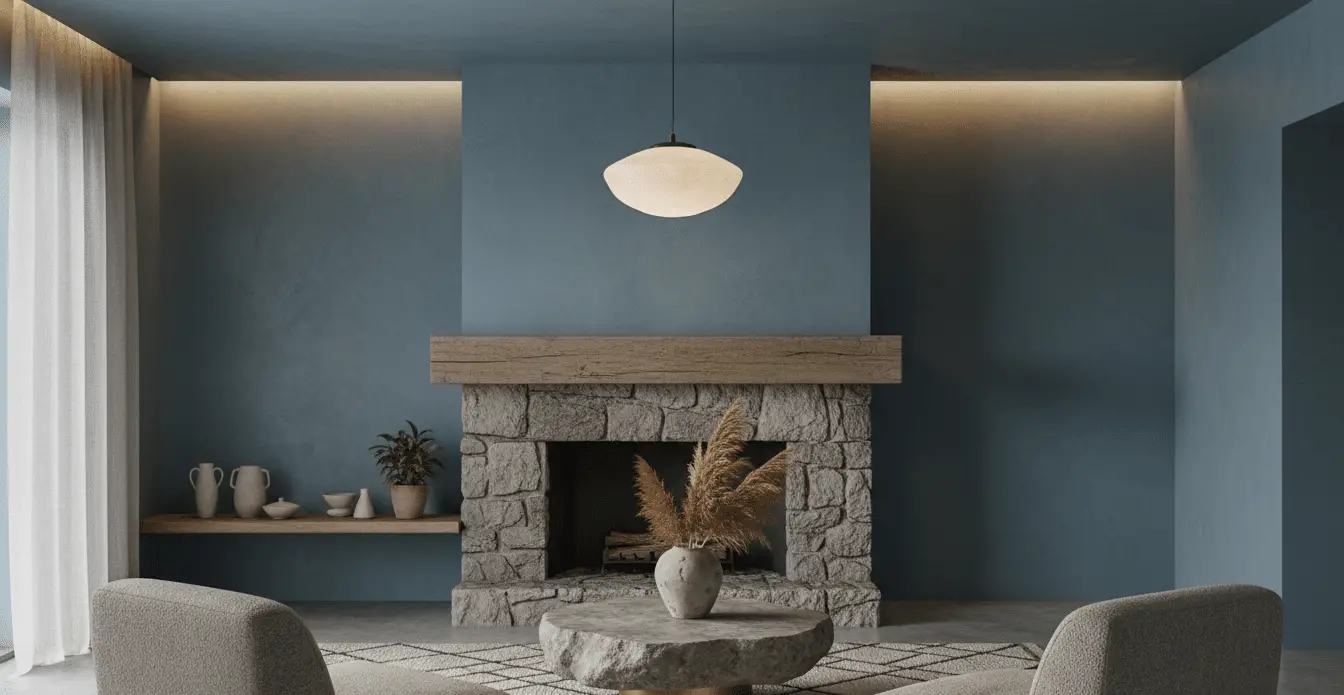
Create a Calm Home Using an Earthy Blue Color Palette for Natural Serenity
Table of Contents
Introduction
Many people long for a home that feels soothing the moment they step inside—a refuge from busy schedules, digital noise, and daily stress. One of the most effective ways to create that emotional shift is through color. Earthy blue tones, inspired by natural elements like deep oceans, shaded stone, and cool twilight skies, have the ability to calm the nervous system and ground the senses. These hues invite quiet, balance, and steadiness into the spaces where we recharge.
Choosing an earthy blue color palette is not simply a stylistic preference; it’s a way to shape your environment intentionally. Whether you’re redesigning a living room, updating a bedroom, or refreshing accents around your home, these shades can transform the atmosphere with subtle sophistication. Throughout this guide, you’ll explore the foundations of earthy blue design, learn how to pair these hues with organic textures and materials, discover styling approaches for each room, and find practical ways to incorporate the palette without overwhelming your space. By the end, you’ll understand how to use these colors with confidence to create a home that feels deeply peaceful and visually harmonious.
Understanding the Essence of an Earthy Blue Color Palette
Earthy blue is more than a single shade—it’s a spectrum of muted, softened blues blended with grays, greens, and taupes to create a naturally grounded feel. These tones echo the colors found in weathered stone, shadowy water, and aged ceramics. What makes earthy blue so powerful is its ability to quiet the mind while still adding dimension and richness to a room.
Unlike brighter blues that can feel energetic or cool, earthy blues are intentionally desaturated. This quality makes them ideal for spaces where stillness and restoration are priorities. They adapt beautifully to a range of styles, from modern minimalism to rustic farmhouse to coastal chic, proving themselves as both versatile and timeless.
Visual Breakdown: Key Earthy Blue Tones
| Shade Name | Characteristics | Best Use |
| Slate Blue | Muted with gray undertones | Living rooms, exterior doors |
| Dusty Blue | Soft, airy, slightly vintage | Bedrooms, bedding, textiles |
| Blue-Green Clay | Earthy with natural warmth | Kitchens, accent walls |
| Storm Blue | Deep, moody, calming | Offices, reading nooks |
| Mineral Blue | Balanced and neutral | Bathrooms, cabinetry |
Earthy blue invites a sense of introspection and comfort. When you use it intentionally, it becomes the anchor that keeps your home emotionally steady.
How Earthy Blue Creates a Calm and Grounded Atmosphere
Color has a direct psychological impact. Earthy blues, especially when paired with natural materials, help reduce overstimulation and soften the energetic “noise” that many homes unintentionally carry. They create an atmosphere that feels slow, intentional, and centered.
One reason this works so effectively is that earthy blues mimic nature. Humans instinctively respond positively to organic colors because they signal safety and tranquility. When the mind perceives natural hues, it shifts into a more relaxed state. Earthy blue, with its subdued presence, supports mindfulness by lowering visual intensity and providing a consistent, gentle backdrop.
In a home environment, earthy blue can also improve the experience of light. These tones tend to absorb harshness and diffuse brightness softly. Morning light becomes more golden, and evening light feels warmer and cozier. This creates a dynamic, sensory calm throughout the day.
Table: Emotional Effects of Earthy Blue
| Element | Impact on Mood | Result in the Home |
| Low saturation | Reduces overstimulation | Softer visual environment |
| Cool undertones | Promotes relaxation | Helps spaces feel collected |
| Natural associations | Signals safety | Encourages deeper rest |
| Light absorption | Minimizes glare | Enhances warmth and comfort |
Used strategically, earthy blue becomes an emotional anchor for the entire home.
Pairing Earthy Blue with Natural Materials and Textures
Earthy blue thrives when paired with materials that echo its grounded origins. These combinations enhance the calming effect and create tactile layers that bring the palette to life. Natural materials help soften the coolness of blue and add warmth, balance, and depth.
Wood is one of the best companions for earthy blue. Whether it’s warm oak, walnut, or reclaimed lumber, the organic grain contrasts beautifully against the smooth, calming tone of blue walls or textiles. Stone—particularly slate, limestone, or river rock—reinforces the palette’s natural essence, while woven fibers like jute, linen, and cotton add comfort without visual clutter.
Ceramics also play a significant role. Handmade pottery with uneven glazing or matte finishes reflects the imperfect beauty of nature, complementing blue’s understated elegance. The goal is to create harmony between color and texture so your home feels cohesive and intentionally curated.
Table: Ideal Material Pairings for Earthy Blue
| Material | Why It Works | Best Uses |
| Warm wood | Adds balance and warmth | Flooring, shelving, furniture |
| Stone | Echoes natural color variations | Fireplaces, tile, accents |
| Linen | Softens the cool tone | Curtains, bedding, throw pillows |
| Woven fibers | Adds texture and earthiness | Rugs, baskets, decor |
| Handcrafted ceramics | Enhances organic feel | Vases, tableware, accessories |
These textures make the color palette feel alive and grounded rather than stark or overly minimal.
Bringing Earthy Blue into Each Room of the Home
Earthy blue can adapt to any room, but the way you use it should reflect the function and desired mood of the space. Every room offers a unique opportunity to enhance calm and comfort through thoughtful color application.
In living rooms, earthy blue works beautifully on feature walls, cabinetry, or upholstery. It helps create a space meant for unwinding without feeling dull or flat. Pair it with textured blankets, natural wood tables, or matte black accents for contrast.
Bedrooms benefit from a softer version of earthy blue—dusty blues or mineral blues—to encourage deep rest. Bedding in layered blues and creams creates a cloud-like atmosphere. If you prefer darker shades, consider them on a headboard wall for a cocoon-like effect.
In kitchens and bathrooms, earthy blue cabinetry or tile introduces freshness without overwhelming the eye. These rooms come alive when blue is paired with warm metals like brushed brass or aged bronze.
Table: Room-by-Room Inspiration
| Room | Earthy Blue Application | Complementary Elements |
| Living Room | Accent wall, rug, throw pillows | Wood, matte black decor |
| Bedroom | Bedding, wall color | Linen, soft neutrals |
| Kitchen | Cabinets, backsplash | Brass hardware, warm lighting |
| Bathroom | Tile, vanity | Stone, textured towels |
| Home Office | Wall paint, textiles | Plants, natural light |
This adaptable palette allows each space to feel unified yet individually expressive.
Choosing the Right Complementary Colors for a Harmonious Palette
Color pairing plays a crucial role in maximizing the effectiveness of earthy blue. Because it is naturally calming, your supporting colors should enhance that feeling rather than compete with it. The best companions are those with organic warmth or understated neutrality.
Soft taupes and warm greige tones temper the coolness of blue and add depth. These colors mimic the balance found in nature—think of sandy beaches beside the ocean or smooth stones against a stream. Creamy whites bring brightness without harshness, offering a clean contrast that still feels gentle. Terracotta and muted clay tones introduce warmth and liveliness while remaining anchored in earthiness.
If you enjoy deeper contrast, charcoal or espresso brown can create sophisticated visual structure. These darker accents outline the space, allowing the blues to breathe and glow subtly against their backdrop.
Table: Complementary Colors for Earthy Blue
| Color Category | Examples | Best Application |
| Warm Neutrals | Taupe, greige | Large surfaces, walls |
| Soft Whites | Cream, ivory | Trim, textiles |
| Earthy Warm Tones | Terracotta, muted clay | Accents, decor |
| Deep Contrasts | Charcoal, espresso | Frames, hardware |
| Gentle Greens | Sage, eucalyptus | Plants, fabrics |
Combining these hues thoughtfully yields a balanced, serene palette that evolves gracefully with the seasons.
Styling Ideas and Decorative Elements That Elevate Earthy Blue
Decor is where an earthy blue palette truly comes alive. The right accessories introduce dimension, personality, and a sense of lived-in warmth. The beauty of this palette is its ability to blend sophistication with comfort, allowing you to express your style without overwhelming the space.
Layering is key. Start with foundational elements like rugs or curtains, then build upward with textures and shapes. Organic forms such as round vases, curved furniture, and abstract artwork soften the straight lines that blue often highlights. Artwork featuring landscapes, watercolor washes, or minimal geometric prints helps maintain visual calm.
Botanical elements bring a vibrant contrast to earthy blue. Plants with soft leaves like eucalyptus or ferns add movement and life. Metallic touches—brushed brass, aged pewter, or muted gold—provide elegant warmth, creating a luxurious yet grounded atmosphere.
Table: Decorative Elements That Support Earthy Blue
| Decor Item | How It Helps | Ideal Placement |
| Textured Rugs | Adds warmth and softness | Living rooms, bedrooms |
| Round Vases | Softens lines | Coffee tables, shelves |
| Minimal Art Prints | Enhances calm | Walls, gallery spaces |
| Indoor Plants | Introduces natural contrast | Corners, mantels |
| Warm Metals | Elevates sophistication | Lighting, hardware |
Thoughtful decor completes the palette, making your home feel curated and serene.
Tips for Maintaining Balance and Avoiding Overuse of Blue
While earthy blue is inherently calming, using too much of it can unintentionally make a space feel cold or monotonous. Achieving balance means allowing the color to shine while supporting it with warmth, texture, and variety.
Start by choosing where the color will have its most significant impact—walls, furniture, or decor. Once the primary placement is decided, incorporate neutral tones to prevent the blue from dominating. Contrast is essential, whether it comes from wood, cream fabrics, or warm lighting. Blue should feel like a thoughtfully placed element, not an overwhelming theme.
Varying the shades of blue within the same earthy range also helps maintain visual interest. This creates fluidity throughout the space, much like layers in nature. Layering soft, medium, and deep blues prevents flatness and introduces depth.
Lighting is a major factor. Earthy blues can shift in appearance depending on the time of day. Using a mix of warm bulbs, natural light, and soft shadows ensures the color remains warm and soothing rather than appearing stark.
Table: Ways to Maintain Balance
| Strategy | Benefit | Example |
| Mix shades | Adds depth | Combine dusty blue with storm blue |
| Use warm neutrals | Prevents coolness | Cream bedding, taupe curtains |
| Add texture | Balances smooth surfaces | Woven rugs, linen throws |
| Incorporate natural light | Softens tone | Open curtains, reflective surfaces |
| Use metallic accents | Adds warmth | Brass lighting, bronze decor |
A harmonious palette relies on intentional restraint.
Conclusion
An earthy blue color palette offers a powerful foundation for creating a calm and grounded home. It brings the restorative qualities of nature indoors, softening the atmosphere and helping each room feel more intentional and serene. When paired with natural materials, complementary hues, and thoughtful decor, earthy blue becomes a timeless design element that enhances daily living. By using this palette wisely—balancing texture, light, and contrast—you can transform your home into a peaceful retreat that nurtures rest, connection, and quiet reflection.