
Creative Bedroom Setup Ideas and Layout Tips for Every Style of Home
Table of Contents
Introduction
Designing a bedroom that feels both stylish and highly functional can be more challenging than it appears. Many homeowners struggle to make the most of their available space, whether they’re working with a compact room or simply wanting a fresh layout that feels more intentional and visually appealing. According to recent home design surveys, bedrooms are now one of the top three spaces people prioritize for comfort and personalization, making thoughtful design more important than ever. Your bedroom sets the tone for how you begin and end each day, which is why creating an environment that supports rest, organization, and personal style becomes essential.
In this guide, we explore creative bedroom setup ideas that work for every home. Whether you’re dealing with limited square footage, an unconventional layout, or the desire to create a more luxurious feel, you’ll find practical insights designed to help you transform your room with ease. From furniture placement strategies to storage-savvy solutions, from color choices to decor layering, this article will walk you through everything you need to elevate your space. These ideas aren’t just about aesthetics; they’re about creating a bedroom that works beautifully for your daily life. Let’s dive into the most inspiring and functional ways to refresh your bedroom layout and overall design.
Maximizing Floor Space with Smart Furniture Placement
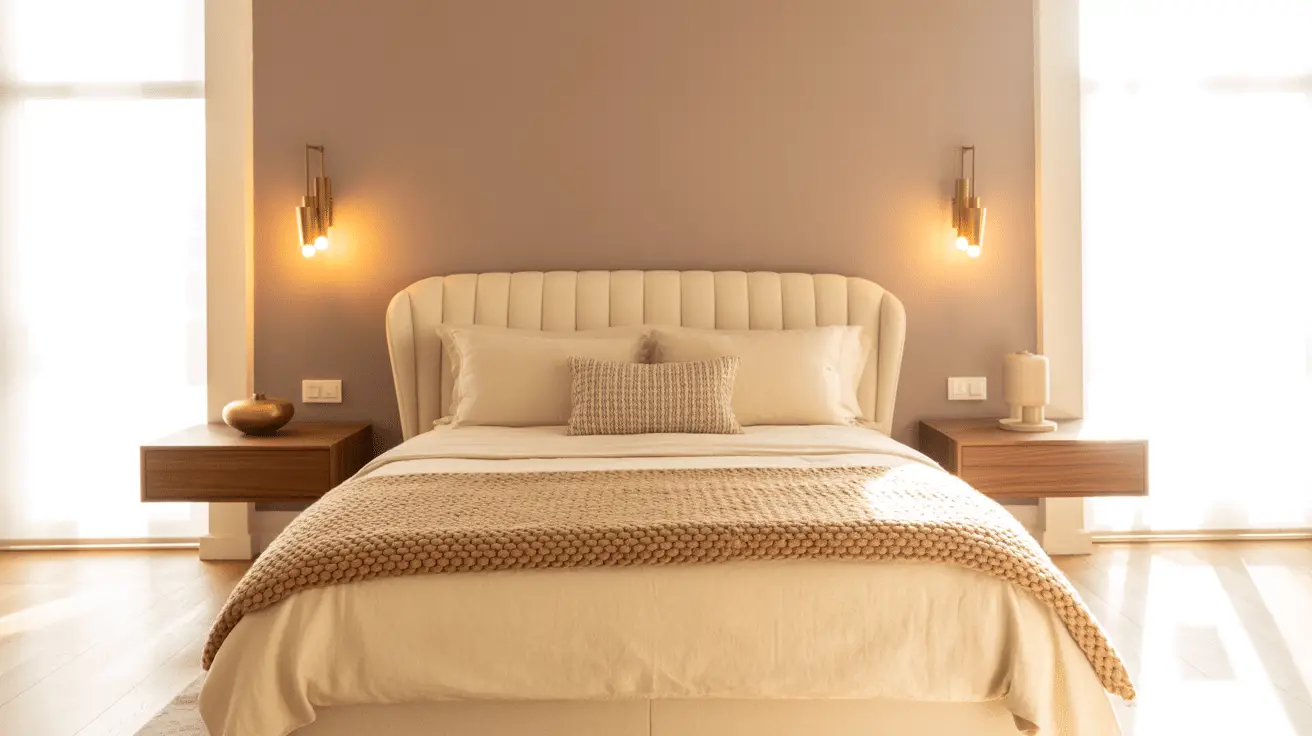
One of the most effective ways to upgrade your bedroom layout is by rethinking the placement of your furniture. Often, rooms feel cramped not because of their size, but because the furniture arrangement interrupts the natural flow of movement. Placing the bed opposite the door or centered between two windows helps anchor the space and creates a visually balanced layout. When working with smaller bedrooms, consider choosing pieces that serve multiple functions, such as a storage bed or a floating nightstand that frees up valuable floor area.
Floating shelves above the bed or along the wall are excellent for minimizing clutter without sacrificing storage. These shelves keep surfaces tidy while giving your room a sense of height. Similarly, wall-mounted sconces instead of table lamps help free up nightstand space and create a cleaner, more open look. The key is ensuring every element has both purpose and placement. Avoid blocking walkways or windows, as natural light plays an important role in making a room feel more spacious.
Space Optimization Table
| Furniture Element | Best Placement Tip | Benefit |
| Bed | Centered on main wall | Creates balance and flow |
| Nightstands | Flush to bed sides | Maximizes accessibility |
| Dresser | Opposite bed or near closet | Keeps pathways open |
| Shelving | High wall placement | Saves floor space |
Creating a Cozy and Functional Relaxation Zone
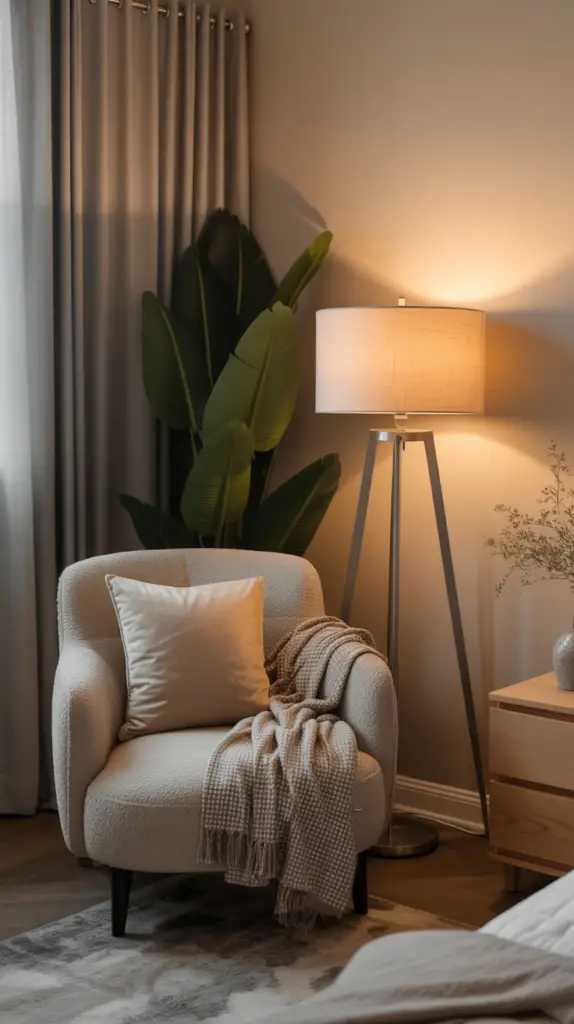
Your bedroom should feel like a retreat, and carving out a small relaxation zone can elevate the ambiance tremendously. Even in compact bedrooms, incorporating a cozy nook is possible. A small accent chair in a corner, paired with a textured throw and a petite side table, creates a welcoming area for reading or unwinding. If space is tight, opt for a sleek bench at the end of the bed—a dual-purpose piece that provides seating while anchoring the layout.
Lighting is key to defining this zone. Use a floor lamp or a soft-glow table lamp to distinguish the space visually and emotionally. Layering warm lighting helps soften the room’s atmosphere, making it ideal for relaxation after long days. Textiles also play a major role; plush rugs, knit blankets, and soft pillows create texture and warmth. Even if your bedroom leans more modern or minimal, a thoughtfully styled corner adds dimension and personality.
Relaxation Zone Inspiration Table
| Feature | Description | Why It Works |
| Accent Chair | Small footprint, upholstered | Adds seating without clutter |
| Soft Lighting | Floor or table lamp | Creates ambiance |
| Throw Blankets | Knit or faux fur | Adds texture and comfort |
| Mini Table | Slim, lightweight | Functional without bulk |
Storage Solutions That Transform the Room
Storage is often the biggest challenge in bedroom design, especially in homes with limited closet space. Creative solutions can help you eliminate clutter while maintaining a polished aesthetic. Under-bed storage drawers or lift-up hydraulic beds offer ample room for storing seasonal clothing, linens, or infrequently used items. Wall-to-wall shelving systems, particularly above doorways or high on walls, make use of vertical space that often goes unnoticed.
Closet organization is another opportunity to streamline your bedroom. Using uniform hangers, drawer dividers, and basket systems creates order and maximizes every inch. Clear storage bins or labeled containers help keep items categorized and easy to retrieve. If your room lacks a built-in closet, consider investing in a stylish wardrobe or armoire that complements your room’s aesthetic. The key is choosing storage methods that blend seamlessly into the design rather than feeling like an afterthought.
Storage Solutions Table
| Storage Type | Best Use | Design Benefit |
| Under-bed drawers | Clothes, bedding | Hidden storage |
| Vertical shelves | Books, decor | Enhances height |
| Drawer organizers | Small accessories | Keeps items neat |
| Wardrobes | Clothing overflow | Adds structure |
Playing with Color to Set the Mood
Color is one of the most powerful tools in bedroom design, influencing not just the mood but also the perception of space. Soft neutrals like cream, taupe, and dove gray are ideal for creating a serene environment, while deeper hues such as navy, forest green, or charcoal add sophistication and depth. For those who appreciate a bit of drama, accent walls or bold headboards introduce contrast without overwhelming the space.
When designing with color, consider how it interacts with lighting. Natural light brings out softness in lighter tones, while warm artificial lighting can deepen and enrich darker palettes. Textiles—such as curtains, bedding, and rugs—are also excellent places to introduce patterns or contrasting colors for added visual interest. The goal is to achieve harmony, balancing bold elements with quieter ones to maintain cohesion throughout the room.
Color Mood Table
| Color Style | Best Use | Effect on Room |
| Neutrals | Walls, bedding | Creates calm, bright feel |
| Deep Colors | Accent wall, decor | Adds richness and depth |
| Pastels | Accessories | Softens modern spaces |
| Monochrome | Furnishings | Ensures cohesive look |
Designing a Layout That Enhances Daily Routine
Your bedroom layout should do more than look good—it should make your everyday life easier. Start by analyzing how you move through the space. The bed should be accessible from both sides, and pathways should remain uncluttered. If you use your bedroom for multiple purposes—such as working, reading, or exercising—consider zoning the space with rugs, lighting, or specific furniture placement.
A functional layout also means placing essential items within easy reach. Nightstands should store necessities without overflow, and dressers should open freely without bumping into walls or the bed. Thinking through your routines, such as how you get ready in the morning or unwind at night, allows your room to support your lifestyle seamlessly. This section flows naturally into one of the extended sections and includes richer examples, tips, and descriptive explanations to help guide homeowners with layout planning.
Daily Routine Layout Table
| Routine | Design Consideration | Benefit |
| Morning Prep | Clear pathway to closet | Smooth start to day |
| Night Wind-down | Soft lighting near bed | Promotes relaxation |
| Work-from-Bedroom | Desk placement by window | Boosts focus |
| Storage Access | Easy drawer reach | Saves time |
Layering Decor for a Personalized Finish
Layering is the secret to making any bedroom feel complete. While minimalist designs rely on clean lines and intentional pieces, even the simplest room benefits from subtle layers that introduce warmth and character. Begin with foundational elements such as bedding, rugs, and curtains. From there, add accent pillows, throws, and artwork to introduce texture and personality.
A common misconception is that layering leads to clutter. In reality, thoughtful layering involves combining a controlled number of elements in complementary colors and materials. Remember that contrast is powerful: pairing coarse textures with smooth ones or light materials with heavier fabrics creates visual depth. This section naturally becomes more detailed, offering helpful examples on achieving cohesion without overwhelming the space.
Layering Decor Table
| Layer Type | Example | Visual Impact |
| Textiles | Throws, pillows | Adds softness |
| Wall Decor | Frames, mirrors | Enhances height |
| Rugs | Area rug | Grounds the space |
| Accessories | Books, candles | Personalizes room |
Conclusion
A beautifully designed bedroom is more than décor—it’s a reflection of your lifestyle, preferences, and daily rhythms. By using thoughtful layout strategies, color combinations, storage solutions, and personalized layering, every homeowner can create a space that feels both functional and expressive. Whether your bedroom is small or spacious, modern or traditional, the right setup transforms it into a haven of comfort and style. With these creative bedroom setup ideas, you now have a clear path to refreshing your space with both intention and elegance.