
DIY Pantry Shelves for Stunning Storage Solutions: Beautiful, Budget-Friendly Ways to Transform Your Pantry
Table of Contents
Introduction
A well-organized pantry is one of the most transformative upgrades you can make in your home, yet it’s often the space most overlooked during renovations. Many households struggle with cluttered shelves, mismatched containers, hard-to-reach staples, or limited space that never seems to function efficiently. Recent home organization studies show that nearly 70% of homeowners say their pantry is the most disorganized area of their kitchen. This ongoing frustration is exactly why DIY pantry shelves have become a popular, accessible way to create stunning storage solutions without the need for a contractor or expensive custom cabinetry.
DIY pantry shelves allow you to customize your space fully—choosing the layout, depth, height, materials, and overall aesthetic that works for your kitchen. Instead of forcing your storage needs into rigid pre-made shelving, you can design a system that fits your lifestyle. Whether you want deep shelves for bulk goods, shallow shelves for cans and spices, or a combination of both, this approach provides maximum flexibility.
This guide explores practical, stylish, and budget-conscious ways to build DIY pantry shelves that not only function beautifully but elevate the entire room. You’ll learn how to plan your layout, choose materials, style your shelves, and incorporate clever systems to keep everything organized.
Planning Your DIY Pantry Shelves for Maximum Functionality
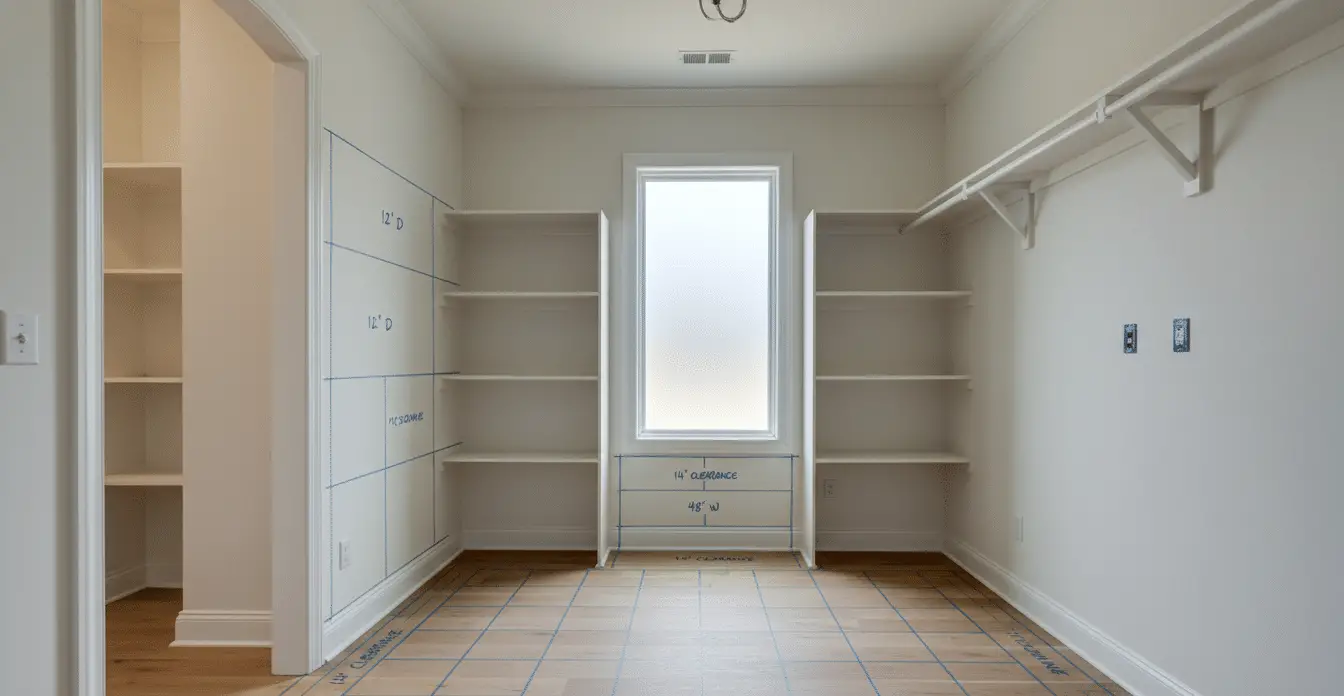
Great pantry design begins long before you pick up a drill or purchase lumber. The planning phase determines how efficient, beautiful, and durable your pantry will ultimately become. Start by assessing your space—measure every dimension, including height, width, depth, and any unusual angles. Pantries often have hidden challenges such as uneven walls, narrow corners, or awkward alcoves, so mapping these out ensures your shelves will fit perfectly.
Next, evaluate how you currently use your pantry. Identify your biggest pain points: Are canned goods always stacked precariously? Do snacks pile up at the bottom? Are small items constantly getting lost behind larger ones? Understanding your storage habits will help you choose the right shelf depths and spacing. Shallow shelves prevent items from disappearing, while deeper shelves are great for appliances, bulk goods, or baskets.
When planning, think vertically. Many homeowners underuse the higher portions of their pantry, yet these areas are perfect for items you use less frequently. Adjustable shelving brackets give you flexibility to evolve your setup as your household needs change. Mapping out zones—baking, snacks, canned goods, backups, breakfast items—makes your pantry far easier to navigate.
Visual Breakdown: Key Planning Considerations
| Planning Element | Why It Matters | What to Consider |
| Shelf depth | Prevents overcrowding or wasted space | 8–12 inches for cans, 12–16 inches for appliances |
| Shelf height | Maximizes storage potential | Adjustable spacing allows long-term flexibility |
| Zones | Creates order and usability | Group by food type or frequency |
| Vertical space | Often underutilized | Store rarely used items high up |
| Lighting | Improves visibility | LED strips or battery lights |
Choosing the Best Materials for Stunning and Durable Pantry Shelves
Selecting the right materials is essential for building pantry shelves that are not only visually appealing but strong enough to handle heavy loads. The good news is that DIY pantry shelves can be both affordable and elegant when you choose materials wisely. Common options include plywood, solid wood boards, MDF, and even reclaimed wood for rustic charm. Each material has unique strengths depending on your desired look and budget.
Plywood is a favorite for its combination of affordability, strength, and smooth finish. When sealed and painted, it creates a clean, modern appearance that’s perfect for contemporary kitchens. Solid wood, such as pine or poplar, adds natural character and can be stained to match your home’s style. MDF is the least expensive option and works well if you plan to paint your shelves, though it needs proper sealing to resist moisture.
Finish is an important part of material selection. Painted shelves offer a crisp, tailored appearance, while stained wood provides warmth and texture. Adding trim pieces to the front edge of shelves creates a custom-built look and strengthens the structure.
Hardware also plays a key role. Brackets, floating supports, and wall cleats all offer reliable holding power when installed correctly. Whether you opt for a minimalist floating-shelf look or decorative brackets, ensure they can support the weight of pantry staples.
Visual Breakdown: Material Comparison Chart
| Material | Cost Level | Durability | Best For |
| Plywood | Low–Medium | High | Clean and modern shelves |
| Solid wood | Medium | Very high | Natural, stained finishes |
| MDF | Low | Moderate | Painted shelves on a tight budget |
| Reclaimed wood | Medium | High | Rustic, charming designs |
| Metal brackets | Low–Medium | High | Custom strength and style |
Building Your DIY Pantry Shelves Step-by-Step for Stunning Results
Once your design and materials are in place, it’s time to begin building. The construction phase doesn’t have to be complicated, even if you’re relatively new to DIY projects. Start by cutting your shelves to size, ensuring each piece is smooth and even. Sanding the edges not only improves the look but prevents splinters and ensures cleaner paint or stain application.
Installing support structures is the most important step for durability. Wall cleats—boards attached to the walls for the shelves to rest on—provide exceptional stability. For floating shelves, hidden brackets create a sleek, streamlined aesthetic. Ensure all supports are leveled carefully; even slight variations can cause items to slide or tilt.
After securing supports, place the shelves and test their strength. Before painting or staining, prime the wood to prevent discoloration and improve finish adhesion. Choose a finish that complements your kitchen—white paint for a bright, fresh feel, deep walnut stain for richness, or warm gray for modern elegance.
Adding trim to the front of each shelf provides a polished, custom-built appearance. It also helps disguise plywood layers or rough edges. Once everything is dry, reinstall the shelves and begin organizing. This is where your design begins to shine, showing the beauty of thoughtful DIY craftsmanship.
Visual Breakdown: Simple DIY Installation Steps
| Step | Description | Why It Matters |
| Measure & cut | Prepare shelves to exact dimensions | Ensures a professional fit |
| Install cleats or brackets | Attach supports securely | Provides long-term stability |
| Sand & prime | Prepare wood surface | Creates smooth, durable finish |
| Paint or stain | Customize the look | Enhances style and protection |
| Add trim | Finish edges beautifully | Achieves custom-built appearance |
Styling Your DIY Pantry Shelves for Stunning Storage Solutions
Styling is where functionality meets beauty. Once your DIY pantry shelves are installed, transforming the space visually becomes the most enjoyable step. Organization is essential, but the aesthetic choices you make can turn a simple pantry into a stunning feature of your kitchen. Matching jars, woven baskets, clear canisters, and labeled containers create a cohesive, curated look.
Start by grouping similar items. Uniformity brings visual calm, making your pantry appear larger and more intentional. For example, storing flour, sugar, pasta, and cereals in matching airtight containers not only looks beautiful but keeps food fresher longer. Clear containers also show when items are running low, reducing waste and duplicate purchases.
Baskets are ideal for items that don’t store well in jars—snacks, baking chips, spices, or packets. Choose baskets that align with your style: wicker for rustic charm, fabric bins for softness, or metal baskets for industrial flair. Adding small labels enhances visibility and prevents clutter.
Color and texture play significant roles in styling. Wood tones bring warmth, glass offers sophistication, and metal accents add contrast. Even a small rug or soft lighting can elevate the atmosphere. With the right styling, your pantry becomes a space you want to show off—not hide away.
Visual Breakdown: Styling Essentials
| Styling Element | Purpose | Best Use |
| Clear jars | Visibility and freshness | Dry goods and baking staples |
| Woven baskets | Hide small items | Snacks, packets, miscellaneous |
| Labels | Organization | Identifying categories easily |
| Tiered risers | Maximize shelf space | Canned goods and spices |
| Lazy Susans | Easy rotation | Oils, sauces, condiments |
Creating Pantry Zones That Improve Organization and Daily Efficiency
Zoning your pantry is one of the most effective methods for maintaining long-term organization. Zones create a sense of structure, making it easy for every household member to find what they need and put items back where they belong. Thoughtfully planned zones also make shopping, meal prep, and restocking much more efficient.
Begin by identifying broad categories such as baking supplies, canned goods, snacks, breakfast items, grains and pasta, spices, and backup pantry staples. Each zone should occupy its own dedicated shelf or section. To maintain visual structure, keep container styles consistent within a zone. This prevents visual clutter and enhances the clean, streamlined aesthetic created by your DIY pantry shelves.
Placement matters. Everyday items should be stored at eye level for easy access, while kid-friendly zones can be placed lower to promote independence. Bulk items or backups belong on higher or lower shelves where they’re visible but out of the main workspace.
Zones also reduce overbuying. When each category has a confined area, you can immediately see when you’re running low or when a category is becoming overly full.
Visual Breakdown: Sample Pantry Zoning System
| Zone | Location | Items Stored |
| Baking zone | Mid-height shelves | Flour, sugar, baking chips, extracts |
| Snack zone | Lower baskets | Chips, bars, treats |
| Breakfast zone | Eye-level shelves | Cereals, oats, spreads |
| Canned goods | Narrow shelves | Vegetables, sauces, beans |
| Backstock zone | Upper shelves | Extras, bulk containers |
Maintaining Your DIY Pantry Shelves for Long-Term Beauty and Strength
Once your DIY pantry shelves are complete, maintaining them becomes a simple but necessary part of preserving their strength and beauty. Even well-built shelves can wear down over time if not cared for properly. Regular maintenance ensures the wood finish stays smooth, the shelves remain sturdy, and your pantry stays as stunning as the day you installed it.
Start by inspecting hardware periodically. Brackets, screws, and supports can loosen slightly due to the weight of stored food. A quick tightening every few months keeps everything secure. If you painted your shelves, touch-ups may eventually be needed, especially in high-traffic areas where jars and containers slide frequently.
Cleaning is also essential. Dust and food particles accumulate quickly in pantries. Use a damp cloth and mild cleaner to wipe surfaces without damaging paint or stain. Shelf liners can be added for extra protection and replaced easily when worn.
Reassess your organization seasonally. Pantry habits change throughout the year—holidays, baking seasons, school routines—and zones may need refreshing. Adjusting the layout ensures your space always reflects your household’s needs.
Visual Breakdown: Maintenance Checklist
| Task | Frequency | Benefit |
| Tighten hardware | Every 3–4 months | Ensures shelves stay secure |
| Wipe shelves | Weekly | Keeps surfaces clean and fresh |
| Repaint or restain | As needed | Preserves visual appeal |
| Reorganize zones | Seasonally | Maintains efficiency |
| Replace liners | As worn | Protects shelves long-term |
Conclusion
DIY pantry shelves bring beauty, function, and personalization to one of the most essential storage spaces in your home. By planning carefully, choosing quality materials, building with precision, and styling intentionally, you can create stunning storage solutions that rival professional installations. Thoughtful organization and maintenance ensure your shelves remain both practical and visually appealing for years to come. With creativity and attention to detail, even a modest pantry can become a showcase of smart design and everyday elegance.