
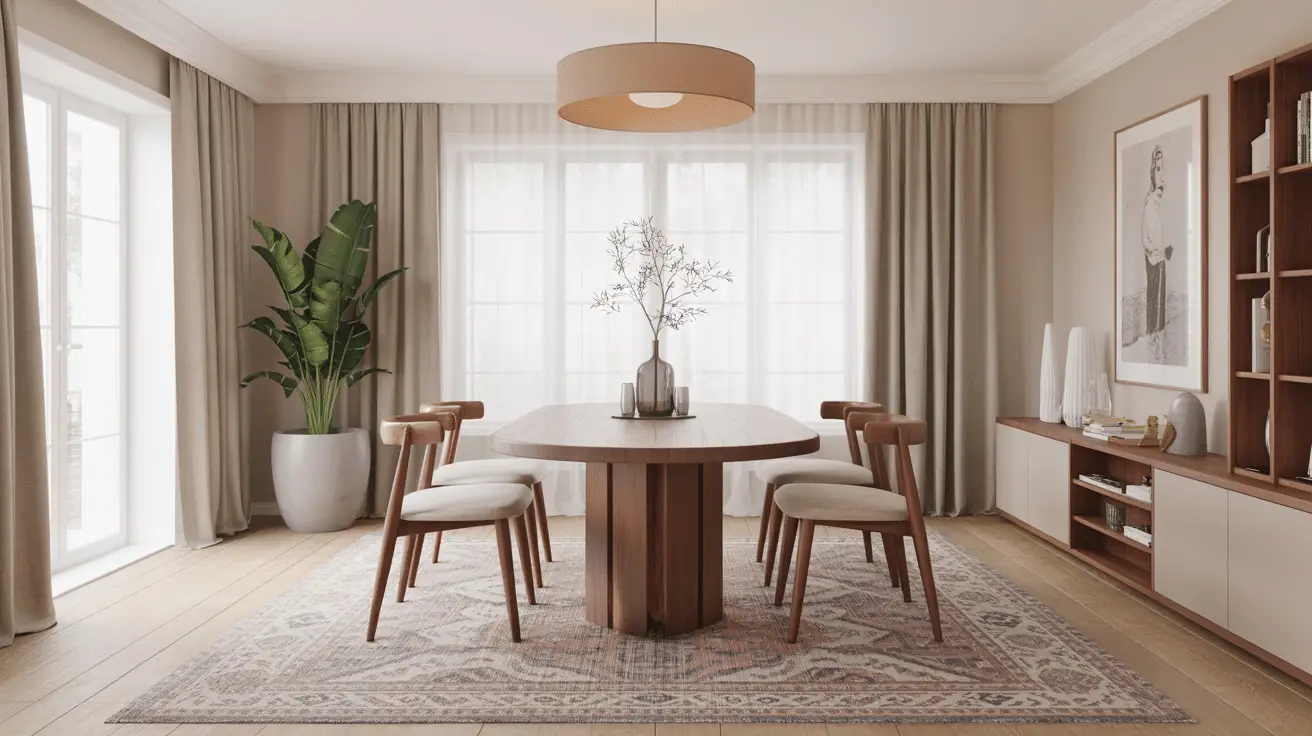
Dreamy Dining Room Rug Inspiration for a Stylish Home: Elevate Your Space with Texture, Color, and Warmth
Table of Contents
Introduction
Your dining room is more than just a place to eat—it’s where laughter echoes, stories unfold, and memories are made. Yet, one often-overlooked detail can make or break the entire atmosphere: the rug beneath your table. A well-chosen dining room rug isn’t just an accessory—it’s the foundation of style, comfort, and visual harmony.
Imagine walking into a dining space where every detail feels intentional. The rug anchors the furniture, softens the acoustics, and adds a layer of personality that reflects your taste. Whether your aesthetic leans toward minimalist, bohemian, modern farmhouse, or coastal chic, the right rug sets the tone instantly.
This article explores the art of choosing the perfect dining room rug—how to select the ideal size, material, and pattern to match your home’s character. You’ll discover practical design tips, visual guides, and inspiration to help you transform your dining area into a stunning, cohesive space. By the end, you’ll have a clear vision for elevating your dining room from simple to truly dreamy.
The Power of the Perfect Dining Room Rug
A rug in the dining room does far more than add color—it defines the zone, frames the table, and elevates comfort. It’s the unsung hero that unites furniture and décor into one harmonious statement.
The ideal rug acts as a visual anchor, ensuring that your table and chairs feel cohesive rather than floating awkwardly on the floor. It also enhances acoustics, making conversations feel more intimate by softening echoes in larger spaces. Beyond practicality, rugs offer a chance to express your personality—bold geometric prints, soft neutral tones, or even vintage Persian patterns can tell your design story beautifully.
| Key Benefit | Description |
| Defines the space | Creates a clear focal area under the table |
| Adds comfort | Provides a soft, warm underfoot texture |
| Reduces noise | Helps with sound absorption in open-plan homes |
| Enhances décor | Ties colors and furniture together seamlessly |
Choosing the Right Size and Shape for Balance
The first rule of rug selection? Size matters. A rug that’s too small can make your dining area feel disjointed, while one that’s too large can overwhelm the room. The sweet spot lies in proportion and placement.
As a guideline, your rug should extend at least 24 inches beyond all sides of the dining table. This allows chairs to slide out comfortably without catching the rug’s edge. The shape of your table should also guide your rug choice—round rugs complement circular tables, while rectangular or oval rugs suit elongated tables.
| Table Shape | Ideal Rug Shape | Suggested Size |
| Rectangular | Rectangular | 8’x10’ or 9’x12’ |
| Round | Round | 8’ diameter or larger |
| Square | Square | 8’x8’ |
When in doubt, size up. A larger rug visually expands the room, creating a more luxurious, balanced appearance. Consider the surrounding furniture too—buffets or console tables should rest off the rug to keep the layout airy and uncluttered.
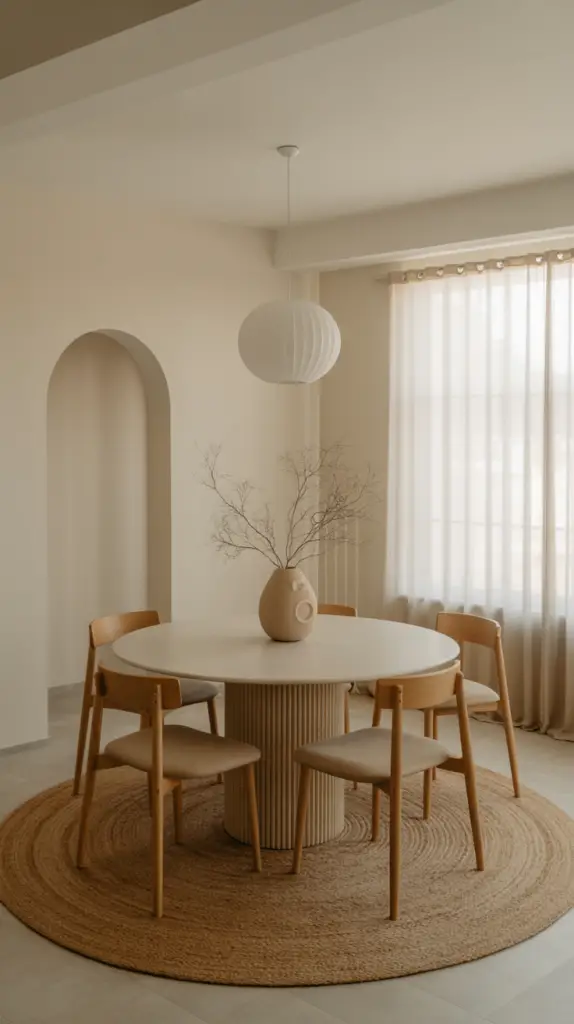
Material Matters: Choosing the Right Texture for Lifestyle
The beauty of a dining room rug isn’t just in its design—it’s in how it feels and functions. Since dining rooms are prone to spills and heavy foot traffic, material choice is crucial for longevity and maintenance.
Natural fibers like wool offer warmth and durability, while synthetic blends like polypropylene are budget-friendly and easy to clean. For households with kids or pets, performance rugs made of washable materials provide the best of both worlds—style and practicality.
| Material | Pros | Cons |
| Wool | Soft, durable, naturally stain-resistant | Higher cost |
| Polypropylene | Affordable, easy to clean | Less eco-friendly |
| Cotton | Lightweight, washable | May fade over time |
| Jute/Sisal | Earthy texture, sustainable | Not ideal for spills |
A subtle texture like flatweave complements modern interiors, while plush or tufted designs bring cozy sophistication to more traditional spaces. Always consider the room’s mood—natural textures for organic calm, silk blends for luxurious sheen.
Exploring Color and Pattern to Set the Mood
Color plays a transformative role in interior design. The right rug hue can brighten a dim space, add drama to a minimalist room, or balance bold furniture choices. Neutrals like ivory, beige, and gray create timeless elegance, while rich tones—navy, emerald, or terracotta—add depth and sophistication.
Patterns, too, shape the atmosphere. Geometric prints bring energy and structure, florals evoke softness, and traditional motifs offer classic charm. The trick is harmony: your rug should complement your dining room’s palette, not compete with it.
| Color Family | Effect on Space | Best For |
| Neutrals | Creates calm, versatile base | Minimalist, modern homes |
| Bold Colors | Adds character, drama | Eclectic, bohemian styles |
| Warm Tones | Invites coziness | Rustic or farmhouse designs |
| Cool Tones | Enhances openness | Coastal or Scandinavian looks |
Try layering textures—like a neutral jute base with a patterned wool topper—for dimension. Or, if your dining furniture is simple, let the rug be the star with an expressive design.
Styling the Rug for Harmony and Flow
A dining room rug isn’t a standalone statement—it should blend seamlessly with lighting, furniture, and surrounding décor. Think of it as part of a larger visual symphony where every element plays a role.
If your table and chairs are bold or ornate, opt for a subtle rug that grounds without overpowering. Conversely, a minimalist dining set benefits from a rug with texture or pattern to inject personality. The color temperature of your rug should also align with lighting—warm light enhances beige and terracotta, while cool lighting flatters blues and grays.
| Element | Styling Tip | Impact |
| Lighting | Use warm lighting to enhance color richness | Creates inviting atmosphere |
| Furniture Legs | Choose rugs with tight weaves | Prevents furniture imprint marks |
| Wall Art | Match accent colors subtly | Ensures visual flow |
Accessorize thoughtfully—add woven baskets, linen napkins, or ceramic vases that echo the rug’s tones. The key is cohesion: everything should feel intentional and connected.
Maintenance and Longevity Tips for Dining Room Rugs
A dreamy rug deserves lasting beauty. To preserve its allure, regular maintenance is essential. Start by using a high-quality rug pad—it prevents slipping, minimizes wear, and adds extra cushioning.
For cleaning, vacuum weekly in alternating directions to prevent fiber matting. Blot spills immediately using mild detergent or a vinegar-water mix, and rotate the rug every few months to ensure even fading. Professional cleaning once a year keeps colors vibrant and fibers fresh.
| Maintenance Step | Frequency | Benefit |
| Vacuuming | Weekly | Prevents buildup and wear |
| Spot Cleaning | As needed | Stops stains from setting |
| Rotation | Every 3–4 months | Ensures even aging |
| Professional Cleaning | Annually | Revives texture and color |
Consider investing in rugs labeled as “washable” or “performance” if your dining space sees frequent use. With care, your rug will not only enhance your décor but also stand the test of time.
Layering Rugs for a Designer Look
Layering is one of the most underused yet striking design techniques. It adds dimension, warmth, and texture while allowing you to mix patterns and tones creatively. The approach works beautifully in dining spaces, especially larger or open-concept homes.
Start with a neutral base rug—jute or sisal—and overlay it with a patterned textile that complements your furniture. This adds depth and visual interest without overwhelming the eye. The layered look also offers practical flexibility: if one rug gets damaged, you can easily replace or restyle it.
| Layering Style | Rug Combination | Visual Effect |
| Neutral Base + Patterned Top | Jute + Persian | Balanced sophistication |
| Monochrome Layers | Gray flatweave + darker wool | Minimalist depth |
| Color Play | Beige base + bold geometric | Playful energy |
Experiment with textures and proportions—layering a smaller rug atop a larger one can make your dining space feel curated and cozy.
Conclusion
A dining room rug is more than a floor covering—it’s a design anchor that brings the entire space to life. It defines the area, enhances comfort, and adds emotional warmth to your home. By considering factors like size, material, color, and maintenance, you can create a dining environment that feels inviting and effortlessly stylish.
Ultimately, the best rug is the one that reflects your lifestyle and personality. Whether you gravitate toward serene neutrals, bold statements, or layered textures, your dining room can become a sanctuary of beauty and connection—one rug at a time.