
Dreamy Nursery Room Design for Peaceful Sleep Spaces That Calm and Inspire
Table of Contents
Introduction
Designing a nursery is one of the most meaningful steps in preparing for a new baby, yet it can also feel overwhelming. Parents often want the room to be functional, beautiful, and most importantly, restful. Research in early childhood development shows that environmental factors such as light, color, organization, and temperature can influence a baby’s sleep quality more than many people realize. With infants spending up to 16 hours a day asleep, the design of their sleep space becomes a crucial part of setting healthy routines and supporting emotional well-being.
A dreamy nursery is more than a stylish room—it’s a sanctuary of calm. The right design choices can create a peaceful atmosphere that comforts both baby and parent. Whether you’re decorating a spacious room or working with a small corner of your home, thoughtful planning transforms any area into an inviting retreat.
In this guide, we’ll explore everything you need to create a serene nursery, including soothing color combinations, functional furniture layouts, lighting strategies, organizational systems, personalized décor, and sensory-friendly touches. Each section offers practical, actionable tips rooted in interior design principles and the needs of growing infants. By the end, you’ll feel confident crafting a nursery that looks dreamy, feels comforting, and supports restful sleep from day one.
Choosing Calming Colors for a Dreamy Nursery
Color plays a powerful role in shaping the emotional tone of a nursery. Soft blues, muted greens, warm beiges, gentle lilacs, and creamy whites are highly effective for creating a peaceful environment that encourages longer and deeper sleep. These tones reduce overstimulation and promote serenity, allowing your baby’s developing senses to ease into rest. When choosing colors, consider how natural and artificial light affect the hue. Morning light enhances cool pastels, while warm bulbs bring out the softness in neutral palettes.
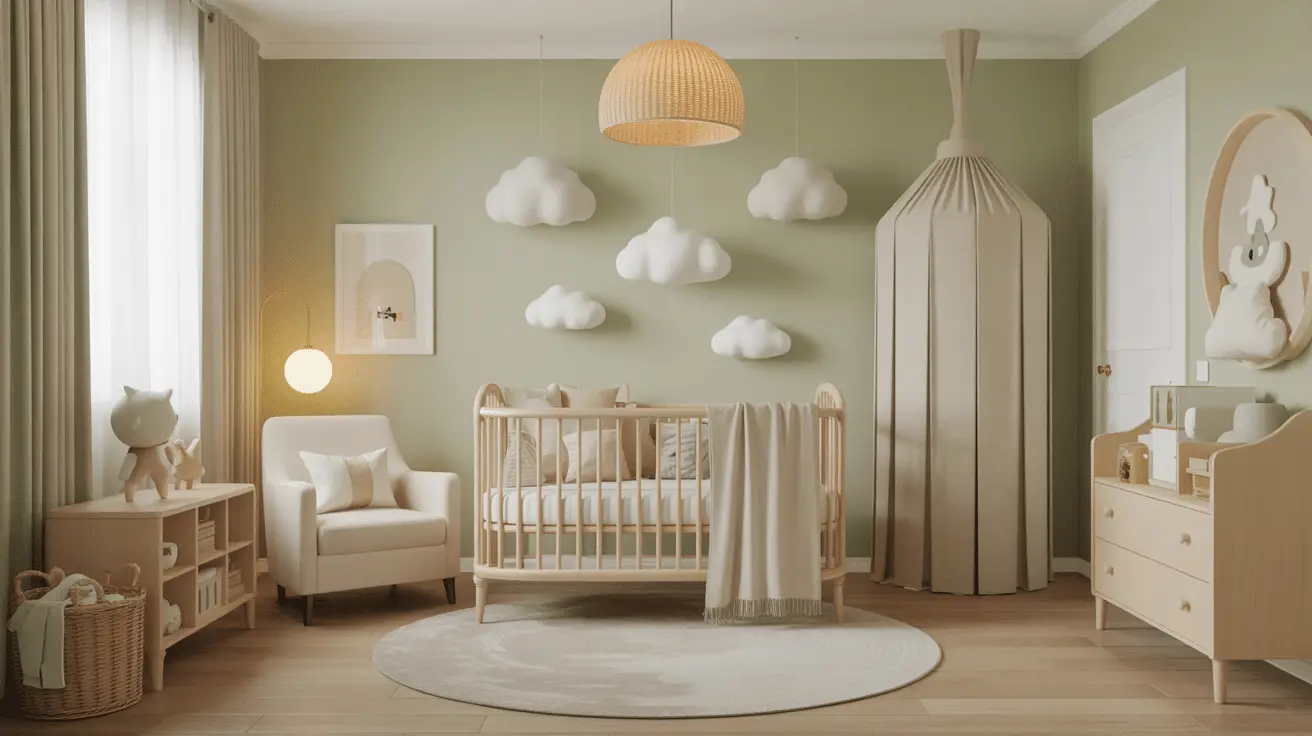
To build a cohesive scheme, anchor the room with a dominant soft shade, then incorporate two secondary tones through bedding, rugs, or wall art. This keeps the palette tranquil while adding layers of visual interest. For example, pairing pale sage walls with cream textiles and light wood accents creates a balanced, nature-inspired atmosphere. If you prefer something more whimsical, choose subtle patterns like watercolor clouds or faint geometric shapes to maintain soothing energy without overwhelming the space.
Table: Calming Nursery Color Options
| Color Style | Example Shades | Mood Created |
| Soft Neutrals | Beige, cream, oat | Warm, gentle, versatile |
| Cool Pastels | Sky blue, lilac | Peaceful, dreamy, airy |
| Earthy Greens | Sage, eucalyptus | Natural, grounding |
| Warm Greys | Dove grey, pebble | Clean, calming, modern |
Designing a Functional Nursery Layout That Supports Rest
A peaceful nursery begins with a well-planned layout that supports flow, safety, and relaxation. The key is to divide the room into purposeful zones: sleep, feeding, changing, and storage. Placing the crib in the quietest location—away from doors, vents, and high-traffic areas—helps reduce noise disruptions. Ideally, the sleep zone should feel like its own calming corner, with soft lighting and minimal visual clutter. A comfortable glider or nursing chair nearby creates an inviting spot for soothing routines, making nighttime care easier for you and more comforting for your baby.
Storage should be strategically incorporated into the layout to ensure essentials are within easy reach. A changing table or dresser placed close to the sleep zone minimizes movement during nighttime changes. Drawer organizers, labeled baskets, and vertical shelving keep the room clean and functional. Babies grow quickly, so having adaptable storage helps reduce stress and clutter as time goes on.
Lighting placement also matters. Position lamps or nightlights in places that provide gentle illumination without shining directly on the crib. Using dimmers allows the nursery to shift gradually from daytime play to evening calm. Meanwhile, blackout curtains ensure that natural light doesn’t interrupt daytime naps.
Table: Zone-Based Nursery Layout Guide
| Zone | Placement Tips | Benefits |
| Sleep | Away from windows and doors | Reduces stimulation and noise |
| Feeding | Beside crib with cozy chair | Supports soothing routines |
| Changing | Adjacent to storage | Improves speed and ease |
| Storage | Vertical & hidden systems | Keeps room tidy and peaceful |
The Power of Soft Lighting in Creating Peaceful Sleep Spaces
Lighting is one of the most influential factors in how restful a nursery feels. Babies are sensitive to brightness, contrast, and color temperature, so choosing the right lighting design helps regulate their circadian rhythm and reduces overstimulation. Warm, dimmable lighting (around 2700K) is ideal for creating a cozy nighttime atmosphere. Overhead lights should be used sparingly after sunset; instead, lean on table lamps, wall sconces, or soft-glow nightlights to maintain a soothing environment.
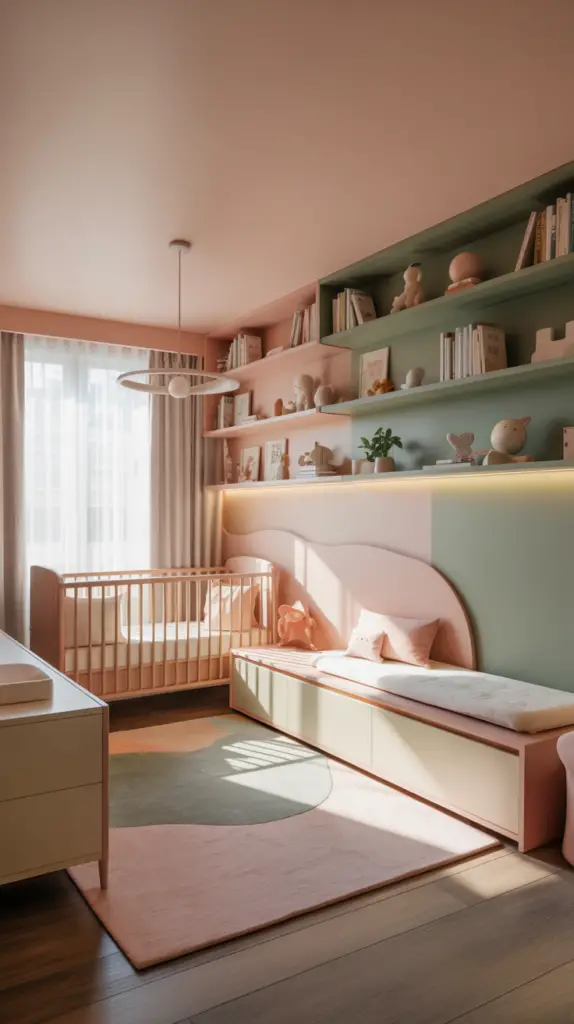
Layered lighting ensures the nursery remains functional without compromising serenity. Ambient lighting brightens the room during the day, while task lighting supports feeding, diaper changes, or reading bedtime stories. Accent lighting—like LED strips behind furniture or soft, whimsical lamps—adds gentle dimension without harsh glares.
Nighttime lighting should be especially calming. Motion-activated nightlights allow you to attend to your baby without switching on brighter fixtures. Meanwhile, blackout curtains help maintain consistency by blocking external light sources that may disrupt naps or early mornings.
Table: Nursery Lighting Strategies
| Lighting Type | Best Use | Benefit |
| Warm Ambient Lighting | Even room glow | Encourages relaxation |
| Task Lighting | Feeding, changing | Supports clarity without harshness |
| Soft Accent Lighting | Under shelves, behind crib | Adds warmth and comfort |
| Blackout Curtains | Windows | Enhances nap duration |
Selecting Nursery Furniture That Balances Comfort and Style
Furniture in a nursery must strike the perfect balance between aesthetics, comfort, and practicality. Start with the crib, the focal point of the room. Opt for a design that meets safety standards while complementing your chosen color palette. Light wood, white finishes, or muted tones pair beautifully with most calming nursery themes. A convertible crib offers long-term functionality as it transforms to accommodate your child’s growth.
A cozy nursing or rocking chair is essential for nighttime routines and bonding moments. Look for supportive armrests, cushioned seating, and easy-clean fabrics. A dresser or changing table with ample storage further enhances organization. Neutral or warm finishes create harmony in the room, while simple silhouettes keep the atmosphere serene.
Table: Nursery Furniture Essentials
| Furniture Piece | What to Look For | Why It Matters |
| Crib | Safety certification, breathable design | Ensures secure sleep environment |
| Nursing Chair | Supportive, washable | Enhances comfort for parent and baby |
| Dresser/Changing Table | Sturdy with storage | Keeps essentials accessible |
| Shelving | Vertical and enclosed | Reduces visual clutter |
Decorating with Textures and Fabrics for a Cozy Sleep Atmosphere
Textures and fabrics influence not only how a nursery looks but also how it feels. Soft materials offer warmth and signal comfort, helping babies feel secure. Think plush area rugs, breathable cotton bedding, gentle knit blankets, and padded crib bumpers that adhere to safety guidelines. Natural materials such as linen, muslin, and wool promote airflow and help regulate temperature, contributing to restful sleep.
Layering different textures creates a dreamy visual effect. A fluffy rug under the crib softens the room’s acoustics, lightweight curtains filter sunlight beautifully, and tactile toys on shelves can serve as décor while stimulating early sensory development. The goal is to maintain a soothing palette while integrating rich, touch-friendly materials that add depth and charm.
Table: Best Nursery Textures
| Texture | Best Use | Benefit |
| Cotton | Bedding | Breathable, soft, safe for skin |
| Knit/Wool | Blankets, rugs | Adds warmth and coziness |
| Linen | Curtains | Filters light gently |
| Plush | Seating, accents | Provides softness and comfort |
Incorporating Personalized and Whimsical Décor
Personal touches transform a nursery into a magical, comforting space full of meaning. Wall art featuring gentle motifs—such as moons, stars, animals, or nature scenes—creates a sense of wonder without overstimulating the room. Custom name signs, handcrafted mobiles, or personalized blankets add sentimental charm while tying the design together.
Whimsical decorations also enhance emotional comfort. Soft toy displays, cloud-shaped shelves, pastel garlands, or wall decals give the room personality while keeping the overall tone soft and dreamlike. When choosing décor, prioritize items that complement your chosen color palette and maintain visual harmony.
Table: Personalized Décor Ideas
| Décor Type | Placement | Impact |
| Wall Art | Above crib or chair | Establishes theme |
| Mobiles | Crib area | Encourages gentle sensory engagement |
| Custom Name Signs | Feature wall | Adds sentimental value |
| Soft Toys | Shelves or baskets | Enhances warmth |
Conclusion
Designing a dreamy nursery room is a blend of thoughtful planning, emotional intention, and aesthetic harmony. By choosing calming colors, functional layouts, soothing lighting, comfortable furniture, layered textures, and personal touches, you create a peaceful sleep space that nurtures both baby and parent. Each design choice contributes to a room that feels safe, comforting, and beautifully cohesive. A well-crafted nursery becomes more than a room—it becomes a gentle beginning to your child’s world, filled with tranquility, warmth, and love.