
Easy Pantry Organization Ideas for Everyday Use to Create a Clean and Functional Kitchen
Table of Contents
Introduction
A well-organized pantry can completely transform your daily routine. Recent studies show that people spend nearly 40% less time searching for ingredients when their pantry is organized, which means more efficient meal prep, less food waste, and a calmer kitchen experience. Yet despite its importance, the pantry is often one of the most overlooked areas in the home—quickly becoming a catch-all space where clutter accumulates. Without a clear system, items disappear, shelves overflow, and frustration grows.
Easy pantry organization ideas offer a practical solution for creating a space that supports your everyday life. Unlike elaborate systems that require constant upkeep, simple strategies focus on clarity, accessibility, and consistency. Whether your pantry is a spacious walk-in or a compact cabinet, there are countless ways to maximize its potential with the right tools, layout, and habits.
In this article, you’ll find detailed, approachable organization ideas designed for daily use. You’ll learn how to choose the right containers, create functional zones, optimize shelving, reduce clutter, and integrate practical storage tools that elevate efficiency. With these easy yet effective strategies, your pantry will not only look cleaner and more cohesive—it will also work better for your cooking rhythm and household routines.
Using Clear Containers for Practical, Everyday Pantry Storage
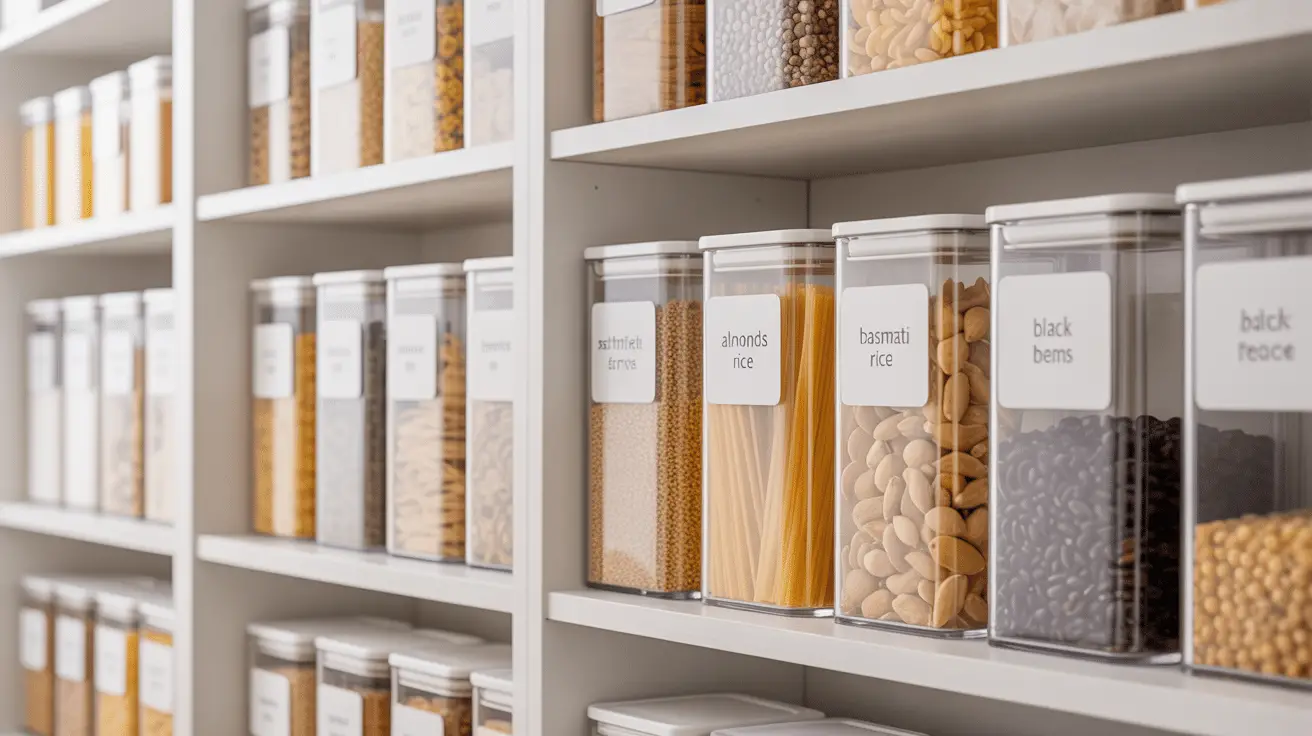
Clear containers are one of the most effective easy pantry organization ideas for everyday use because they create instant visibility and uniformity. When ingredients are stored in mismatched packaging, shelves begin to feel chaotic—even if items are neatly arranged. Clear containers eliminate this visual noise, allowing your pantry to look streamlined and organized at all times.
Visibility is the biggest advantage. Being able to see how much flour, rice, pasta, or snacks you have reduces overbuying and food waste. Airtight lids also preserve freshness, which is essential for dry goods like grains and baking staples. Choosing one style of container—whether tall acrylic canisters, short glass jars, or stackable modular bins—enhances the cohesive look.
Containers also support portion control and inventory awareness. With a single glance, you’ll know exactly what needs restocking before grocery shopping. Labeling takes this system even further by ensuring everyone in the household knows where items belong.
Clear containers naturally encourage accessibility. Instead of rummaging through crumpled packages, everything sits in uniform rows that promote ease and efficiency. Their stackable shape maximizes vertical space, making them ideal for small shelves or narrow pantry layouts.
Clear Container Breakdown
| Container Type | Best For | Benefit |
| Acrylic Canisters | Staples like flour, rice | Visibility + freshness |
| Glass Jars | Snacks, baking items | Aesthetic + airtight |
| Modular Containers | Pasta, cereals | Stackable efficiency |
Creating Functional Pantry Zones for Everyday Efficiency
Zoning is one of the most impactful strategies for achieving a clean, intuitive pantry. By grouping similar items into designated sections, you streamline daily tasks like cooking, snacking, and meal prep. A pantry with functional zones not only looks tidy—it works harmoniously with your kitchen routine.
Begin by assessing your daily habits. Do you bake frequently? Do kids grab snacks from the pantry? Do you store overflow items like beverages or paper goods? These patterns determine the categories you need. Common zones include snacks, breakfast items, canned goods, grains, baking ingredients, spices, oils, and backstock.
Once zones are defined, assign each one a specific shelf or area. High-frequency zones—like snacks or breakfast items—belong at eye level for easy access. Lower shelves are ideal for heavier items like drinks or bulk goods, while upper shelves can house rarely used supplies like holiday baking ingredients.
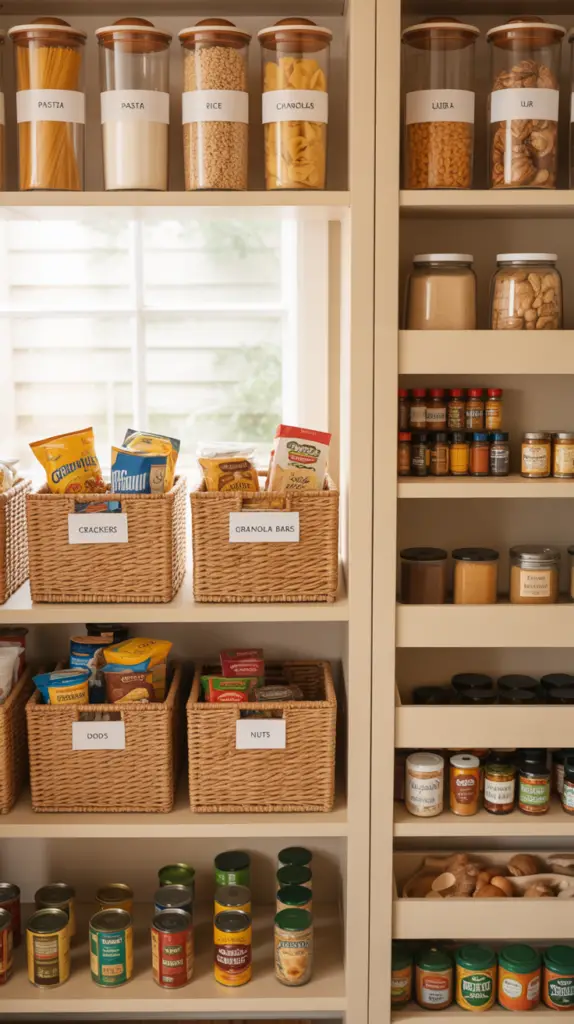
Bins and baskets further strengthen the zoning system by keeping loose items contained. This prevents clutter and makes retrieval simple. Labeling each zone or bin ensures long-term maintenance, especially in busy households.
Zoning also improves inventory control. When similar items live together, you can instantly see what’s low or missing, reducing duplicate purchases and food waste.
Pantry Zone Table
| Zone | Ideal Items | Benefit |
| Eye-Level Zone | Snacks, daily use | Convenience |
| Lower Zone | Bulk goods, drinks | Stability + safety |
| Upper Zone | Rarely used items | Reduced clutter |
Optimizing Vertical Space to Maximize Small Pantry Storage
Vertical storage solutions can transform even the smallest pantries into functional spaces. Many pantries waste valuable height between shelves, resulting in unused air space that could be better utilized. With a few simple tools, you can significantly increase capacity without adding more shelves.
Shelf risers are one of the easiest ways to increase vertical storage. These platforms elevate canned goods, spices, or dishes, making it possible to store items in multiple layers while keeping everything visible. Tiered risers prevent crowding and ensure that labels remain readable.
Under-shelf baskets slide seamlessly beneath existing shelves, creating an extra layer for lightweight items like napkins, packets, or snacks. They are especially helpful in shallow cabinets where space is tight. Hanging wire racks or hooks attached to the pantry door provide storage for oils, spices, utensils, or foil and wrap products.
Tall storage solutions are equally effective. Consider using tall containers for pasta, cereal, or grains to take advantage of vertical shelf height. Stacking baskets or bins maximize storage for produce, snacks, or bagged goods.
Vertical optimization not only expands storage—it creates a cleaner, more structured appearance by eliminating piles and clutter.
Vertical Storage Overview
| Tool | Best Use | Benefit |
| Shelf Risers | Canned goods | Multi-level visibility |
| Under-Shelf Baskets | Packets & napkins | Extra storage layer |
| Door Racks | Spices & oils | Added vertical capacity |
Choosing the Right Shelving for an Organized Everyday Pantry
Shelving determines how effective your pantry organization system will be. The right shelves enhance accessibility, durability, and visual cohesiveness. Whether you’re installing new shelves or upgrading existing ones, thoughtful choices make a significant difference in daily use.
Adjustable shelves provide the most flexibility. They allow you to shift heights to accommodate tall containers, small jars, or oversized bins. This adaptability is useful if your pantry storage needs change with seasons or household routines. For example, you may need more space for canned goods during winter or additional snack bins during summer breaks.
Shallow shelves offer excellent visibility, preventing items from getting lost in the back. They are perfect for spices, jars, and smaller containers. Deeper shelves work well for storing appliances or bulk goods but should be paired with bins or pull-out drawers to maintain accessibility.
Material choice matters too. Wooden shelves offer warmth and craftsmanship, making the pantry feel inviting. White laminate shelves create a clean, modern look that highlights your containers. Wire shelves provide ventilation but may require liners to prevent items from tipping.
Corners often pose challenges in pantry layouts. Lazy Susans, corner shelves, or rotating trays make these areas functional and easy to reach.
Shelving Options Table
| Shelf Type | Best Use | Advantage |
| Adjustable Shelves | All-purpose storage | Flexible height control |
| Shallow Shelves | Spices, jars | Easy visibility |
| Deep Shelves | Bulk items | High capacity |
Simplifying Your Pantry with Smart Decluttering Strategies
A clean pantry begins with thoughtful decluttering. Clutter accumulates quickly—expired items, duplicate products, empty packages, impulse buys, and forgotten snacks all contribute to chaos. Effective decluttering ensures your pantry remains functional and inviting long-term.
Start by removing everything from the pantry and sorting items into categories: keep, donate, discard, or relocate. This process reveals duplicates and exposes forgotten items tucked behind others. Once everything is sorted, wipe down shelves, drawers, and containers for a fresh start.
Decluttering also involves creating boundaries. Establish limits for certain categories—for example, only keeping what fits in a single snack bin or organizing baking supplies into a designated basket. This prevents overcrowding and encourages mindful purchasing.
Rotation plays a major role as well. Place older items in front so they get used first. This reduces waste and promotes more efficient grocery habits. Clear containers and visible zones support this system naturally.
Simplicity is sustainable. A decluttered pantry is easier to maintain, restock, and enjoy on a daily basis. It reduces visual stress and helps you feel in control of your kitchen environment.
Decluttering Strategy Guide
| Strategy | Purpose | Benefit |
| Remove & Sort | Categorize items | Clarity + reset |
| Set Category Limits | Prevent overflow | Sustainable organization |
| Rotate Items | Reduce waste | Efficient use |
Adding Decorative Touches for a Clean, Cohesive Pantry
Decorative touches may seem optional, but they significantly enhance the look and feel of an organized pantry. Simple styling elements elevate the space from functional to beautiful, making everyday use more enjoyable.
Shelf liners add personality and protect shelving surfaces. Choose subtle patterns or neutral tones that complement your containers and baskets. A cohesive color palette—whether warm neutrals or cool modern tones—unifies the space and prevents visual clutter.
Labels act as both functional and decorative elements. Modern script labels offer elegance, while bold block lettering provides clarity. Matching label styles across containers creates a uniform and polished appearance.
Baskets introduce texture and warmth. Wicker, seagrass, or bamboo adds a natural element that softens the overall aesthetic. Mixing textures—such as pairing clear acrylic bins with woven baskets—creates visual interest without sacrificing function.
Even lighting can enhance the space. Small LED strip lights or puck lights illuminate darker corners and make the pantry more inviting. These lights also help highlight labels and containers, improving everyday visibility.
Decorative Styling Table
| Decor Element | Use | Aesthetic Benefit |
| Shelf Liners | Shelf protection | Pattern + personality |
| Labels | Containers & bins | Cohesive look |
| Woven Baskets | Lower shelves | Warmth + texture |
Conclusion
Easy pantry organization ideas offer a realistic and impactful way to improve everyday life. When your pantry is thoughtfully arranged, cooking becomes smoother, shopping becomes more efficient, and your kitchen environment feels more harmonious. Simple strategies—such as using clear containers, creating functional zones, optimizing shelves, maximizing vertical space, decluttering, and adding subtle decorative touches—transform your pantry into a space that is both beautiful and practical. With consistent habits and the right tools, your pantry becomes a reliable extension of your home, supporting daily routines with ease and clarity.