
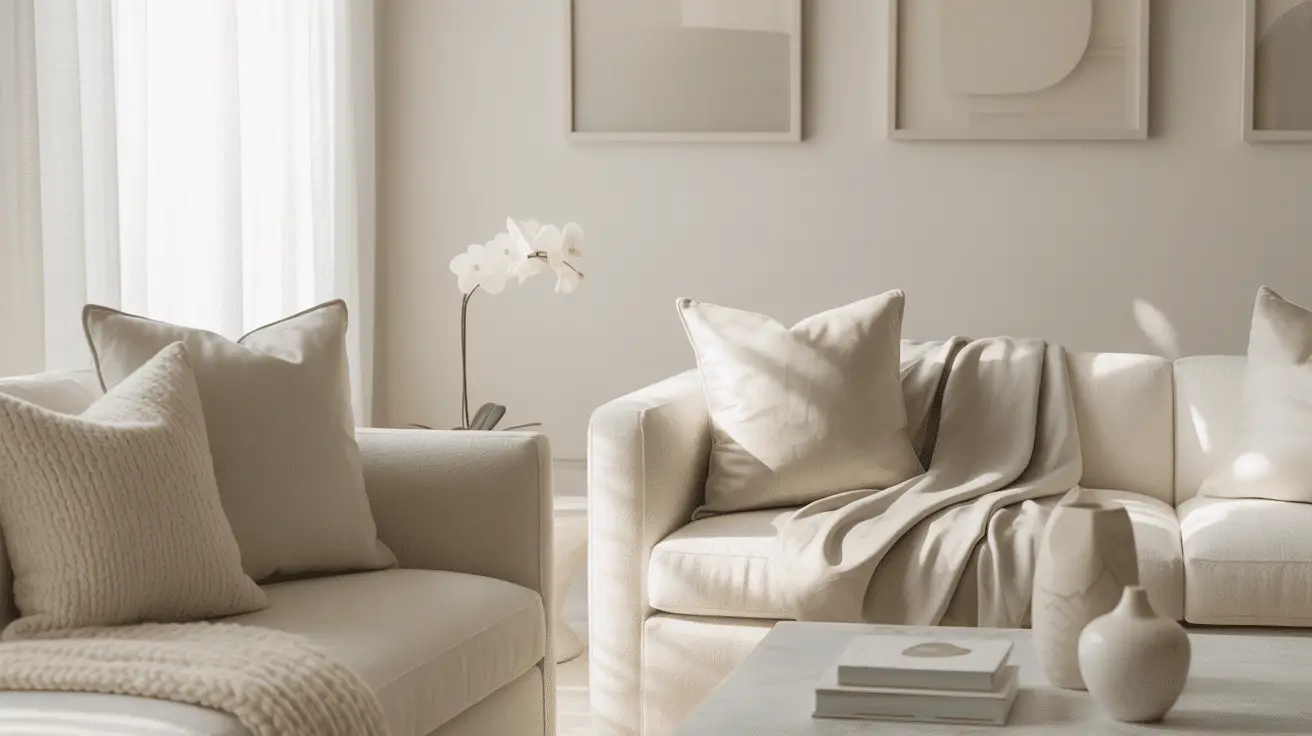
Elegant White Living Room Decor with Timeless Charm: Inspiring Ideas for a Bright, Sophisticated Space
Table of Contents
Introduction
There is a unique allure to white living rooms that continues to captivate homeowners and designers alike. In design surveys, light-toned interiors consistently rank among the most desirable because they make spaces feel larger, softer, and more refined. Yet beyond their visual appeal, white rooms offer something deeper: a sense of tranquility and timelessness that few other palettes can achieve. When executed thoughtfully, a white living room becomes more than a stylistic choice—it becomes a soothing environment that elevates daily living.
The beauty of elegant white living room décor lies in its versatility. Whether your home leans modern, classic, coastal, or farmhouse-inspired, white blends seamlessly with a variety of materials, textures, and architectural styles. It highlights natural light, enhances furnishings, and invites a calm, balanced atmosphere. This article explores how to create a white living room that feels warm, inviting, and gracefully timeless. You’ll discover how to choose the right shades of white, select furniture that adds dimension, incorporate textures, use accents that bring personality, master lighting, and maintain the crisp beauty of the space with ease.
By the end, you’ll have a full understanding of how to design a white living room that is stylish, functional, and enduringly elegant.
Choosing the Perfect Shades of White
White is never just one color. The foundation of an elegant white living room begins with choosing the right tones that suit your home’s light, architecture, and mood. Some whites read warm and creamy, creating a sense of coziness and familiarity. Others appear cooler and sharper, giving spaces a clean, modern aesthetic.
Warm whites—think soft ivory, antique white, and creamy linen—are ideal for spaces that lack natural light or for homes with traditional detailing. They bring a gentle glow that feels welcoming and rich. Cool whites have subtle gray or blue undertones and pair beautifully with bright, sun-filled spaces or contemporary designs featuring metal or stone accents.
Layering whites is essential. Using multiple shades ensures visual depth, preventing the monochromatic look from feeling flat. Combine matte and glossy finishes, woven fabrics, stone textures, and painted surfaces to create subtle contrast.
Shade Selection Guide
| Design Condition | Recommended White Tone | Why It Works |
| Low-light rooms | Warm whites | Adds radiance and softness |
| Bright, sunny spaces | Cool whites | Balances strong natural light |
| Contemporary homes | Neutral/cool whites | Complements sleek finishes |
| Traditional interiors | Creamy whites | Enhances architectural character |
Choosing the right spectrum of whites sets a lasting foundation for a serene and sophisticated living room.
Furniture That Complements and Elevates White Decor
Furniture selection plays one of the most influential roles in shaping the atmosphere of a white living room. Because white offers such a clean canvas, your furniture has the power to introduce texture, contrast, and personality. The key is balancing beauty with practicality while maintaining the harmony of the overall palette.
Start with the sofa, a central anchor in the room’s design. White or off-white sofas create a seamless flow, while performance fabrics ensure durability and easy care. Accent chairs in subtle tones—like greige, oatmeal, or pale taupe—add complementary softness without disrupting the elegance of the white theme.
Contrast is important for grounding the room. Wood coffee tables, marble side tables, or sculptural metal pieces bring structure and richness. These materials pair beautifully with white, adding sophistication and stability. A textured rug, whether wool, jute, or woven blend, anchors the furniture arrangement and softens the room’s lines.
Symmetry or purposeful asymmetry in furniture placement enhances the room’s visual rhythm. Position pieces to highlight architectural features or natural light sources, ensuring the layout feels open and balanced.
Furniture Styling Overview
| Furniture Element | Recommended Choice | Design Impact |
| Sofa | White performance fabric | Clean, cohesive foundation |
| Accent chairs | Soft neutral upholstery | Adds warmth and visual layering |
| Coffee table | Wood or marble | Introduces structure and contrast |
| Rug | Thick weave or natural fiber | Grounds the space and adds texture |
Thoughtful furniture choices transform a white living room into a refined, inviting retreat.
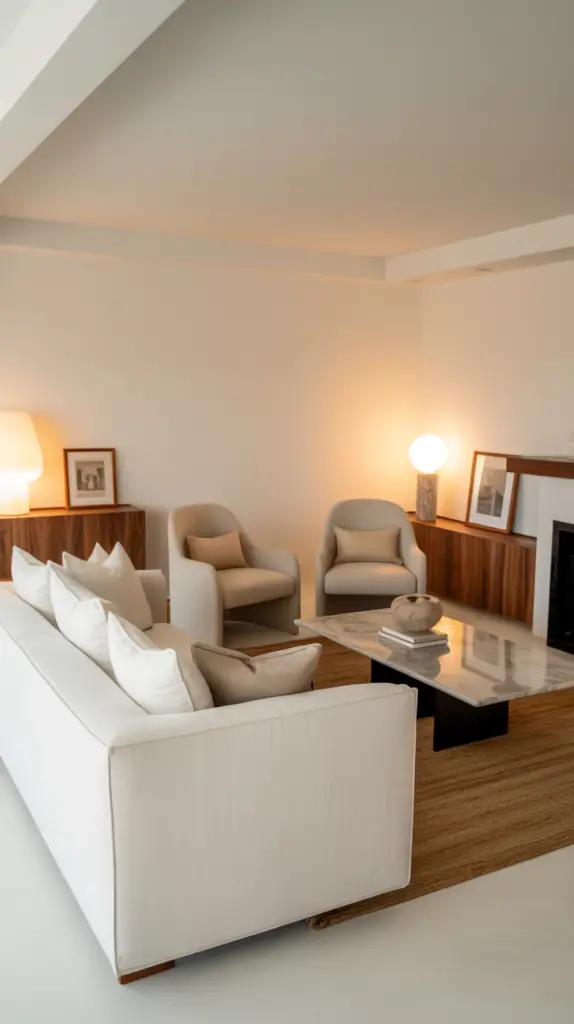
Layering Textures to Create Warmth and Dimension
A successful white living room is never solely about the color—it’s about the textures that bring it to life. Texture adds movement, depth, and emotional warmth, preventing the room from feeling stark or sterile. The more thoughtfully textures are layered, the richer and more inviting the space becomes.
Start with textiles. Soft throws, linen cushions, boucle chairs, and thick wool rugs create tactile interest. Each fabric contributes its own sensory experience, building a comforting environment. Architectural textures—like ceiling beams, paneled walls, or stone fireplaces—enhance the character of a white room, grounding the palette with structural charm.
Incorporate natural elements wherever possible. Wood adds organic warmth, while ceramics, woven baskets, and glass accents introduce varied surfaces that subtly shift with light. These details, though small, collectively elevate the room’s elegance.
Lighting enhances textures dramatically. Soft lamps and layered light sources cast shadows that highlight woven textiles and natural finishes, creating a soothing and luxurious atmosphere.
Texture Layering Breakdown
| Texture Category | Examples | Effect on the Space |
| Soft textiles | Linen pillows, boucle chairs, throw blankets | Adds comfort and dimension |
| Organic materials | Wood accents, rattan baskets | Infuses warmth and natural charm |
| Hard textures | Stone, ceramics, glass | Brings sophistication and visual contrast |
| Architectural detail | Molding, paneling, beams | Creates depth and timeless appeal |
A white living room filled with layered textures becomes a serene and artful sanctuary.
Introducing Accents That Add Personality and Contrast
While white provides harmony and purity, accent pieces bring the personality that makes a living room feel curated rather than simply styled. The beauty of working within a white palette is that accents stand out beautifully, even when subtle or understated.
Decorative objects such as sculptural vases, ceramic bowls, minimalist figurines, or textured planters help break up expanses of white with organic forms. Art is one of the most powerful accent tools. Soft abstract pieces, tonal prints, and muted landscapes harmonize beautifully with white walls, while black-and-white photography adds sharp sophistication.
Metal finishes offer understated glamour. Brushed brass, antique gold, or matte black lighting fixtures and frames introduce contrast without overwhelming the calmness of the room. Even a simple black-framed mirror or gold tray can shift the sense of balance and elevate the space.
Greenery adds another layer of vitality. Olive trees, eucalyptus branches, or grasses in ceramic pots bring refreshing color and movement, enhancing the softness of the white palette.
Accents should feel intentional, creating a curated look rather than clutter. Rotate pieces seasonally or refine as your taste evolves.
Accent Ideas Overview
| Accent Type | Examples | Visual Impact |
| Metallics | Brass lamp, black-framed mirror | Adds depth and contrast |
| Artwork | Abstract prints, photography | Creates focal points and emotion |
| Nature elements | Plants, wood bowls, dried stems | Adds life and natural warmth |
| Textural décor | Ceramic vases, woven baskets | Enhances tactile richness |
Sculpted thoughtfully, accents bring the charm and character that complete an elegant white living room.
Mastering Lighting for a Bright Yet Cozy White Living Room
Lighting influences how white tones are perceived more than any other design factor. Even the most beautiful room can appear flat or overly bright if lighting is unbalanced. Proper lighting brings harmony, drama, and warmth to a white living room.
Begin by establishing ambient lighting—soft, even illumination that makes the space feel welcoming. Warm-toned LED bulbs prevent white walls from appearing harsh. Overhead fixtures, when used sparingly, should be diffused or paired with dimmers to avoid glare.
Task lighting creates intimate pockets of functionality and comfort. A floor lamp beside an accent chair, a reading light near the sofa, or table lamps on consoles introduce gentle illumination that draws the eye around the room.
Accent lighting adds artistry. Picture lights highlight artwork, sconces cast sculptural shadows, and LED strips under shelves subtly emphasize depth. These details elevate the room from simply “bright” to thoughtfully atmospheric.
Reflective surfaces enhance lighting effects. Mirrors bounce light across the room, while glass or metal décor pieces shimmer softly in lamplight, enriching the layered feel of the design.
Lighting Strategy Table
| Lighting Type | Purpose | Ideal Usage |
| Ambient | Overall illumination | Soft, warm overhead lighting |
| Task | Focused functional light | Reading areas, seating zones |
| Accent | Highlighting features | Art, shelving, architectural details |
| Reflective elements | Light enhancement | Mirrors, metallics |
Thoughtfully layered lighting transforms a white living room into a bright yet deeply cozy haven.
Keeping a White Living Room Beautiful Over Time
The elegance of a white living room can be effortlessly maintained with smart choices and simple habits. While some assume white is difficult to care for, modern materials and practical routines make it incredibly manageable.
Start with durable textiles. Slipcovered sofas, performance fabrics, washable cushion covers, and stain-resistant treatments allow you to enjoy light-toned furniture without worry. Rugs should be chosen for both texture and maintenance—wool naturally repels dirt, while synthetic blends offer resilience for high-traffic areas.
Surfaces benefit from regular care. White-painted walls stay fresh with occasional touch-ups, and opting for washable finishes simplifies upkeep. Marble and wood surfaces remain pristine when sealed properly and dusted weekly.
Organizational décor helps preserve the serene aesthetic. Woven baskets store blankets and accessories, trays keep small items organized on tables, and closed cabinetry hides visual clutter. These subtle structures ensure the room stays streamlined.
Daily tidying—simple fluffing, smoothing, and quick cleaning—keeps the room feeling crisp. Weekly maintenance, such as vacuuming and wiping down surfaces, preserves the lasting charm of the space.
Maintenance Guide
| Area | Care Strategy | Benefit |
| Upholstery | Use performance fabrics and washable covers | Long-term clean appearance |
| Rugs | Vacuum and spot clean | Maintains texture and brightness |
| Walls & surfaces | Dust, wipe, and seal when needed | Prevents yellowing or marks |
| Organization | Add baskets and trays | Minimizes clutter |
With consistent but effortless routines, your white living room remains timeless, polished, and inspiring.
Conclusion
A white living room is one of the most elegant and enduring design choices for any home. It brings together brightness, serenity, and versatility in a way that enhances both aesthetic appeal and everyday comfort. By choosing layered shades of white, investing in furniture that adds texture and contrast, incorporating thoughtful accents, and mastering lighting strategies, you can create a room that feels both refined and deeply inviting.
White décor allows subtle details to shine—textures become richer, natural elements feel more vibrant, and the room takes on a tranquil, harmonious character. With mindful maintenance and intentional styling, your elegant white living room will continue to deliver timeless charm, evolving effortlessly with your taste over the years.