
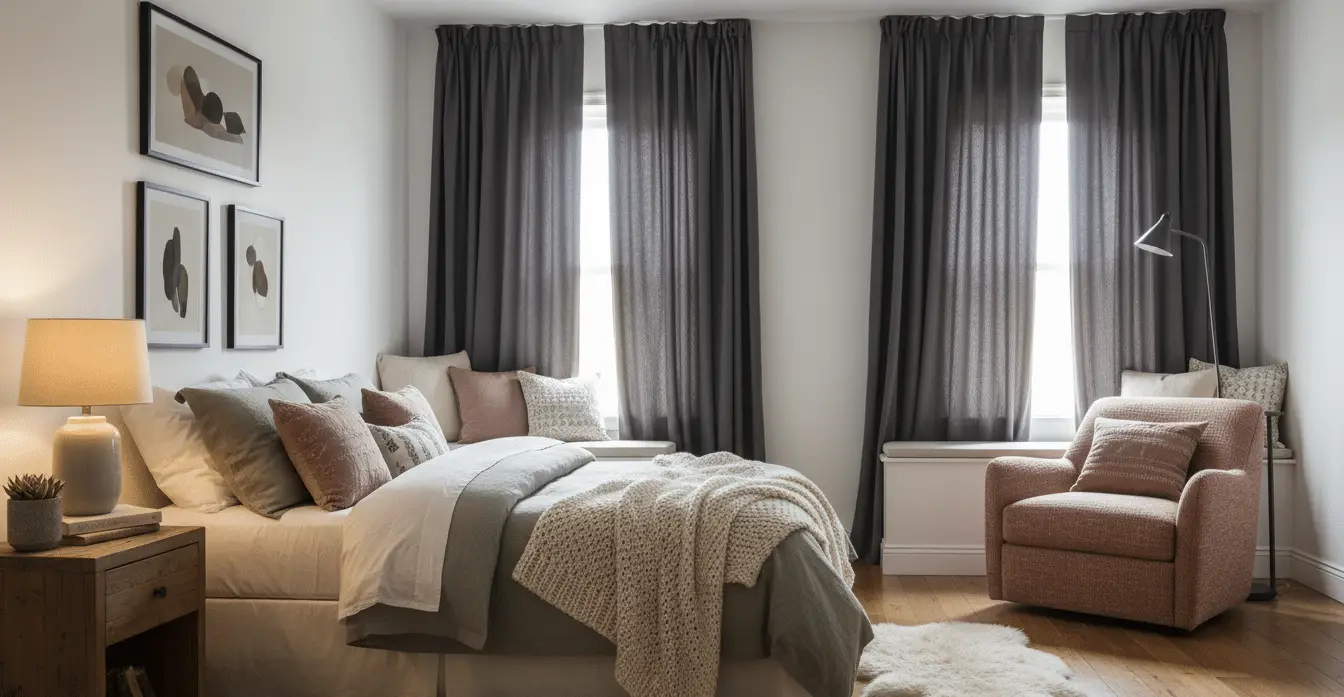
How to Choose the Right Bedroom Curtains for Your Space: Style, Function, and Perfect Fit
Table of Contents
Introduction
Choosing the right bedroom curtains is one of the most effective ways to transform your space—yet it’s also one of the most underestimated decisions in home decor. According to interior design surveys, more than 70% of homeowners believe curtains impact the atmosphere of a room more than any other textile. This makes sense: bedroom curtains influence how much light enters the space, how cozy and private the room feels, and how well the decor elements work together.
The topic matters because bedroom curtains go far beyond aesthetics. They shape the function of your space—creating restful darkness for sleep, enhancing the room’s warmth, and contributing to its overall style. Whether you’re designing a modern retreat, a soft, romantic bedroom, or a crisp minimalist environment, the right curtain choices can elevate your everyday experience.
In this comprehensive guide, you’ll learn how to choose the right bedroom curtains for your space by understanding fabrics, light control, sizing, color coordination, installation techniques, and layering strategies. Each section provides valuable insights, practical tips, and visual guidance to help you confidently style a bedroom that feels relaxing, beautiful, and thoughtfully curated.
Understanding the Role of Bedroom Curtains in Light Control and Privacy
Light control and privacy are the foundation of any bedroom curtain decision. Your choice of fabric, thickness, and construction determines how much natural light flows into the room and how protected you feel from outside views. Bedrooms typically require a balance: enough darkness to support restful sleep, but enough light to maintain a pleasant daytime atmosphere.
Blackout curtains are ideal for those sensitive to light or living in urban areas with bright outdoor illumination. These curtains feature tightly woven fabrics or added liners that block up to 99% of light, transforming the bedroom into a restful cocoon perfect for deep sleep. On the other hand, sheer curtains offer soft diffused light that enhances the room’s airiness. They’re beautiful for creating romantic or coastal-inspired bedrooms but require pairing with heavier curtains for nighttime privacy.
Semi-sheer or room-darkening curtains sit between the two extremes, providing moderate privacy while still allowing filtered light. This balance works well in bedrooms where you want both warmth and illumination without relying solely on artificial lighting.
Light Control Curtain Guide
| Curtain Type | Light Control | Privacy Level | Best For |
| Blackout | Very High | High | Deep sleep, urban homes |
| Room-Darkening | Medium | Medium–High | Most bedrooms |
| Sheer | Low | Low | Layering, soft daylight |
| Semi-Sheer | Medium-Low | Medium | Airy but private spaces |
Choosing the Right Curtain Fabric to Match Your Bedroom Style and Mood
Fabric selection shapes the tactile and visual identity of your bedroom. Each material carries its own texture, weight, and emotional tone, influencing how cozy, elegant, or fresh the room feels. When deciding how to choose the right bedroom curtains for your space, fabric is a powerful design element that should reflect both your functional needs and your personal aesthetic.
Linen is a favorite for modern, airy bedrooms. Its organic texture softens the room, invites natural light, and adds effortless elegance. Linen’s lightweight weave creates gentle movement when touched by a breeze, making the room feel breathable and serene—perfect for minimalist, Scandinavian, or coastal decor. Cotton offers similar softness but with more structure, making it ideal for traditional or transitional settings.
For those seeking warmth and luxury, velvet curtains add depth, richness, and insulation. Their plush texture absorbs light beautifully, enhancing bedrooms with dark or moody color palettes. Velvet also provides excellent privacy and temperature regulation, making it ideal for colder climates or rooms needing more sound absorption.
Silk or faux silk curtains contribute sophistication with a subtle sheen. These fabrics drape beautifully, adding height and drama to the room. They work well in formal bedrooms but may require lining to protect against fading.
Curtain Fabric Comparison
| Fabric | Style Impact | Light Flow | Texture & Mood |
| Linen | Airy, relaxed | Medium | Organic, calming |
| Cotton | Versatile, classic | Medium–High | Soft, structured |
| Velvet | Luxurious, warm | Low | Rich, dramatic |
| Silk / Faux Silk | Elegant, formal | Medium | Smooth, polished |
Choosing fabric with intention ensures your curtains contribute meaningfully to the room’s ambiance, not just its function. Consider climate, bedroom size, lighting needs, and overall decor to find the perfect match.
Determining the Best Curtain Length and Width for a Polished Look
Curtain length and width dramatically influence the overall style and perceived height of a bedroom. Well-fitting curtains make the room look polished, proportional, and thoughtfully designed. In contrast, curtains that are too short or narrow can interrupt the visual flow of the space, diminishing its elegance.
Floor-length curtains are considered the gold standard for bedrooms. They elongate the walls, making small bedrooms feel taller and larger. When curtains just graze the floor, they create a clean, modern aesthetic. For a softer, more romantic look, consider curtains that “puddle” on the floor with an extra 2–4 inches of length. This style works beautifully with lightweight fabrics like linen or luxurious materials like velvet.
To determine width, ensure your curtain panels combined measure at least twice the width of the window. This provides adequate fullness, allowing the curtains to drape naturally rather than stretch flat across the rod. Wider panels also offer superior light blocking and a more luxurious feel.
Mounting the curtain rod higher than the window frame instantly enhances perceived ceiling height. Positioning the rod 6–12 inches above the window or near the ceiling creates an open and spacious look.
Sizing & Style Table
| Curtain Style | Length | Best For | Visual Impact |
| Floor-Length | Touches floor | Modern, streamlined bedrooms | Clean and elegant |
| Puddle-Length | 2–4″ extra | Romantic or luxe styles | Soft and dramatic |
| Above-Floor | 0.5–1″ above | Practical, easy cleaning | Neat and functional |
Choosing the Right Curtain Color to Match Your Bedroom Decor
Color plays a significant role in determining the atmosphere of your bedroom. When selecting bedroom curtains, color choice can either harmonize with existing decor or serve as a bold focal point that elevates the space. The key is choosing a palette that supports the emotional tone you want within the room.
Neutral colors—beige, ivory, gray, and taupe—are perfect for creating calm, serene environments. They work effortlessly with most bedding, wall colors, and furniture styles. Neutral curtains are especially effective in small bedrooms, as they blend into the surroundings and enhance the room’s spacious feel.
For those seeking warmth, earth tones like terracotta, warm brown, olive, and soft gold create a grounded, comforting mood. These colors complement wooden bedroom furniture and natural materials beautifully.
If your bedroom needs a visual lift, consider bolder tones such as navy, emerald, or charcoal. These colors add depth and sophistication without overwhelming the room. Pastels—dusty rose, sage, or powder blue—offer a delicate, romantic effect, especially when combined with airy fabrics.
Whether blending or contrasting, curtain colors should feel intentional and cohesive with the broader palette.
Color Selection Guide
| Curtain Color | Mood Created | Best Pairings |
| Neutrals | Calm, minimal | Light woods, whites, grays |
| Earth Tones | Warm, grounded | Natural textures |
| Bold Dark Tones | Dramatic, modern | Metal accents, moody palettes |
| Pastels | Romantic, soft | Soft fabrics, floral accents |
Selecting the Right Curtain Hardware for Style and Stability
Curtain hardware may seem like a minor detail, but it has a substantial impact on the bedroom’s finished look. Rods, finials, and mounting hardware influence both functionality and visual style, ensuring your curtains hang properly and complement the decor.
Metal rods—such as black iron, brass, brushed nickel, or matte gold—are durable and versatile. Black rods add a bold, modern edge, while brass and gold bring warmth and elegance. Wooden rods are ideal for traditional or rustic bedrooms and pair beautifully with earth-toned curtains.
Choosing hardware that contrasts slightly with your curtain color creates visual definition. For example, dark rods highlight light curtains, drawing attention to their drape. Conversely, matching hardware for a monochromatic look produces a sophisticated minimal style.
Rod thickness also matters: thicker rods feel substantial and high-end, while thinner ones appear delicate or understated. Always ensure the hardware can support the weight of heavier fabrics like velvet or blackout curtains.
Curtain Hardware Breakdown
| Hardware Type | Best For | Visual Impact |
| Black Metal | Modern or industrial | Bold, structured |
| Brass/Gold | Elegant, warm designs | Luminous, upscale |
| Brushed Nickel | Transitional | Clean and polished |
| Wood Rods | Rustic or classic rooms | Organic and natural |
Layering Curtains for Style, Functionality, and Bedroom Coziness
Layering curtains is one of the most effective ways to enhance both the function and style of your bedroom. This approach typically involves combining sheer curtains with heavier blackout or room-darkening panels to create a flexible and visually appealing window treatment.
Sheer curtains allow soft daylight to filter into the room while maintaining a sense of privacy. When layered behind heavier curtains, they provide an elegant backdrop and soften the room’s overall texture. Closing the blackout panels transforms the space for sleep, movie nights, or deep relaxation, while opening them reveals the airy sheers below.
This layered look also introduces depth and dimension, making your bedroom feel thoughtfully designed. The contrast between delicate fabrics and substantial drapes adds visual interest and warmth.
Layering Curtain Guide
| Layer Type | Purpose | Best Use |
| Sheer Layer | Light diffusion | Daytime ambiance |
| Blackout Layer | Privacy and darkness | Sleep optimization |
| Decorative Layer | Style enhancement | Focal impact |
Conclusion
Choosing the right bedroom curtains involves balancing function, style, and atmosphere. From light control and fabric selection to length, color, hardware, and layering, each detail helps create a space that supports rest and enhances beauty. Curtains do more than cover windows—they influence privacy, mood, and the visual harmony of the bedroom.
By understanding how different curtain options contribute to warmth, softness, and design cohesion, you can craft a bedroom that feels personalized and deeply inviting. With thoughtful choices, your curtains become an essential element in shaping the room’s comfort and overall aesthetic.