
How to Create Relaxing Purple Bedrooms with Style: Elegant, Calming Design Ideas for a Serene Space
Table of Contents
Introduction
Purple has made an impressive comeback in interior design, especially in bedrooms where relaxation is a priority. Recent design trends show a surge of interest in soft lavender, muted plum, and warm lilac palettes, with homeowners searching for ways to use purple in calming, contemporary ways. This color, long associated with tranquility, creativity, and balance, is now seen as a powerful tool for creating serene bedroom environments that feel both luxurious and comforting.
This topic matters because the bedroom plays a central role in your well-being. It’s where you unwind, reset, and recharge. The right color palette can significantly influence your mood, and purple—when used thoughtfully—creates a perfect balance of calm and sophistication. Whether you’re drawn to gentle pastel hues or rich jewel tones, purple can elevate your bedroom into a restful retreat full of personality and harmony.
In this guide, you’ll discover how to create relaxing purple bedrooms with style using a combination of color strategies, textures, décor, layouts, and lighting. Each section offers practical tips, inspiration, and beautiful design insights to help you craft a bedroom that feels peaceful and aesthetically refined. By the end, you’ll have a clear understanding of how to incorporate purple in a way that feels balanced, elegant, and deeply relaxing.
Choosing the Right Purple Palette for a Relaxing Bedroom
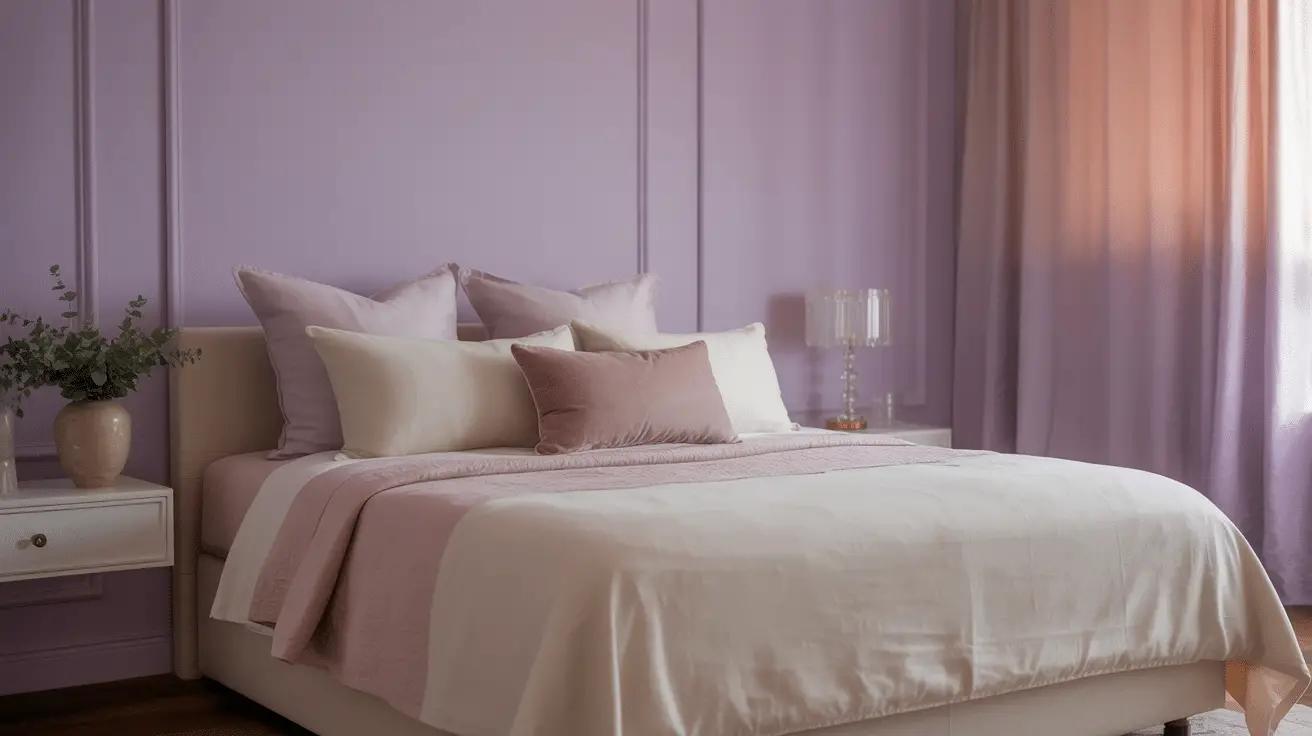
Selecting the ideal purple palette is the foundation of creating a relaxing and stylish bedroom. Purple is remarkably versatile, ranging from delicate lavender tones to rich eggplant shades. Softer purples—like lilac, lavender, and mauve—are best suited for calm, restful spaces because they pair well with neutrals and create a gentle, airy feeling. These tones work beautifully on walls, bedding, or curtains without overpowering the room.
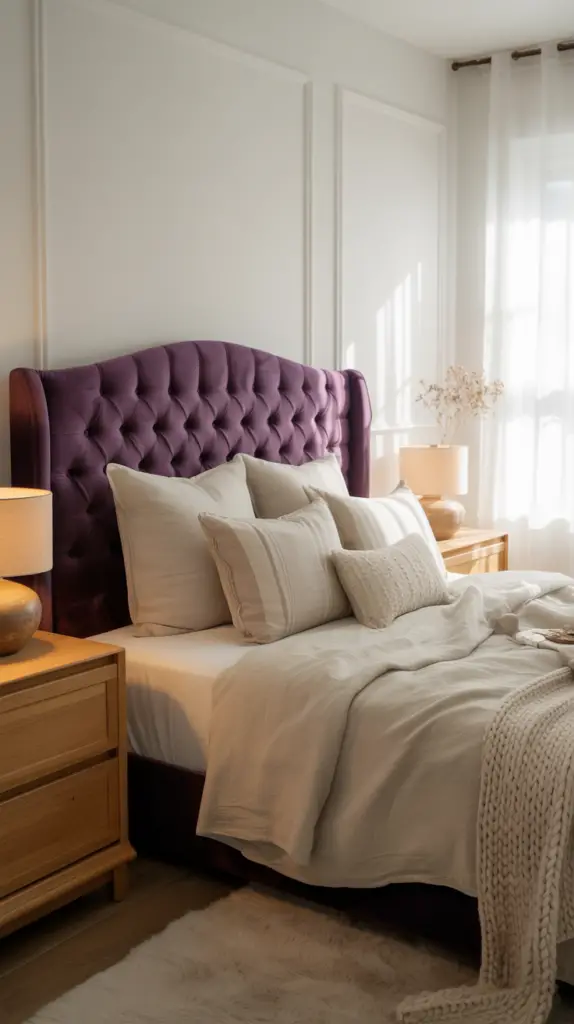
Medium purples such as plum or heather introduce more depth while still maintaining softness. These shades are excellent for accent walls, upholstered headboards, or area rugs, adding dimension without compromising tranquility. Deeper tones like aubergine or royal purple create a moody, luxurious environment when used sparingly. They pair well with metallics or warm woods, creating an elevated atmosphere.
Balancing purple with complementary colors ensures harmony. Neutrals like cream, taupe, white, grey, and warm beige help ground the palette, while gold or brass accents can introduce a glamorous touch. The goal is to create a blend that feels serene, cohesive, and visually soothing.
Purple Palette Guide
| Shade Level | Example Tones | Suggested Uses | Mood Created |
| Soft | Lavender, Lilac, Mauve | Walls, bedding | Calm & airy |
| Medium | Plum, Heather | Accents, textiles | Warm & balanced |
| Deep | Aubergine, Eggplant | Trim, décor | Luxurious & dramatic |
Using Texture and Materials to Enhance Purple Bedroom Serenity
Texture plays a major role in turning a purple bedroom into a soothing retreat. Soft, layered textures help balance the color’s richness while enhancing the room’s visual and tactile warmth. Fabric choices like velvet, linen, faux fur, and cotton all pair beautifully with purple tones. Velvet is especially impactful in deeper shades, adding a sense of luxury and depth, while linen brings a light, breathable texture ideal for airy lavender-based bedrooms.
Wood elements provide a grounding effect that prevents purple from feeling overly cold or bold. Light woods like maple or oak complement soft purples, whereas darker woods pair beautifully with plum and eggplant hues. Incorporating woven textures—such as rattan, seagrass, or cane—adds a natural, calming quality that enriches the room without overwhelming it.
Rugs also play a critical role. A plush rug in a warm neutral or a subtle purple pattern softens the space while creating additional layering. Even small accents like throw pillows, knitted blankets, or macramé wall hangings contribute to the overall relaxing feel.
Texture & Material Breakdown
| Material | Best Use | Effect on Space | Works Best With |
| Velvet | Pillows, headboards | Adds luxury | Deep purples |
| Linen | Bedding, curtains | Airy & clean | Soft purples |
| Wood | Furniture | Grounding warmth | All purple tones |
Lighting Strategies to Create a Calming Purple Atmosphere
Lighting can completely transform how purple appears in a bedroom. Because purple tones shift depending on warmth, brightness, and shadow, choosing the right lighting is essential for achieving a relaxing, stylish space. Soft, warm lighting is particularly effective for enhancing purples, as it prevents cooler tones from feeling stark or overly dramatic.
Ambient lighting sets the overall mood of the room. Warm LED bulbs (2700K–3000K) cast a gentle glow that deepens purple tones while maintaining a comforting ambiance. Overhead fixtures with diffused shades disperse light evenly, preventing harsh shadows that might alter how the purple appears. Drum pendants, fabric-covered lights, or frosted glass fixtures are ideal for creating a soft atmospheric glow.
Task lighting supports functionality while contributing to the soothing ambiance. Bedside lamps with fabric shades cast a warm, directional light perfect for reading. Sconces installed on either side of the bed create symmetry and elegance, helping highlight the room’s purple accents. Dimmer switches are a valuable addition, allowing you to control light intensity based on mood or time of day.
Accent lighting enhances depth and visual interest. LED strips behind headboards, under floating shelves, or around architectural details add a modern, calming touch. Fairy lights or soft string lighting introduce whimsy without overwhelming the décor. For a more sophisticated look, under-bed lighting or picture lights above art can softly illuminate without creating glare.
The key to lighting a purple bedroom is layering—combining ambient, task, and accent lights to achieve a harmonious, relaxing environment.
Lighting Layer Guide
| Lighting Type | Best Location | Effect | Why It Helps Purple |
| Ambient | Ceiling fixtures | Even glow | Enhances softness |
| Task | Bedside or desk | Focused use | Prevents shadows |
| Accent | Shelves, headboards | Visual interest | Adds depth & calm |
Furniture Choices That Support a Purple Bedroom’s Relaxing Style
Furniture sets the tone for how purple interacts with the space. To maintain relaxation, choose pieces with soft contours, natural finishes, and timeless silhouettes. Upholstered headboards in soft purple hues or neutral tones can anchor the room while adding comfort. Wood bed frames, especially those in warm or light finishes, complement purple beautifully and reduce any sense of heaviness.
Nightstands, dressers, and end-of-bed benches should be chosen based on both style and tone. Lighter finishes create an airy feel, while deeper wood tones pair well with bold purple accents. For a more modern approach, white or cream lacquered furniture adds contrast and keeps the room visually clean.
Minimalist furniture helps prevent the richness of purple from overwhelming the space. Opt for pieces with clean lines or subtle curves rather than ornate details. Incorporating cozy seating—such as a small upholstered chair in a complementary color—can elevate the room’s comfort level without compromising flow.
Furniture Harmony Table
| Furniture Type | Best Finish | Style Impact | Works Well With |
| Bed Frame | Light wood | Airy, natural look | Soft lavender |
| Upholstered Headboard | Mauve, cream | Cozy & elegant | Medium purples |
| Nightstands | Walnut, oak | Balanced warmth | Deep purple palettes |
Decor and Styling Details That Elevate Purple Bedroom Designs
Décor is where purple bedrooms truly come alive—transforming simple spaces into stylish, soothing retreats. Thoughtfully chosen accessories, artwork, and decorative details allow you to layer color and personality without overwhelming the room. The key is balance: using enough purple to make a statement while incorporating neutrals and natural tones to maintain harmony.
Start with bedding and textiles. A combination of purple and neutral bedding—such as lavender sheets, a cream duvet, and mauve throw pillows—creates a layered, luxurious feel. Patterns like soft florals, abstract watercolor prints, or subtle geometrics can introduce dimension while keeping the palette calm. A textured throw at the foot of the bed adds warmth and visual interest.
Wall décor should enhance the mood rather than conflict with it. Art featuring soft purple elements, botanical illustrations, or serene landscapes can pull the palette together beautifully. Mirrors framed in gold or wood reflect light and visually open the space, preventing darker purple shades from feeling closed in.
Decorative objects such as vases, candles, and sculpture pieces should be used strategically. Opt for materials like glass, ceramic, or brushed metal to introduce texture. Soft lavender or plum candles add both scent and color, supporting relaxation. Plants are another valuable addition—greenery pairs beautifully with purple, adding life and balance.
Rugs, curtains, and smaller styling items contribute to the room’s comfort. A neutral rug with hints of purple creates a cohesive foundation. Sheer curtains soften natural light, while blackout options support restful sleep. Layering these décor elements thoughtfully ensures that the room feels rich, cohesive, and calming.
Décor Layering Guide
| Décor Category | Suggested Style | Purpose | Effect |
| Bedding | Lavender + neutral mix | Warmth & layering | Soft elegance |
| Wall Art | Florals, abstracts | Visual cohesion | Adds calm focus |
| Decorative Objects | Glass, ceramic | Texture & charm | Enhances serenity |
Creating the Perfect Layout for a Calm, Functional Purple Bedroom
A relaxing purple bedroom needs a functional layout that supports rest and mindfulness. Layout influences how the room feels and flows, shaping the overall atmosphere. Start by placing the bed in the most stabilizing spot—usually opposite the door or centered on the main wall. This creates a balanced focal point that grounds the space and highlights the purple palette.
Ensure there’s enough space around the bed for movement. Nightstands should be within comfortable reach, and paths should be unobstructed. If you’re incorporating seating, place a small chair near a window or at the end of the bed to create a cozy reading nook without disrupting flow.
Storage is essential for maintaining serenity. Clutter can quickly overwhelm purple, making the room feel heavy. Choose storage solutions that blend with the palette—such as wicker baskets, neutral shelving, or wood dressers. Hidden storage under the bed or built-in closet organizers help keep surfaces clean and open.
Even in small rooms, symmetry helps promote calm. Matching lamps, balanced décor, and an evenly styled bed create visual harmony that enhances the relaxing vibe.
Purple Bedroom Layout Table
| Layout Element | Placement | Benefit |
| Bed Position | Center of main wall | Balanced focal point |
| Seating | Near window | Light-filled relaxation |
| Storage | Along side walls | Clear flow & calmness |
Conclusion
Designing a relaxing purple bedroom is about striking the perfect balance between color, texture, light, and layout. Whether you’re drawn to soft lavender tones or deeper plum hues, purple offers a unique ability to soothe the senses while adding refined elegance. By layering materials, choosing thoughtful lighting, selecting harmonious furniture, and styling with intention, you can create a bedroom that feels serene, inviting, and beautifully expressive. The result is a restful retreat that blends style with comfort in a way that feels both timeless and deeply personal.