
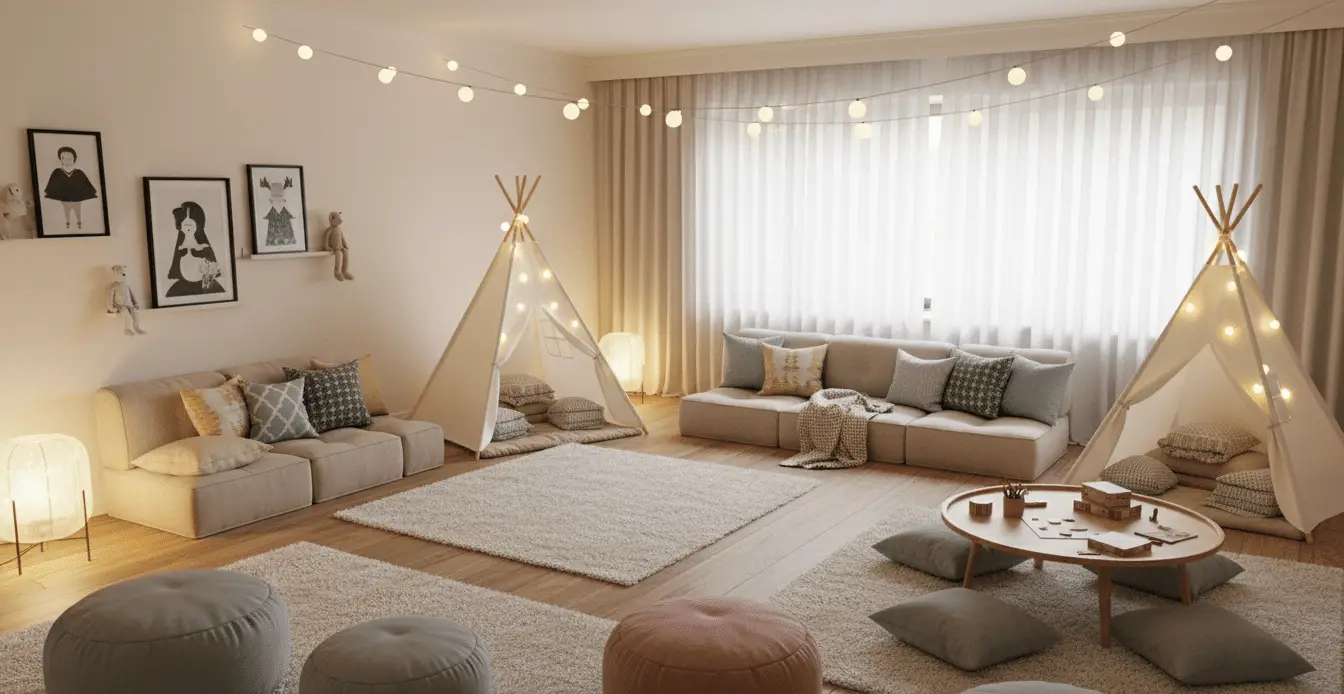
How to Design the Perfect Sleepover Room for Kids: Creative, Cozy, and Fun Ideas
Table of Contents
Introduction
Sleepovers are more than just childhood traditions—they’re memory-makers, confidence builders, and the perfect way for kids to bond with friends. Yet designing the ideal sleepover room can feel overwhelming, especially when you want a space that’s safe, cozy, fun, and functional all at once. Parents often struggle to balance comfort with practicality, wondering how to fit multiple kids in one room or how to keep the space organized while still making it magical. Fortunately, with thoughtful planning and a few clever design strategies, you can transform any room into an unforgettable sleepover haven.
Understanding how to design the perfect sleepover room for kids begins with considering how children use shared spaces. They need soft areas to lounge, surfaces for snacks and crafts, lighting that feels calming, and playful décor that sparks imagination. Whether you’re working with a large bonus room or a small bedroom, the right combinations of bedding, layout, and accessories can create a memorable environment that feels purposeful and intentional.
This guide breaks down everything you need to know—from creative sleeping arrangements to noise-free storage solutions, activity zones, and ambient lighting that supports late-night giggles and early-morning coziness. Each section includes practical strategies, helpful tables, and plenty of inspiration so you can build a sleepover room that kids will love returning to again and again.
Create a Flexible Layout That Can Host Multiple Kids Comfortably
Designing a sleepover room starts with understanding flow and flexibility. Kids move constantly—lounging, jumping, stretching, crafting, and occasionally sleeping—so the room must adapt to shifting energy levels. A flexible layout ensures the room never feels cramped, even when it’s hosting multiple children at once.
Start by clearing unnecessary furniture. Keep only versatile pieces—like lightweight ottomans, poufs, and small side tables—that can easily be moved. Open floor space becomes your most valuable asset during sleepovers, as it accommodates bedding, games, and late-night storytelling circles. Consider using foldable furniture or pieces with casters so kids can rearrange the layout themselves.
Zone planning is especially useful. Designate one area for sleeping, another for activities, and another for snacks or quiet time. This structure helps maintain order and prevents overcrowding in a single area. Position sleeping areas close together to promote bonding and late-night conversations, while keeping activity zones slightly separate to reduce noise overlap.
Flexible Layout Breakdown
| Layout Element | Recommended Approach | Benefit |
| Furniture | Remove bulky pieces; keep lightweight items | Increases usable open floor space |
| Zones | Sleeping, activities, snacks | Creates flow and reduces clutter |
| Mobility | Foldable or wheeled furniture | Kids can customize the space |
| Floor plan | Open center of room | Easier for bedding and play |
Choose Comfortable and Creative Sleeping Options
Sleeping arrangements are the heart of any sleepover room, and kids love variety. To design the perfect sleepover room for kids, offer multiple cozy options that make settling in feel like a treat rather than a logistical challenge. The key is comfort and creativity—not all bedding has to match, but the overall palette should feel cohesive.
Floor beds remain one of the most practical solutions. Soft foam mattresses, fold-out pads, or plush sleeping mats create a safe, comfortable sleeping surface. Layer them with fitted sheets, snuggly blankets, and themed pillows to add personality. If space is tight, consider stackable mattress pads or trifold futons that can be tucked away when not in use.
If you have room, daybeds or trundle beds are perfect for expanding sleeping capacity without dominant furniture. A trundle bed can slide out for sleepovers and back under the main bed to open up space for everyday life. For group sleepovers, teepees or indoor tents add an exciting element of adventure, turning bedtime into a fun activity. Even simple canopy drapes can make sleeping areas feel special.
The bedding experience should also consider temperature comfort. Provide breathable layers, soft throw blankets, and small pillows so each child can adjust their space to their liking.
Sleepover Bedding Options Table
| Sleeping Option | Ideal Use | Benefit |
| Floor mats | Large groups or small rooms | Flexible and space-saving |
| Trundle bed | Shared rooms | Expands sleeping space instantly |
| Teepee tents | Playful themed sleepovers | Adds excitement and coziness |
| Daybed | Everyday use + sleepovers | Stylish and functional |
Versatile sleeping options not only make the room feel welcoming, but they also set the tone for unforgettable nights filled with comfort and imagination.
Add Soft Lighting to Create a Magical Sleepover Atmosphere
Lighting shapes the mood of the entire sleepover experience. Harsh overhead lighting can make the space feel cold or overstimulating, while soft, layered lighting draws kids toward relaxation and cozy bonding. Designing the perfect sleepover room for kids means using illumination intentionally to create comfort and whimsical charm.
Start with warm-temperature lights. Table lamps, string lights, and soft bedside night-lights help create a soothing environment for winding down. String lights draped across the ceiling or around the bed area add just the right amount of sparkle. Battery-powered lanterns or LED candles offer safe, flicker-like ambience without risk.
Projector nightlights that cast stars or moving images on the ceiling are especially popular. They instantly transform a simple room into a magical sleepover adventure. These projectors also help kids who feel anxious sleeping away from home by providing distraction, comfort, and soft color.
Lighting placement matters. Keep brighter lights in activity zones and softer lights near sleeping areas. Encourage kids to turn off overhead lights and use lamps or twinkling accents instead for a calming nighttime effect.
Lighting Strategy Table
| Lighting Type | Best Use | Benefit |
| String lights | Ceiling or walls | Adds magic and soft glow |
| Table lamps | Reading or quiet zones | Creates warmth and focus |
| Night projectors | Ceiling ambiance | Comforts nervous sleepers |
| LED candles | Bedside or corners | Safe mood lighting |
Incorporate Fun Themes That Spark Imagination
Themes are powerful tools when designing a sleepover room because they transform ordinary spaces into immersive environments. Whether the theme is whimsical, adventurous, or cozy, a cohesive concept helps kids feel excited and engaged the moment they enter the room.
You don’t need elaborate décor to create a strong theme. Simple items like bedding sets, wall decals, throw pillows, rugs, and small accessories can tie everything together without overwhelming the room. For a nature-inspired sleepover, add forest-themed pillows, soft greens, leaf garlands, and tent structures. For a space theme, incorporate starry blankets, galaxy projections, and metallic accents. Even subtle themes—like boho chic or storybook adventures—can create mood and continuity.
Themed décor works especially well for recurring sleepovers, allowing you to build on the concept over time. Kids love returning to rooms that feel imaginative and purposeful. Involving your child in selecting the theme builds excitement and fosters ownership of the space.
Theme Ideas & Décor Guide
| Theme | Key Elements | Why Kids Love It |
| Nature/Forest | Green tones, tents, leaf décor | Feels calming and adventurous |
| Space Galaxy | Star lights, dark blues, planets | Inspires curiosity |
| Boho Cozy | Neutral tones, fringe pillows | Inviting and stylish |
| Storybook | Characters, whimsical prints | Encourages imagination |
Add Activity Zones to Keep Kids Entertained
A great sleepover is about more than just sleep—it’s about memorable experiences. Activity zones ensure kids stay entertained with options for play, creativity, and quiet moments. Even small rooms can incorporate fun zones with intentional placement and compact accessories.
A craft zone can include a small table with crayons, coloring books, stickers, and drawing supplies. Place baskets beneath the table to keep materials organized and accessible. A game zone might have board games, card decks, or puzzles stacked neatly in bins. Soft seating, such as poufs or beanbags, creates an inviting space for group activities.
Reading corners are another excellent addition. A soft rug, a basket of books, and a pillow fort or canopy provide a quiet escape for kids who want downtime. If space allows, a low shelf with accessible toys encourages cooperative play.
The key is keeping each zone small but purposeful. Zoning reduces chaos and helps kids transition smoothly between activities without overwhelming the room.
Activity Zone Planner
| Zone Type | Essential Items | Purpose |
| Craft area | Table, art supplies | Encourages creativity |
| Game spot | Board games, floor seating | Promotes bonding and fun |
| Reading nook | Rug, canopy, books | Offers calm and comfort |
| Play space | Accessible toys | Supports movement and imagination |
Include Smart Storage to Keep Sleepover Essentials Organized
Sleepovers come with accessories—pajamas, stuffed animals, blankets, snacks, chargers, overnight bags—which means storage plays a vital role in keeping the room neat and functional. Good storage doesn’t just enhance the room’s appearance; it also teaches kids helpful organizational habits.
Start with easily accessible storage. Floor-level bins, fabric cubes, or woven baskets allow kids to unpack their things quickly. Labeling storage bins can help each child keep track of their belongings during the sleepover. Under-bed storage is ideal for extra blankets, spare pillows, and backup sleeping mats.
If the sleepover room will be used regularly, consider adding a designated “sleepover drawer” for items such as extra toothbrushes, socks, nightlights, and small toiletries. Wall shelves keep breakables or decorative items out of reach while freeing floor space. Hooks are perfect for hanging backpacks or robes.
Snack storage should also be considered. A small cart or tray with water bottles, napkins, and pre-packaged snacks ensures convenience while minimizing mess.
Sleepover Storage System Table
| Storage Type | Best Use | Benefit |
| Floor bins | Overnight bags, stuffed animals | Easy access for kids |
| Under-bed storage | Blankets, pillows, mats | Keeps large items hidden |
| Wall shelves | Décor, books | Free floor space |
| Snack station | Water, snacks | Encourages independence |
Smart storage ensures the sleepover room stays tidy and harmonious, even during high-energy events.
Add Cozy Textures and Soft Materials for Safety and Comfort
Soft materials are essential in creating the perfect sleepover room. Kids spend much of their time on the floor during sleepovers—playing games, whispering secrets, or relaxing—so comfortable textures are a must. Layered rugs, plush blankets, fuzzy pillows, and soft seating add warmth and reduce noise.
Choose materials that are machine-washable and durable. Microfiber, cotton blends, and performance fabrics resist stains while maintaining softness. Rugs should have a thick pile or foam backing to cushion falls and make the floor more inviting.
Even simple additions—like a fluffy throw across a daybed or a pile of oversized floor pillows—can transform the room. Textures help define zones, support safety, and create a warm, child-friendly atmosphere.
Texture Planning Table
| Material | Best Use | Benefit |
| Plush rugs | Activity zones | Comfort + sound dampening |
| Soft blankets | Sleeping area | Warmth and coziness |
| Floor pillows | Play spaces | Flexible seating |
| Performance fabrics | High-traffic areas | Durable and easy to clean |
Conclusion
Designing the perfect sleepover room for kids is all about intention, creativity, and comfort. By developing a flexible layout, offering cozy sleeping options, using soft and playful lighting, incorporating imaginative themes, creating activity zones, and ensuring smart storage, you build a space that supports bonding, fun, and restful nights. Every detail—from textures to themes—plays a role in crafting an environment where children can make lasting memories. No matter the size or style of the room, thoughtful design can turn any space into a magical sleepover haven.