
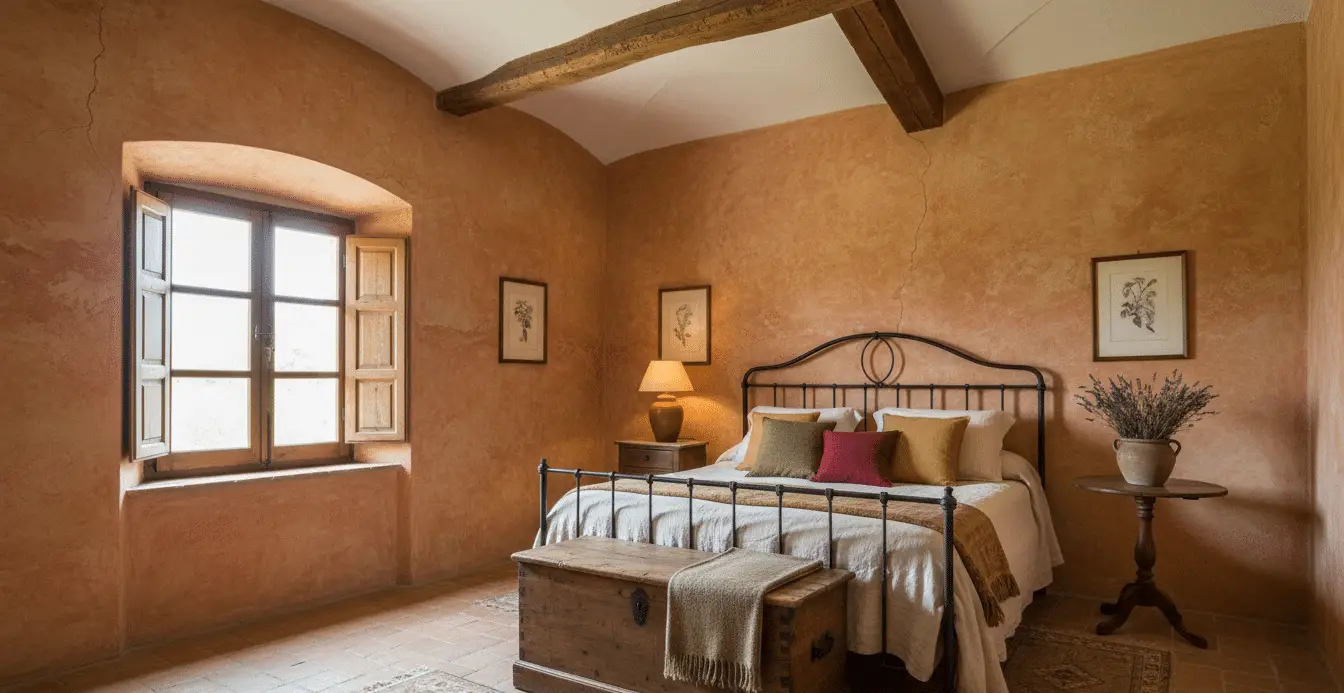
How to Style a Tuscan Bedroom Using Classic Decor for a Warm and Timeless Look
Table of Contents
Introduction
There’s a reason Tuscan-inspired interiors continue to captivate homeowners, designers, and travelers alike. Studies in environmental psychology show that warm, earthy tones—like those found in traditional Italian decor—can significantly increase feelings of comfort and emotional grounding in a space. This is exactly why the Tuscan bedroom has become a timeless favorite for anyone seeking a restful, Old-World retreat that feels both luxurious and inviting.
Tuscan interior design celebrates natural textures, rich colors, artisanal craftsmanship, and a sense of lived-in warmth. Far from being trendy or fleeting, this style draws from centuries-old traditions rooted in the rolling countryside, terracotta rooftops, olive groves, and sunlit villas of Italy. For the bedroom—one of the most personal and restorative spaces in the home—this aesthetic offers a sanctuary that exudes calm and understated elegance.
In this guide, you’ll learn how to style a Tuscan bedroom using classic décor principles, including color palettes, furniture choices, textiles, wall finishes, architectural details, and lighting. You’ll uncover practical ways to bring authentic Tuscan charm into your own home, regardless of your room size or budget. Whether you’re dreaming of wrought iron accents, rustic wood beams, or soft linen bedding, this post will walk you step-by-step through creating a bedroom that feels timeless, soulful, and undeniably Italian.
Embracing the Traditional Tuscan Color Palette
A foundational part of styling a Tuscan bedroom is selecting a color palette that reflects the warmth and richness of the Italian countryside. Tuscan design is rooted in earthy, sun-washed tones—colors inspired by vineyard soil, golden sunsets, terracotta clay, and olive leaves. Unlike cooler modern palettes, Tuscan bedrooms thrive on warmth, depth, and natural variation. These tones create an atmosphere that feels both timeless and soothing, making the bedroom a deeply inviting place to rest.
Begin with foundational hues such as warm beige, soft caramel, burnt sienna, muted gold, and terra cotta. These colors can be used on walls, textiles, and accent pieces to create a cohesive and layered look. A slightly distressed or textured finish enhances authenticity, simulating the charm of centuries-old Italian villas.
To balance the richness, pair these warm colors with subtle cooler accents such as sage green or dusty olive. These tones echo the Italian landscape and prevent the palette from feeling too heavy. The magic of Tuscan decor lies in its interplay of warmth and nature, making your bedroom feel grounded and harmonious.
Tuscan Color Palette Breakdown
| Color Tone | Atmosphere | Best Use |
| Warm beige | Soft + creamy | Walls, bedding |
| Terracotta | Earthy + rustic | Accent walls, pottery |
| Burnt sienna | Rich + historic | Furniture accents |
| Sage green | Fresh + natural | Plants, fabrics |
Choosing Classic Tuscan Furniture for a Timeless Look
Tuscan bedroom furniture is known for its craftsmanship, durability, and unmistakable Old-World charm. Think heavy wood bed frames, wrought iron details, carved nightstands, and substantial dressers that feel like heirlooms passed down through generations. These pieces anchor the room with a sense of history and permanence, contrasting beautifully with the softness of textiles and lighting.
Start with a bed that serves as the centerpiece. A wrought iron bed adds authentic Mediterranean character with its curves and intricate scrollwork. If you prefer wood, opt for dark, rich tones—walnut, mahogany, or chestnut—with hand-carved details or gently distressed finishes. These materials evoke the artisanal craftsmanship found throughout Italy.
Complement the bed with wooden nightstands and dressers that feature substantial silhouettes. Avoid overly modern or ornate styles; Tuscan furniture celebrates simplicity with depth, focusing on texture and quality over embellishment. To bring authenticity into the room, incorporate small rustic touches like leather drawer pulls, iron hardware, or aged finishes.
In a true Tuscan home, furniture feels grounded and connected to nature. This is why solid, heavyweight materials are essential to capturing the style’s essence.
Furniture Selection Guide
| Furniture Type | Key Feature | Why It Works |
| Wrought iron bed | Intricate scrollwork | Adds Italian charm |
| Carved wooden dresser | Rich grain detail | Feels handcrafted |
| Solid nightstands | Weight + structure | Grounds the space |
Incorporating Rustic Textures and Natural Materials
A Tuscan bedroom comes to life through its rich textures and natural materials—each one contributing to a layered, earthy, and tactile environment. These elements mimic the charm of old Italian farmhouses, where stone, wood, and natural fibers are appreciated for their beauty and practicality. When combined thoughtfully, these textures create a bedroom that feels warm, lived-in, and deeply rooted in nature.
Start with wood, one of the most defining Tuscan materials. Choose pieces with visible grain, knots, and slight imperfections, as these details evoke authenticity. Beams, wooden headboards, and rustic seating accents all contribute to that pastoral charm. Aged finishes or lightly distressed surfaces beautifully echo the look of traditional Italian homes.
Stone is another essential material. While you may not incorporate full stone walls, you can add smaller stone elements like terracotta pots, marble trays, or travertine lamps. These introduce natural weight and visual grounding. Even a stone-look ceramic vase can bring the essence of Tuscan design into modern homes.
Fabrics also play a significant role. Natural linens, cottons, and wool blankets add softness and a sense of understated luxury. Look for bedding in muted colors that complement the earthy palette. Handwoven throws or textured pillows layered on the bed create depth without overwhelming the senses.
To tie everything together, consider using woven baskets, clay pottery, or wrought iron accessories. These small additions add personality while staying true to the rustic yet refined aesthetic.
Natural Material Inspiration Table
| Material | Texture Type | Ideal Use |
| Wood | Raw + distressed | Furniture, beams |
| Stone | Smooth + earthy | Pottery, trays, accents |
| Linen | Soft + breathable | Bedding, curtains |
| Clay | Matte + handcrafted | Vases, bowls |
Enhancing the Room with Tuscan-Inspired Textiles
Textiles are essential in capturing the cozy, sun-warmed feel of a Tuscan bedroom. Unlike contemporary minimalism, this design style favors layered fabrics with depth, warmth, and artisanal sensibility. The right combination of bedding, drapes, and accent textiles can elevate a simple space into something rich and inviting.
Start with bedding that feels textured yet breathable. Linen is one of the most iconic fabrics for Tuscan style due to its organic appearance and soft drape. Choose colors within the classic palette—cream, muted gold, terracotta, or soft olive. Layer quilts, throws, and pillows to add visual interest and cozy dimension.
Curtains should enhance the room’s ambiance rather than dominate it. Light, flowing drapes in linen or cotton allow natural sunlight to warm the room while maintaining softness. Avoid heavy, overly luxe fabrics that feel more Victorian than Tuscan. Instead, choose materials that move naturally and complement rustic surroundings.
Rugs also contribute to the Tuscan aesthetic. A distressed, woven rug or traditional Italian-inspired pattern helps ground the room and bring comfort underfoot. Aim for warm earth tones that echo the home’s architectural elements.
Textile Layering Guide
| Textile | Style Benefit | Best Placement |
| Linen bedding | Breathable + natural | Bed layers |
| Woven rug | Adds warmth | Underfoot anchor |
| Soft drapes | Enhances sunlight | Windows |
Adding Architectural Details for Authentic Tuscan Charm
Tuscan style shines brightest when architectural details are thoughtfully incorporated. These elements are subtle yet powerful, helping the bedroom feel connected to the centuries-old villas that inspired the design. You don’t need a complete renovation to achieve this look—small structural enhancements can dramatically transform the room.
Begin with the ceiling. Exposed wooden beams are the hallmark of Tuscan architecture. If real beams aren’t possible, faux wood beams provide a similar effect with far less installation complexity. Their raw, aged appearance instantly adds warmth and authenticity.
Walls also offer opportunities for transformation. Venetian plaster, textured paint, or distressed finishes can give your bedroom the sun-baked character of Italian villas. These treatments add depth and elegance, even in modern homes. For a subtler approach, incorporate arched wall niches or curved headboard designs that echo Mediterranean forms.
Flooring is another area where Tuscan influence shines. Wood or stone floors work beautifully with this style, especially when paired with warm-toned rugs. Terracotta tiles—though less common in bedrooms—can still be incorporated through accent pieces or decorative displays.
Smaller architectural details, like wrought iron curtain rods or carved wood trim, reinforce the Tuscan aesthetic without overwhelming the room. These elements contribute to a cohesive environment where each detail feels intentional.
Architectural Detail Table
| Feature | Impact | Best Integration |
| Wood beams | Adds rustic structure | Ceiling focal point |
| Textured walls | Enhances warmth | Entire room or accent wall |
| Iron details | Brings visual contrast | Drapery rods, light fixtures |
Lighting the Space with Warm Mediterranean Ambiance
Tuscan bedrooms rely heavily on warm, atmospheric lighting to evoke the glow of Italian evenings. Lighting determines mood, emphasizing the earthy textures and rich colors that define the style. Instead of harsh overhead lights, Tuscan design favors layered, gentle illumination.
Start with soft ambient lighting—warm-toned bulbs, wall sconces, or shaded lamps. These create a gentle glow that enhances the room’s rustic finishes. Iron or bronze fixtures work especially well, as their dark, weathered appearance adds contrast and character.
For depth, incorporate task lighting on nightstands or in reading corners. Choose lamps with stone, clay, or textured ceramic bases that reflect natural materials. The goal is to illuminate without disrupting the intimate ambiance.
Accent lighting can also play a role. Small iron lanterns, candles, or LED candle alternatives bring the romantic charm of Tuscan evenings. These subtle touches create a layered lighting experience that feels cozy, refined, and distinctly Mediterranean.
Lighting Style Breakdown
| Light Type | Purpose | Tuscan Style Advantage |
| Ambient lighting | Overall glow | Enhances warmth |
| Task lighting | Function + clarity | Adds charm |
| Accent lighting | Mood setting | Creates intimacy |
Incorporating Classic Tuscan Wall Art and Decorative Accents
Wall art plays an important role in capturing the culture and beauty of Tuscany. Instead of contemporary prints or abstract styles, Tuscan décor emphasizes art that reflects landscapes, vineyards, classic architecture, or religious iconography. These pieces turn the bedroom into a celebration of Italian artistry.
Choose artwork featuring warm, earthy tones to maintain palette cohesion. Framed vineyard landscapes, sketches of old stone villas, or paintings of olive branches make ideal wall décor. Opt for distressed frames or antique finishes that echo the rustic furniture in the room.
Decorative accents also contribute to the atmosphere: terracotta pots, wrought iron mirrors, ceramic bowls, and carved wood sculptures all reinforce the Old-World charm. The key is thoughtful placement—each object should feel integrated, not cluttered.
Decorative Accent Guide
| Accent Type | Style Role | Placement |
| Landscape art | Adds cultural depth | Above bed or dresser |
| Terracotta pots | Brings earthy texture | Nightstands, shelves |
| Iron mirrors | Adds rustic elegance | Opposite windows |
Conclusion
Styling a Tuscan bedroom using classic décor involves more than selecting the right furniture or color palette—it’s about creating an atmosphere of warmth, history, and timeless beauty. Through earthy tones, rustic textures, handcrafted materials, and thoughtful architectural details, you can transform your bedroom into a restful sanctuary inspired by the rolling hills and aged stone villas of Italy. A Tuscan-inspired space celebrates imperfection, natural elements, and Old-World craftsmanship, inviting you to slow down and savor the charm woven into every detail.