
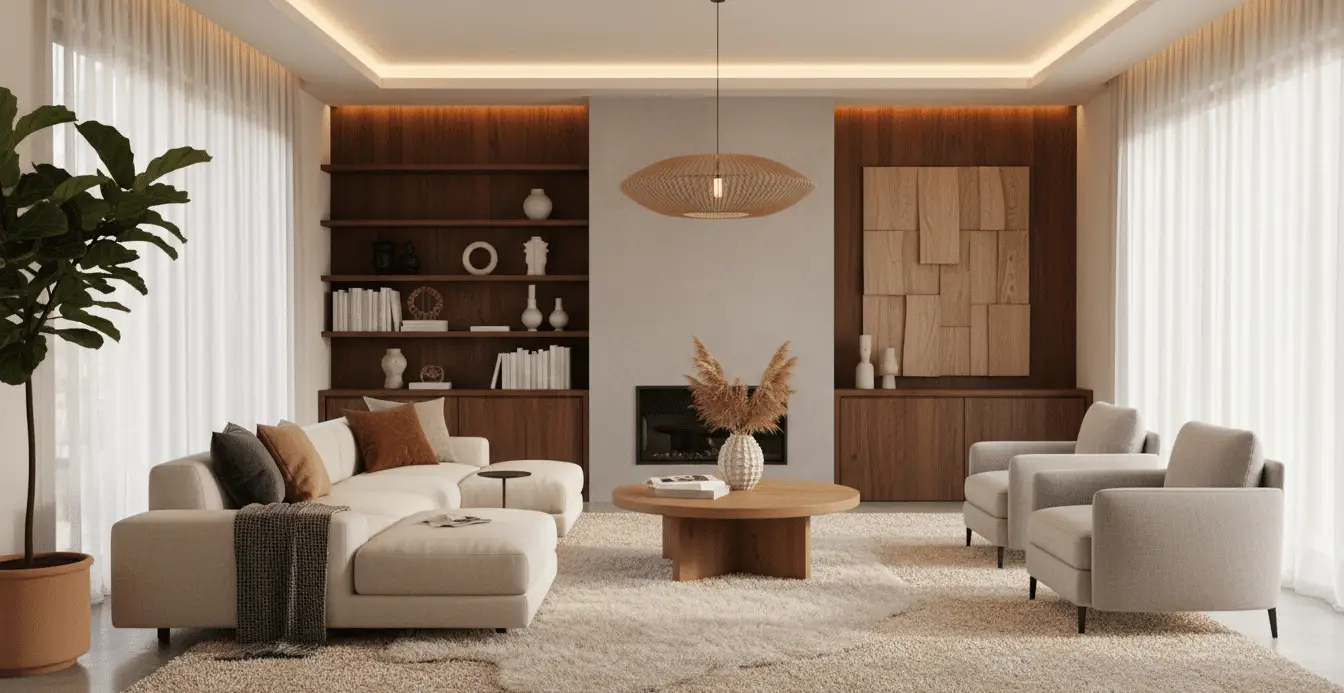
Layered Living Room Rug Ideas for Depth and Texture to Elevate Your Home Design
Table of Contents
Introduction
Layering rugs in the living room has become one of the most impactful design trends, offering an effortless way to add depth, warmth, and dynamic texture to a space. Recent interior design surveys reveal that more than 60% of homeowners now use at least two rugs in their primary living areas to create visual dimension and personalize the aesthetic. Yet many people still feel unsure about how to combine shapes, patterns, materials, and sizes without overwhelming the room. If that sounds familiar, you’re not alone—layered rugs may look natural in curated homes, but behind the scenes, there’s a thoughtful strategy guiding each combination.
This design approach matters because rugs dramatically influence how a living room feels and functions. They anchor furniture, define zones, soften acoustics, and enhance comfort. When layered correctly, they bring richness and character that a single rug can’t achieve. Layered rug styling is also highly adaptable—you can mix vintage with modern, neutral with bold, and natural fibers with plush textures to reflect your personal style.
In this article, you’ll explore practical and inspiring layered living room rug ideas for depth and texture. We’ll walk through foundational layering techniques, mix-and-match guidance, textural combinations, budget-friendly approaches, and creative layout strategies used by designers. By the end, you’ll feel confident crafting a layered rug look that transforms your living room into a warm, visually captivating space.
Using Large Base Rugs to Anchor the Living Room Layout
A successful layered rug design begins with choosing the right base rug—the foundational piece that defines your living room layout. Typically, this rug is large, neutral, and spacious enough to accommodate most or all of your furniture. Designers rely on oversized natural fiber rugs such as jute, sisal, or flatweave wool because they provide a subtle backdrop without stealing attention from the top layer. These rugs ground the room, unify seating areas, and create the first layer of depth.
The base rug should be at least large enough for the front legs of your sofa and chairs to rest comfortably on it, though many modern living rooms benefit from even larger dimensions. A generously sized base rug also helps visually expand smaller spaces by drawing the eye outward. Neutral tones are usually preferred here—beige, sand, cream, gray, or light brown—because they allow the top rug to shine without competing for focus.
This foundational rug introduces texture before color or pattern. Even a simple, natural fiber surface adds noticeable depth, especially when contrasted with a plush or patterned rug layered above it. The base layer also softens sound, making the living room feel cozy and grounded.
Base Rug Sizing Guide
| Room Size | Ideal Base Rug Size | Effect on Space |
| Small (10×12) | 8×10 | Creates cohesion without crowding |
| Medium (12×16) | 9×12 | Anchors seating arrangement |
| Large (14×18+) | 10×14 or larger | Expands visual boundaries |
Layering Rugs of Different Textures for Rich Visual Depth
One of the most powerful ways to add dimension to a living room is through contrasting textures. The tactile quality of rugs dramatically influences the mood of a space, and layering allows you to blend multiple textures for visual and sensory richness. For example, pairing a tightly woven jute rug with a high-pile Moroccan-style rug creates a beautiful contrast that feels both structured and cozy. This combination is especially effective in contemporary and bohemian-inspired interiors where warmth and personality are key design goals.
Texture layering also helps regulate the atmosphere of the room. Natural fibers such as sisal or jute introduce organic warmth and subtle patterning, while wool piles add softness and comfort underfoot. Faux fur or shag rugs bring luxurious plush texture, ideal for accent areas like reading corners or the center of a conversation space.
Another benefit of mixing textures is their ability to highlight furniture. Smooth leather sofas, soft linen upholstery, and metal or wood coffee tables all stand out more when contrasted with complementary rug textures below. The layered look adds depth without clutter, giving the living room a curated and intentional feel.
Texture Layering Breakdown
| Texture Type | Pairs Well With | Ideal Use |
| Jute / Sisal | Wool, shag, kilim | Base layer with structured warmth |
| Wool Flatweave | Plush wool, shag | Mid-layer to soften harder textures |
| Plush / Shag | Natural fibers | Top layer for comfort & luxury |
| Kilim / Woven | Neutral flatweaves | Adds pattern and cultural depth |
When layering textures, scale matters too. A thicker rug should typically sit on top so the room feels balanced, while thin flatweaves or jute pieces form the foundational layer. This hierarchy ensures the combination looks intentional and polished. Lighting also plays a role—textured rugs come alive under natural or soft ambient lighting, revealing subtle shadows and tactile surfaces that enrich the space.
Mixing Patterns and Colors for a Curated, Collected Look
Layering rugs provides an opportunity to introduce bold personality through patterns and colors. This is where the living room begins to take on a truly curated appeal. Pattern mixing works best when the base rug remains neutral, creating a calm canvas for the top rug’s design. Whether geometric, vintage Persian, abstract, or tribal-inspired, a patterned top rug becomes the focal point of the layered arrangement.
The key to mixing patterns is maintaining consistency in tone or theme. For example, soft earth-tone patterns pair beautifully with natural fiber base rugs, while monochrome or cool-toned designs elevate modern interiors. Color repetition across the room—through pillows, throws, or wall art—helps create cohesion and makes the rug layering feel seamless.
Scale also plays an important role. If the base rug has subtle texture, choose a patterned rug with larger, bolder motifs. If the top rug is already visually busy, the surroundings should remain simple so the room doesn’t feel cluttered.
Pattern & Color Pairing Guide
| Base Rug Color | Top Rug Style | Overall Effect |
| Beige / Cream | Bold geometric | Sharp contrast & modern appeal |
| Gray | Muted Persian pattern | Sophisticated, layered richness |
| Natural jute | Colorful kilim | Warm, global-inspired design |
| Off-white | Black and white patterns | Clean, contemporary impact |
Pattern layering enhances depth by drawing the eye upward from the base layer to the secondary rug, creating movement across the floor. It is a simple yet impactful way to introduce artistry and flair.
Using Shape Contrast to Add Movement and Style
Shape is an often overlooked yet highly effective design element when layering rugs. Most living rooms feature rectangular layouts, so introducing a circular, oval, or irregular-shaped rug adds movement and breaks up rigid lines. This shift in geometry instantly creates visual interest and gives the living room a more dynamic, designer-inspired feel.
A popular method involves placing a round rug on top of a large rectangular base rug. The round rug softens the space, enhances flow, and highlights central seating arrangements. This combination works especially well under coffee tables, creating a gentle focal point that pulls the room together.
Irregular, organic shapes—such as hide rugs—introduce a more relaxed and artistic quality. Their free-form edges help soften the structure of the base rug and add natural texture. Similarly, a runner rug layered diagonally over a rectangular rug can create a sense of movement or define pathways within the living room.
Rug Shape Strategy Table
| Shape Combination | Best Rooms For | Design Effect |
| Rectangular + Round | Modern, minimal | Adds softness & focal balance |
| Rectangular + Hide Rug | Rustic, boho, eclectic | Organic texture and movement |
| Large Rectangle + Runner | Long or narrow spaces | Guides flow & zoning |
Shape contrast enhances depth by shifting the viewer’s visual expectations, making the space feel dynamic rather than predictable.
Seasonal Layering Strategies for a Flexible Living Room Design
Layered rugs also offer incredible flexibility for seasonal transitions. By adjusting textures, colors, and thicknesses, you can shift the entire atmosphere of your living room to suit warmer or cooler months. This makes rug layering not just stylish, but also highly practical.
In colder seasons, plush textures such as wool, shag rugs, or thick knotted designs serve as the top layer, adding warmth and insulation. These textures are comforting underfoot and visually richer, making the living room feel cozier. Combined with warm accent colors—rust, burgundy, or mustard—the room instantly becomes a winter retreat.
During warmer seasons, swap the top layer for lighter materials like cotton flatweaves, thin kilims, or woven rugs with breathable fibers. Their airy textures prevent the room from feeling too heavy while still maintaining the layered aesthetic.
Seasonal Layering Guide
| Season | Top Rug Type | Resulting Ambiance |
| Winter | Plush wool or shag | Warm, cozy, rich |
| Fall | Woven kilim or mid-pile wool | Earthy depth |
| Spring | Light flatweave | Fresh, airy texture |
| Summer | Thin cotton or natural fiber | Bright, breathable feel |
Seasonal swaps keep your living room visually interesting year-round while extending the lifespan of each rug.
Layering Rugs on a Budget Without Sacrificing Style
Layered rug styling doesn’t have to be expensive. With thoughtful planning, you can achieve a designer look while staying budget-conscious. Start by investing in an affordable, durable base rug. Jute and sisal rugs are cost-effective, come in large sizes, and serve as excellent foundations. Their neutral tones pair well with nearly any style of top rug.
For the top layer, consider vintage-inspired machine-made rugs, small accent rugs, or secondhand finds. Because this rug is smaller, you can experiment with bolder patterns or colors without committing to a full-room investment. Layering smaller rugs over larger ones also stretches your budget’s visual impact.
Another strategy involves using rugs you already own. By placing an older patterned rug over a newer neutral base rug, you refresh the look without buying new pieces. Repurposing rugs from other rooms can also bring new energy into the living room.
Budget Layering Approaches
| Budget Level | Suggested Combo | Design Impact |
| Low | Jute base + small flatweave | Clean and simple layering |
| Medium | Sisal base + patterned accent | Polished and expressive |
| High | Wool base + handwoven top rug | Luxurious depth and texture |
Budget layering proves that great design comes from creativity, not cost.
Conclusion
Layering rugs in the living room is an artful way to introduce depth, dimension, and personality into your home. By starting with a foundational base rug, incorporating textures, exploring patterns, and experimenting with shapes, you can create a visually rich design that feels both warm and intentional. Seasonal and budget-conscious strategies add versatility, making layered rug styling accessible for any home.
Ultimately, layered rugs offer an adaptable and expressive design tool, allowing you to refresh your living room’s look as often as you like. Through thoughtful combinations of materials, colors, and layout techniques, you can transform your living room into a beautifully textured, inviting space filled with character and depth.