
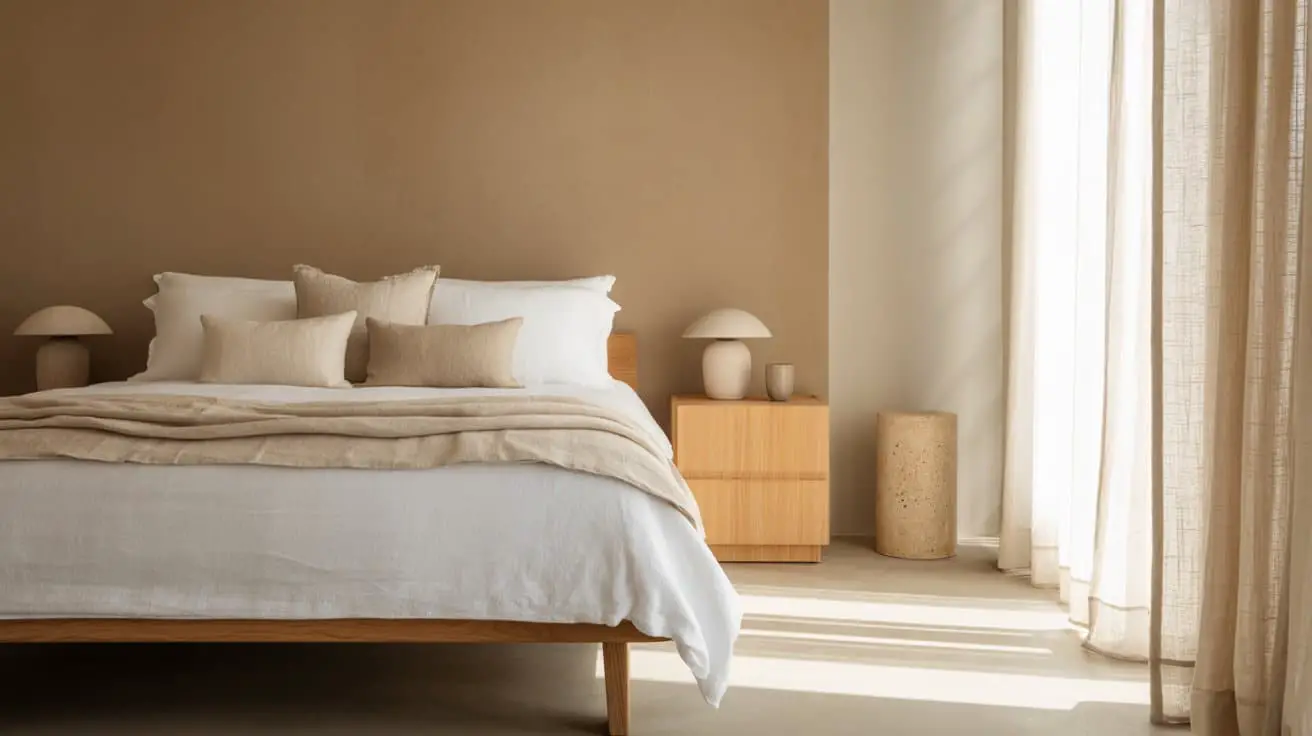
Minimalist Bedroom Ideas with Stunning Neutral Decor for a Calm and Elegant Space
Table of Contents
Introduction
Did you know that cluttered environments can increase stress levels and disrupt sleep quality? In contrast, minimalist spaces—especially bedrooms—have been shown to promote relaxation, clarity, and better rest. This is why minimalist bedroom ideas with stunning neutral decor have become so popular in modern interior design. They offer more than just aesthetic appeal—they create a sense of peace.
A minimalist bedroom is not about emptiness; it’s about intention. Every element has a purpose, and every detail contributes to a calm and cohesive atmosphere. Neutral decor plays a crucial role in this design approach. Soft tones like beige, ivory, taupe, and warm gray create a soothing backdrop that feels both elegant and timeless.
In this guide, you’ll explore minimalist bedroom ideas that combine simplicity with sophistication. From choosing the right color palette to layering textures, selecting furniture, and incorporating lighting, each section is designed to help you create a bedroom that feels balanced and inviting. Whether you’re redesigning your space or starting fresh, these ideas will help you achieve a bedroom that is both visually stunning and deeply calming.
Choosing a Neutral Color Palette That Feels Warm and Balanced
The foundation of minimalist bedroom ideas with stunning neutral decor begins with the right color palette. Neutral tones are not just about white walls—they are about creating depth through subtle variations. A well-balanced palette can make your bedroom feel calm, cohesive, and visually refined.
Start by selecting a base color such as soft white, cream, or light beige. This sets the tone for the entire room. From there, layer complementary shades like taupe, warm gray, or muted brown. These tones work together to create a sense of harmony without overwhelming the space.
Lighting plays a key role in how neutral colors appear. Natural light enhances softer tones, while warm artificial lighting can deepen richer shades. This interaction helps maintain a cozy yet elegant atmosphere throughout the day.
Avoid stark contrasts. Instead, focus on gentle transitions between shades to keep the design smooth and cohesive. Even small accents—like cushions or decor—should align with the overall palette.
| Color Tone | Effect | Best Use |
| Soft White | Clean and airy | Walls and bedding |
| Beige | Warm and inviting | Furniture and rugs |
| Taupe | Balanced depth | Accent elements |
| Warm Gray | Modern and calm | Decorative details |
Selecting Minimalist Furniture That Enhances Simplicity
Furniture in a minimalist bedroom should be both functional and visually light. The goal is to avoid overcrowding while ensuring that every piece serves a purpose. Clean lines, simple forms, and high-quality materials define this approach.
A low-profile bed is often the centerpiece of a minimalist bedroom. It creates a grounded and open feel, making the room appear larger. Nightstands should be simple and uncluttered, offering just enough space for essentials.
Storage is another important consideration. Built-in or hidden storage solutions help maintain a clean look while keeping the space organized. Choosing furniture with subtle textures or natural finishes adds warmth without introducing visual noise.
| Furniture Piece | Purpose | Tip |
| Low Bed Frame | Main focal point | Keep design simple |
| Nightstands | Functionality | Avoid clutter |
| Wardrobe | Storage | Use built-in options |
| Bench | Adds utility | Place at bed end |
Layering Textures for Depth in Minimalist Bedroom Ideas
While minimalist design focuses on simplicity, texture is what prevents the space from feeling flat or cold. Layering different materials adds depth and interest while maintaining a neutral palette.
Start with foundational textures such as smooth walls and soft bedding. Add layers through rugs, throws, and cushions. Materials like linen, wool, cotton, and wood work beautifully together, creating a rich yet understated look.
Mixing textures should feel intentional. Pair soft fabrics with natural materials like wood or stone to create contrast. Even subtle details, like the weave of a blanket or the grain of a wooden table, contribute to the overall aesthetic.
| Texture Element | Effect | Example |
| Linen | Soft and breathable | Bedding |
| Wool | Cozy and warm | Rugs |
| Wood | Natural warmth | Furniture |
| Cotton | Light and simple | Curtains |
Creating a Clutter-Free Layout That Promotes Calm
One of the most essential aspects of minimalist bedroom ideas is maintaining a clutter-free layout. A clean and open space allows the mind to relax and creates a sense of order that enhances overall well-being.
Begin by removing unnecessary items. Every piece in the room should have a purpose. This doesn’t mean the space should feel empty—it should feel intentional. Keeping surfaces clear and organized helps maintain visual calm.
Furniture placement also plays a role. Arrange pieces in a way that allows for easy movement and open space. Avoid blocking natural light or overcrowding the room with too many elements.
Storage solutions should be discreet. Hidden storage keeps belongings out of sight while maintaining accessibility. The result is a bedroom that feels both functional and serene.
| Layout Element | Benefit | Tip |
| Open Space | Enhances calm | Avoid overcrowding |
| Clear Surfaces | Reduces stress | Limit decor |
| Smart Storage | Keeps tidy | Use hidden options |
| Balanced Layout | Improves flow | Arrange thoughtfully |
Using Lighting to Enhance Minimalist Bedroom Ideas with Neutral Decor
Lighting is one of the most underrated elements in minimalist bedroom design, yet it plays a crucial role in shaping the atmosphere. When working with neutral decor, lighting becomes even more important because it influences how colors, textures, and materials are perceived. The right lighting can transform a simple room into a calming and elegant retreat.
Natural light should always be the starting point. Large windows, sheer curtains, and uncluttered spaces allow daylight to flow freely into the room. This enhances the softness of neutral tones and makes the space feel open and airy. If your bedroom lacks natural light, using mirrors strategically can help reflect and amplify brightness.
Layered lighting is key to achieving balance. Ambient lighting provides overall illumination, while task lighting—such as bedside lamps—adds functionality. Accent lighting can highlight specific elements like artwork, textured walls, or architectural details. Combining these layers ensures that the room feels warm and adaptable at any time of day.
Warm lighting is particularly effective in neutral bedrooms. It softens the overall look and prevents the space from feeling too stark. Choosing fixtures with simple designs and natural materials keeps the aesthetic consistent with minimalist principles.
| Lighting Type | Purpose | Best Placement |
| Natural Light | Brightens space | Windows |
| Ambient Light | General illumination | Ceiling |
| Task Light | Functional use | Bedside |
| Accent Light | Highlights features | Walls or decor |
Incorporating Subtle Decor That Adds Personality Without Clutter
Minimalist bedroom ideas don’t mean eliminating decor entirely—it means choosing pieces that add value without overwhelming the space. Subtle decor brings personality and warmth while maintaining the clean and calm aesthetic.
Artwork is one of the most effective ways to enhance a minimalist bedroom. Choose pieces with neutral tones or soft abstract designs that complement the overall palette. Large, single pieces often work better than multiple small items, as they create a focal point without clutter.
Decorative objects should be intentional and limited. A ceramic vase, a stack of books, or a small sculpture can add character when placed thoughtfully. Grouping items in small clusters helps maintain balance while avoiding visual chaos.
Plants are another excellent addition. They introduce life and freshness while aligning with the natural feel of minimalist design. Even a single plant can make a noticeable difference.
| Decor Element | Impact | Tip |
| Artwork | Creates focus | Use large pieces |
| Vases | Adds texture | Keep minimal |
| Books | Personal touch | Stack neatly |
| Plants | Freshness | Choose simple greenery |
Mixing Soft Fabrics and Natural Materials for a Cozy Finish
The final layer of minimalist bedroom ideas with stunning neutral decor lies in combining soft fabrics with natural materials. This balance creates a space that feels both comfortable and visually refined.
Soft fabrics such as bedding, curtains, and rugs provide warmth and comfort. Choosing high-quality materials enhances both the look and feel of the room. Neutral tones in these fabrics ensure consistency while allowing textures to stand out.
Natural materials like wood, stone, and woven fibers add grounding elements. They bring a sense of authenticity and connect the space to nature. Mixing these materials with soft textiles creates a harmonious contrast that feels inviting.
The key is balance. Too many soft elements can feel heavy, while too many hard materials can feel cold. Combining both ensures that the room feels complete and well-designed.
| Material Type | Effect | Example |
| Linen | Light and airy | Bedding |
| Wood | Warm and natural | Furniture |
| Wool | Cozy texture | Rugs |
| Stone | Subtle contrast | Decor accents |
Conclusion
Minimalist bedroom ideas with stunning neutral decor offer a powerful way to create a space that feels calm, elegant, and deeply personal. By focusing on simplicity, thoughtful design, and intentional details, you can transform your bedroom into a peaceful retreat that supports both rest and relaxation.
From choosing a balanced color palette and selecting functional furniture to layering textures, lighting, and decor, every element plays a role in shaping the overall atmosphere. The beauty of minimalist design lies in its ability to make a space feel complete without excess.
With the right approach, your bedroom can become more than just a place to sleep—it can become a sanctuary that reflects clarity, comfort, and timeless style.