
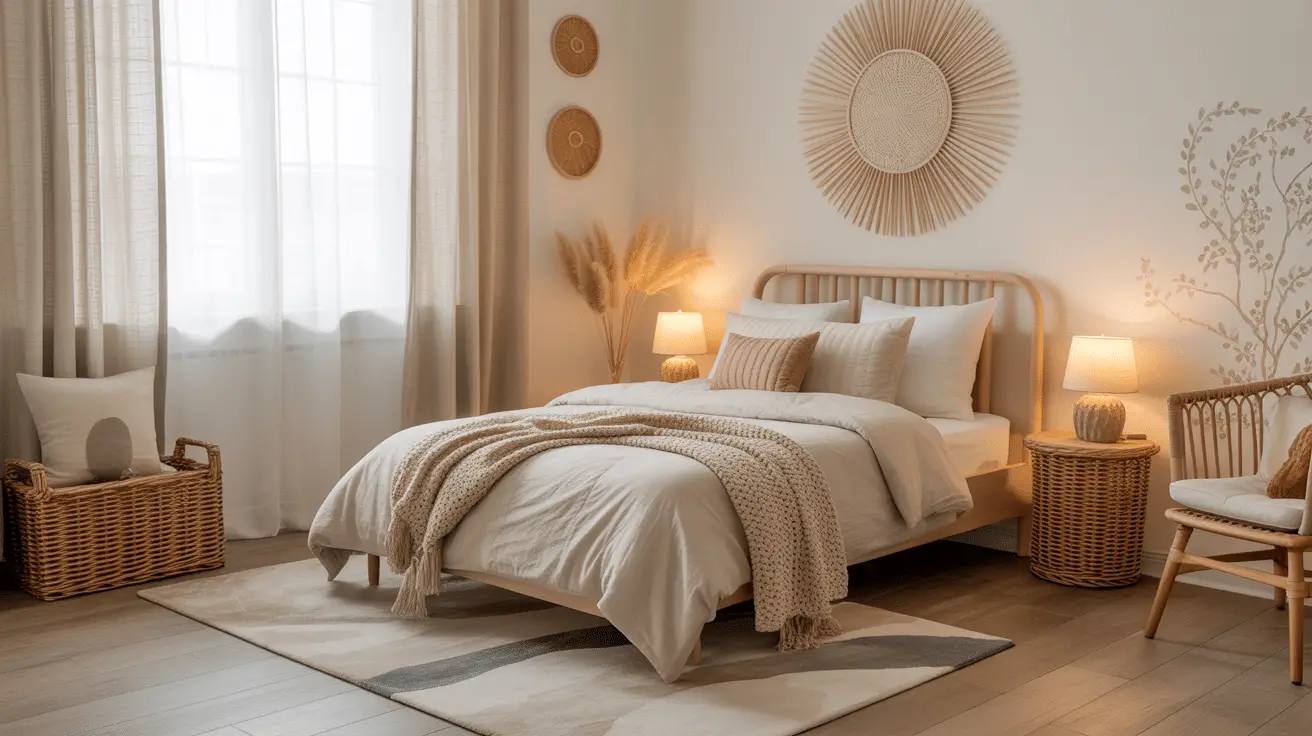
Neutral Kids Bedroom Ideas for Calm, Stylish, and Serene Spaces
Table of Contents
Introduction
It’s no secret that a child’s environment shapes how they sleep, play, and grow—and color plays a major role in creating that atmosphere. Studies on environmental psychology show that softer, neutral palettes can support reduced stress and better focus, making them a powerful design choice for kids’ bedrooms. Yet many parents still default to bright and bold themes, unsure whether neutrals will feel engaging enough for children or provide the warmth a bedroom needs.
Neutral kids bedroom ideas strike a beautiful balance by offering calming aesthetics without sacrificing personality. A well-crafted neutral room becomes a flexible canvas that adapts as your child grows, prevents visual overstimulation, and makes everyday routines feel more peaceful. Whether you prefer Scandinavian minimalism, soft earth tones, or modern organic style, a neutral palette can transform a room into a soothing sanctuary.
In this guide, you’ll find practical tips, styling strategies, layout solutions, furniture recommendations, and decor ideas to help you design a serene, timeless kids’ bedroom. Each section breaks down the “how” behind calm, clutter-free design, with examples that highlight real-world usability. You’ll also find tables, visual breakdowns, and prompts to inspire your imagery if creating mood boards or digital mockups. By the end, you’ll be equipped with everything needed to create a kid-friendly retreat that feels both peaceful and beautifully personal.
Creating a Calming Color Palette
Choosing the right color palette is the foundation of any neutral kids bedroom. Neutrals don’t have to feel cold or bland; in fact, they can be layered to produce warmth, depth, and dimension. Soft taupes, warm whites, muted greiges, stone tones, and pale pastels gently ground the space while giving your child room to breathe emotionally and visually. A neutral foundation also reduces visual clutter, helping your child wind down more easily at bedtime.
One impactful approach is to think in “temperature neutrals.” Warm neutrals (like beige, sand, oatmeal, or clay) create a cozy atmosphere, while cool neutrals (like light gray or muted sage) feel clean and airy. Combining both gives the room character without overwhelming the senses. Another strategy is incorporating extremely subtle color—think blush undertones in cream paint or a whisper of green in a light gray wall. The result reads as neutral while still being playful enough for a child’s environment.
Layering finishes also matters. Matte walls paired with natural textures or gentle patterns prevent the room from feeling flat. The palette should extend beyond paint: include textile tones, wood finishes, rugs, and wall art to create an intentional flow. When everything ties back to the foundation color story, the space feels harmonious.
Color Palette Reference Table
| Palette Style | Core Colors | Best For | Overall Mood |
| Warm Neutrals | Beige, oatmeal, honey, buff | Cozy rooms | Soft and nurturing |
| Cool Neutrals | Pebble gray, mist, pale sage | Modern spaces | Light and airy |
| Earthy Neutrals | Clay, sand, warm taupe | Natural themes | Grounded and organic |
| Soft Pastels as Neutrals | Dusty rose, muted blue, soft lavender | Younger kids | Calm with gentle color |
Furniture Choices That Support Serenity
Furniture sets the rhythm of the room. In a neutral kids bedroom, well-selected furniture enhances the calmness of the palette and ensures the environment remains functional as your child grows. Start by choosing pieces with clean lines and natural materials—light woods, rattan details, soft fabrics, and matte finishes work beautifully within neutral themes.
A bed frame in natural wood instantly anchors the room with warmth. Opting for rounded edges and low profiles keeps the design child-friendly and inviting. A neutral wardrobe or dresser with simple hardware blends seamlessly without becoming a visual distraction. Multifunctional furniture—like storage benches or beds with built-in drawers—quietly supports organization, reducing clutter that can disrupt a restful atmosphere.
Durability also plays a key role in furniture selection. Neutral-themed bedrooms often stay relevant longer, so pieces should adapt well to evolving tastes. Choosing timeless silhouettes ensures your investment lasts through childhood transitions. Adding subtle accents—a textured throw, a linen headboard, or soft-toned upholstery—keeps the room from feeling too minimal.
Furniture Function & Aesthetic Breakdown
| Furniture Piece | Best Material Choice | Functional Purpose | Aesthetic Impact |
| Bed Frame | Natural wood | Sleep foundation & focal point | Warm, grounding |
| Dresser | Painted matte wood | Storage & organization | Clean and cohesive |
| Floating Shelves | Oak or birch | Display & books | Light visual framing |
| Toy Storage | Baskets or woven bins | Clutter control | Soft texture layer |
Layering Textures for Warmth and Dimension
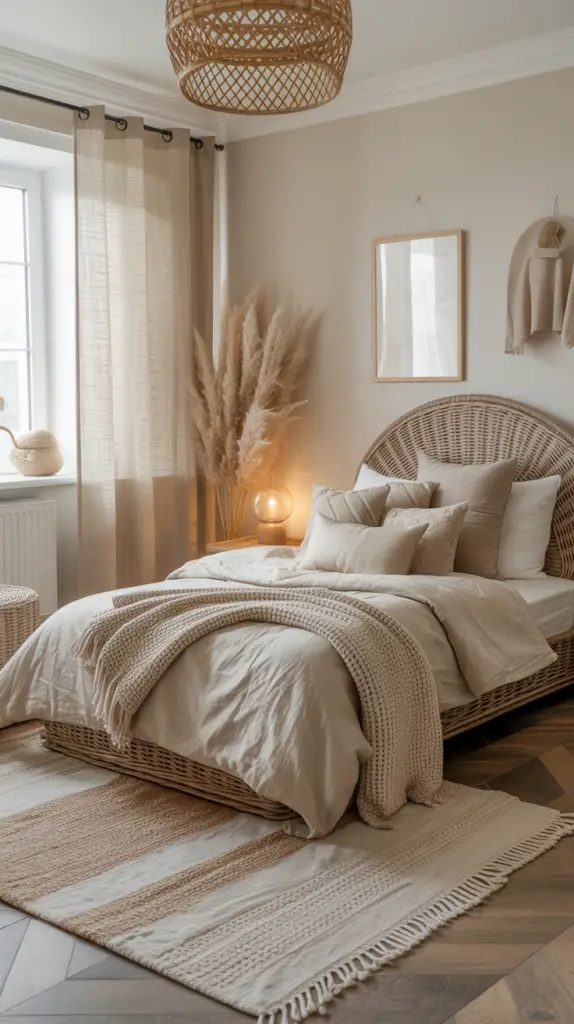
Texture is what transforms a neutral kids bedroom from simple to stunning. Without a variety of textures, neutrals may appear flat—but when layered thoughtfully, they create richness and comfort that helps the room feel lived-in and warm. The key is blending different tactile experiences so that each surface adds visual interest.
Start with the foundational textures: area rugs, bedding, and curtains. A plush rug introduces softness underfoot and anchors the room’s layout. Look for materials like wool blends, cotton braided weaves, or shag-like low piles. Bedding should combine smooth and textured elements—think quilted blankets paired with linen pillow shams. Curtaining in gauzy cotton or natural linen filters light beautifully and adds gentle movement whenever a breeze flows in.
Next, incorporate natural materials. Rattan light fixtures, wicker baskets, bamboo shades, and wooden headboards all provide organic texture that pairs perfectly with neutrals. Even small details—like a woven bedside lamp or a cane-front nightstand—add subtle complexity without introducing visual noise.
Textured wall elements can elevate the entire space. Options like board-and-batten, vertical shiplap, or even peel-and-stick canvas murals maintain a neutral palette while strengthening architectural character. Kids especially love surfaces they can interact with; a pinboard wrapped in natural linen or a felt organizer on the wall introduces texture with function.
To avoid overwhelming the room, vary texture sizes. Large-scale textures (like chunky knit throws) balance fine textures (like linen). A blend of matte, woven, and soft finishes helps the eye move comfortably across the space.
Texture Layering Guide
| Texture Type | Examples | Purpose | Best Placement |
| Soft Textures | Rugs, quilts, pillows | Comfort & coziness | Floor and bedding |
| Natural Textures | Rattan, wood, wicker | Organic warmth | Furniture & accessories |
| Fabric Textures | Linen, cotton, muslin | Light diffusion & softness | Curtains and accents |
| Structural Textures | Paneling, shiplap | Depth & architectural interest | Feature walls |
This approach ensures the room retains its serenity while still feeling dynamic and engaging. A child should walk into their room and feel enveloped by softness—not overstimulation.
Storage Solutions That Keep the Space Calm
A calm bedroom relies heavily on thoughtful organization. Clutter quickly disrupts serenity, especially in children’s spaces where toys, clothes, art supplies, and books accumulate. Neutral kids bedroom ideas thrive when storage feels seamless rather than intrusive.
Begin with variable storage options: open bins for frequently used items, closed cabinets for things that need to stay out of sight, and shelving for decorative pieces or books. Natural-toned baskets are especially effective because they offer texture, functionality, and neutral beauty all at once. Labeling baskets or drawers with child-friendly tags encourages independence and keeps daily routines simple.
Wall storage is also essential. Floating shelves or peg rails keep the floor clear while providing vertical interest. Peg rails—often overlooked—are perfect for hanging hats, backpacks, or fabric organizers. Their simplicity blends effortlessly into neutral design schemes, and they’re customizable as kids grow.
Hidden storage solutions—like under-bed drawers or ottomans with lift tops—reduce surface clutter and help maintain the room’s clean aesthetic. When every belonging has a designated home, children learn to keep their space tidy without constant reminders.
Storage Strategy Table
| Storage Type | Ideal Use | Visual Impact | Placement |
| Woven Baskets | Toys, blankets | Softens space | Floor or shelves |
| Closed Cabinets | Clothes or overflow items | Clean, minimal look | Against wall |
| Floating Shelves | Books, décor | Light, airy | Higher wall space |
| Under-Bed Drawers | Seasonal items | Hidden storage | Bed frame base |
Choosing Decor That Stays Subtle Yet Playful
Decor is where many parents struggle: how do you keep a neutral aesthetic while still making the space feel fun and kid-centric? The secret lies in choosing pieces with gentle colors, interesting shapes, and imaginative themes that spark creativity without overwhelming the senses.
Start with wall art. Instead of bold primary colors, opt for muted illustrations, nature-inspired prints, or line-art animals. These create focal points without disrupting tranquility. Framing artwork in natural wood ties everything back to the room’s foundational palette. Soft ceramic sculptures, wooden toys, and fabric wall hangings also contribute to a balanced look.
Lighting, often overlooked, is a powerful decorating tool. A neutral kids bedroom benefits from layered lighting: a soft bedside lamp for reading, a warm-glow ceiling fixture for evening calm, and perhaps a whimsical night-light shaped like a moon or star. Warm LEDs ensure the light supports a restful bedtime routine.
Textiles add subtle whimsy. For example, a duvet cover in a micro-pattern—like tiny stars or soft gingham—delivers charm while staying within neutral tones. Throw pillows in muted patterns or textured fabrics add personality without visual chaos.
Consider decor with purpose. A wooden rainbow stacker, a linen canopy above the bed, or a minimalist play tent can double as décor and play elements. Functional beauty reinforces calmness by limiting unnecessary clutter.
As children grow, decor should evolve. Neutral foundations allow you to swap smaller items—like pillows or prints—without redesigning the entire space. This makes the room financially and aesthetically sustainable.
Decor Planning Table
| Decor Type | Style Suggestions | Purpose | Impact |
| Wall Art | Minimalist animals, nature line art | Visual interest | Soft focal points |
| Lighting | Linen lampshade, warm LED | Mood setting | Enhances calm |
| Textiles | Micro-pattern bedding | Soft personality | Comfort + charm |
| Functional Decor | Wooden toys, canopy | Multi-use design | Reduces clutter |
Bringing Nature Indoors for a Peaceful Atmosphere
Nature-inspired design blends beautifully with neutral themes and has a calming effect on children. Elements drawn from the outdoors—like plants, natural fibers, and earthy tones—promote a grounded atmosphere and mimic soothing natural environments.
If real plants feel too high-maintenance, consider child-friendly, low-light options such as pothos or snake plants. Their soft green hues harmonize with neutrals and improve air quality. Dried floral arrangements or faux olive branches can achieve similar serenity without upkeep.
Using nature in prints and materials strengthens the style. Botanical artwork, animal sketches, and woven wall décor contribute organic warmth. Furniture made from sustainable wood or bamboo subtly reinforces the nature theme.
Textures like jute rugs, cotton bedding, and rattan lighting further enrich the space. Natural light should also be maximized; sheer curtains allow sunlight to filter in gently, supporting healthy sleep rhythms and daily energy.
Nature-Inspired Design Chart
| Natural Element | How to Use It | Benefit |
| Plants | Real or faux greenery | Calming visual + improved air |
| Natural Fibers | Jute, cotton, wool | Organic texture |
| Wood Accents | Furniture, frames | Warmth + timeless appeal |
| Sunlight | Sheer curtains | Soft brightness |
Creating a Room That Grows With Your Child
Design longevity is a major benefit of neutral kids bedroom ideas. By choosing timeless elements, you reduce the need for frequent updates. Start with adaptable furniture—neutral bed frames, simple desks, and durable dressers that fit both a toddler and a teen aesthetic. This approach saves time and money long-term.
Decor is where flexibility shines. Swap out artwork, bedding, or area rugs as your child’s interests shift. Neutrals give you freedom to introduce new colors or themes without disrupting the core design. For instance, a child who once loved woodland animals may later prefer sports or space themes; by changing only accent pieces, the room evolves seamlessly.
Storage should also scale with age. Lower bins are ideal for toddlers, while older kids may appreciate wall-mounted shelves or desk organizers. Keeping the design grounded in neutrality ensures the room stays cohesive even as the user grows.
Growth-Ready Room Guide
| Element | Toddler Stage | Teen Stage | Stability Factor |
| Bed | Low-profile frame | Standard frame | Long-lasting |
| Decor | Soft animals, simple prints | Abstract art | Easily swapped |
| Storage | Floor bins | Shelving | Adaptable |
| Color Accents | Soft pastels | Muted earth tones | Flexible palette |
Conclusion
Neutral kids bedroom ideas offer a thoughtful way to design spaces that feel calm, nurturing, and timeless. By grounding the room in soft tones, layering natural textures, selecting functional and beautiful furniture, and incorporating decor that supports creativity without overwhelming the senses, you create an environment where children can rest, play, and grow with ease. The beauty of neutrals lies in their longevity and versatility; a few small adjustments can transform the room as your child’s personality evolves. Ultimately, these serene spaces encourage balance, warmth, and emotional comfort—qualities every child deserves in their personal sanctuary.