
Organic Modern Style Neutral Palette Inspiration for Calm, Timeless Interiors
Table of Contents
Introduction
Over the past few years, interior design has shifted dramatically toward calmer, grounding aesthetics that bring a sense of balance into everyday living. According to recent surveys across home décor platforms, neutral palettes and organic modern style continue to dominate as homeowners seek serenity, authenticity, and a deeper connection to natural materials. If your home feels visually cluttered or emotionally overstimulating, embracing an organic modern neutral palette may be the refresh that transforms not only your space but also your state of mind.
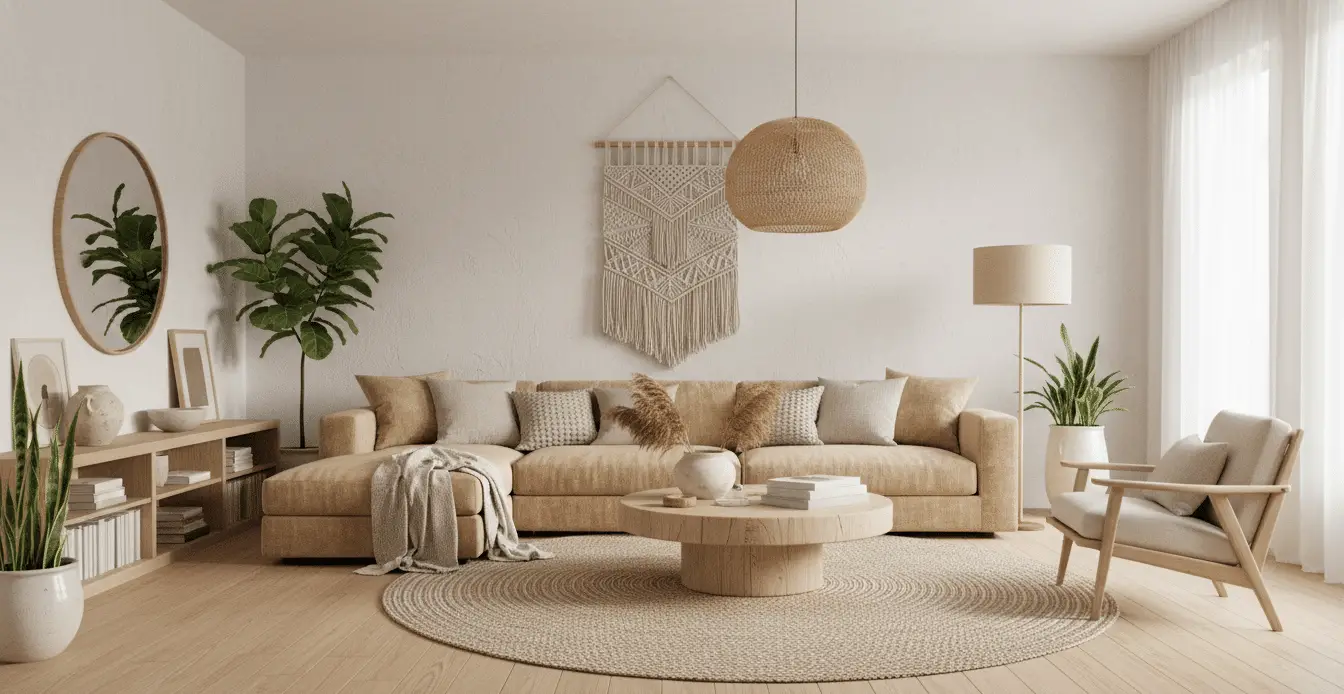
Organic modern style blends clean minimalism with the warmth of nature. It prioritizes simplicity, tactile textures, earthy color schemes, and intentional styling that feels effortless rather than overly curated. The neutral palette at its core—creamy whites, soft taupes, sandy beiges, warm browns, and muted greys—creates a harmonious backdrop that enhances natural light and makes rooms feel expansive, airy, and soothing.
This article explores how to use a neutral palette to achieve organic modern interiors filled with beauty, depth, and quiet sophistication. You will discover color strategies, material pairings, furniture choices, styling techniques, and sensory design principles that guide you toward spaces that feel timeless, grounded, and welcoming. Whether you’re redesigning an entire room or making subtle updates, these ideas offer inspiration that blends practicality with natural elegance.
Building the Perfect Neutral Palette for Organic Modern Interiors
The foundation of organic modern style lies in its neutral palette—a collection of shades inspired by nature, carefully layered to evoke calm and warmth. Neutrals create harmony across the home, making rooms feel cohesive while allowing standout textures and materials to shine. But a neutral palette is far more dynamic than many imagine. It includes rich undertones, subtle color depth, and a spectrum of warmth and coolness that influence the overall mood of the space.
Begin by choosing a base tone. Soft whites or warm creams make excellent backdrops because they reflect light gently without looking stark. Beige, oatmeal, taupe, and greige add dimension when used on larger surfaces such as walls, rugs, or curtains. For added contrast, incorporate deeper hues like espresso brown, clay, charcoal, or muted olive—each bringing a grounding effect that anchors the palette.
Layering is essential. The organic modern look thrives on using multiple neutrals together rather than relying on a single shade. Layering helps avoid flatness by introducing visual movement and subtle shifts in tone. Think textured throw blankets paired with linen sofas, natural stone surfaces beside matte clay pottery, and woven baskets next to smooth wooden furniture.
Textures play a powerful role in enriching neutral colors. A boucle fabric reads differently than a linen textile even when they share a similar tone. Clay, wool, rattan, stone, and wood each influence how neutrals interact with light, making the palette come alive.
Neutral Palette Breakdown
| Neutral Tone | Effect | Best Application |
| Soft White | Brightens & expands | Walls, drapery, large furniture |
| Warm Beige | Adds warmth | Rugs, bedding, accent chairs |
| Taupe/Greige | Creates quiet sophistication | Cabinetry, curtains, wall paneling |
| Dark Brown/Charcoal | Grounds & anchors | Accent walls, furniture bases |
Natural Materials That Bring Organic Modern Style to Life
Natural materials are the heart of organic modern interiors, shaping the atmosphere through texture, authenticity, and earthy grounding. Using organic materials introduces subtle imperfections and tactile richness that elevate the neutral palette, making the space feel alive while maintaining simplicity. These materials complement each other effortlessly, creating a unified aesthetic that feels timeless and rooted in nature.
Wood is one of the most influential materials in this style. Whether in the form of light oak flooring, walnut furniture, or rustic reclaimed beams, wood adds warmth and character. The grain patterns and varied tones naturally soften minimalistic spaces. Different wood tones can coexist harmoniously as long as they share a warm undertone.
Stone further enhances the organic feel. Travertine, limestone, marble, soapstone, and slate introduce depth while reflecting light uniquely. A travertine coffee table or a stone backsplash becomes a tactile anchor that draws the eye gently.
Textiles such as linen, cotton, wool, and jute introduce softness. Their irregular textures pair beautifully with the smoothness of stone and wood. Linen bedding, wool throws, sheer drapery, and woven jute rugs help create a balance of softness and structure.
Handcrafted ceramics play a subtle yet powerful role. Their natural imperfections echo the organic aesthetic, adding artistry without overwhelming the space.
Material Harmony Table
| Material | Sensory Quality | Ideal Placement |
| Wood | Warm & grounding | Furniture, beams, shelving |
| Stone | Cool & tactile | Counters, tables, backsplashes |
| Linen/Wool | Soft & breathable | Bedding, throws, window treatments |
| Ceramics | Artistic & earthy | Vases, bowls, décor accents |
Layering Textures for Depth in a Neutral Organic Modern Palette
Texture is what transforms a neutral palette from simple to stunning. Without deliberate textural layering, neutral rooms risk appearing flat or sterile. Organic modern style thrives on tactile contrast, mixing soft and hard surfaces, matte and polished finishes, and smooth versus irregular textures. This interplay brings movement to monochromatic spaces and creates an inviting environment full of subtle visual interest.
Start by introducing foundational textures, such as a natural fiber rug or a linen sofa. These pieces create the first layer of softness and establish the room’s warmth. Next, add complementary textures like a wool throw, boucle cushions, a ribbed ceramic vase, or a woven wall hanging. Each piece should feel natural, earthy, and intentional, echoing organic shapes and tones.
Furniture also plays a role in texture layering. A sleek wooden table paired with a rough stone bowl offers contrast that enhances the character of each material. Consider incorporating sculptural light fixtures with fabric, paper, or metal finishes to create additional dimension.
Textures also extend to architectural details. Limewashed walls, textured plaster, or matte finish paints create subtle irregularities that absorb and diffuse light. Even small touches—such as woven baskets or carved wood objects—build up the sensory richness of the room.
Texture Layering Guide
| Texture Type | Strength | Best Use |
| Linen & Cotton | Light, airy | Sofas, bedding, curtains |
| Boucle & Wool | Cozy, deep | Pillows, throws, accent chairs |
| Stone & Clay | Natural structure | Tables, vases, decorative accents |
| Woven Fibers | Earthy grounding | Rugs, baskets, wall textures |
Using Organic Shapes and Sculptural Elements for Soft Modern Flow
Organic modern style is defined not only by materials and colors but also by shapes. Curves, rounded edges, and sculptural silhouettes soften the clean lines of modern design. These shapes help create a sense of flow, enhancing the calmness and cohesion of the space.
Furniture with rounded backs, oval tables, arched doorways, and curved light fixtures introduces gentle movement. These organic shapes mirror natural forms such as river stones, rolling landscapes, and softened edges found in nature. Their presence reduces visual rigidity and makes neutral rooms feel more welcoming.
Sculptural décor adds artistic impact without overwhelming the space. Stoneware vases, abstract ceramic pieces, and minimal decorative objects contribute to the quiet beauty of the room. When styled in clusters, their shapes create visual rhythm, echoing the principles of balance and repetition.
Large elements, such as curved sofas or an arched bookcase, become architectural focal points. Meanwhile, smaller elements like rounded bowls or pebble-shaped trays reinforce the theme subtly.
Lighting plays a major role in highlighting these shapes. Soft, diffused lighting enhances curves, while directional lighting creates shadows that accentuate sculptural pieces.
Organic Shape Integration Table
| Element | Impact | Ideal Placement |
| Curved Furniture | Softens layout | Living room seating arrangements |
| Arched Accents | Adds architectural charm | Doorways, shelving |
| Sculptural Décor | Artistic statement | Coffee tables, consoles |
| Rounded Lighting | Soft glow & flow | Dining areas, bedrooms |
Balancing Minimalism with Warmth in Organic Modern Spaces
Minimalism is a core part of organic modern style, but unlike traditional minimalism—which can sometimes feel cold—this aesthetic embraces warmth, comfort, and lived-in features. Creating this balance requires intentional styling that prioritizes simplicity while incorporating layers of natural elements.
Begin with purposeful decluttering. Only keep items that serve a function or add beauty. Organic modern rooms feel open, but not empty. The key is thoughtful placement—each object should have meaning or add texture to the room. Instead of many small objects, opt for fewer larger pieces, which create visual impact with less clutter.
Warmth comes from materials, lighting, and color temperature. Wood tones introduce natural comfort, while soft textiles create inviting tactile experiences. Warm white or soft golden lighting enhances the coziness of neutral palettes. Avoid harsh LED lights that make the space feel clinical.
Furniture choices should reflect modern simplicity with organic warmth. Clean lines keep the aesthetic fresh, while natural finishes, rounded forms, and soft upholstery ensure the room feels inviting. Even metal accents should lean warm, such as brass, bronze, or blackened steel, to maintain balance.
Minimalist Warmth Checklist
| Category | Minimalist Approach | Warmth Strategy |
| Furniture | Clean lines | Soft upholstery + natural materials |
| Décor | Fewer items | Larger, textural pieces |
| Color | Neutrals | Warm tones + layered shades |
| Lighting | Simple fixtures | Soft warm temperature |
Incorporating Nature and Biophilic Elements into a Neutral Organic Modern Palette
Nature is at the heart of organic modern design, and integrating biophilic elements strengthens the connection between interior spaces and the outdoors. In a neutral palette, these natural additions become even more pronounced, adding life, freshness, and vibrancy without disrupting the calm aesthetic.
Plants are essential. From large floor plants like ficus or olive trees to smaller tabletop greenery like ferns and succulents, plants soften modern lines and introduce sculptural shapes. Their green tones contrast beautifully with neutral backgrounds, making them subtle focal points. Even dried botanicals such as pampas grass or preserved branches bring organic softness.
Natural light is another cornerstone of biophilic design. Sheer curtains, light-filtering shades, and strategic window placement enhance sunlight flow, making the neutral palette glow throughout the day. Natural light also elevates textures, creating shadows and highlights that add depth.
Nature-inspired artwork—abstract landscapes, botanical sketches, or neutral-toned photography—reinforces the biophilic theme without overpowering the palette. Stone bowls, wooden trays, woven planters, and clay vessels further blend indoor spaces with nature.
Biophilic Inspiration Table
| Element | Effect | Best Placement |
| Indoor Plants | Adds freshness & movement | Corners, shelves, tabletops |
| Natural Light | Enhances warmth | Large windows, open layouts |
| Organic Art | Visual connection to nature | Feature walls |
| Natural Containers | Earthy grounding | Planters, centerpieces |
Choosing Furniture That Complements an Organic Modern Neutral Palette
Furniture selection significantly influences how successful an organic modern design becomes. The furniture should feel sculptural yet understated, comfortable yet streamlined, modern yet warm. Every piece should contribute to the harmony of the neutral palette while enhancing the natural sensibility of the room.
Start with larger furniture pieces—sofas, dining tables, beds, or shelving units—that anchor the design. Choose items with clean silhouettes but crafted from natural materials such as wood, linen, wool, or rattan. Light oak dining tables, linen sofas, or curved wood accent chairs all support the organic modern philosophy.
Upholstery should lean toward soft neutrals—cream, taupe, beige, or muted grey. These shades integrate seamlessly into the palette and create a soothing atmosphere. To maintain interest, introduce subtle textural variations, such as boucle upholstery or ribbed wood panels.
Avoid overly ornate or sharp-edged furniture, as they disrupt the organic feel. Rounded corners, tapered legs, and soft contours create natural flow. Storage furniture should maintain minimalistic lines while offering practicality, ensuring the room remains uncluttered and visually calm.
Furniture Style Overview
| Furniture Style | Aesthetic Role | Best Use |
| Light Wood Pieces | Establish warmth | Dining tables, shelving |
| Linen or Boucle Seating | Adds softness | Sofas, armchairs |
| Curved Designs | Enhances organic flow | Accent chairs, coffee tables |
| Minimalist Storage | Reduces clutter | Sideboards, consoles |
Conclusion
Organic modern style paired with a neutral palette creates interiors that feel both restorative and refined. Through the thoughtful layering of natural materials, textures, sculptural forms, light, and biophilic elements, this design approach transforms everyday spaces into environments that support calm living and quiet beauty. The combination of simplicity and nature-driven warmth ensures timeless appeal, offering a serene backdrop that evolves gracefully over time. Whether you make small stylistic changes or redesign entire rooms, the organic modern neutral palette provides a versatile and enduring path toward balanced, harmonious interiors.