
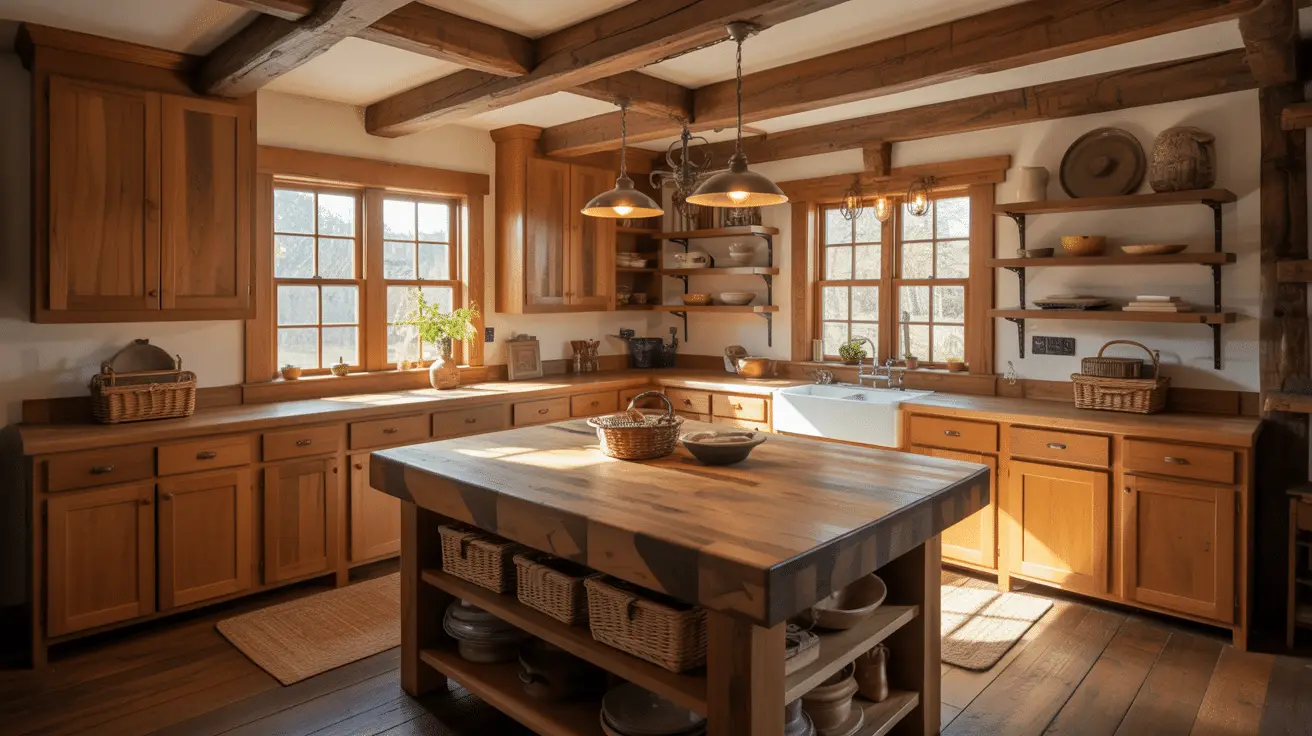
Rustic Kitchen Ideas That Make Your Home Feel Warm and Inviting
Table of Contents
Introduction
A warm, rustic kitchen has a special way of making a house feel like a true home. In fact, surveys show that homeowners increasingly prioritize cozy, character-rich kitchens over modern minimalism because they create a sense of comfort, nostalgia, and togetherness. Whether you love the charm of weathered wood, the softness of warm lighting, or the beauty of natural materials, rustic kitchen design offers timeless inspiration that blends functionality with heartfelt atmosphere.
This style matters because the kitchen is often the heart of the home—the place where meals are made, conversations unfold, and memories are created. Rustic elements bring depth, warmth, and authenticity to the space, making it feel both grounded and welcoming. From reclaimed wood beams to earthy color palettes and vintage-inspired hardware, every detail works together to nurture a cozy environment.
In this guide, you’ll explore practical and beautiful rustic kitchen ideas designed to transform your cooking space into a warm retreat. You’ll learn how to incorporate natural materials, layered textures, thoughtful lighting, handcrafted décor, and layout choices that feel organic and inviting. Each section offers clear direction, styling insights, and helpful visual breakdowns so you can confidently bring rustic charm into your home, regardless of your kitchen’s size or layout.
Embracing Natural Wood Elements for Rustic Warmth
Natural wood is the foundation of rustic kitchen design, offering both aesthetic beauty and emotional comfort. Whether used on cabinetry, flooring, ceilings, or countertops, wood instantly softens the space and introduces a sense of history and craftsmanship. Lighter woods like pine and oak create fresh, airy rustic charm, while deeper tones such as walnut or reclaimed barnwood deliver rich character and visual depth. Incorporating a mix of wood tones can make the space feel organic rather than overly uniform.
Wooden cabinetry is a defining feature in many rustic kitchens. You can choose traditional shaker-style doors for a classic look or opt for exposed-grain finishes that highlight natural imperfections. These details add authenticity and charm. Wooden ceiling beams—whether structural or decorative—also create an inviting ambiance and visually frame the room. In large kitchens, beams make the space feel grounded; in smaller rooms, they add cozy cottage character.
Wood countertops, shelving, or butcher blocks enhance function and beauty. Open wood shelves provide a great opportunity to display pottery, cookbooks, or vintage items. With proper sealing and maintenance, wood surfaces remain durable and timeless. When balanced with stone, metal, or ceramic elements, wood contributes warmth without dominating the space.
Wood Element Breakdown Table
| Wood Feature | Effect | Best Placement |
| Reclaimed Wood | Vintage charm | Beams, shelving, accent walls |
| Light Oak | Airy + warm | Cabinets, flooring |
| Walnut | Rich + grounding | Islands, countertops |
| Butcher Block | Functional + cozy | Prep zones, islands |
Using Warm Color Palettes to Create a Cozy Kitchen Atmosphere
Color plays a major role in establishing warmth in a rustic kitchen. Earthy tones—such as caramel, terracotta, cream, olive green, clay, and warm neutrals—evoke the natural beauty that defines rustic style. These shades create a soothing backdrop that complements wood tones and enhances the room’s natural textures. Muted hues inspired by nature help cultivate a relaxing environment, making the kitchen feel like a comforting retreat.
Walls painted in warm neutrals or soft earthy colors help highlight rustic elements like stone backsplashes, vintage accessories, or handcrafted wood pieces. Deep greens or warm charcoal shades can be used on cabinetry or accent walls to introduce sophistication while maintaining a cozy feel. These darker tones add depth and contrast without overwhelming the space.
Layering colors through textiles, ceramics, and décor also strengthens the room’s warmth. Think woven baskets, copper pans, terra cotta pots, linen curtains, and patterned rugs. These pieces subtly reinforce the rustic palette while introducing visual interest and personality. Maintaining harmony is key; each shade should feel connected to nature and the overall design.
Color Palette Table
| Color Family | Mood | Best Uses |
| Earthy Neutrals | Warm + soothing | Walls, cabinets |
| Deep Greens | Rich + grounding | Accent walls, lower cabinets |
| Terracotta/Clay | Cozy + organic | Décor, tiles, pottery |
| Warm Whites | Soft + airy | Trim, upper cabinetry |
Incorporating Stone, Brick, and Natural Textures
Natural textures bring rugged beauty and authenticity to rustic kitchens. Stone and brick are classic elements that introduce depth, durability, and visual storytelling. A stone backsplash, for example, instantly adds rustic appeal whether you choose stacked stone, river rock, or tumbled tile. The organic, uneven surface creates a tactile experience that modern materials can’t replicate.
Brick walls or exposed brick accents bring warmth and character reminiscent of countryside cottages or historic farmhouses. Their rich color and texture make them ideal for creating focal points, especially behind the stove or around archways. Even faux brick panels can achieve the look if real brick isn’t an option.
Natural textures extend beyond architectural elements. Woven baskets, jute rugs, ceramic pottery, clay vases, and linen fabrics enhance the rustic aesthetic. These details soften hard surfaces and add layers of comfort and charm. Mixing textures—smooth with rough, matte with glossy—ensures the kitchen feels dynamic and visually interesting.
Natural Texture Table
| Texture Type | Effect | Best Use |
| Stone | Rugged + timeless | Backsplashes, islands |
| Brick | Warm + historic | Accent walls, stove surrounds |
| Linen | Soft + natural | Curtains, table linens |
| Ceramic/Clay | Artisanal charm | Pottery, vases, dishware |
Choosing Lighting That Enhances Warmth in Rustic Kitchens
Lighting is one of the most impactful elements in creating a warm rustic kitchen. Soft, ambient lighting—rather than harsh, bright fixtures—helps establish the cozy, welcoming atmosphere this style is known for. Warm bulbs, vintage-style pendants, wrought iron chandeliers, and lantern-inspired fixtures all contribute to the rustic mood.
Pendant lights made of metal, glass, or wood bring character to islands and dining areas. Their glow creates an intimate atmosphere that encourages gathering and conversation. Under-cabinet lighting can highlight natural textures like stone or wood grain without overpowering the room. Wall sconces with distressed finishes offer additional charm while providing functional illumination.
Natural light should also be emphasized. Open windows, light-filtering curtains, and reflective surfaces help brighten the space during the day. Soft, earthy shades for curtains allow sunlight to create a golden glow that enhances the rustic color palette. When natural and artificial light work together, the kitchen feels both vibrant and calming.
Lighting Strategy Table
| Lighting Type | Mood | Best Placement |
| Pendant Lights | Cozy + decorative | Above island or dining area |
| Chandeliers | Warm + dramatic | Center of kitchen |
| Under-Cabinet | Functional + soft | Countertop areas |
| Sconces | Accent + charm | Beside shelves or windows |
Adding Vintage-Inspired Details for Authentic Rustic Charm
Vintage-inspired pieces help create an authentic rustic kitchen filled with personality. Items such as antique canisters, enamelware, copper cookware, and old-fashioned utensils bring nostalgia into the space. These objects feel handcrafted and timeless, contributing to the warmth of the rustic theme. Incorporating heirloom pieces or flea market finds can make the kitchen feel uniquely personal.
Open shelving is a great way to display vintage items. Carefully curated collections of pottery, wooden cutting boards, and mason jars create a charming visual story. You can also introduce distressed finishes through furniture like island carts, cabinets, or decorative stools. These finishes soften the room and reinforce the rustic atmosphere.
Hardware choices also make a difference. Iron handles, brass knobs, or antique bronze fixtures add depth and character while naturally complementing wood and stone. The key is balance—too many vintage items can feel cluttered, while a curated selection creates warmth and authenticity.
Vintage Details Table
| Item Type | Purpose | Best Styling Tip |
| Copper Cookware | Warm metallic accent | Hang from pot rack or shelf |
| Mason Jars | Functional + pretty | Store dry goods |
| Antique Bowls | Rustic charm | Display on open shelving |
| Old Wood Boards | Artisanal texture | Lean against backsplash |
Designing a Functional Yet Cozy Rustic Kitchen Layout
A rustic kitchen isn’t just charming—it should be highly functional. The layout should support easy movement between cooking, prep, and cleaning zones while maintaining the warm, welcoming atmosphere. Rustic kitchens often embrace open layouts that blend seamlessly with dining or living areas. This openness enhances social interaction and prevents the kitchen from feeling isolated.
Kitchen islands play an important role in rustic layouts. A wooden island with a butcher-block top or stone countertop becomes both a prep space and a gathering spot. Adding stools creates seating for casual meals or conversation. Practical features like deep drawers, built-in shelves, or open storage ensure the island supports daily tasks efficiently.
Work zones should feel intuitive. Placing the stove near ample countertop space makes cooking easier, while positioning the sink with a window view adds delight to daily chores. Rustic kitchens often include a cozy nook or breakfast corner—perfect for morning coffee or relaxed conversations while cooking.
Layout Planning Table
| Layout Element | Benefit | Best Use |
| Kitchen Island | Prep + gathering | Central focal point |
| Open Shelving | Access + décor | Above counters or near stove |
| Breakfast Nook | Cozy seating | Corner or window area |
| Work Triangle | Efficient movement | Between stove, sink, fridge |
Bringing Rustic Charm With Handmade and Artisanal Décor
Handcrafted décor enriches a rustic kitchen by adding artistry and authenticity. Items like handmade pottery, woven baskets, knitted linens, artisan cutting boards, and hand-thrown mugs introduce texture and charm. Their subtle imperfections make the space feel heartwarming and genuine.
Displaying artisanal items creates visual storytelling. A shelf featuring handcrafted bowls or ceramics adds personality, while a wall adorned with woven textiles or rustic artwork deepens the room’s character. Handmade textiles—such as linen tea towels, quilted placemats, or crocheted runners—enhance warmth and reinforce the rustic aesthetic.
Natural and handmade décor pairs beautifully with rustic architecture. Whether it’s a carved wooden bowl on the island or a handcrafted clay pitcher beside the stove, artisanal touches elevate the space while honoring craftsmanship and tradition.
Handmade Decor Table
| Handmade Item | Effect | Placement Idea |
| Pottery | Organic + artistic | Open shelves |
| Woven Baskets | Natural texture | Storage or décor |
| Linen Towels | Soft + cozy | Hanging near sink |
| Carved Boards | Rustic artistry | Counter displays |
Conclusion
Rustic kitchen ideas offer a beautiful way to make your home feel warm, welcoming, and deeply comforting. By embracing natural wood elements, warm colors, textured materials, and vintage-inspired accents, you can create a kitchen filled with charm and authenticity. Thoughtful lighting enhances the atmosphere, while handcrafted décor adds meaningful, personal touches. When each detail works together in harmony, the rustic kitchen becomes more than a cooking space—it becomes a cozy retreat that enriches everyday living with warmth, beauty, and connection.