
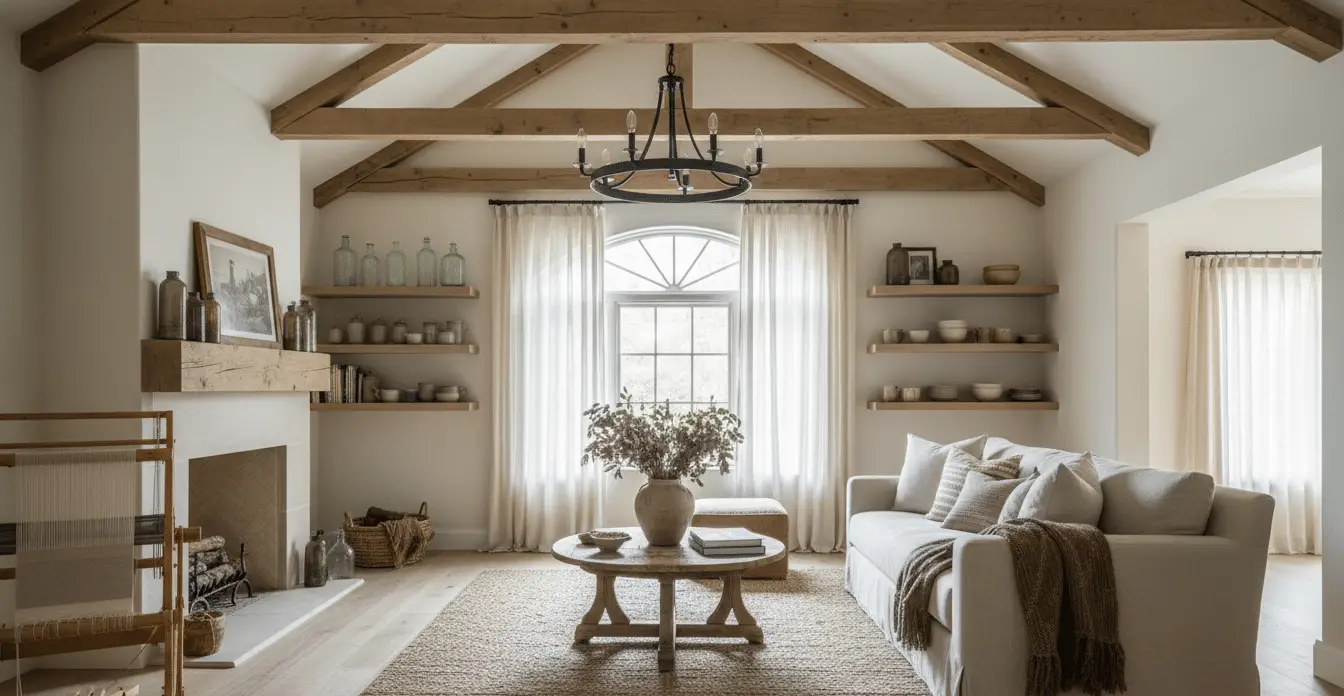
Timeless Farmhouse Interior Design for Modern Living: A Complete Guide to Creating Warm, Stylish, and Enduring Spaces
Table of Contents
Introduction
There is a reason farmhouse interior design continues to capture the hearts of homeowners decade after decade. According to recent design trend reports, farmhouse-inspired spaces remain among the most searched styles online, proving their enduring appeal in a world of fast-changing aesthetics. This longevity stems from something deeper than visual beauty—farmhouse design offers warmth, familiarity, and comfort. It grounds us in tradition while still allowing room for contemporary expression.
In a busy, digital-focused lifestyle, many people crave interiors that feel authentic, lived-in, and meaningful. Timeless farmhouse interior design meets that need through natural textures, heirloom-quality materials, and a sense of quiet simplicity. Yet today’s version goes beyond classic rustic décor. Modern living requires function, balance, and refinement, inviting a blend of thoughtful editing and streamlined styling without losing the cozy essence that defines the farmhouse look.
This guide explores how to create a timeless farmhouse aesthetic that complements modern life. You’ll learn the essential elements of the style, how to combine rustic and contemporary features, how to choose materials and finishes, and how to design each room with longevity in mind. Through detailed explanations, tables, and practical examples, you’ll gain tools to build spaces that feel welcoming, harmonious, and deeply personal—spaces that offer comfort today and continue to inspire for years to come.
The Core Elements of Timeless Farmhouse Interior Design
At the heart of farmhouse design is a balance of rustic character and understated elegance. The most enduring spaces never feel overly themed or forced; instead, they create an effortless connection to the past while remaining easy to live in. Natural materials, handcrafted elements, and subtle imperfections give the farmhouse aesthetic its soul.
Organic textures such as exposed wood beams, stone fireplaces, and woven textiles bring warmth to the home. These materials create tactile experiences and visual interest, offering a grounding presence in modern living environments. Neutral colors—creams, warm whites, soft taupes, and gentle grays—serve as the palette foundation, allowing details like furniture shapes and muted patterns to shine without overwhelming.
Simplicity is another defining element. Instead of cluttered or overly ornate designs, timeless farmhouse interiors emphasize functionality. Every element should feel useful, purposeful, and comfortable. Vintage items, patinaed metals, and heirloom furniture introduce history, while clean lines and minimal embellishment keep the overall look fresh.
Visual Breakdown: Key Farmhouse Design Elements
| Design Element | Description | Why It Matters |
| Natural Wood | Raw, weathered, or stained finishes | Adds warmth and authenticity |
| Soft Neutrals | Muted whites, creams, greige tones | Creates calm, cohesive spaces |
| Handcrafted Touches | Pottery, textiles, artisan pieces | Enhances uniqueness |
| Functional Decor | Baskets, hooks, useful accents | Supports everyday living |
| Mixed Metals | Bronze, iron, brass | Adds dimension and contrast |
When these components work together, the result is a space that feels familiar yet timeless.
Blending Rustic Charm with Modern Functionality
Modern living demands efficiency, comfort, and refined simplicity—qualities that merge beautifully with classic farmhouse style. The goal is to blend the rugged charm of rustic materials with the practicality and clean aesthetics found in contemporary design. This integration creates a look that feels grounded in history but perfectly suited to today.
One of the most effective ways to achieve this balance is by mixing textures. Raw woods and distressed metals pair well with smooth countertops, sleek lighting fixtures, and streamlined furniture. This contrast prevents the space from feeling too old-fashioned or too modern. Instead, it creates harmony through thoughtful juxtaposition.
Another powerful strategy is emphasizing open, uncluttered layouts. While traditional farmhouse interiors were often busy with décor, timeless modern farmhouse design edits carefully. Each piece must serve a purpose, whether functional or emotional. This creates rooms that feel airy and restful rather than visually overwhelming.
Technology can also blend seamlessly into the farmhouse aesthetic when chosen thoughtfully. Hidden storage, integrated appliances, and minimalist electronics help maintain the look while supporting modern needs.
Table: Rustic vs. Modern Integration
| Rustic Element | Modern Pairing | Result |
| Distressed wood | Minimalist furniture | Balanced texture |
| Iron hardware | Sleek fixtures | Elevated contrast |
| Vintage accents | Clean lines | Depth and clarity |
| Woven textiles | Smooth surfaces | Warmth meets refinement |
| Open shelving | Hidden storage | Function + style |
A successful blend ensures your home feels both charming and functional, with old and new coexisting effortlessly.
Choosing the Perfect Farmhouse Color Palette for Modern Living
The color palette sets the emotional tone of a farmhouse home. Modern farmhouse interiors favor soft neutrals because they amplify natural light, create visual calm, and allow textures and materials to shine. Unlike the darker, moodier palettes of older farmhouse styles, today’s version leans toward uplifting, breathable hues.
Warm whites create an inviting backdrop that works in every room. They are versatile enough to complement rustic furniture yet crisp enough to pair well with modern lines. Beige, greige, and soft taupe enhance depth and warmth, making spaces feel welcoming without appearing washed out. Incorporating subtle accent colors such as muted sage, dusty blue, or warm charcoal adds personality and gently transitions between rustic and contemporary styles.
Layering these tones builds richness while preserving simplicity. Each color becomes part of a seamless foundation, ensuring the space remains coherent and timeless. Using various shades within the same palette also helps create fluid transitions between rooms, making the home feel intentionally designed rather than pieced together.
Palette Guide: Modern Farmhouse Colors
| Color Family | Example Tones | Best Uses |
| Warm Whites | Cream, ivory | Walls, trim |
| Soft Neutrals | Greige, taupe | Upholstery, rugs |
| Earthy Greens | Sage, eucalyptus | Accents, textiles |
| Muted Blues | Dusty blue, slate | Kitchens, bedrooms |
| Deep Anchors | Charcoal, espresso | Decor, statement pieces |
Selecting the right palette ensures your farmhouse interior feels serene, cohesive, and effortlessly beautiful.
Natural Materials That Define Timeless Farmhouse Interiors
Natural materials are essential to the farmhouse aesthetic because they embody authenticity. These materials tell a story—each knot in the wood, each imperfect glaze, each woven fiber contributes to the atmosphere of warmth and sincerity. Incorporating these elements thoughtfully creates long-lasting beauty that grows richer over time.
Wood remains the anchor material. Whether in flooring, beams, or furniture, wood introduces texture and warmth. The finish matters: raw, matte, or lightly stained woods feel timeless and natural. Stone is another staple, used for fireplaces, countertops, or decorative accents. Its innate variations mimic landscapes and bring a grounded stillness into the space.
Textiles tie the room together by introducing softness. Linen drapes, cotton throws, wool rugs, and jute baskets create a comfortable ambiance while supporting farmhouse functionality. Iron and aged metals deliver contrast and structure, reminding us of the style’s utilitarian roots.
The key is to allow these materials to shine without competing. A layered approach—smooth beside rough, matte beside glossy, warm beside cool—creates harmony and resonance.
Material Breakdown Table
| Material | Characteristics | Ideal Placement |
| Wood | Warm, organic, textured | Floors, cabinets, beams |
| Stone | Naturally varied, durable | Fireplaces, countertops |
| Linen | Soft, breathable | Curtains, bedding |
| Wool | Cozy, insulating | Rugs, blankets |
| Metal | Structured, rustic | Hardware, lighting |
When curated well, these materials elevate the farmhouse design into a sophisticated, timeless expression of home.
Designing a Modern Farmhouse Kitchen That Balances Style and Comfort
The kitchen is often considered the heart of farmhouse interiors, where warmth and functionality meet. Modern farmhouse kitchens blend rustic elements with sleek innovations to support today’s fast-paced lifestyle while preserving timeless charm.
Cabinetry choices anchor the room’s character. Shaker-style doors remain a favorite because of their simplicity and heritage appeal. Muted paint colors such as warm whites or soft blues add airiness, while natural-stained wood introduces depth. Countertops in quartz, butcher block, or honed stone contribute durability and understated elegance.
Open shelving, when used sparingly, displays everyday items like ceramics or glassware. This technique enhances the farmhouse sense of lived-in authenticity but should be balanced with spaces for closed storage to maintain practicality. Lighting plays a crucial role as well. Pendant lights in aged bronze, iron, or enamel finishes bring texture and sculptural beauty.
To complete the aesthetic, small touches such as earthenware bowls, woven baskets, vintage cutting boards, and fresh herbs add organic warmth.
Table: Farmhouse Kitchen Features
| Feature | Rustic Influence | Modern Benefit |
| Shaker cabinets | Traditional and timeless | Clean, functional design |
| Natural wood shelving | Warm and authentic | Convenient display |
| Vintage-style hardware | Classic charm | Durable and stylish |
| Stone or butcher block counters | Old-world feel | Long-lasting, practical |
| Farmhouse sink | Historical detail | Spacious, convenient |
A well-designed farmhouse kitchen becomes a gathering place that blends beauty with everyday utility.
Creating Warm and Inviting Farmhouse Living Spaces
Living rooms in timeless farmhouse design emphasize comfort, ease, and the joy of gathering. These spaces should feel relaxed yet curated, blending softness with structure. Large, plush seating invites lingering conversations, while natural textures and thoughtful details create depth.
Start with furniture that balances comfort and restraint. Overstuffed sofas paired with structured accent chairs strike the right balance. Slipcovers in cotton or linen bring casual elegance and easy maintenance. Coffee tables in reclaimed wood or matte-finished metal provide sturdy beauty without dominating the room.
Layering textiles is essential for creating a warm atmosphere. Throw blankets, quilted pillows, and woven rugs introduce varied textures that soften the room visually. Incorporating nature-inspired décor, such as pottery, wooden bowls, or botanical art, reinforces the farmhouse connection to the natural world.
Lighting should be warm and ambient. Soft lamps, candle-style sconces, and diffused overhead fixtures enhance the inviting mood. Avoid overly modern lighting styles that disrupt the rustic harmony.
Living Space Styling Table
| Element | Purpose | Example |
| Slipcovered seating | Comfort and softness | Linen sofa |
| Natural rugs | Grounding warmth | Jute or wool rugs |
| Rustic tables | Functional charm | Reclaimed wood table |
| Ambient lighting | Cozy atmosphere | Brass lamps |
| Organic décor | Nature connection | Pottery, botanicals |
The living room becomes a sanctuary where modern life slows down, and timeless comfort takes center stage.
Conclusion
Timeless farmhouse interior design continues to resonate because it blends tradition, comfort, and modern living in a way few styles can match. Rooted in simplicity and authenticity, it celebrates natural materials, thoughtful craftsmanship, and meaningful spaces. By understanding how rustic and contemporary elements interact, you can create a home that feels both grounded and refreshed—one that supports your daily life while providing a warm, enduring sense of connection. Whether through color, texture, or layout, each design choice contributes to a lifestyle defined by ease, beauty, and timeless appeal.