
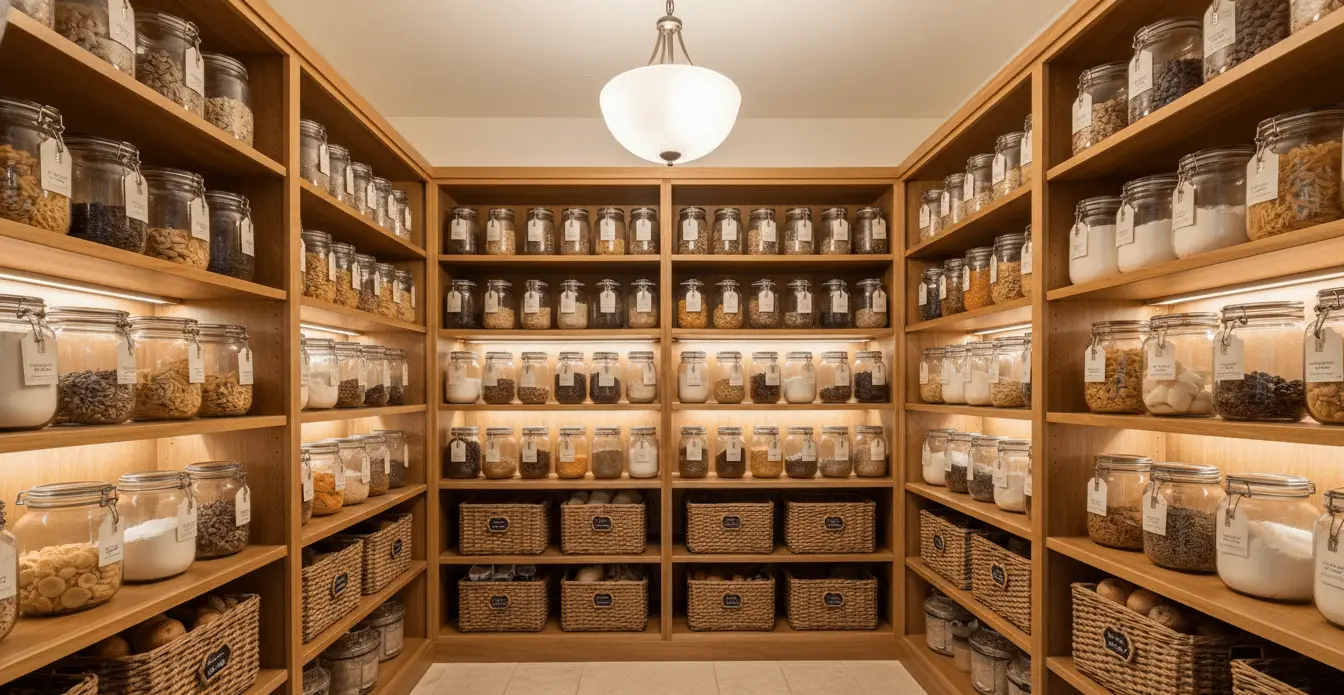
Walk-In Closet Pantry Ideas for Functional Storage: Smart Ways to Maximize Organization and Space
Table of Contents
Introduction
A walk-in closet pantry can be one of the most efficient and visually appealing storage spaces in a home—when designed with intention. Yet many households struggle with cluttered shelves, poor layout choices, or pantry items spilling into other rooms due to limited space. Studies highlight that up to 40% of pantry storage capacity is lost simply because shelves and systems aren’t optimized for the way families really use their kitchen goods. This makes the idea of a well-organized walk-in closet pantry more than just a decor project; it’s a lifestyle upgrade.
Transforming a walk-in closet into a pantry—or enhancing an existing one—opens the door to improved organization, faster meal prep, and a more enjoyable cooking experience. With the right storage solutions, even a modestly sized pantry can feel luxurious and efficient. From shelving strategies and accessory systems to layout planning and multipurpose storage, thoughtful design choices can turn a pantry into the heartbeat of a functional home.
This guide explores practical and inspiring walk-in closet pantry ideas for functional storage. You’ll find detailed insights into maximizing shelves, incorporating bins and baskets, adding lighting upgrades, integrating appliances, and creating workflow-friendly zones. Each section includes a visual breakdown table to help clarify concepts at a glance. By the end, you’ll have a roadmap for designing a pantry that’s both beautiful and deeply functional—regardless of size.
Optimizing Wall Shelving for Maximum Pantry Storage
Shelving plays a central role in making a walk-in closet pantry truly functional. Wall-to-wall shelves capitalize on vertical real estate and make it possible to categorize items efficiently. When designed well, a wall-shelving system can double the storage capacity of a standard pantry while also improving visibility and accessibility. Adjustable shelves are especially valuable because they let you customize spacing for cans, jars, appliances, and oversized pantry goods.
Open shelving encourages a clean, visually appealing setup. With the rise of minimalist and modern pantry aesthetics, homeowners have shifted toward open systems that display items neatly instead of hiding them behind doors. This approach not only helps track inventory but also makes everyday use more intuitive.
Wooden shelves bring warmth, while wire shelving allows airflow and easy cleaning. Deep shelves are ideal for large appliances or backstock items, while narrow shelves prevent things like spices and condiments from getting lost. Thoughtful spacing ensures that every inch of the wall contributes to a streamlined storage system.
Visual Breakdown: Shelf Depth Guide
| Shelf Depth | Best Use | Pros | Considerations |
| 6 inches | Spices, jars | Prevents overcrowding | Not ideal for bulk items |
| 10 inches | Cans, condiments | Balanced depth | Good for everyday items |
| 12–14 inches | Dry goods, baskets | Holds most pantry staples | May require spacing |
| 16–20 inches | Appliances, bins | Ideal for large items | Can feel bulky |
Using Storage Bins and Baskets for a Clean, Categorized Pantry
Storage bins and baskets create order by grouping similar items together and reducing visual clutter. In a walk-in closet pantry, bins help maintain a functional system—especially when family members share the space. Clear plastic bins are popular for their visibility and ease of cleaning, while woven baskets introduce texture and warmth, creating a more designer feel.
One of the most effective strategies is to categorize items based on usage: baking supplies, snacks, breakfast items, grains, and produce can each have designated zones. This method not only simplifies restocking but also helps you keep track of inventory. Labels are essential here—chalk labels, printed tags, or clip-on markers ensure that even deep bins remain useful rather than becoming black holes for miscellaneous items.
Stackable bins are a game-changer in small walk-in pantries where vertical space is precious. They allow you to create multi-tier storage without installing additional shelving and work especially well for lightweight items such as chips, pastas, and packaged snacks. Meanwhile, baskets with handles are perfect for high shelves where accessing items requires a gentle pull instead of stretching or climbing.
Visual Breakdown: Bin and Basket Categories
| Type | Best For | Style Benefit | Functionality |
| Clear plastic bins | Snacks, baking supplies | Clean, modern look | Easy visibility |
| Woven baskets | Produce, linens | Warm, textured style | Airflow & concealment |
| Metal bins | Canned goods | Industrial aesthetic | Strong and durable |
| Stackable crates | Chips, packets | Space-saving | Lightweight & versatile |
Creating Functional Pantry Zones for Seamless Workflow
Zoning is one of the most overlooked yet transformative techniques in walk-in closet pantry design. A pantry with dedicated zones feels intuitive and allows for effortless meal prep and restocking. By dividing the space into purposeful sections—such as baking, snacks, beverages, canned goods, grains, or appliances—you ensure that each category has a designated home. This minimizes clutter buildup and makes it easier for everyone in the household to find what they need.
Start by designing zones based on frequency of use. Everyday items like bread, cereals, or snacks should be placed at eye level for easy access. Heavy appliances and bulk items should sit on lower shelves to prevent strain. Special-occasion ingredients or rarely used products can be stored on higher shelves, where they remain accessible but don’t disrupt daily flow.
Another essential part of zoning is incorporating transitional spaces. For example, an “overflow zone” can hold new groceries before they’re distributed into their proper areas. This prevents overcrowding and helps maintain your pantry’s visual order.
A well-zoned pantry also benefits from smart container choices. Tall jars work perfectly in baking zones, stackable bins are great for snack areas, and deep baskets accommodate bulky items. Labeling helps reinforce these zones so the system stays functional long-term.
Lighting plays a key role in enhancing workflow. Under-shelf LEDs or motion-sensor lights illuminate zones clearly, making everything visible at a glance.
Zoning Guide Overview
| Zone Type | Contents | Shelf Height Recommendation | Benefits |
| Daily essentials | Snacks, breakfast foods | Eye level | Quick access |
| Bulk storage | Flour, rice, large packages | Lower shelves | Safe lifting |
| Appliance station | Mixers, blenders | Mid-level deep shelves | Keeps counters clear |
| Baking station | Sugar, spices, tools | Narrow shelves | Efficient meal prep |
Integrating Small Appliances into Walk-In Closet Pantry Storage
A functional walk-in closet pantry should be more than a place to store food—it can also serve as a hub for small kitchen appliances. Items such as stand mixers, toasters, slow cookers, and blenders often crowd countertops. Relocating them to the pantry not only declutters your kitchen but also creates a more streamlined and modern home setup.
Start by determining which appliances you use frequently versus occasionally. Frequently used appliances may need to be placed at mid-height where they can be accessed easily. Heavier items should remain on lower, deeper shelves to prevent accidents. If your pantry has access to electrical outlets, you can create a dedicated appliance station, allowing some gadgets to stay plugged in and ready for use.
Pull-out shelves or sliding trays are excellent additions to an appliance zone. They reduce the need to lift heavy equipment and make it easier to clean up crumbs or spills. Ventilation is another consideration—appliances such as Instant Pots or breadmakers generate heat and moisture, so ensure your pantry has adequate airflow if they’re used inside.
Cord organization is also essential. Using cord clips or silicone ties prevents tangling and keeps the zone neat. With proper integration, your pantry becomes an extension of your kitchen rather than a disconnected storage unit.
Appliance Storage Overview
| Appliance Type | Best Shelf Depth | Ideal Position | Notes |
| Mixers | 16–20 inches | Lower shelves | Heavy weight |
| Blenders | 14 inches | Mid level | Easy grab-and-go |
| Toasters | 12–14 inches | Appliance station | Requires outlet |
| Slow cookers | 16 inches | Low shelves | Heat-safe clearance |
Lighting Upgrades That Elevate Walk-In Closet Pantry Organization
Lighting is one of the most transformative yet underestimated features of a walk-in closet pantry. Poor lighting makes it difficult to locate items, encourages clutter, and diminishes the atmosphere of the space. Good lighting, on the other hand, creates clarity, enhances visibility, and adds a polished finish to your pantry design.
Start by implementing ambient lighting—typically overhead fixtures that illuminate the entire room. LED flush mounts or small chandeliers can add charm and brightness without overwhelming the space. Once ambient lighting is established, introduce task lighting under shelves or inside cabinets. LED strips are particularly effective for highlighting jars, spices, and bins, making it easier to find ingredients quickly.
Accent lighting takes your pantry from functional to high-end. Toe-kick lighting, shelf edge illumination, or motion-sensor lights provide subtle glows that make even a small pantry feel luxurious. These lights are especially helpful for nighttime snack runs or early-morning meal prep.
Consider the color temperature as well. Warm light creates a cozy feel, while cool light offers crisp visibility—ideal for reading labels and distinguishing ingredients. Battery-powered lighting and plug-in options make upgrades simple, even without electrical rewiring.
Lighting also enhances organization by drawing attention to zones and highlighting your layout. A well-lit pantry feels both intentional and inviting, becoming a space you enjoy stepping into rather than a room used only out of necessity.
Lighting Overview
| Type of Light | Best Use | Benefits | Installation Difficulty |
| Ambient ceiling lights | Whole room illumination | Bright & clean | Easy |
| Under-shelf LEDs | Highlight shelves | Excellent visibility | Easy–moderate |
| Motion-sensor lights | Entry & dark corners | Hands-free | Easy |
| Accent lighting | Decor enhancement | Luxurious feel | Moderate |
Conclusion
Designing a walk-in closet pantry for functional storage is a rewarding process that transforms everyday routines. With strategic shelving, thoughtful bin organization, well-planned zones, appliance integration, and beautifully enhanced lighting, your pantry becomes more than a storage room—it becomes a seamless extension of your home’s workflow. Whether you’re upgrading an existing space or creating a pantry from scratch, the ideas explored here help maximize efficiency while maintaining elegance. A walk-in closet pantry that is intentional, organized, and visually appealing can elevate your home and support a smoother, more enjoyable cooking experience.