
Best Indoor Plant Ideas for a Room With Plants: Creative Ways to Style and Refresh Your Space
Table of Contents
Introduction
There is something undeniably uplifting about stepping into a room filled with plants. Studies show that indoor greenery can reduce stress, boost creativity, and even improve air quality—benefits that make plants more than just décor. Whether you live in a small apartment or a spacious home, adding the right mix of indoor plants can breathe life into your surroundings and create a calming, rejuvenating environment. But while many people love the idea of a plant-filled room, they often feel unsure about how to choose the right species, arrange them attractively, or maintain a cohesive style that enhances the space rather than overwhelming it.
This guide explores the best indoor plant ideas for a room with plants, with practical and beautifully styled concepts you can implement regardless of your home’s layout or lighting conditions. You’ll discover creative arrangement tips, plant combinations that thrive together, low-maintenance options, and styling techniques that elevate your entire room. Each section includes helpful breakdowns and examples to inspire your own plant displays. By the end, you’ll feel confident curating a room that looks lush, feels refreshing, and fits your lifestyle effortlessly.
Creating a Balanced Plant Layout for a Cohesive Room
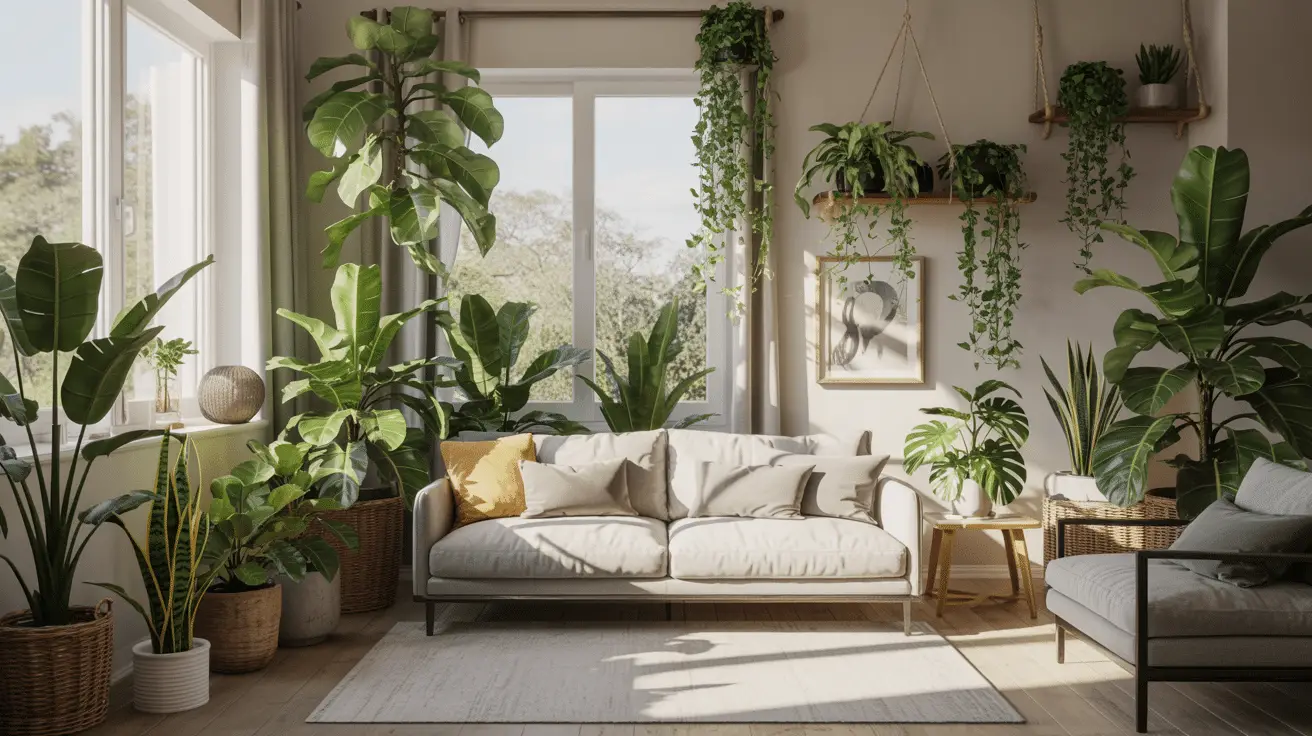
A well-styled room with plants begins with layout—the foundation that determines how balanced, functional, and visually appealing your space becomes. Instead of randomly placing plants wherever they fit, think in terms of height, density, and focal points. A balanced layout ensures your plants complement the room rather than compete with it.
Start by choosing one or two major plant focal points. These might be larger plants like a fiddle-leaf fig, monstera, or tall snake plant, which anchor the room and draw the eye upward. Once your anchors are set, build around them with medium-sized plants positioned at varying elevations—think shelves, stools, plant stands, or windowsills. This creates an intentional sense of movement throughout the room.
Finally, integrate trailing plants to soften edges and introduce flowing lines that tie the layout together. Using pothos, ivy, or string of pearls on high shelves or wall-mounted brackets adds dimension while keeping the overall design cohesive. The key is to create layers: tall, medium, and cascading textures that mimic nature’s rhythms.
Visual Breakdown: Balanced Plant Layout Components
| Component | Description | Examples |
| Anchor Plants | Large focal plants that set the tone | Monstera, Rubber plant |
| Mid-Level Plants | Medium plants used for filling space | Peace lily, ZZ plant |
| Trailing Plants | Cascading greenery that adds softness | Pothos, String of pearls |
Choosing Low-Maintenance Plants for Effortless Style
For anyone new to plant care—or simply too busy for high-maintenance routines—low-maintenance indoor plants are a perfect solution. These reliable species thrive in a variety of lighting conditions, tolerate occasional neglect, and still bring beauty and freshness to your room. Choosing easy-care plants ensures your space stays vibrant without demanding constant attention.
Low-maintenance options like snake plants, pothos, ZZ plants, and philodendrons are ideal for beginners. They adapt well to low light, grow steadily, and rarely suffer from pests if watered correctly. Pair them with decorative pots or minimalistic planters and you have a stylish display that enhances the room’s visual appeal without requiring daily upkeep.
What makes these plants especially appealing is how well they complement different interior styles. A snake plant’s sleek vertical leaves add structure to modern or Scandinavian rooms, while pothos and philodendron varieties introduce gentle curves suited for bohemian or eclectic spaces. Their versatility means you can experiment with placements—from desks to bookshelves to bedside tables—without worrying about complicated care routines.
Table: Low-Maintenance Plants at a Glance
| Plant | Light Needs | Watering | Aesthetic Impact |
| Snake Plant | Low–Bright | Minimal | Sleek, modern |
| Pothos | Low–Medium | Moderate | Soft, trailing |
| ZZ Plant | Low | Very low | Glossy, durable |
| Philodendron | Medium | Moderate | Lush, tropical |
Styling Shelves and Vertical Displays With Indoor Plants
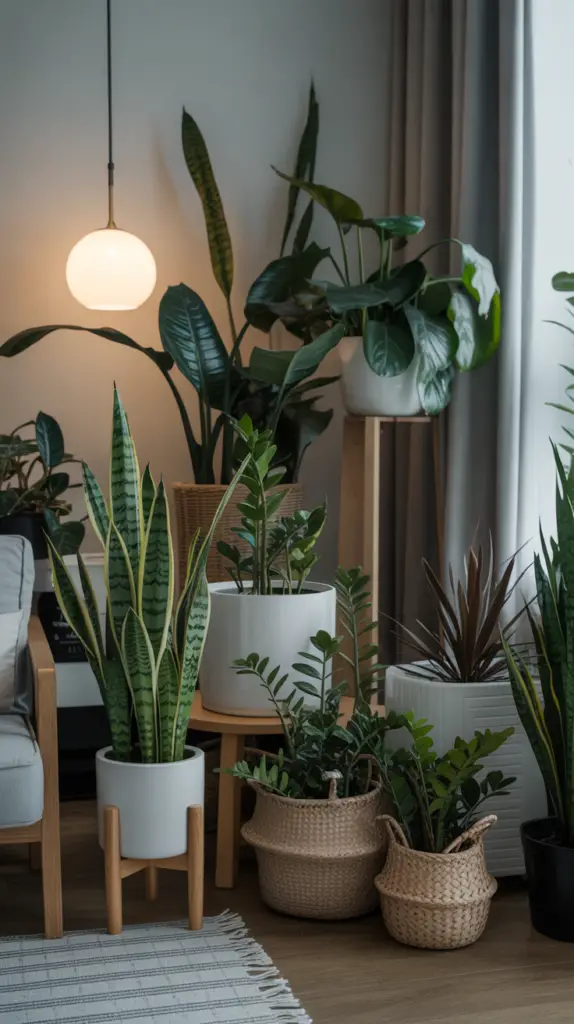
Shelving and vertical arrangements are among the most powerful styling techniques for creating a room with plants that feels dynamic, artistic, and highly personalized. When used strategically, shelves transform ordinary walls into living installations that add depth, texture, and vibrancy to the entire space. This expanded section will guide you through building plant displays that look curated, intentional, and effortlessly stylish.
Start by selecting shelves that match or complement your interior décor. Floating wooden shelves create a warm, organic look, while metal brackets or geometric designs offer a modern edge. Once your shelving is in place, think of each shelf as a vignette. Combine plants of varying sizes, shapes, and textures to create visual movement—pair a trailing pothos with an upright fern, or a compact succulent with a small satin pothos for contrast.
Balance is important, but so is spontaneity. Not every plant needs to be centered or symmetrical. Slight asymmetry brings a sense of natural ease and prevents your display from appearing overly structured. Mix in non-plant elements such as books, ceramics, candles, or framed art to break up the greenery and make the shelf feel integrated into the room rather than isolated as a “plant-only” space.
Lighting also plays a crucial role. If your shelves are positioned away from windows, supplement with soft LED grow lights or warm-toned strip lighting installed beneath each shelf layer. These not only support plant growth but also create a dramatic glow in evenings.
Table: Shelf Styling Techniques
| Technique | Purpose | Example Idea |
| Layering Heights | Adds depth and movement | Tall fern + small succulent |
| Mixing Textures | Creates visual interest | Glossy philodendron + fuzzy calathea |
| Trailing Elements | Softens hard lines | Ivy cascading over shelf edge |
Combining Different Pot Styles for a Harmonious Look
Choosing the right pots is just as important as choosing the right plants. The container acts as a frame that highlights your plant’s beauty while contributing to your room’s design aesthetic. Mixing pot styles may seem challenging, but doing so intentionally creates a curated, stylish interior that feels collected rather than chaotic.
Begin by selecting a color palette that aligns with your room’s overall tone. Neutral palettes—white, beige, terracotta, charcoal—offer timeless versatility and allow the plants’ green tones to shine. If you prefer bolder aesthetics, choose one accent color and repeat it across several pots to maintain cohesion.
Consider texture as well. Matte ceramic pots bring softness, while glossy containers add sophistication. Woven baskets introduce warmth, and concrete planters provide an industrial edge. When mixed mindfully, these textures coexist beautifully.
The arrangement matters too. Place larger pots on the floor or low stools, medium pots on shelves or tables, and smaller ones on window ledges or accents. This creates a natural, tiered effect that draws the eye around the room.
Pot Style Comparison Table
| Pot Style | Aesthetic | Best For |
| Terracotta | Warm, earthy | Succulents, herbs |
| Ceramic | Clean, modern | Most houseplants |
| Woven Basket | Natural, cozy | Large leafy plants |
| Concrete | Minimalist, industrial | Structural plants |
Building a Calming Bedroom Oasis With Houseplants
Creating a bedroom oasis using indoor plants transforms the space from merely functional to deeply restorative. Because the bedroom is where you unwind and recharge, the plants you choose and how you arrange them should support relaxation, gentle lighting, and minimal maintenance. This expanded section dives deeper into crafting a plant-filled bedroom that feels serene and balanced.
Begin by selecting plants known for their calming qualities. Lavender, peace lilies, and snake plants are popular choices thanks to their air-purifying properties and soothing presence. While lavender offers a subtle fragrance that enhances sleep, peace lilies contribute a soft, elegant aesthetic perfect for serene environments. Snake plants absorb toxins and release oxygen at night, making them ideal companions for restful sleep.
Placement is just as important as plant selection. Consider positioning taller plants near dressers or room corners to soften hard lines and create a cozy atmosphere. Smaller potted plants work beautifully on nightstands where their presence feels gentle rather than overwhelming. Trailing plants like heartleaf philodendrons or pothos can be placed on floating shelves or macramé hangers to add organic movement without cluttering surfaces.
Lighting also plays a significant role in shaping the mood. Opt for warm-toned bulbs and position lights so they cast soft glows over your plants. This enhances their natural forms while promoting a tranquil evening ambiance.
Bedroom Plant Oasis Breakdown
| Element | Function | Example |
| Calming Plants | Encourage relaxation | Lavender, peace lily |
| Soft Lighting | Enhances serenity | Warm LED lamps |
| Vertical Accents | Saves space & adds movement | Hanging pothos |
Using Plant Groupings to Create Micro-Environments
Grouping plants together is an effective way to create micro-environments that mimic natural ecosystems, especially for humidity-loving plants or shade-tolerant collections. These clusters not only look beautiful but also allow your plants to support one another by retaining moisture and regulating airflow.
Cluster plants with similar care needs to make maintenance easier. For example, ferns, calatheas, and marantas thrive in high humidity, so placing them together near a bathroom doorway or beside a humidifier helps them flourish. Succulents and cacti prefer brighter, drier conditions and therefore look stunning grouped on sunny windowsills.
Plant groupings also enhance design cohesion. Using stands of varying heights, trays for organizing pots, or decorative clusters on tables creates visual harmony. The goal is to achieve a sense of unity without repetition.
Micro-Environment Ideas Table
| Group Type | Best Location | Ideal Plants |
| Humidity-Loving | Bathroom area | Ferns, calatheas |
| Sun-Loving | South window | Cacti, succulents |
| Low-Light | Bedroom or office | ZZ plant, pothos |
Incorporating Statement Plants as Artistic Focal Points
Statement plants act as living sculptures within your room, bringing personality and artistry to the space. Plants like fiddle-leaf figs, bird of paradise, or rubber plants make bold visual impressions that can transform an otherwise simple room into a stunning indoor retreat.
Use statement plants thoughtfully. A single dramatic plant can elevate a minimal room, while two or three placed strategically can create a lush, gallery-like feel. These plants work best when given space to breathe—avoid crowding them with too many nearby objects.
Pairing statement plants with striking planters, such as tall cylindrical pots or uniquely textured containers, enhances the effect even more.
Statement Plant Inspiration Table
| Statement Plant | Visual Vibe | Ideal Placement |
| Fiddle-Leaf Fig | Sculptural, elegant | Living room corner |
| Bird of Paradise | Tropical, bold | Near bright windows |
| Rubber Plant | Sleek, modern | Entryway or office |
Conclusion
Designing a room with plants is both an art and a practice in mindful living. The right plant choices and thoughtful styling can elevate any room, turning it into a vibrant, calming sanctuary that reflects your personal taste. From selecting low-maintenance plants to creating layered layouts, styling shelves, and introducing statement pieces, each approach offers a chance to bring nature closer to your daily life. A space filled with greenery feels alive, intentional, and deeply restorative, making every moment spent in it more enjoyable and inspiring.