
Modern Basement Apartment Ideas for Contemporary Homes: Stylish, Functional Designs for Every Lifestyle
Table of Contents
Introduction
Basements have come a long way from being simple storage zones or unfinished utility spaces. Today, more homeowners are transforming these square feet into fully livable, stylish basement apartments that expand their home’s functionality and value. With rising housing costs and an increasing demand for multi-generational and flexible living arrangements, basement apartments have become one of the most sought-after upgrades in contemporary homes. In fact, design reports show that finished basements can boost property value by up to 70% of the renovation cost—making them both practical and profitable.
This topic matters because a modern basement apartment must balance beauty with practicality. Basements often present unique challenges such as limited natural light, low ceilings, narrow layouts, or structural features that require creative problem-solving. Yet with thoughtful design, these spaces can become anything from cozy living suites to rental units, guest accommodations, home offices, or personal retreats.
In this guide, you’ll discover modern basement apartment ideas that enhance comfort, elevate style, and optimize every inch of space. From lighting strategies and layout planning to furniture choices, textures, and storage solutions, each section offers inspiration and practical tips to create a finished basement that feels fresh, contemporary, and truly livable. Whether you’re renovating from scratch or refining an existing space, these ideas will guide you toward a basement apartment that feels just as elegant and inviting as the upper levels of your home.
Designing an Open-Concept Layout for Modern Basement Living
One of the most effective ways to achieve a modern aesthetic in a basement apartment is through an open-concept layout. Because basements can feel enclosed or segmented, removing unnecessary walls opens the space visually and improves functionality. This approach supports contemporary design principles by creating a natural flow between living, dining, and kitchen zones. It also maximizes natural light, allowing windows—even small ones—to illuminate more of the apartment.
Zoning is key in an open layout. Rather than relying on walls, define areas using furniture placement, area rugs, lighting differences, or ceiling treatments. For example, a sleek sectional can anchor the living space, while a pendant light above a small dining table subtly marks the eating area. Keeping visual lines simple and consistent helps maintain the clean, modern look.
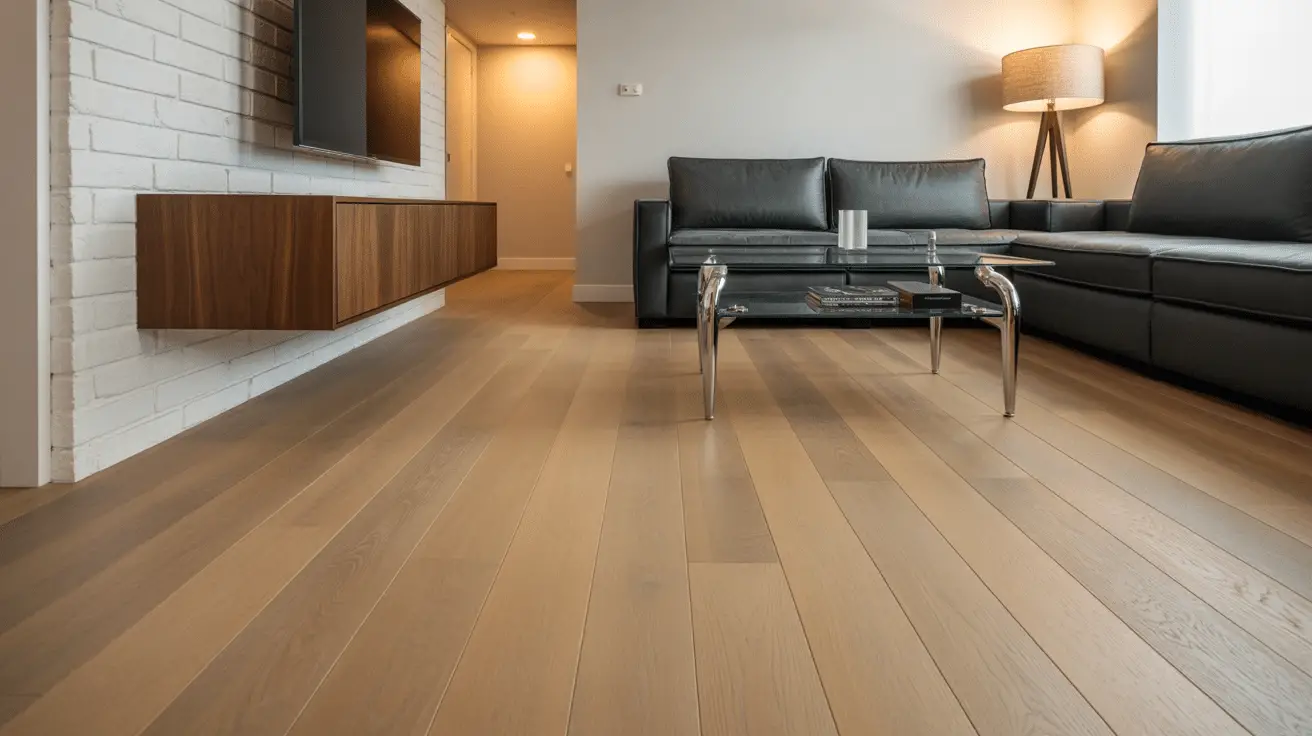
Choosing cohesive finishes across the apartment—such as matching flooring, neutral wall colors, or complementary woods—enhances spaciousness. Opt for light-toned or wide-plank floors to give the illusion of a larger footprint. Strategic storage built into nooks or unused corners helps support the open feel without creating clutter.
Open-Concept Layout Breakdown
| Feature | Purpose | Impact on Space |
| Furniture Zoning | Defines spaces without walls | Maintains flow + openness |
| Consistent Flooring | Visual continuity | Makes apartment feel larger |
| Pendant/Accent Lighting | Zones dining + living areas | Adds modern elegance |
| Minimal Partitions | Reduces visual barriers | Improves light distribution |
Using Smart Lighting Strategies to Brighten a Basement Apartment
Lighting is one of the most transformative elements in a modern basement apartment. Because basements naturally have limited sunlight, a thoughtful lighting plan can turn a once-dim area into a bright and inviting space. Layered lighting is essential—combining ambient, task, and accent lighting gives depth, warmth, and versatility.
Start with recessed lighting to ensure broad, even illumination without sacrificing ceiling height. For areas like the kitchen or workspace, under-cabinet LED strips create functional brightness while adding a clean, contemporary touch. Living areas benefit from floor lamps or wall sconces that introduce softer, more atmospheric lighting.
Mirrors and reflective surfaces also enhance brightness by bouncing light throughout the apartment. Glass tabletops, glossy tiles, or metallic décor pieces subtly amplify illumination without cluttering the design.
Color temperature influences mood. Warm white LEDs create a cozy vibe, while cool white lighting suits modern kitchens or work zones. Smart bulbs offer flexible control, allowing residents to shift between brightness levels depending on the activity—perfect for basement apartments used as guest suites or multifunctional living areas.
Lighting Strategy Table
| Lighting Type | Best Use | Benefits |
| Recessed Lighting | Main illumination | Saves space, brightens evenly |
| Task Lighting | Kitchen, desk, reading areas | Focused, functional, modern |
| Accent Lighting | Artwork, shelves, architectural features | Adds mood + style |
| Smart Lighting | Multi-use rooms | Adjustable warmth + brightnes |
Incorporating Modern Materials and Finishes for a Contemporary Aesthetic
Materials and finishes shape the personality of a basement apartment more than almost any other element. Contemporary homes favor sleek, understated materials that feel fresh, clean, and cohesive. In basement settings, the right materials also enhance durability and resist moisture.
Start with flooring choices. Luxury vinyl plank (LVP), engineered hardwood, and polished concrete are popular options in modern basement apartments because they offer durability while maintaining stylish appeal. Their streamlined look supports a minimal, modern design ethos and works well with underfloor heating systems.
Walls benefit from smooth finishes or subtle textures. Neutral paint tones—such as cool greys, warm whites, and greige shades—promote brightness and visual calm. Accent walls featuring vertical paneling, concrete texture, or modern wallpaper add character without overwhelming the space.
Metallic accents in matte black, gold, or brushed nickel elevate the aesthetic through hardware, fixtures, or shelving brackets. Combined with warm woods, these contrasts create the layered sophistication characteristic of modern design.
Natural materials enhance warmth. Wood beams, stone finishes, or textured rugs soften the contemporary look, ensuring the apartment feels inviting rather than stark.
Material + Finish Breakdown
| Material/Finish | Aesthetic Role | Ideal Placement |
| Polished Concrete | Industrial-modern elegance | Flooring or feature walls |
| Engineered Wood | Warm modern texture | Living and bedroom areas |
| Matte Black Hardware | Sleek focal points | Kitchen and bathroom fittings |
| Modern Wallpaper | Adds interest + soft patterns | Accent walls |
Creating Functional Zones for Seamless Everyday Living
Basement apartments often serve multiple purposes—living space, sleeping quarters, office, entertainment zone, or rental suite—which makes zoning essential. Functional zones help define each area while keeping the overall design cohesive. Thoughtful zoning boosts efficiency, improves flow, and supports the modern aesthetic.
Begin with the core living zone. This space should feel inviting yet streamlined. A sectional or modular sofa anchors the area while maintaining flexibility for different uses. Floating shelves or a minimalist entertainment unit enhances function without visual clutter.
The sleeping area benefits from subtle separation. A platform bed, room divider, or low bookshelf can maintain privacy while preserving openness. Soft textures such as rugs or curtains help differentiate the sleep zone from the living room.
If the apartment includes a kitchen, opt for a linear or L-shaped layout that maximizes counter space while keeping sightlines unobstructed. Modern cabinetry with clean lines and integrated appliances supports a contemporary aesthetic.
For small basement apartments, multipurpose furniture—like fold-down desks, sleeper sofas, or storage ottomans—helps maintain order and versatility. Zoning also extends vertically: pendant lights, ceiling variations, or paint transitions can visually mark different areas in a subtle, stylish way.
Functional Zone Guide
| Zone | Key Features | Why It Works |
| Living Area | Modular seating, TV wall | Welcoming focal point for everyday living |
| Sleep Zone | Bed divider, textiles | Creates privacy without closing off space |
| Kitchen Area | Streamlined cabinetry, clean layout | Supports modern style + efficient cooking |
| Workspace | Compact desk, good lighting | Multi-use convenience without clutter |
Maximizing Storage Space Without Compromising Style
Storage plays a crucial role in the livability of a modern basement apartment. Because basements often serve as compact dwellings, smart storage solutions help maintain the clean aesthetic essential to contemporary design. The goal is to create storage that is both functional and visually discreet.
Built-in shelving and custom cabinetry are top choices for modern basements. They make use of awkward corners, under-stair spaces, or low ceilings while blending seamlessly with the rest of the interior. For a more budget-friendly approach, consider modular units with sleek finishes that mimic custom designs.
Furniture with hidden storage—such as ottomans, platform beds with drawers, or media units with concealed compartments—keeps clutter out of sight while maintaining style. Vertical storage is especially valuable in basements, where floor space may be limited. Tall bookcases, wall-mounted cabinets, or floating shelves draw the eye upward, making rooms appear larger.
Entry zones or mudroom corners benefit from hooks, benches, and cubby systems that keep shoes, coats, and essentials organized. Kitchens and bathrooms can use pull-out drawers, narrow rolling carts, and under-sink organizers to maximize functionality.
Storage Solution Table
| Storage Type | Best Use | Style Benefits |
| Built-in Cabinets | Kitchen, living, bedroom | Seamless, modern consistency |
| Hidden Storage Furniture | Bedrooms, living room | Reduces clutter, enhances clean aesthetic |
| Vertical Shelving | Small spaces, corners | Expands perceived height |
| Pull-out Organizers | Kitchen + bath | Efficient and visually tidy |
Decorating with Modern Simplicity and Warmth
Decorating a modern basement apartment requires striking a balance between simplicity and warmth. Contemporary design emphasizes clean lines and minimalism, yet a basement apartment benefits from cozy textures and softening details that make the space feel inviting.
Start with a neutral base for walls and large furniture, then layer in warmth through textiles. Cozy throws, textured cushions, and area rugs bring comfort while keeping the look streamlined. Choose modern patterns—geometric, abstract, or tonal—to maintain a contemporary feel.
Artwork plays a major role in elevating the design. Large-scale abstract prints, black-and-white photography, or minimalist botanicals create sophisticated focal points without overwhelming the room. Avoid overly busy gallery walls; instead, select a few intentional pieces that complement the color palette.
Plants bring life to basement apartments. Whether real or faux, greenery softens modern décor and introduces natural texture to counterbalance sleek finishes. Place plants strategically in corners, on shelves, or near seating areas to create balance.
Finally, décor should remain purposeful. Too many accessories can make a basement feel crowded, so lean toward curated arrangements—statement vases, sculptural pieces, or simple ceramics that reinforce the modern aesthetic.
Decor Style Breakdown
| Decor Element | Contribution | Placement Tips |
| Textures | Adds warmth + comfort | Rugs, throws, cushions |
| Modern Artwork | Creates focal points | Living room, hallway, bedroom areas |
| Plants | Softens modern edges | Corners, shelves, side tables |
| Sculptural Décor | Adds sophistication | Minimal displays on shelves or consoles |
Integrating Kitchens and Bathrooms with Modern Basement Design
Kitchens and bathrooms are essential components of a functional basement apartment, and their design plays a major role in elevating the overall aesthetic. In modern layouts, these spaces emphasize sleek finishes, functional storage, and clean lines.
For kitchen areas, flat-front cabinets, integrated appliances, and minimalist hardware reinforce the contemporary look. Opt for quartz or solid-surface countertops that resist moisture and offer long-lasting durability. Open shelving can enhance visual openness, but should be used sparingly to maintain a clean appearance.
Bathrooms benefit from walk-in showers with glass partitions, floating vanities, and large-format tiles that make the space appear bigger. Neutral color palettes—paired with matte black or brushed gold fixtures—create a luxurious, cohesive feel. Good ventilation and moisture-resistant finishes are especially important in basement bathrooms.
Shared design elements between the kitchen and bathroom—such as matching hardware finishes, similar tile styles, or cohesive lighting—help unify the entire apartment.
Kitchen + Bathroom Design Table
| Feature | Style Impact | Functionality Benefit |
| Floating Vanities | Airy modern aesthetic | Easier cleaning, more floor space |
| Flat-Front Cabinets | Sleek contemporary vibe | Efficient storage |
| Glass Shower Enclosures | Openness + light | Makes small bathrooms feel larger |
| Quartz Countertops | Clean, elegant finish | Durable + moisture-resistant |
Conclusion
A modern basement apartment offers endless potential when designed with intention, creativity, and an eye toward contemporary living. By embracing open layouts, strategic lighting, natural and modern materials, functional zones, and thoughtful décor, you can transform an underused basement into a polished, comfortable, and stylish living space. Smart storage, cohesive finishes, and well-planned kitchens and bathrooms ensure that the apartment not only looks beautiful but functions seamlessly for everyday living. Ultimately, the goal is to craft a basement that feels like an integral, elevated part of your home—one that enhances lifestyle, comfort, and long-term value.