
Elegant Barndominium Ideas with Neutral Color Palettes for a Timeless, Modern Home
Table of Contents
Introduction
Barndominiums have become one of the fastest-growing design trends in modern homebuilding, blending rustic barn-inspired architecture with sleek, contemporary interiors. Homeowners are increasingly drawn to these open, airy layouts—but what truly defines their elegance is the color palette. Recent design surveys show that over 65% of new barndominium builds incorporate neutral tones as their primary aesthetic choice. It’s not surprising: neutral palettes offer unmatched versatility, timeless appeal, and the ability to highlight natural textures that make barndominiums so distinctive.
If you’re designing or refreshing a barndominium, choosing the right neutral color scheme can turn an expansive structure into a warm, cohesive, and luxurious retreat. Whether you favor creamy whites, earthy taupes, stone grays, or soft greiges, a well-planned palette enhances architectural features, elevates décor elements, and creates a calming flow from room to room.
In this guide, we’ll explore elegant barndominium ideas with neutral color palettes that harmonize rustic character with modern refinement. You’ll discover practical styling frameworks, detailed examples, curated visuals, and step-by-step breakdowns for selecting materials, finishes, lighting, and décor that enhance the natural beauty of your space. By the end, you’ll feel confident crafting a barndominium that feels both relaxed and sophisticated—grounded in warmth yet unmistakably elegant.
Designing a Neutral Foundation for Barndominium Interiors
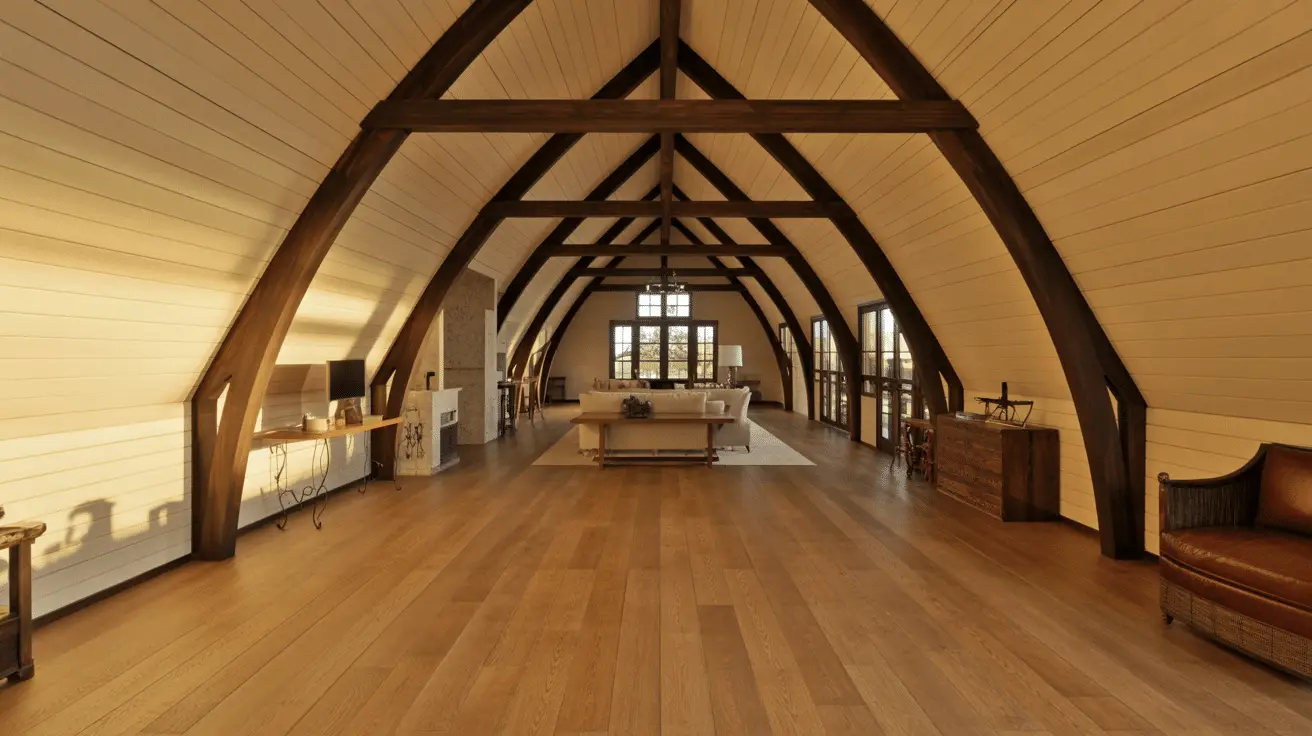
A beautiful barndominium begins with a strong, neutral foundation. The right combination of whites, beiges, taupes, and grays forms the backdrop against which architectural elements and furnishings can shine. Because barndominiums typically feature vaulted ceilings, open layouts, and abundant natural light, neutrals help soften the scale of the space and create cohesion across wide sightlines.
Start by selecting a primary wall color that complements the home’s natural materials—such as exposed beams, metal framing, tongue-and-groove ceilings, or polished concrete floors. Warm whites with soft undertones create a welcoming atmosphere, while greige tones add sophistication without feeling cold. From there, layer in complementary trim colors, door finishes, and accent walls in slightly darker or lighter shades to maintain visual interest.
Flooring also plays a pivotal role in establishing the foundation. Light oak, muted hickory, and soft-stained concrete work beautifully with neutral walls, enhancing brightness while grounding the space with texture. Consider the level of sheen as well—matte finishes offer elegance and minimize visual noise, while satin finishes add subtle depth.
A helpful structure for narrowing your palette is the 60-30-10 rule, adapted for neutral-dominant interiors.
Neutral Foundation Palette Guide
| Element | Percentage | Recommended Tones | Purpose |
| Primary Wall Color | 60% | Warm white, greige | Creates cohesion and openness |
| Secondary Tones | 30% | Taupe, soft gray, beige | Adds contrast and depth |
| Accent Neutrals | 10% | Charcoal, cream, sand | Highlights architectural features |
Blending Natural Materials with Soft Neutral Tones
Natural materials are a signature feature of barndominium design, and when paired with a neutral palette, they elevate the home’s elegance even further. Wood, stone, metal, brick, and linen interact beautifully with soft colors, creating a space that feels organic and refined at the same time.
Wood accents are especially effective. Whether in ceiling beams, cabinetry, or furniture, their grain adds warmth and dimension against neutral walls. Choose finishes with subtle variation—light oak, driftwood, or honey-stained tones—to keep the look sophisticated. Darker woods like walnut or espresso can be integrated sparingly for contrast without overwhelming the palette.
Stone elements also harmonize well with neutral colors. Limestone fireplaces, marble countertops, and slate tile contribute texture while maintaining visual balance. These materials introduce earthy undertones that soften sharper architectural lines.
Metal accents help define the space. Soft black, brushed nickel, and aged brass all reinforce neutral themes while adding elegance and structure. When used in lighting, hardware, and railings, they create a layered look grounded in modern rustic charm.
Here’s a breakdown of how materials pair with neutrals:
Material & Neutral Pairing Guide
| Material | Best Neutral Pairing | Effect on Space | Suggested Use |
| Light oak | Warm whites, creams | Airy, natural | Floors, beams |
| Natural stone | Greige, taupe | Organic, refined | Fireplaces, kitchens |
| Black metal | Beige, light gray | Modern contrast | Fixtures, door frames |
| Linen textiles | Soft ivory, sand | Gentle texture | Curtains, upholstery |
Incorporating Elegant Neutral Palettes in Open-Concept Barndominiums
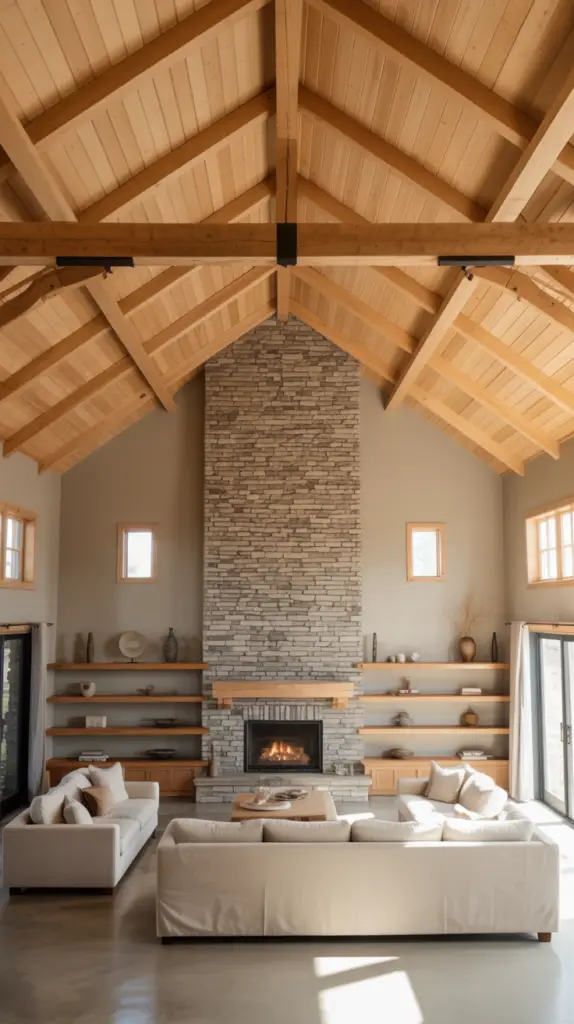
Because barndominiums often feature expansive open layouts, neutral color palettes become essential in creating a harmonious flow. Without thoughtful planning, large open spaces can feel disconnected or visually overwhelming. Neutrals solve this by forming consistent transitions while still allowing distinct zones to emerge.
Begin by selecting a unifying wall color that runs through the main living, dining, and kitchen areas. This establishes continuity and prevents abrupt shifts that disrupt the openness. From there, differentiate each zone with subtle changes in material or texture—such as a tiled backsplash in the kitchen, a textured rug in the living room, or paneled walls in a hallway.
Furniture and décor should follow a similar strategy. Neutrally upholstered sofas paired with textured throw blankets and natural fiber rugs can define living areas, while warm-toned bar stools and understated cabinetry distinguish the kitchen. Glass elements, such as lantern lights or metal-framed windows, help maintain unobstructed sightlines while contributing elegance.
The secret to successful open-concept design in barndominiums is strategic layering. Each zone should feel unique yet connected by color and materials. Below is a guide to help you create unity:
Open-Concept Neutral Flow Guide
| Area | Primary Tone | Supporting Materials | Visual Purpose |
| Living Room | Soft cream | Linen, wood, wool | Comfort & warmth |
| Kitchen | Warm gray | Stone, metal | Structure & sophistication |
| Dining | Taupe | Wood, glass | Harmony & connection |
Elevating Barndominium Kitchens with Neutral Elegance
Neutral kitchens are timeless, clean, and effortlessly elegant—perfect for barndominium design. With their spacious layouts and high ceilings, kitchens benefit from tones that soften the structure while enhancing architectural beauty. Whether you prefer a modern farmhouse look or a refined minimalist aesthetic, neutrals provide the foundation.
Start with cabinetry. Warm white, dusk beige, and light gray are popular choices that complement stone counters and metal hardware. You might consider inset shaker cabinets for a classic feel or flat-paneled designs for a sleek contemporary look. Pairing cabinetry with a natural stone backsplash—such as travertine or marble—introduces organic variation that enhances visual depth.
Lighting is another opportunity to layer elegance. Oversized pendant lights with black, brass, or brushed nickel finishes provide contrast. Under-cabinet lighting creates a warm glow that highlights textures in the countertops and backsplash.
Countertops in white quartz, veined marble, or creamy stone maintain the neutral theme while contributing durability. Wood accents, such as cutting boards or bar stools, warm up the palette and balance cooler tones.
A kitchen becomes truly cohesive when all elements reflect the same tonal family. Here’s a visual reference:
Neutral Kitchen Styling Guide
| Feature | Neutral Choice | Recommended Finish | Impact |
| Cabinetry | Warm white | Satin | Brightens & softens |
| Countertops | Cream quartz | Matte | Modern elegance |
| Hardware | Black or brass | Brushed | Adds contrast |
| Backsplash | Natural stone | Honed | Organic texture |
Using Layered Textures to Create Visual Luxury
Neutral palettes shine brightest when paired with layered textures that prevent monotony and add dimension. In barndominiums, where spaces are expansive, texture becomes essential in building intimacy and visual richness.
Start by selecting textiles that complement your palette. Linen, cotton, boucle, and wool add softness through furniture upholstery, throws, and pillows. Rugs made of jute, sisal, or plush blends anchor spaces while lending tactile variation. Soft window treatments in natural fabrics help frame large openings without overwhelming them.
Hard textures also contribute luxury. Hardwood floors, matte ceramics, and lightly brushed metals provide structure and balance. When paired with soft textiles, they create a dynamic interplay that feels sophisticated.
Architectural textures can further enhance elegance. Shiplap walls painted in warm neutrals add subtle depth, while exposed beams bring rustic charm that still feels polished when surrounded by soft color tones.
Use the breakdown below to guide your layering approach:
Texture Layering Guide for Neutral Barndominiums
| Texture Type | Examples | Best Placement | Overall Effect |
| Soft Textures | Linen, wool, boucle | Living spaces, bedrooms | Warmth and comfort |
| Organic Textures | Wood, stone | Floors, structural elements | Natural grounding |
| Sleek Textures | Metal, glass | Lighting, hardware | Modern contrast |
| Patterned Textures | Herringbone, woven fabrics | Rugs, accent walls | Visual interest |
Styling Neutral Bedrooms for Restful Elegance
Bedrooms thrive on neutral color palettes because they naturally promote relaxation and serenity—perfect for the modern barndominium lifestyle. Whether your bedroom has high ceilings, metal framing, or wood paneling, choosing soft neutrals helps calm the space and guide the eye gently across architectural features.
Begin with the bed as your visual anchor. Upholstered headboards in shades of cream or warm gray pair beautifully with crisp white bedding and textured throws. Layering multiple tones—linen, ivory, oatmeal—creates depth without deviating from the neutral palette.
Nightstands and dressers should coordinate with the room’s tones. Light wood adds warmth, while painted furniture in muted hues keeps the look cohesive. Incorporate lighting that complements the palette—dome lamps, stone bases, or soft brass finishes bring warmth.
Décor should remain minimal yet meaningful. Framed black-and-white artwork, ceramic vases, or woven baskets lend personality while maintaining calmness. Avoid overly busy patterns that disrupt the serene environment.
Use this simple structure to refine the design:
Neutral Bedroom Palette Overview
| Feature | Neutral Tone | Benefit |
| Bedding | Cream, ivory | Softens and relaxes |
| Furniture | Light wood, greige | Warms and grounds |
| Lighting | Brass, matte black | Adds dimension |
| Decor Accents | Sand, taupe | Enhances serenity |
Conclusion
Elegant barndominium ideas with neutral color palettes offer a unique opportunity to blend rustic charm with modern sophistication. By thoughtfully selecting foundational colors, layering natural materials, coordinating open-concept spaces, and incorporating textures and refined finishes, a barndominium becomes a sanctuary of timeless beauty. Neutrals allow the architectural character to shine while creating a calm, cohesive environment that feels elevated yet deeply inviting. Whether you’re building new or refreshing an existing interior, a well-curated neutral palette ensures your barndominium remains warm, elegant, and effortlessly stylish for years to come.